Knitwear
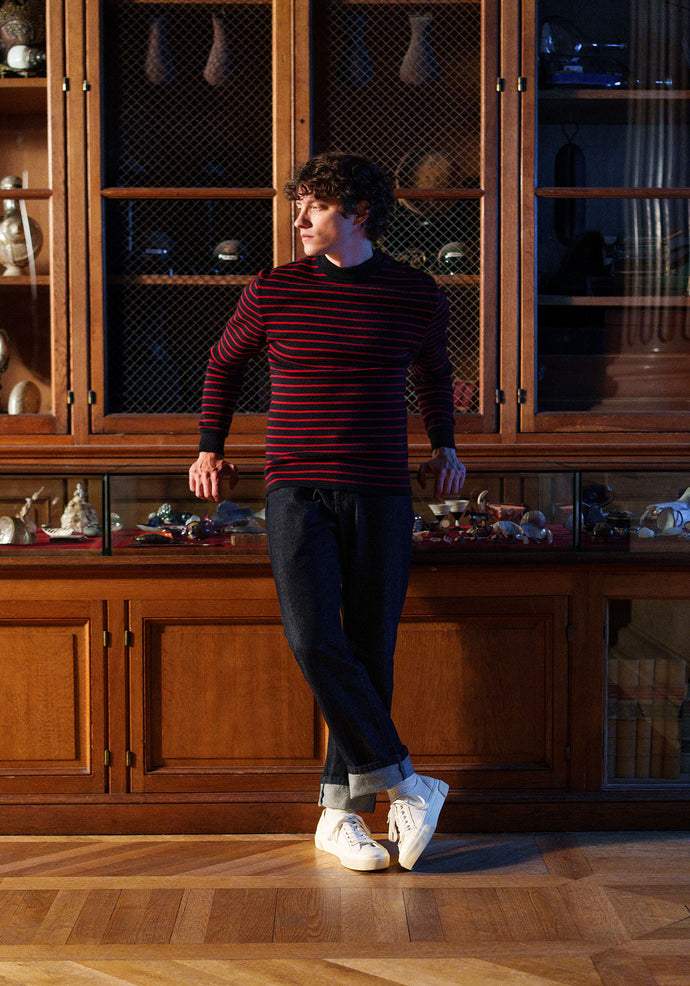
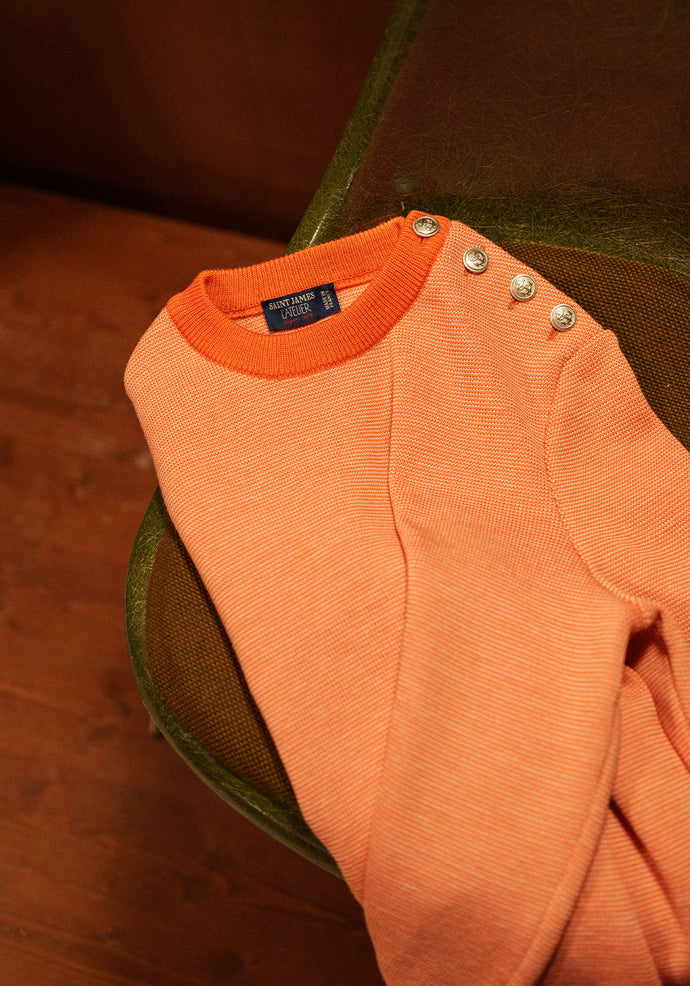
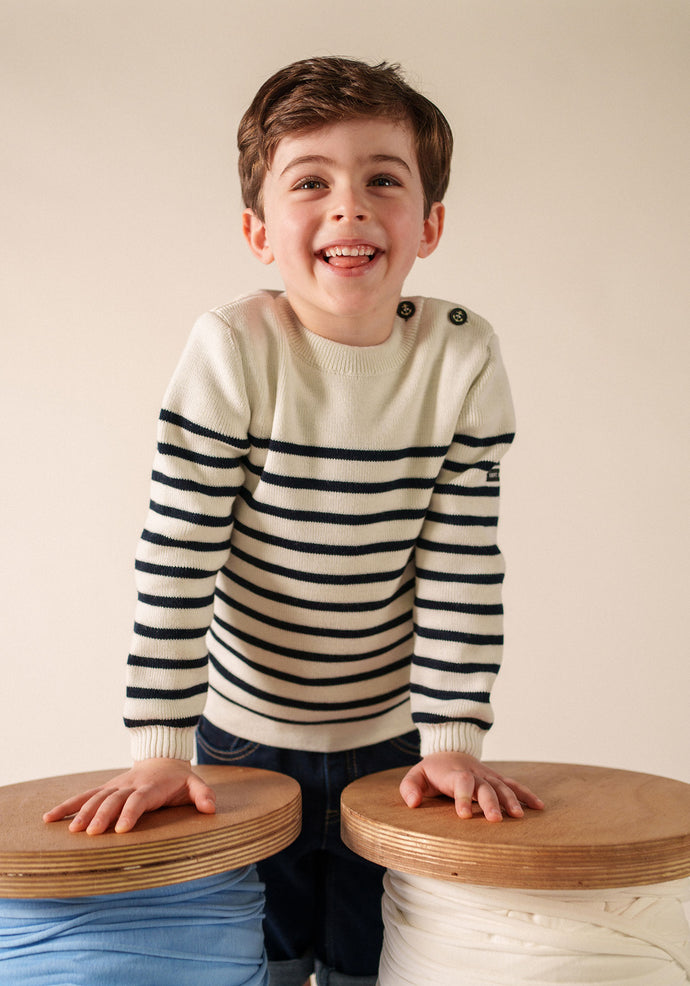
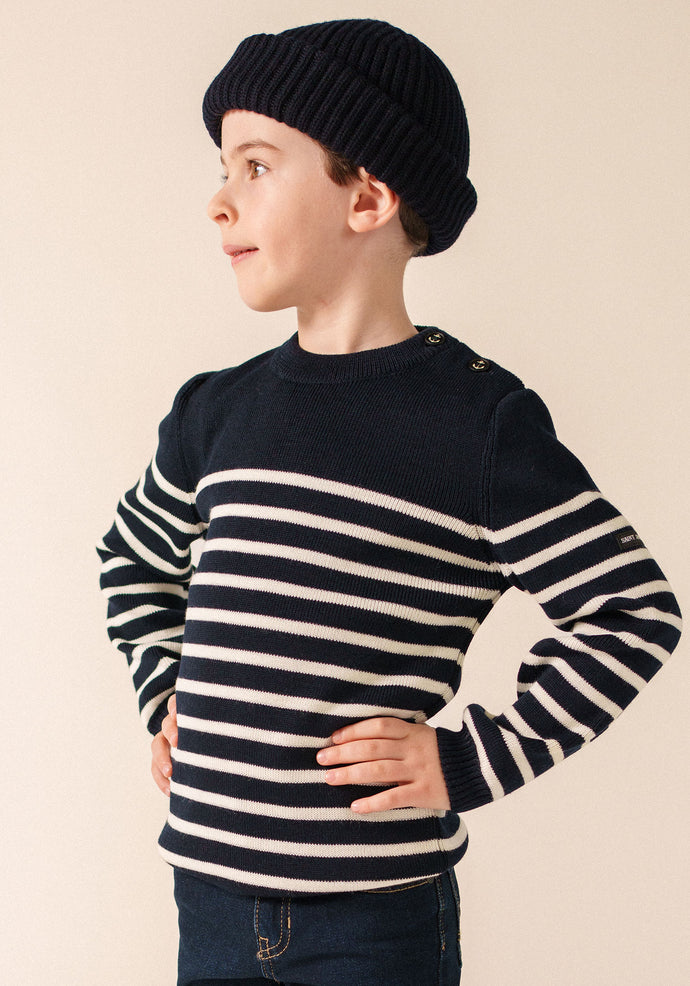
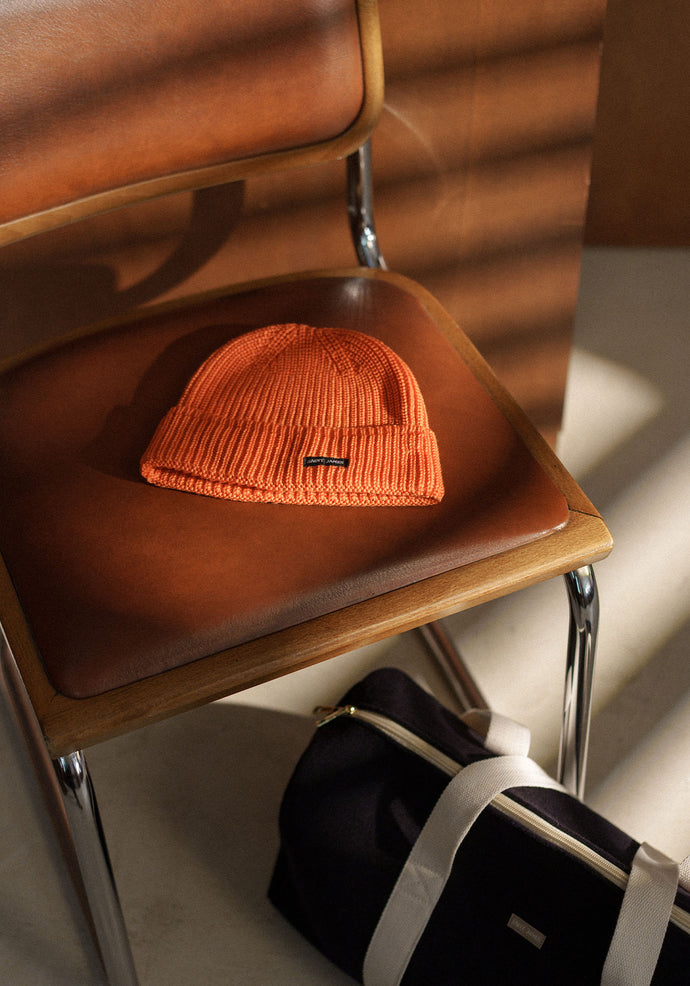
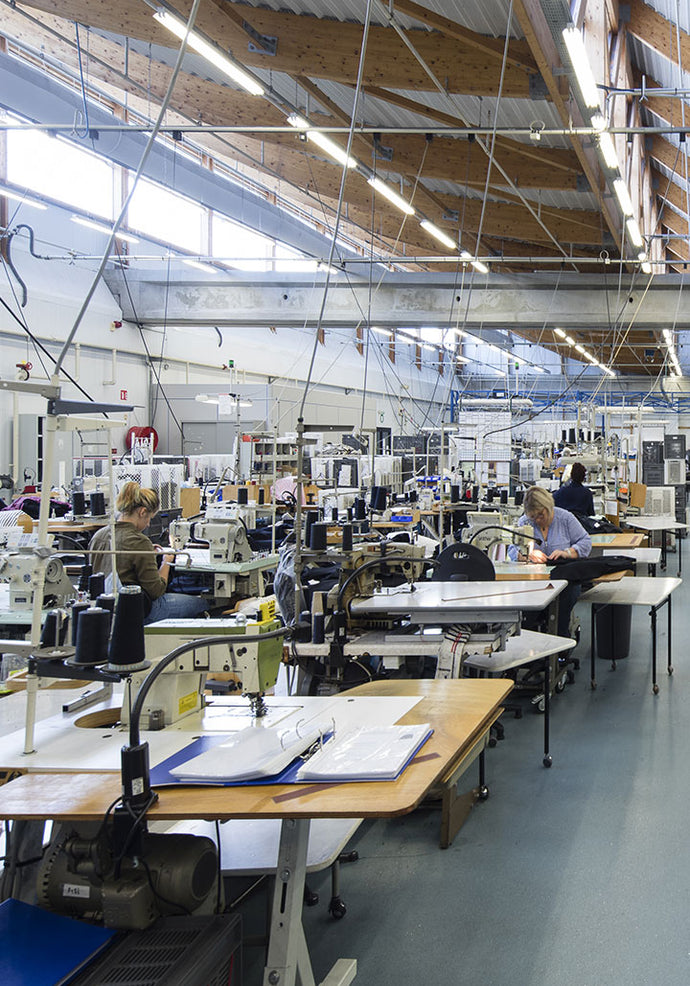
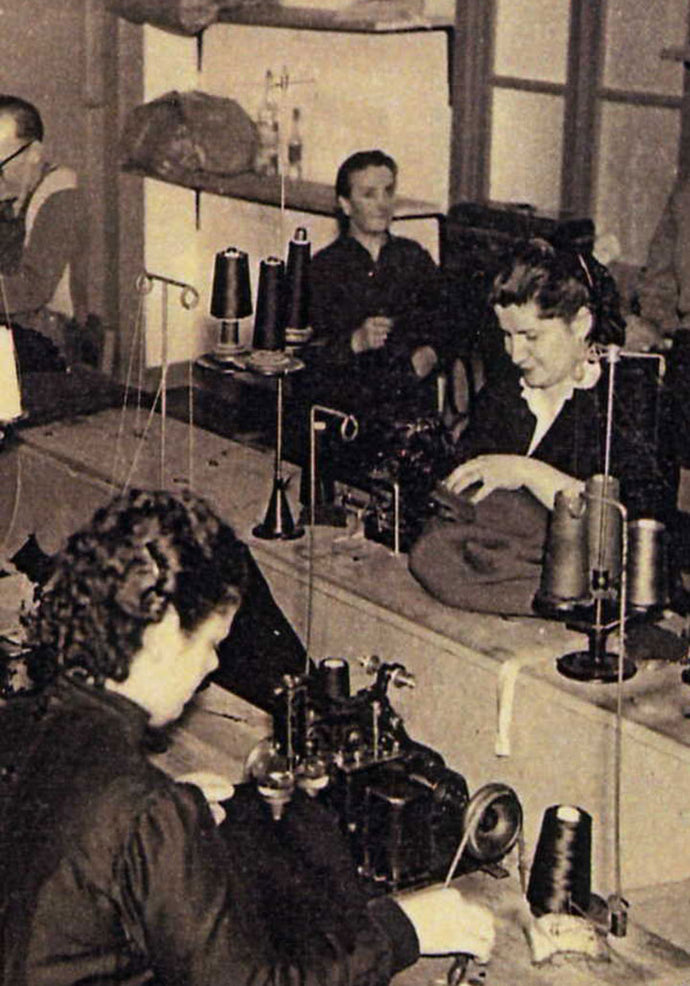
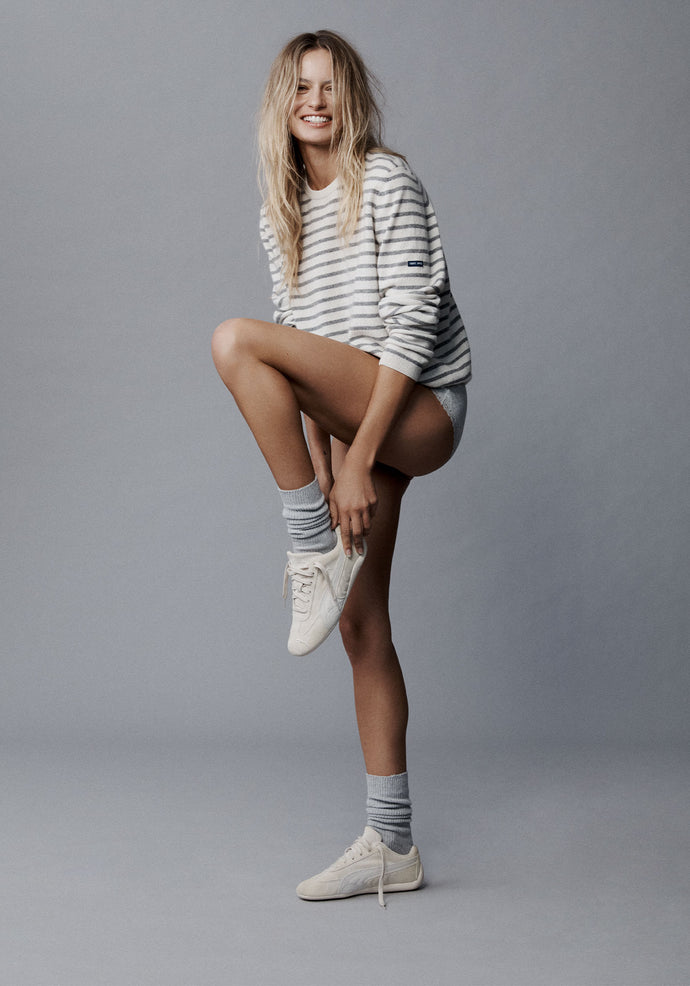
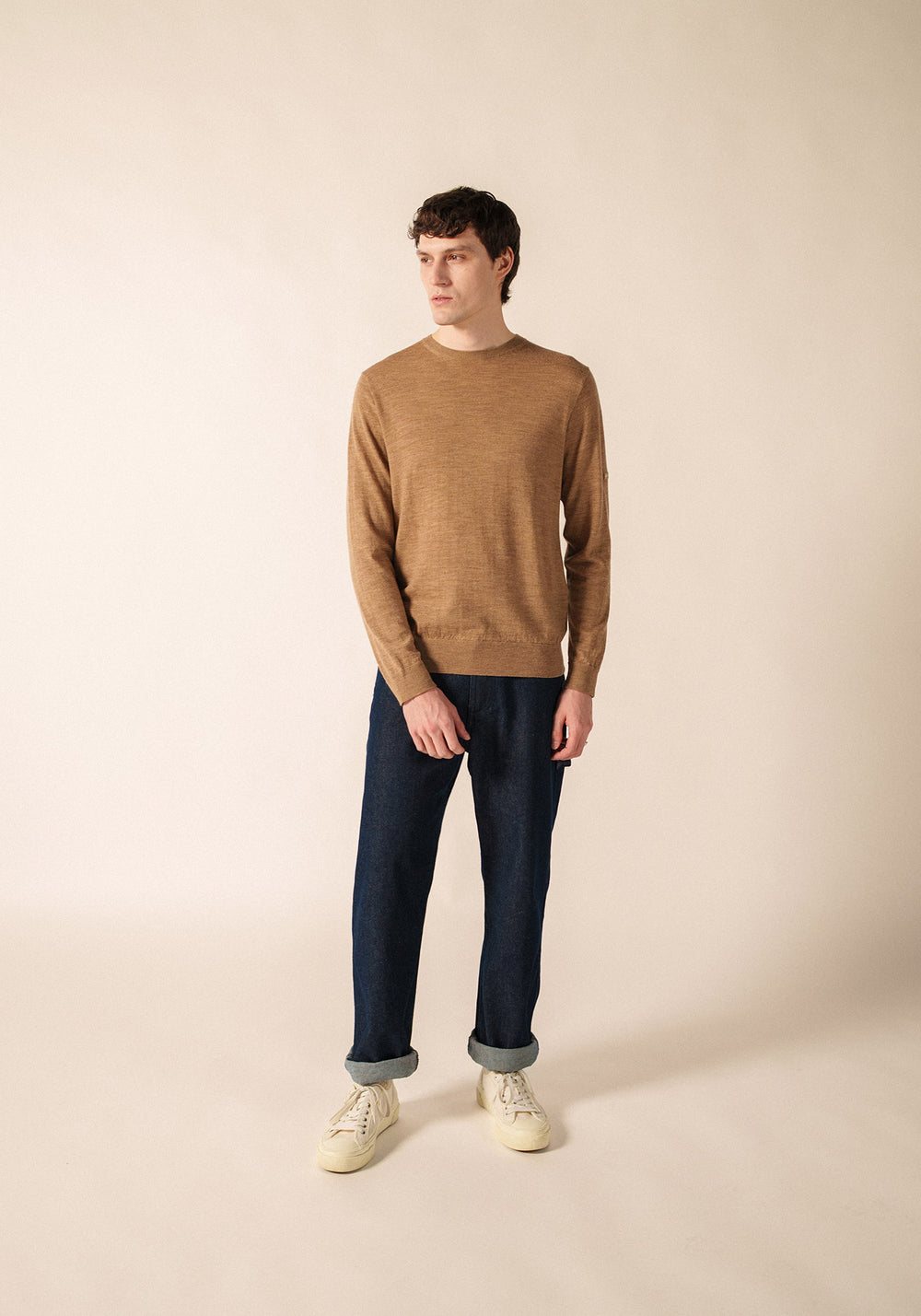
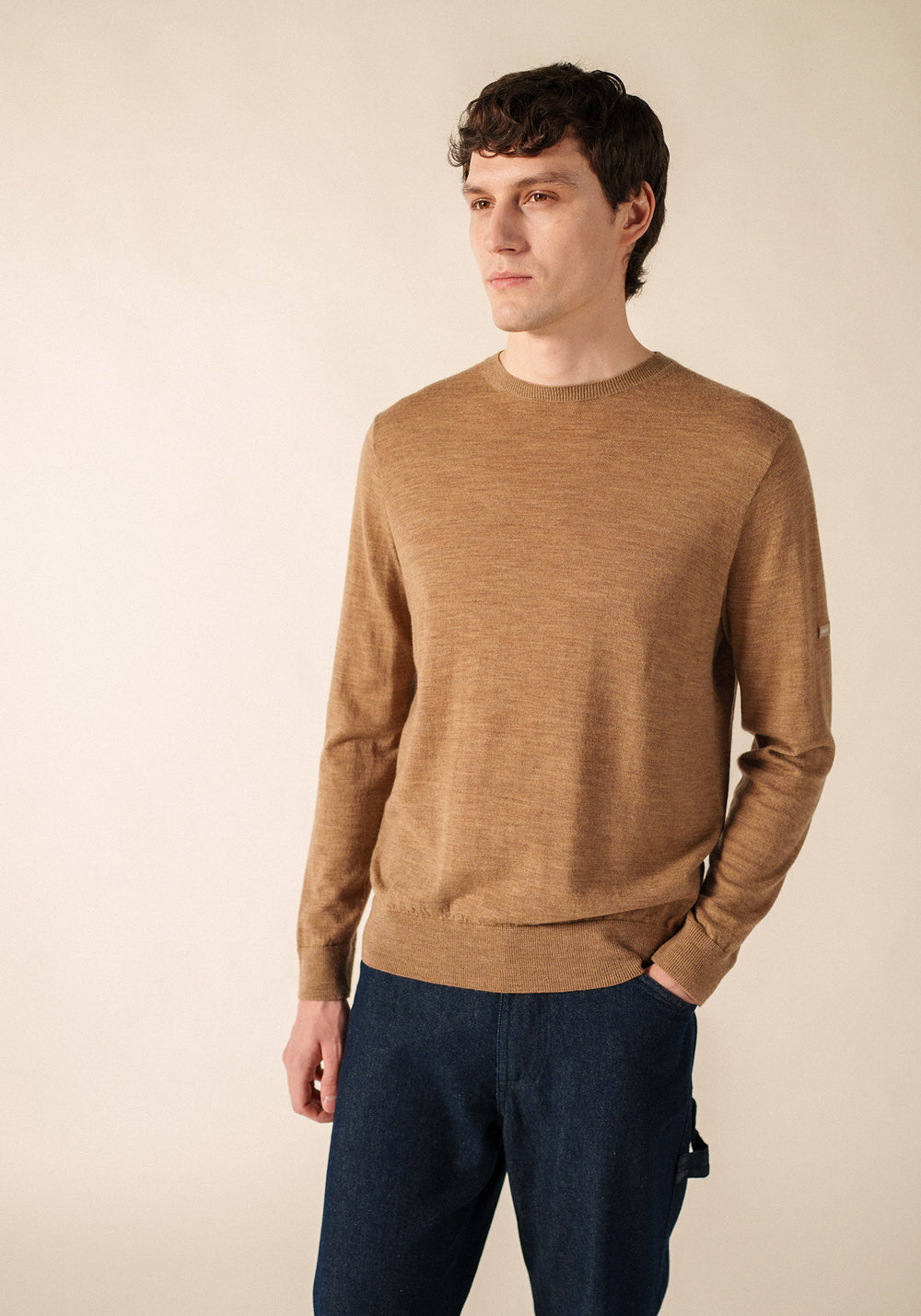
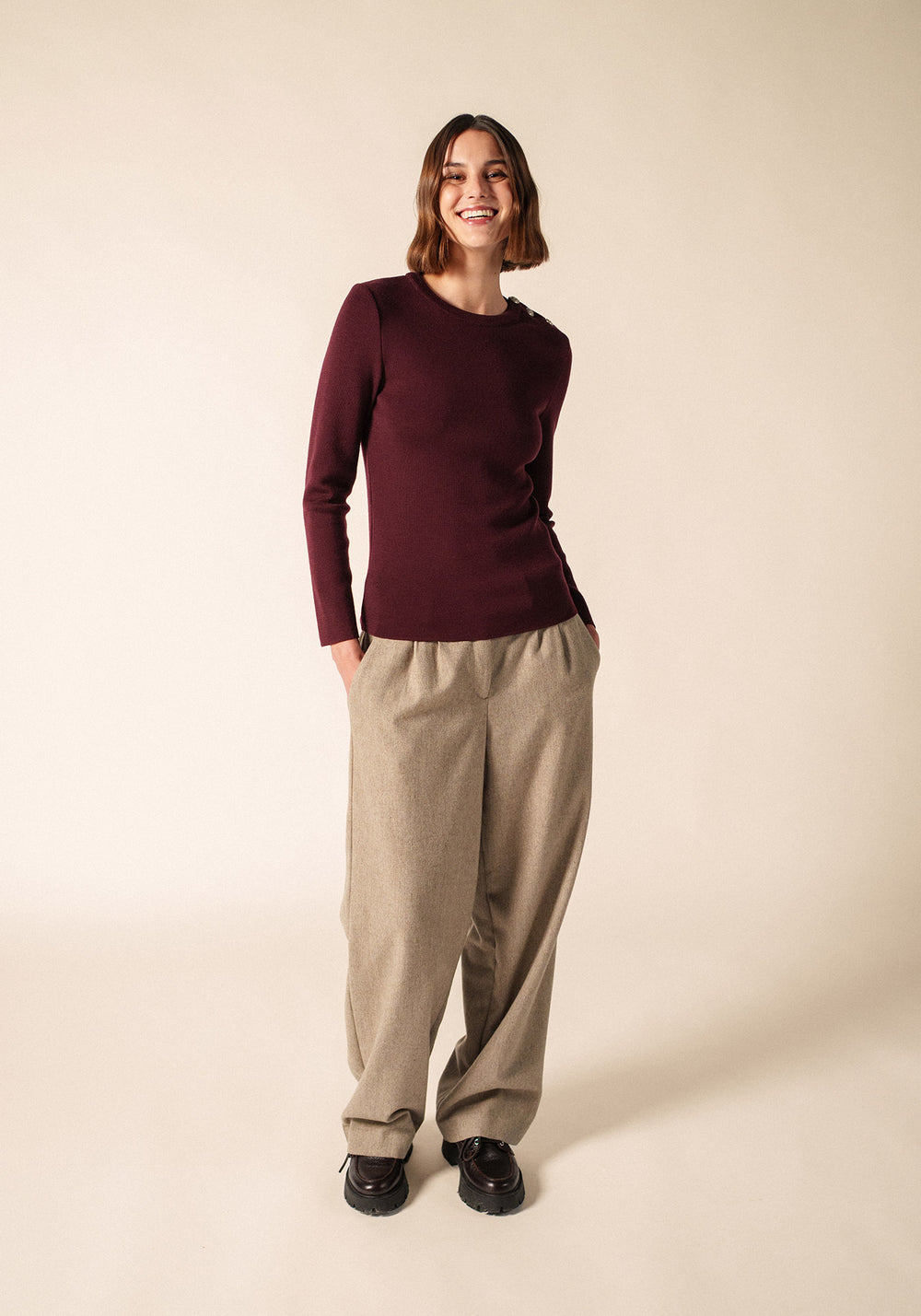
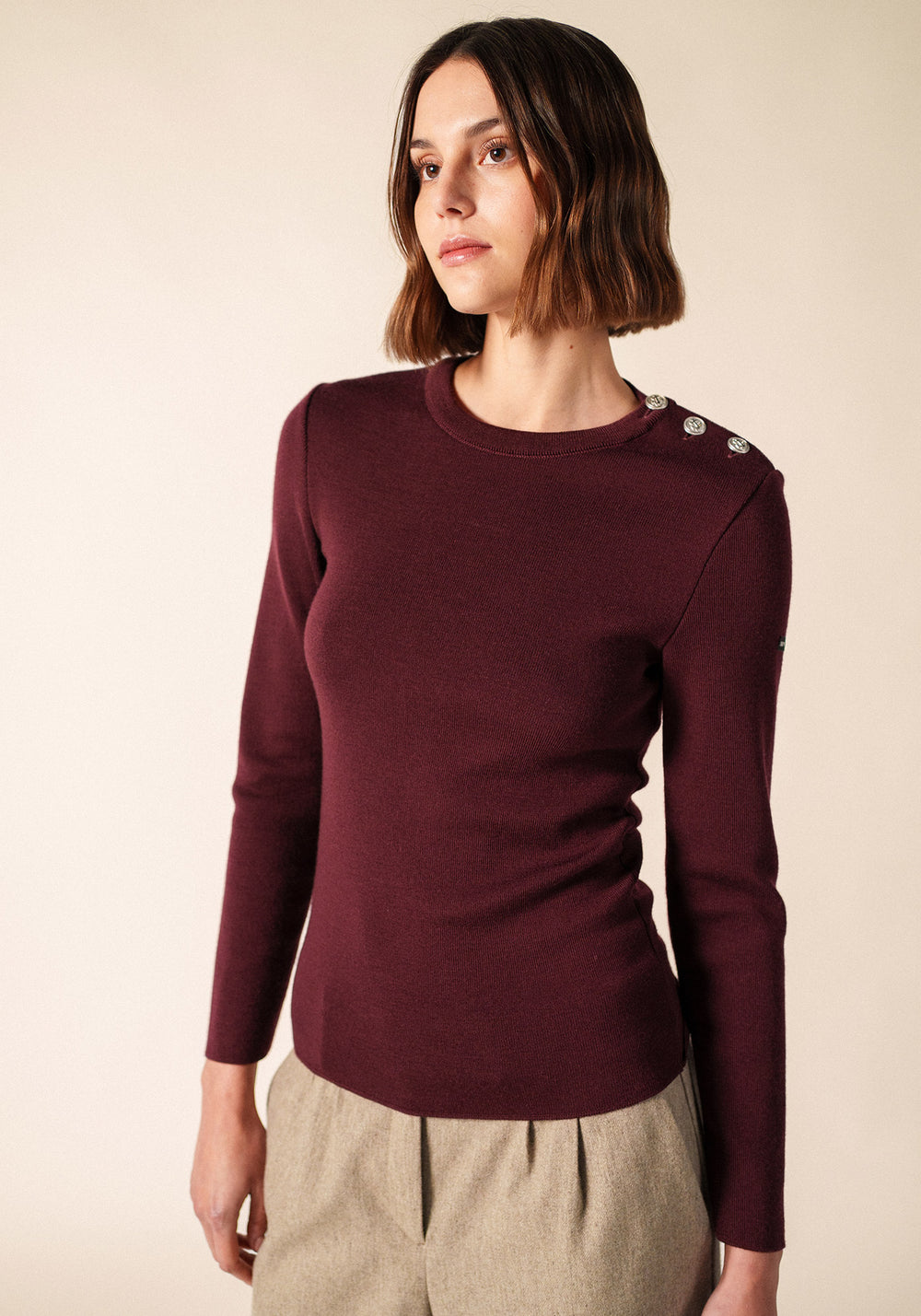
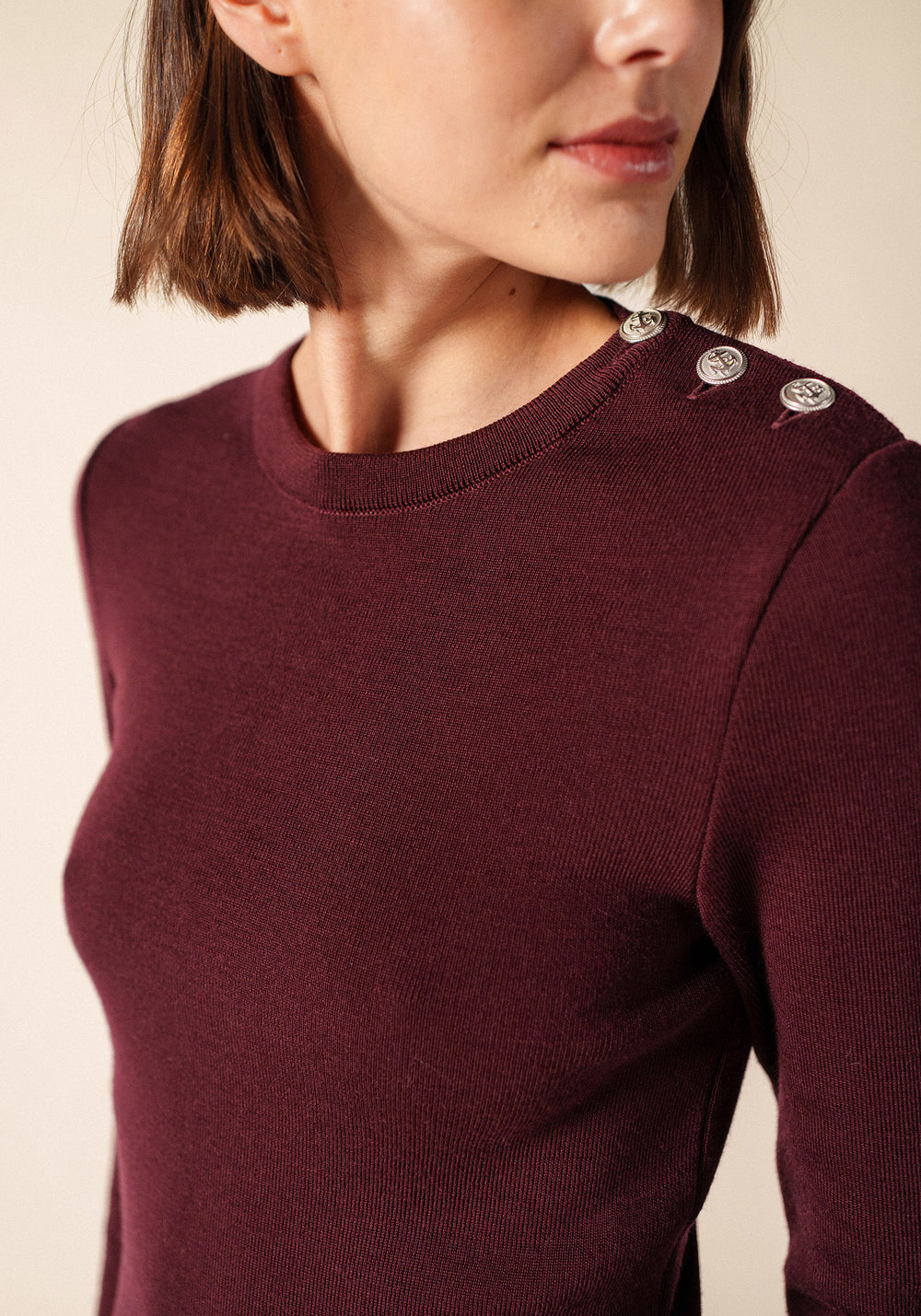
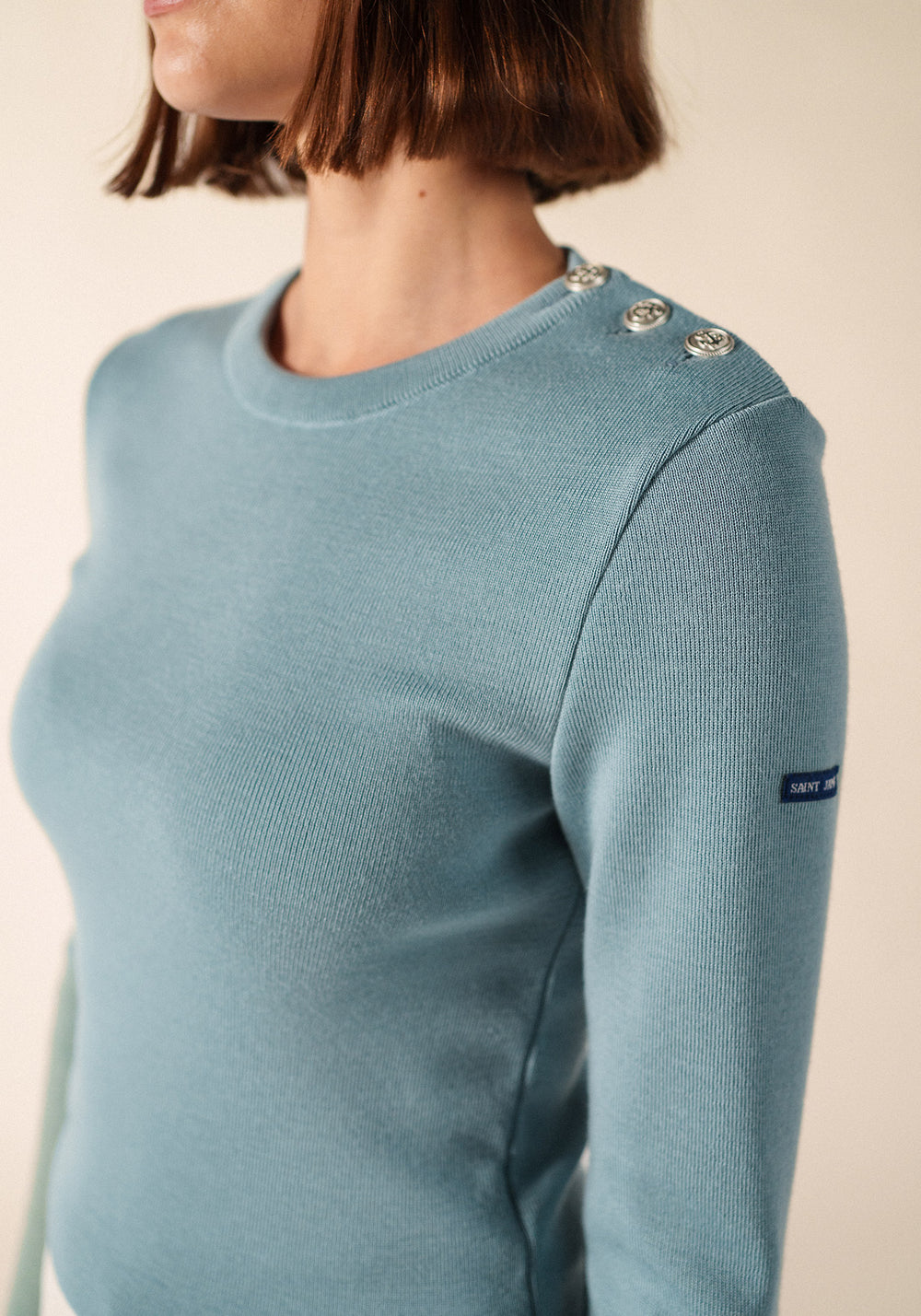
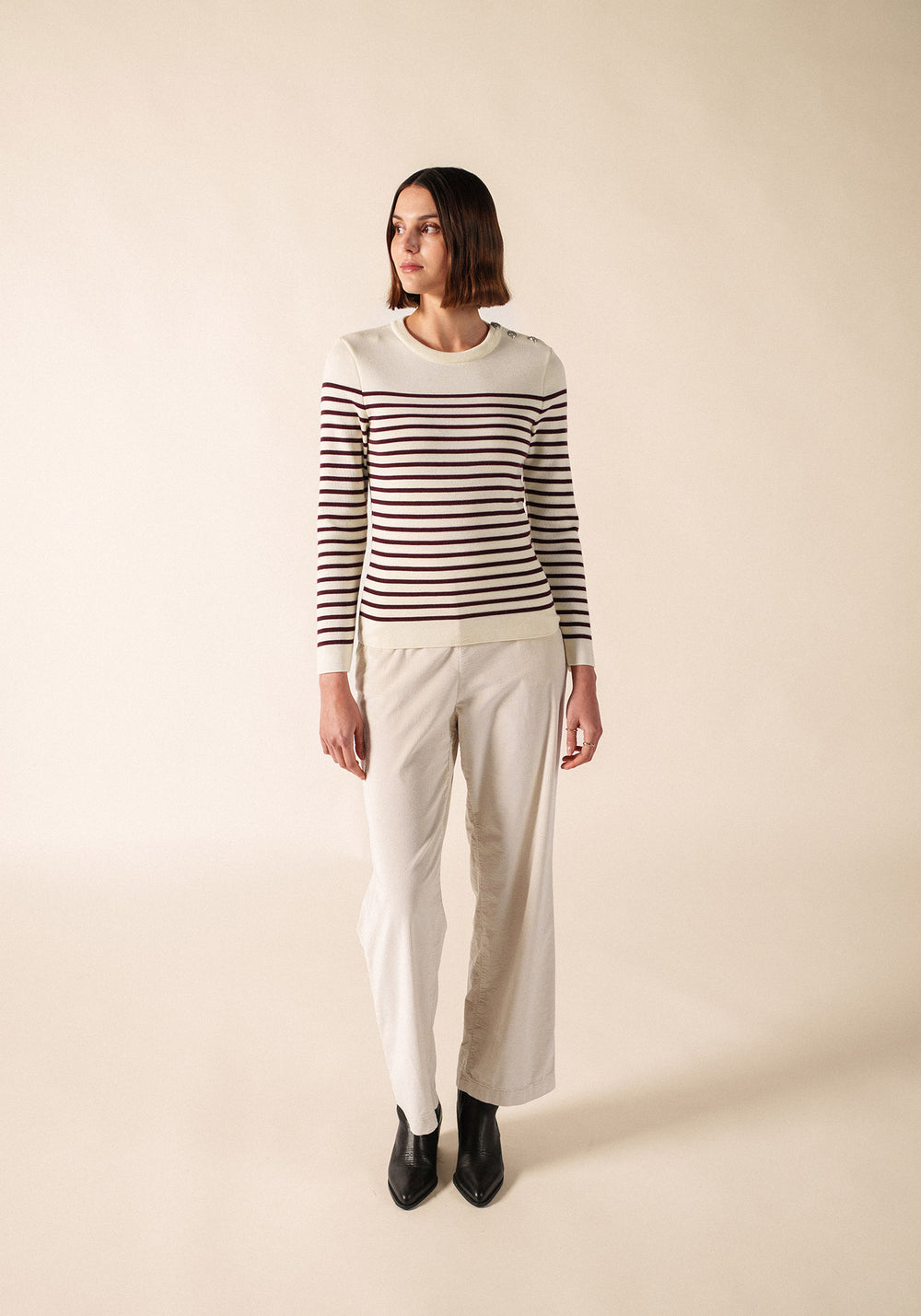
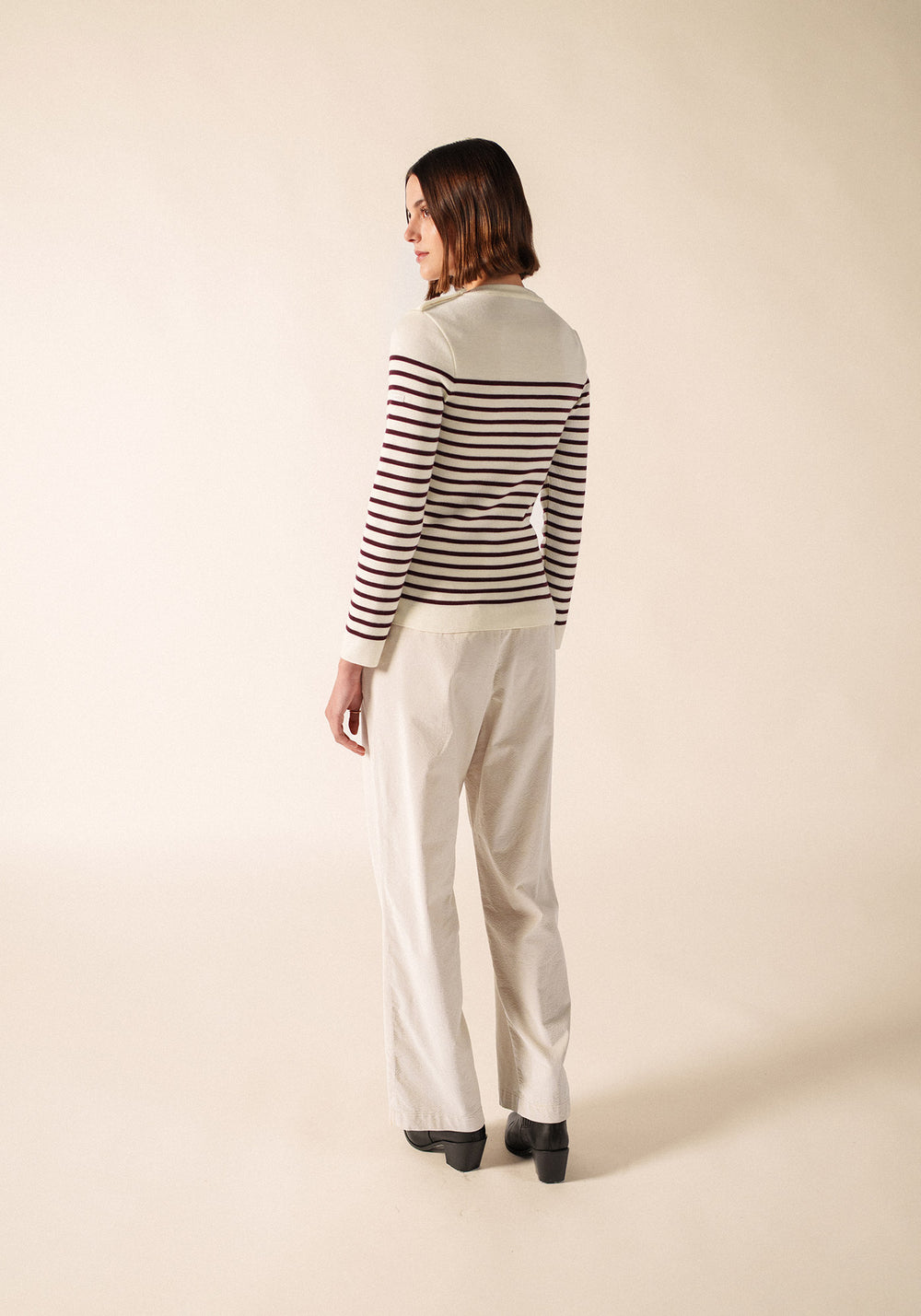
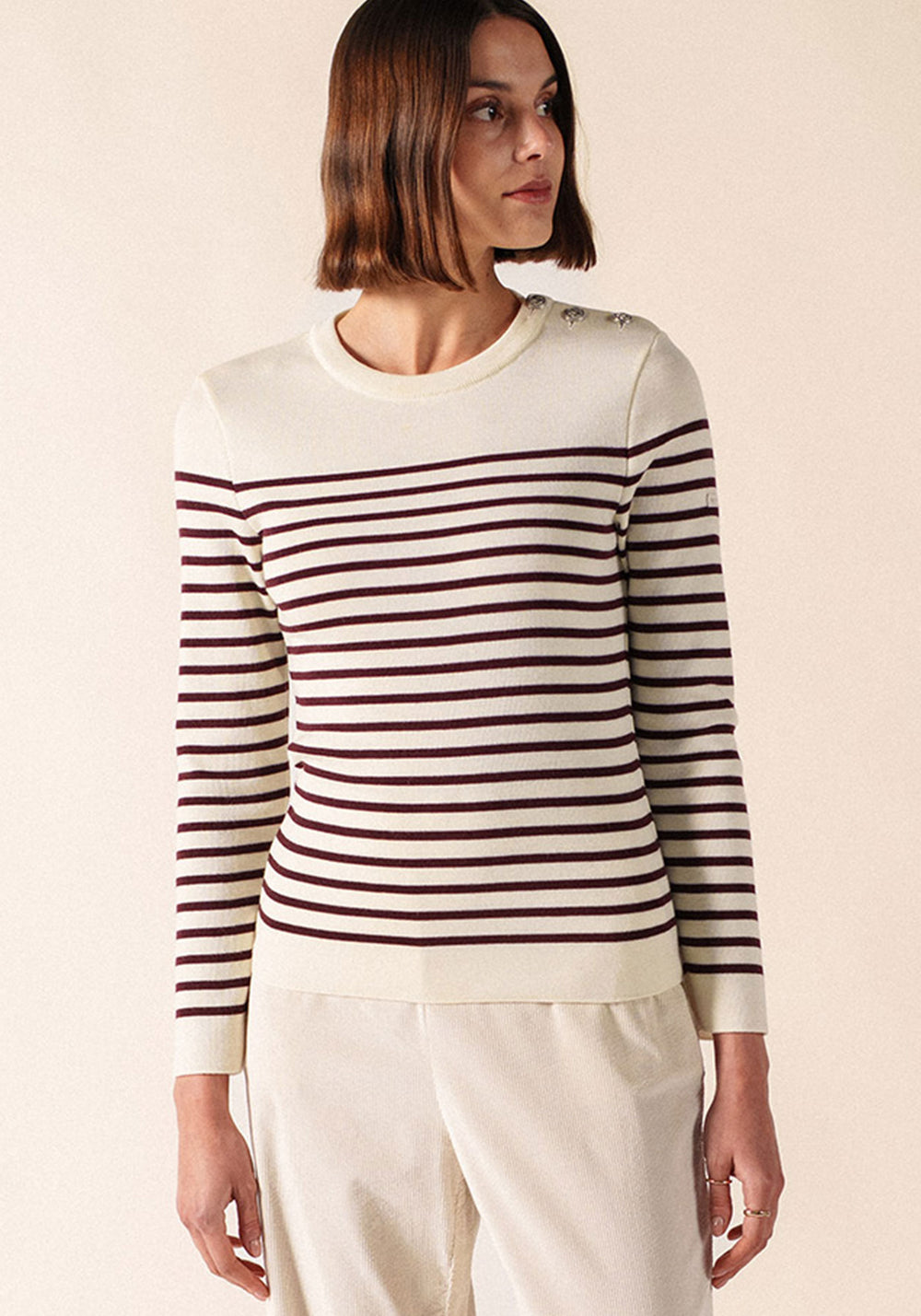
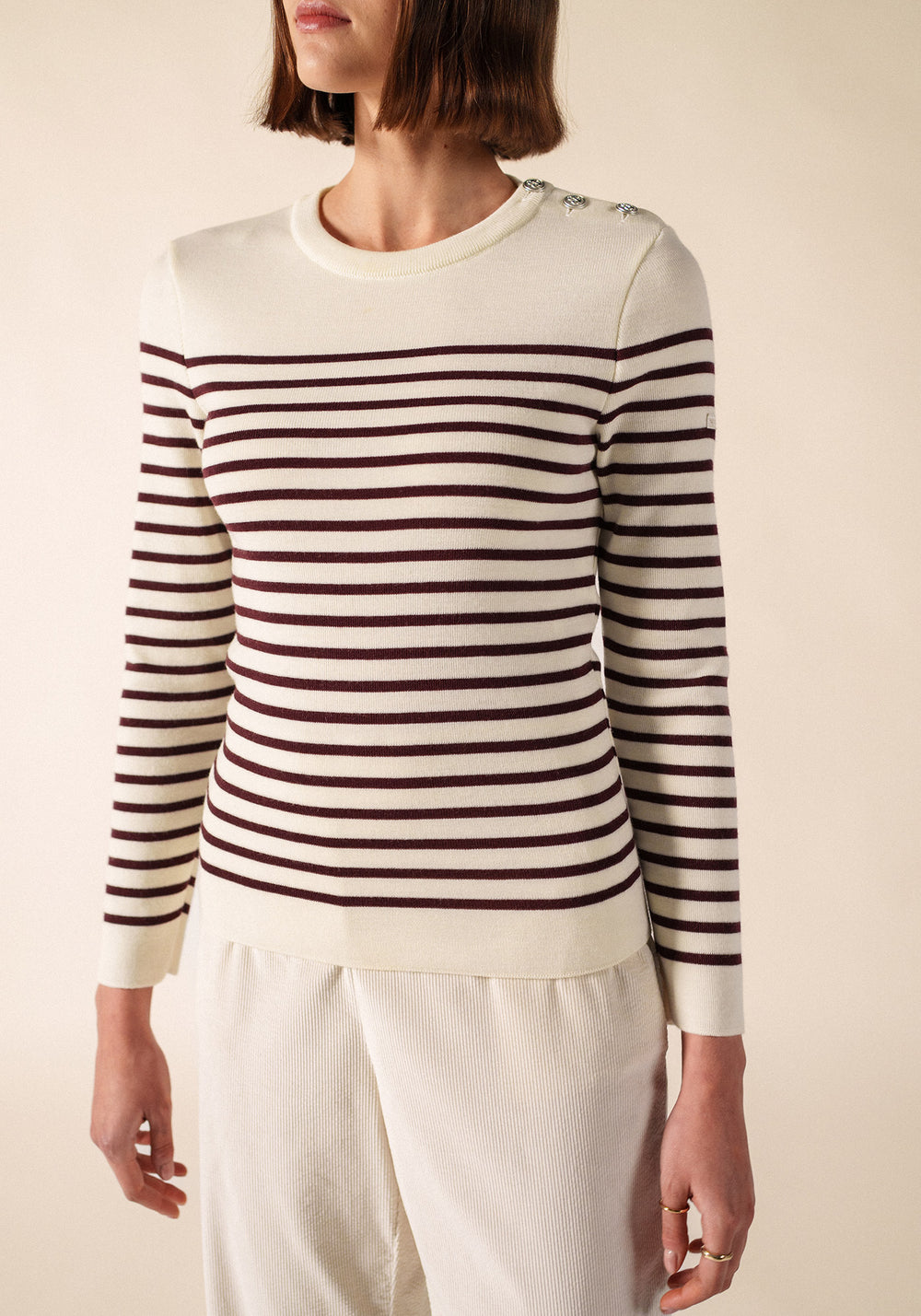
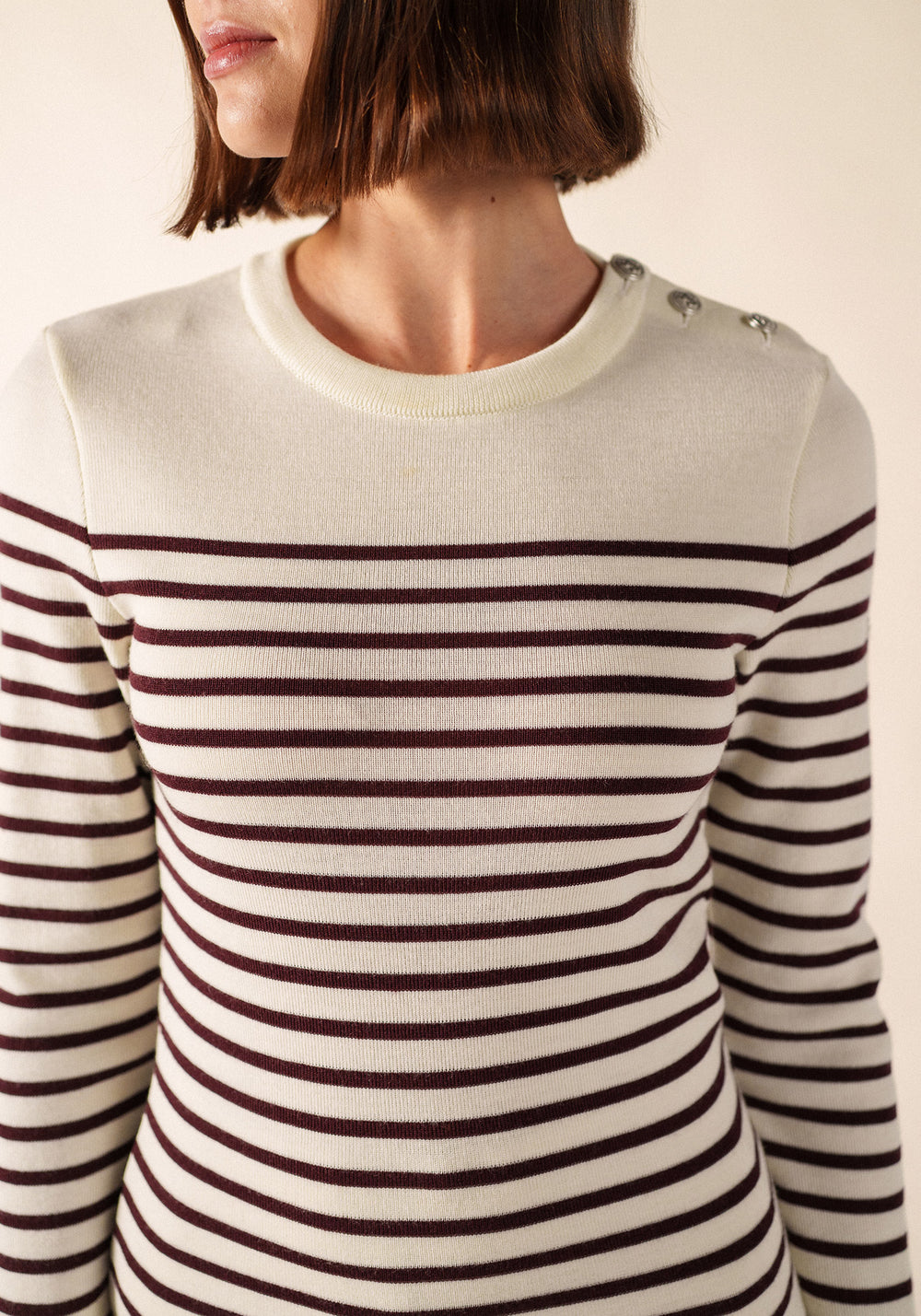
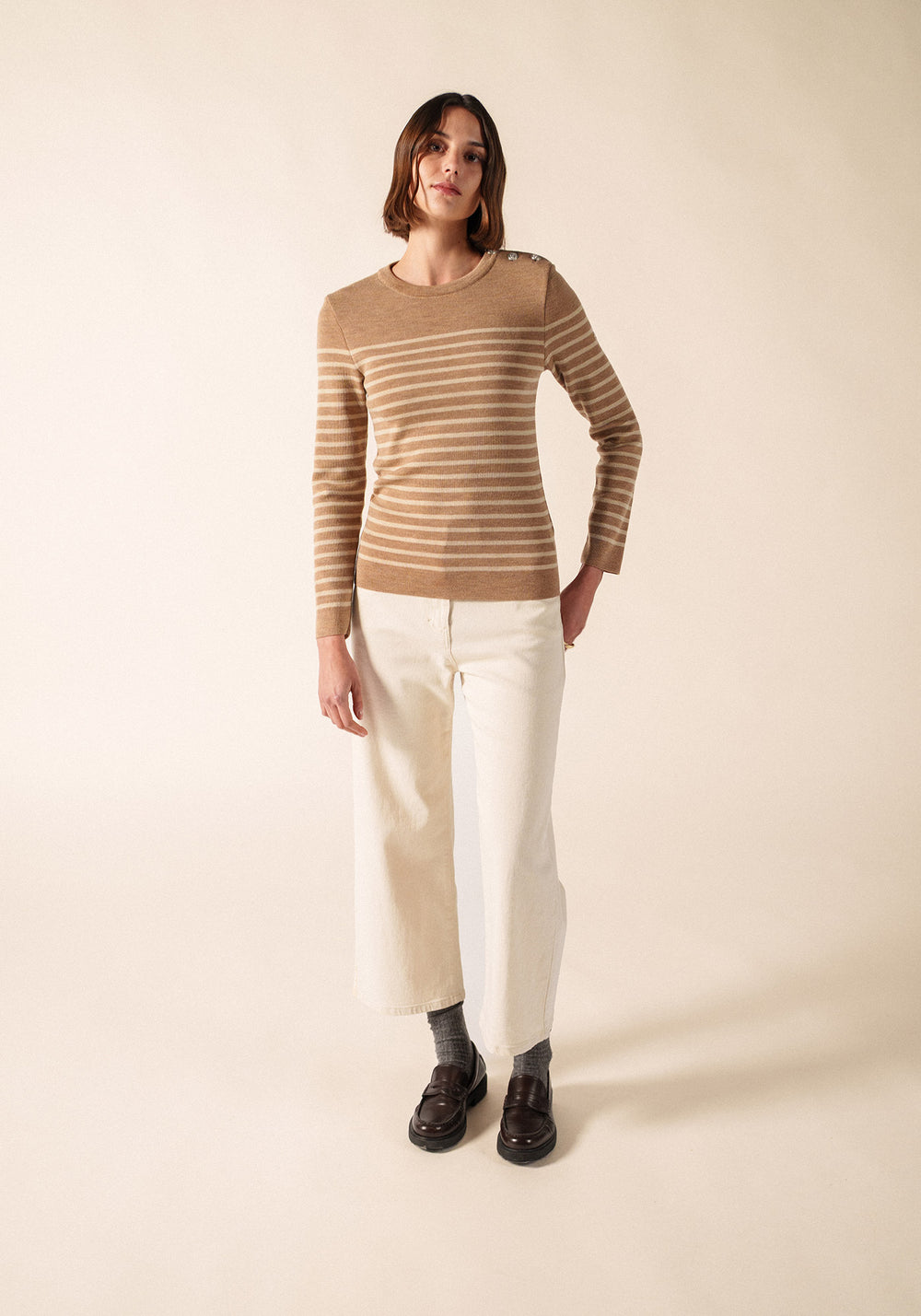
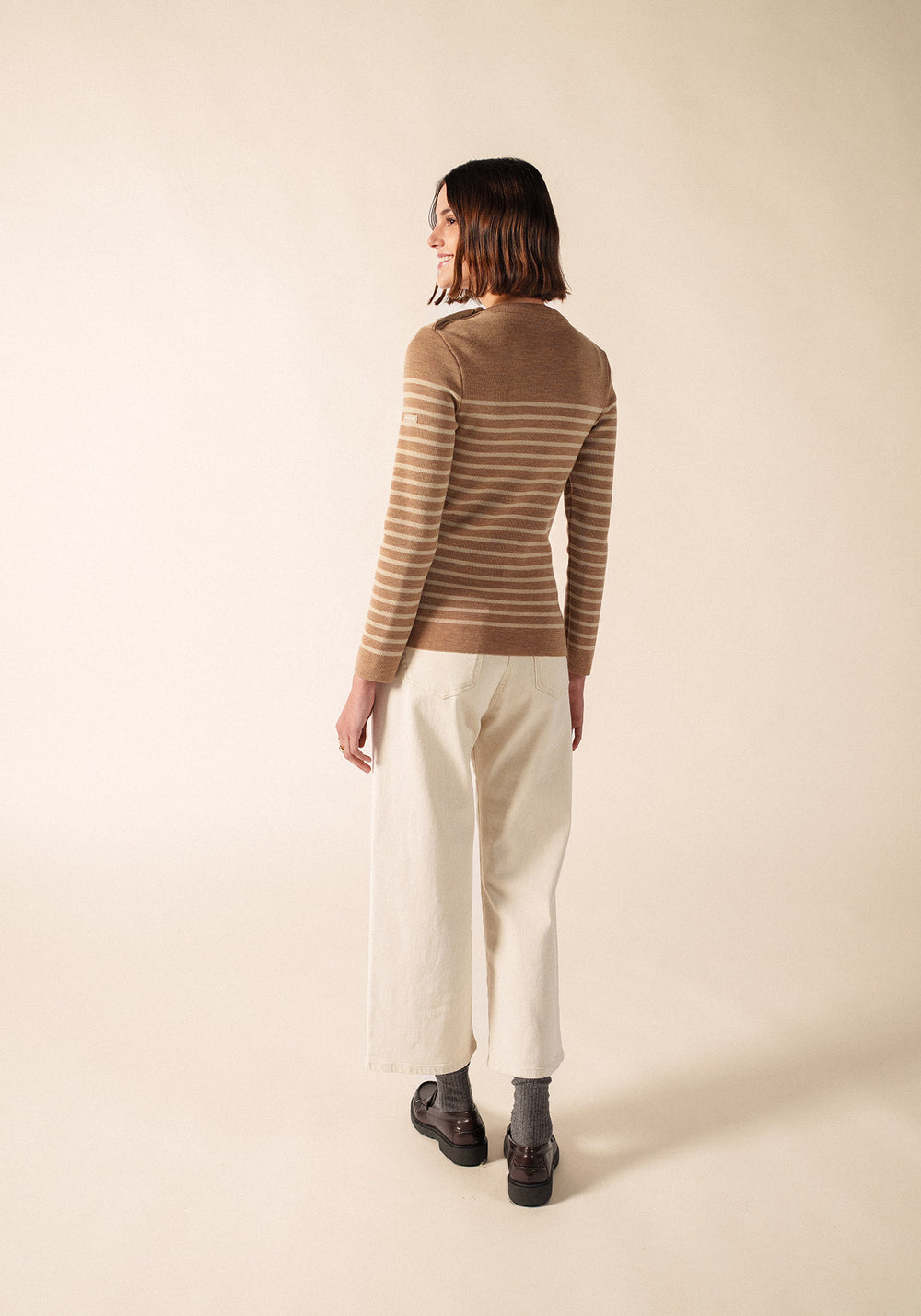
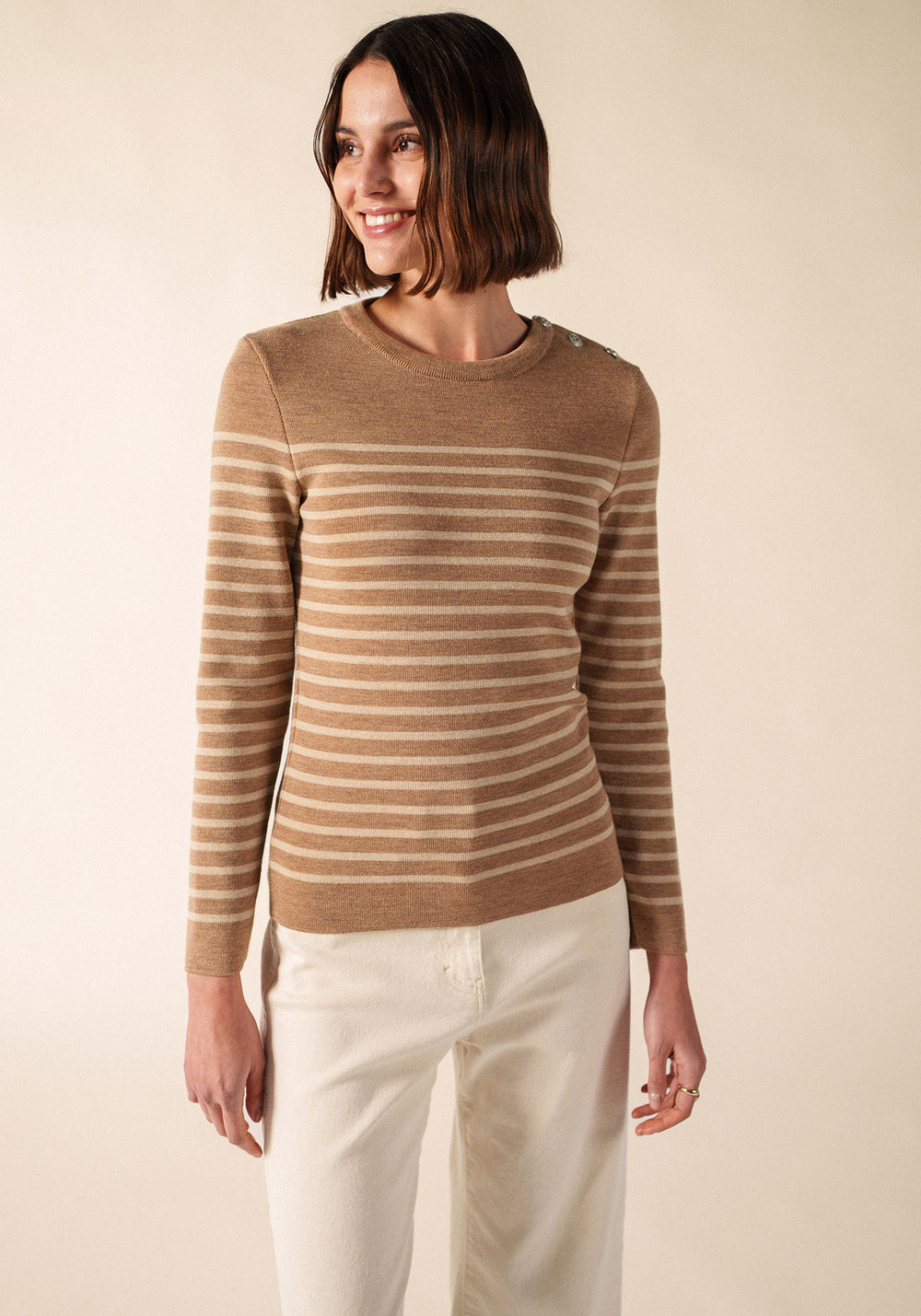
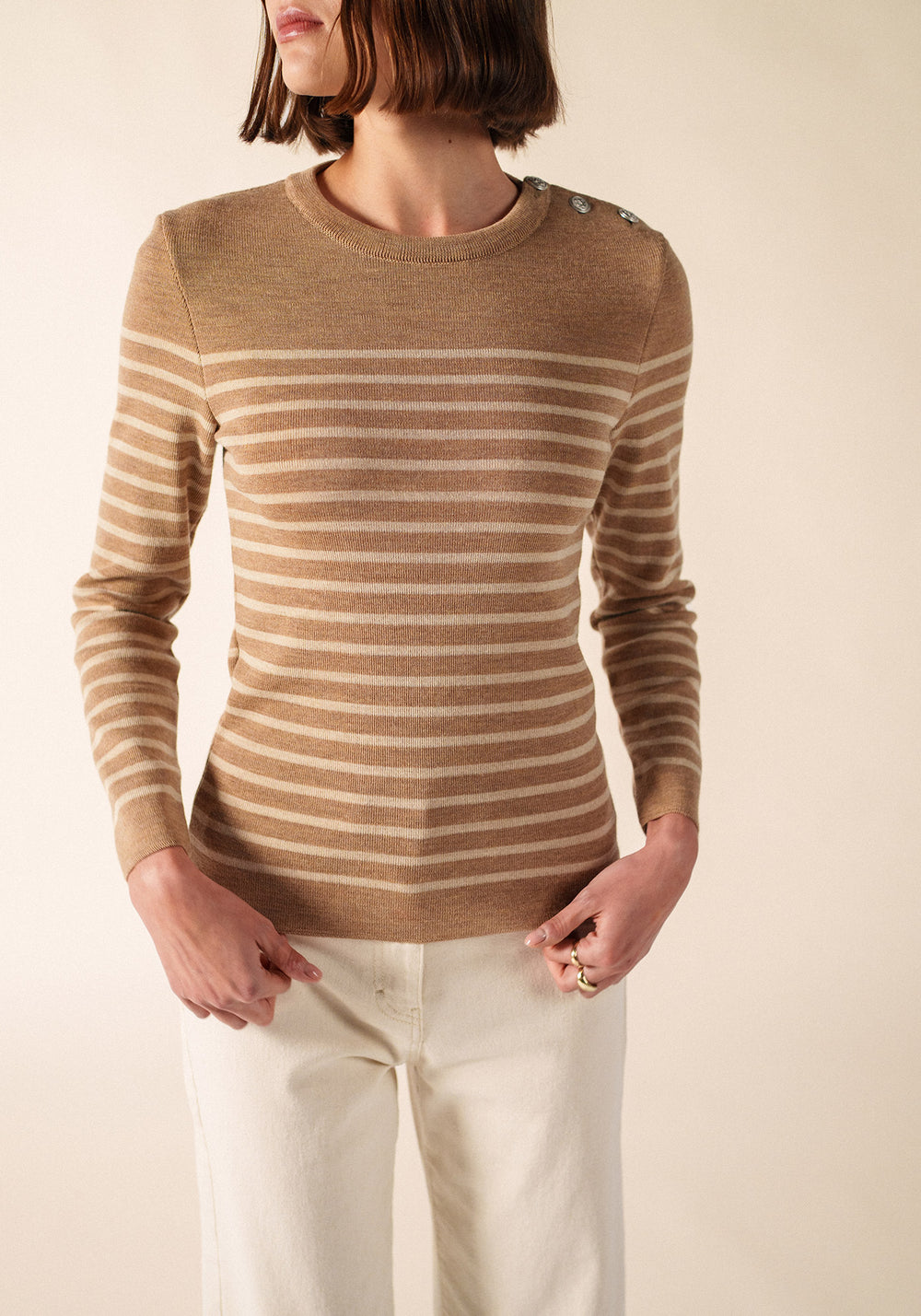
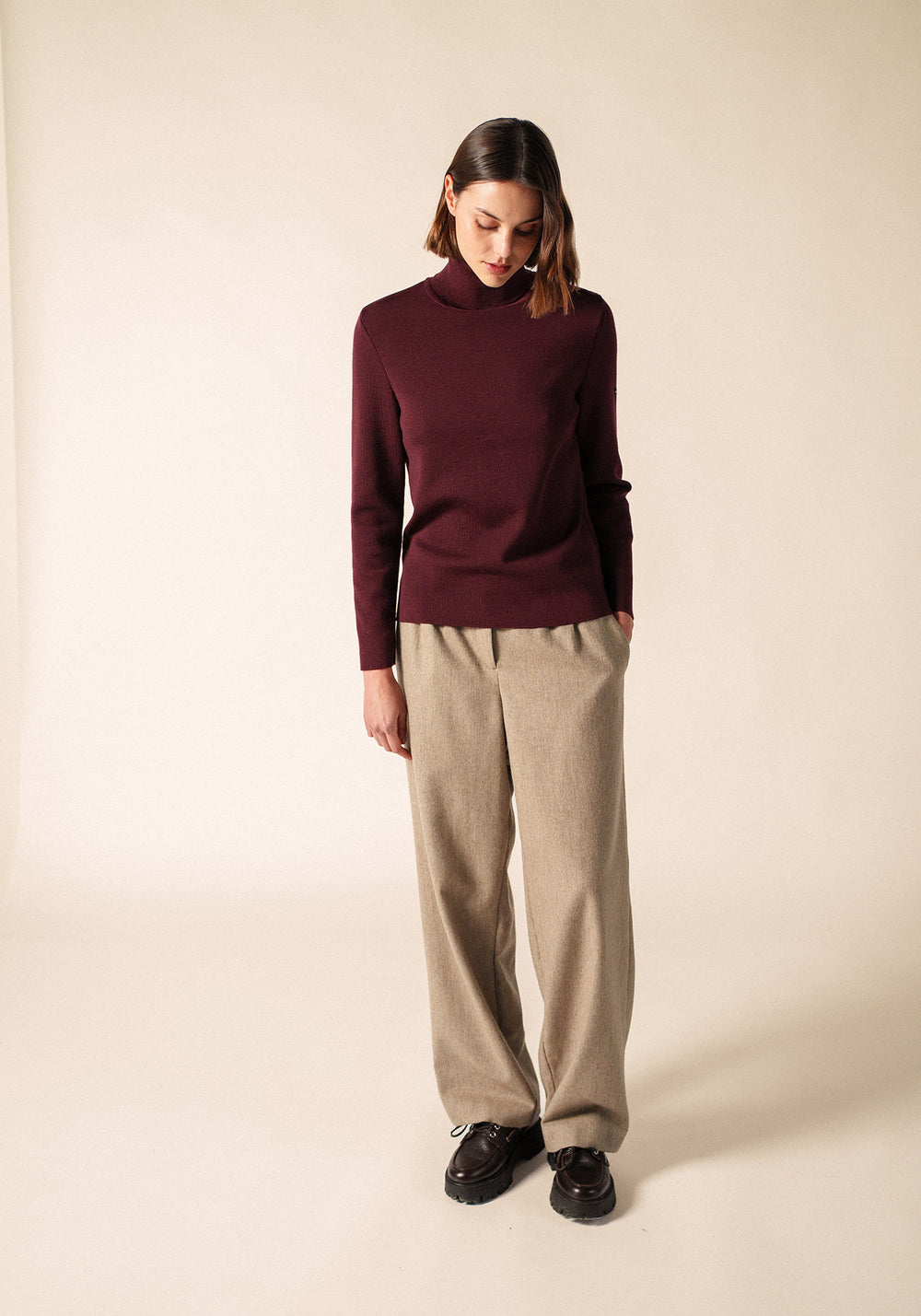
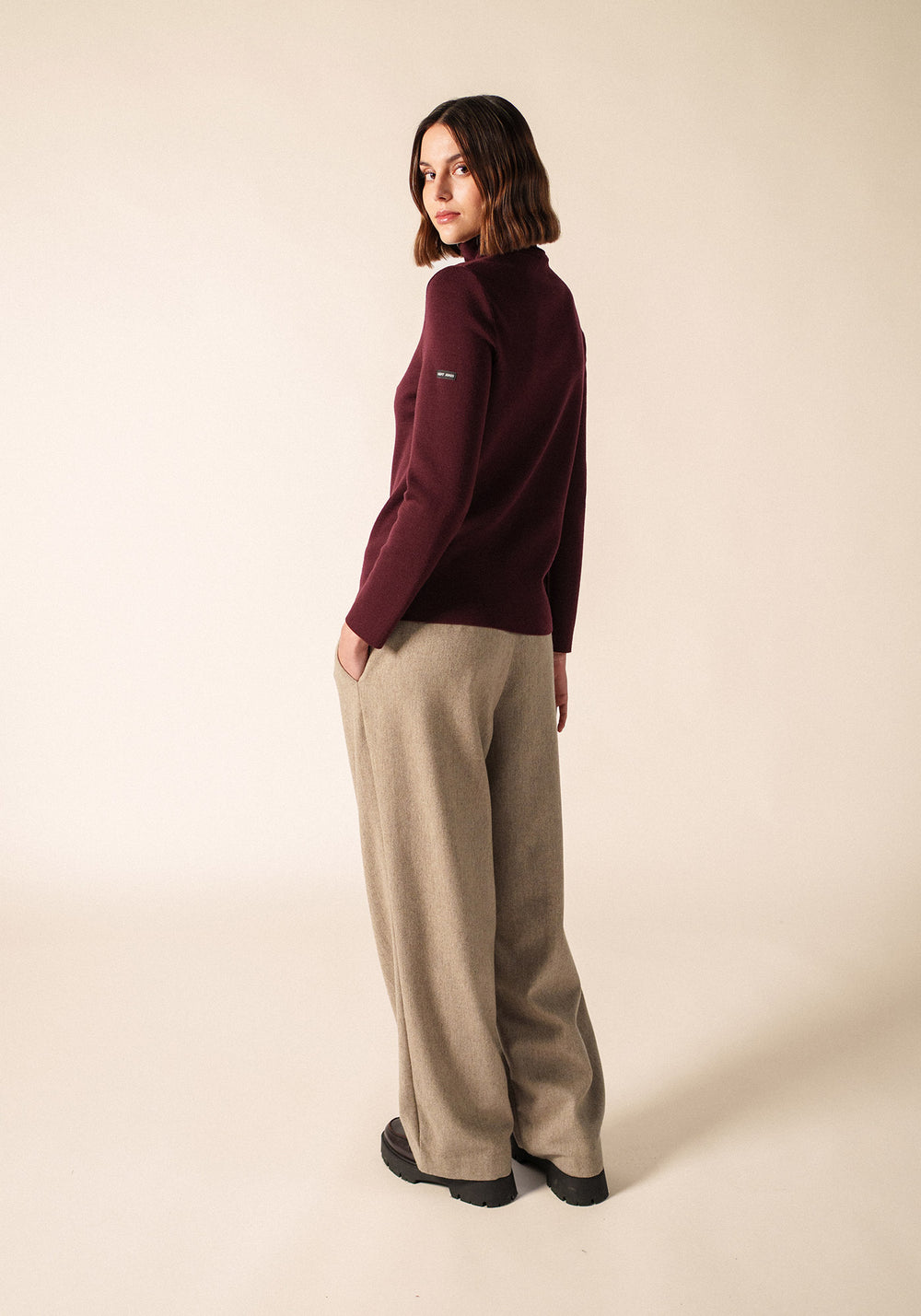
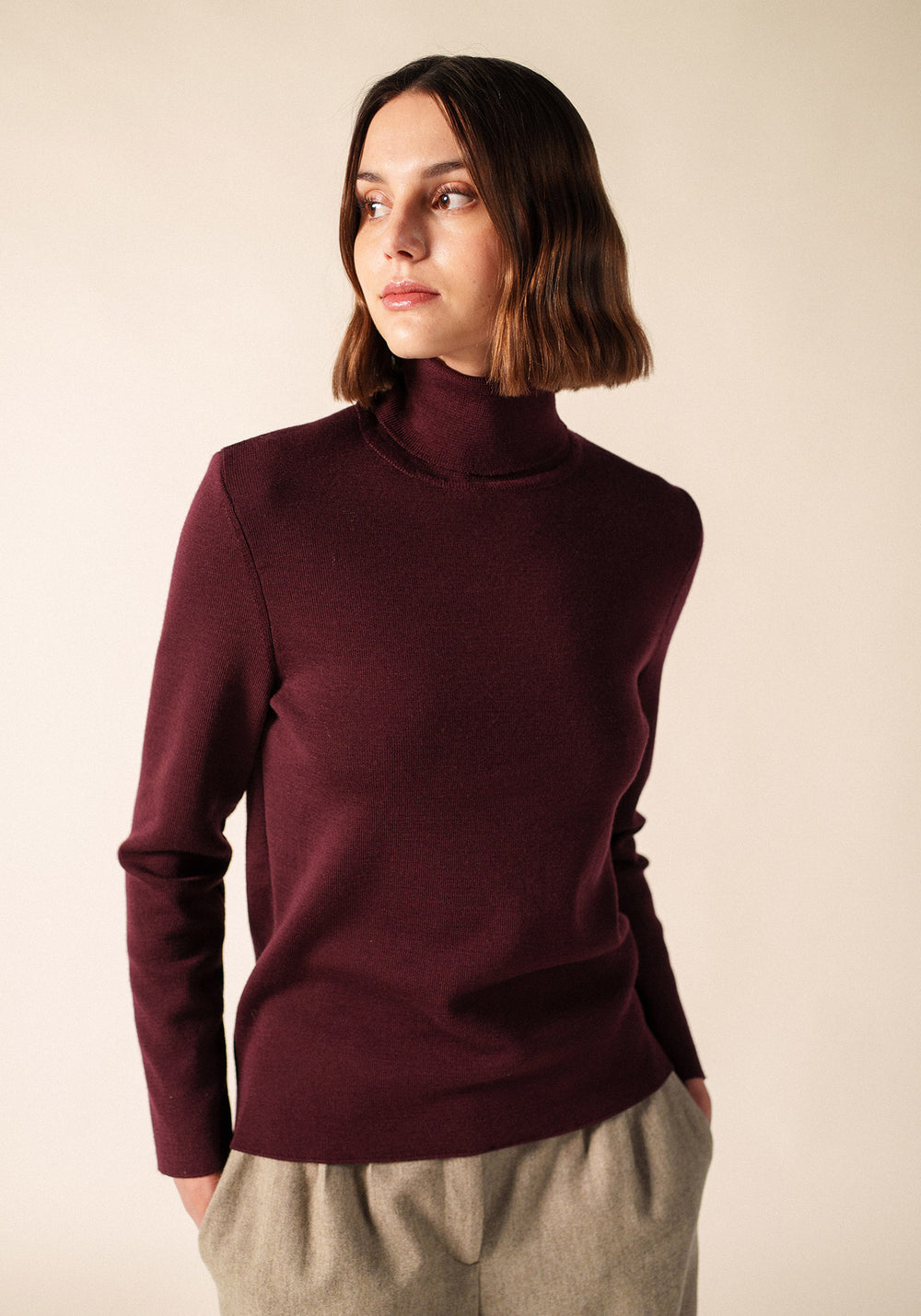
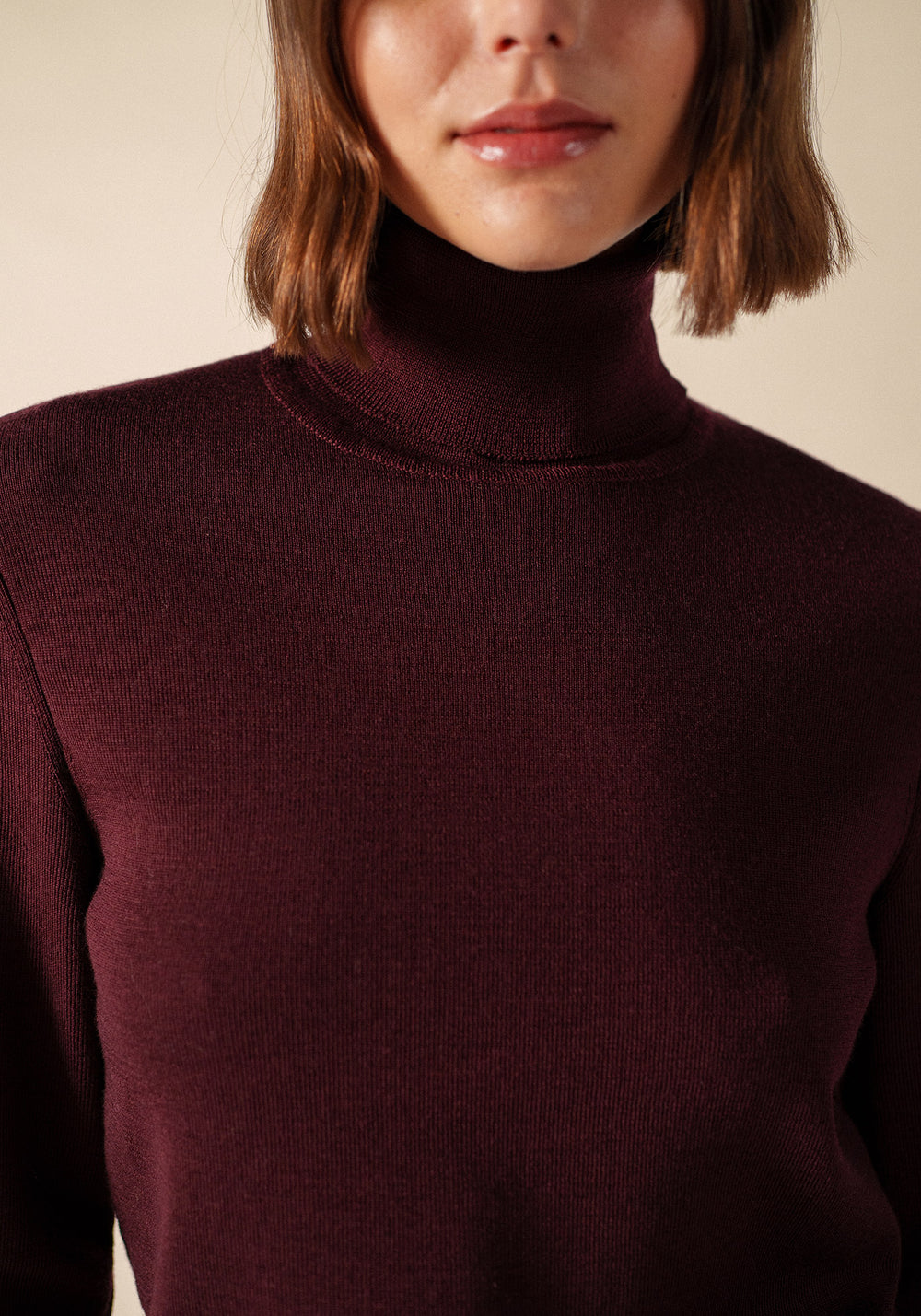
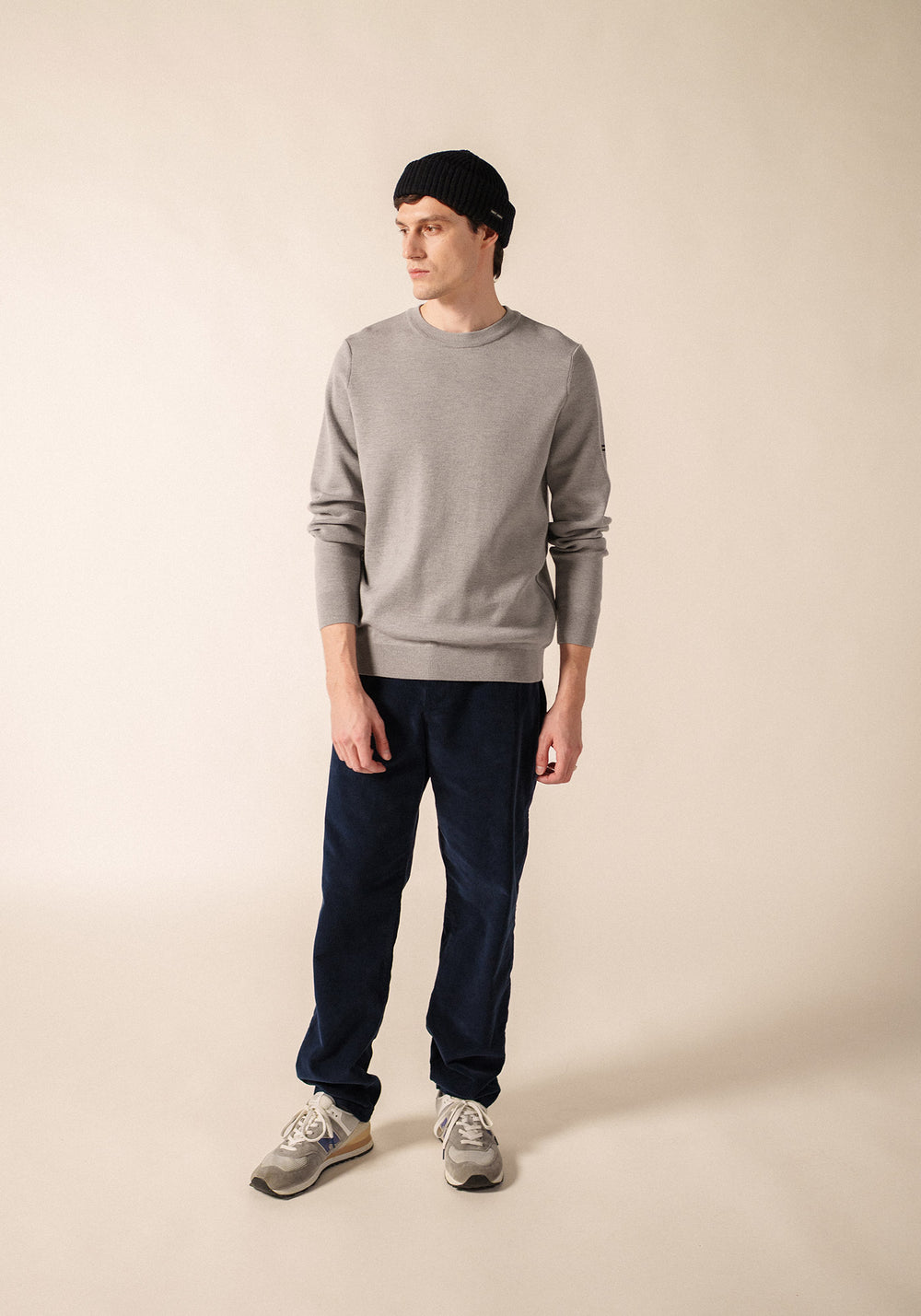
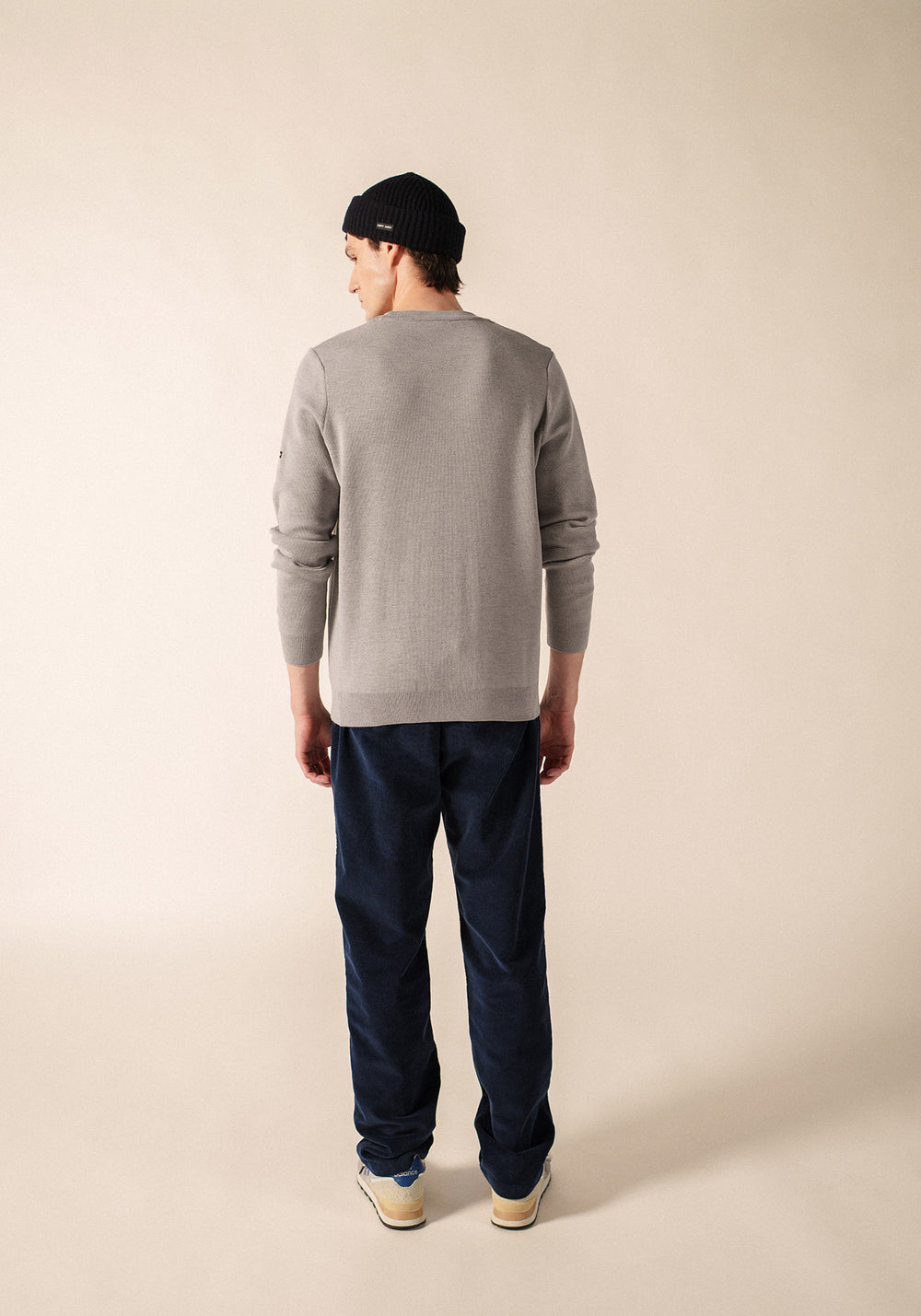
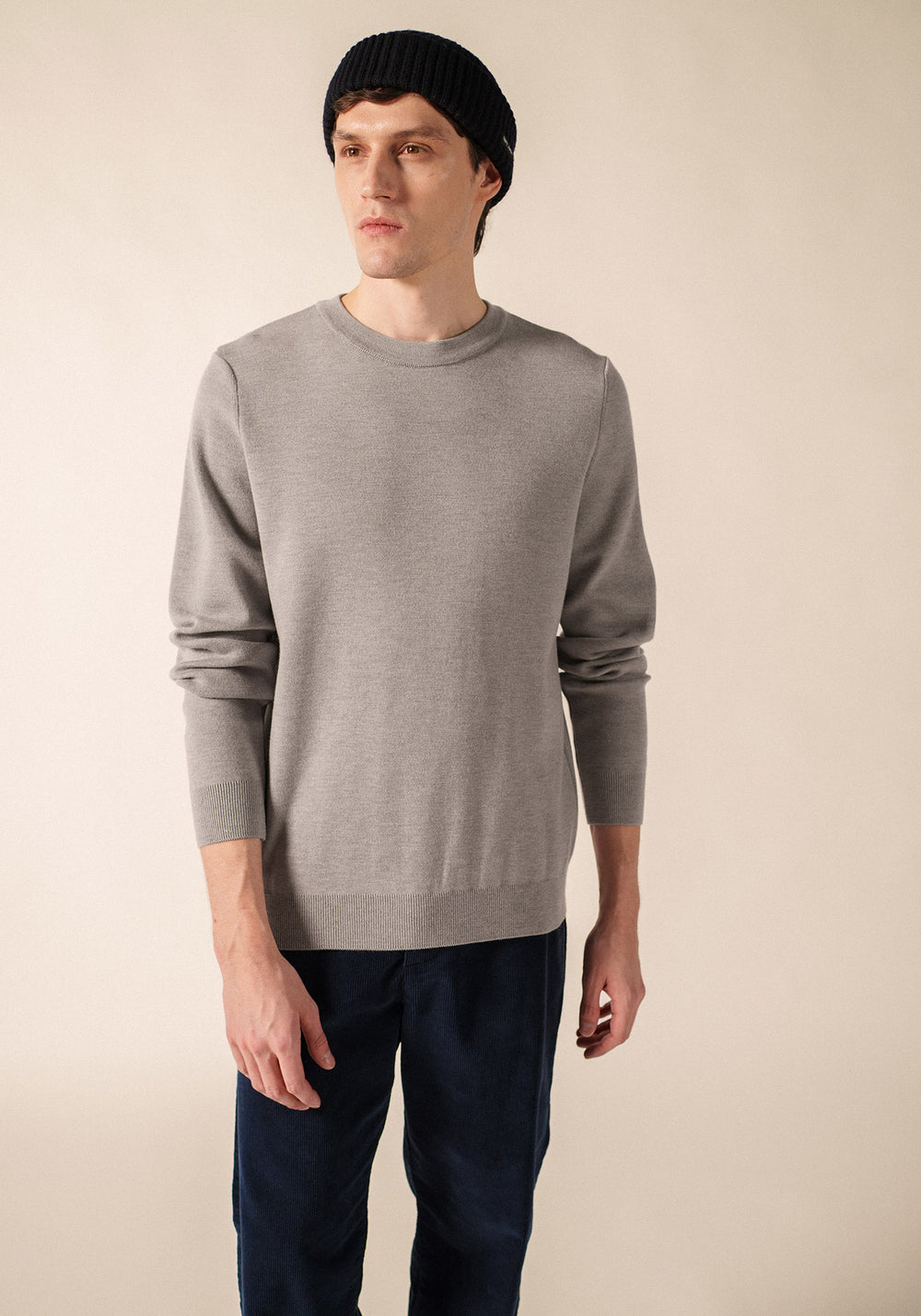
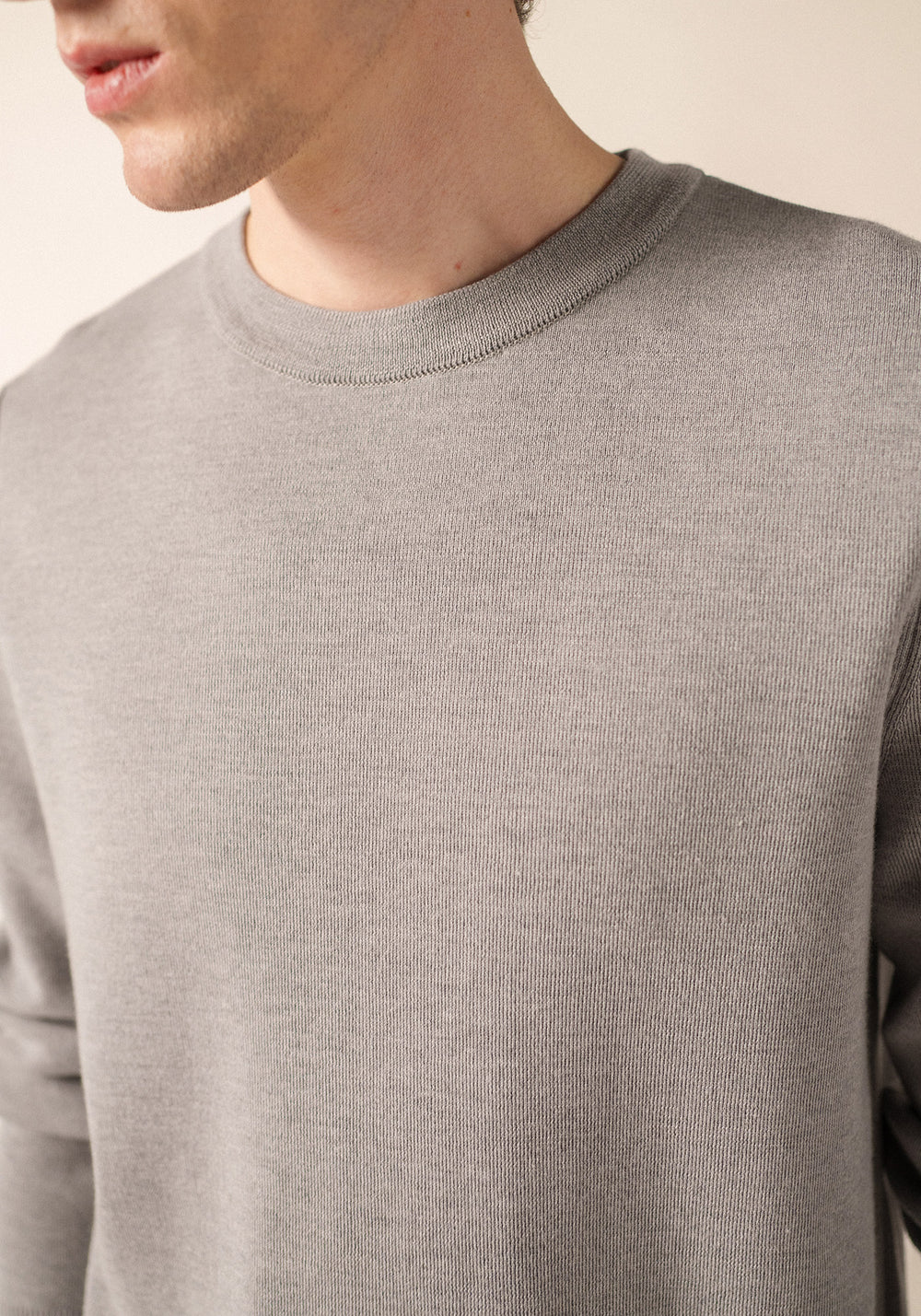
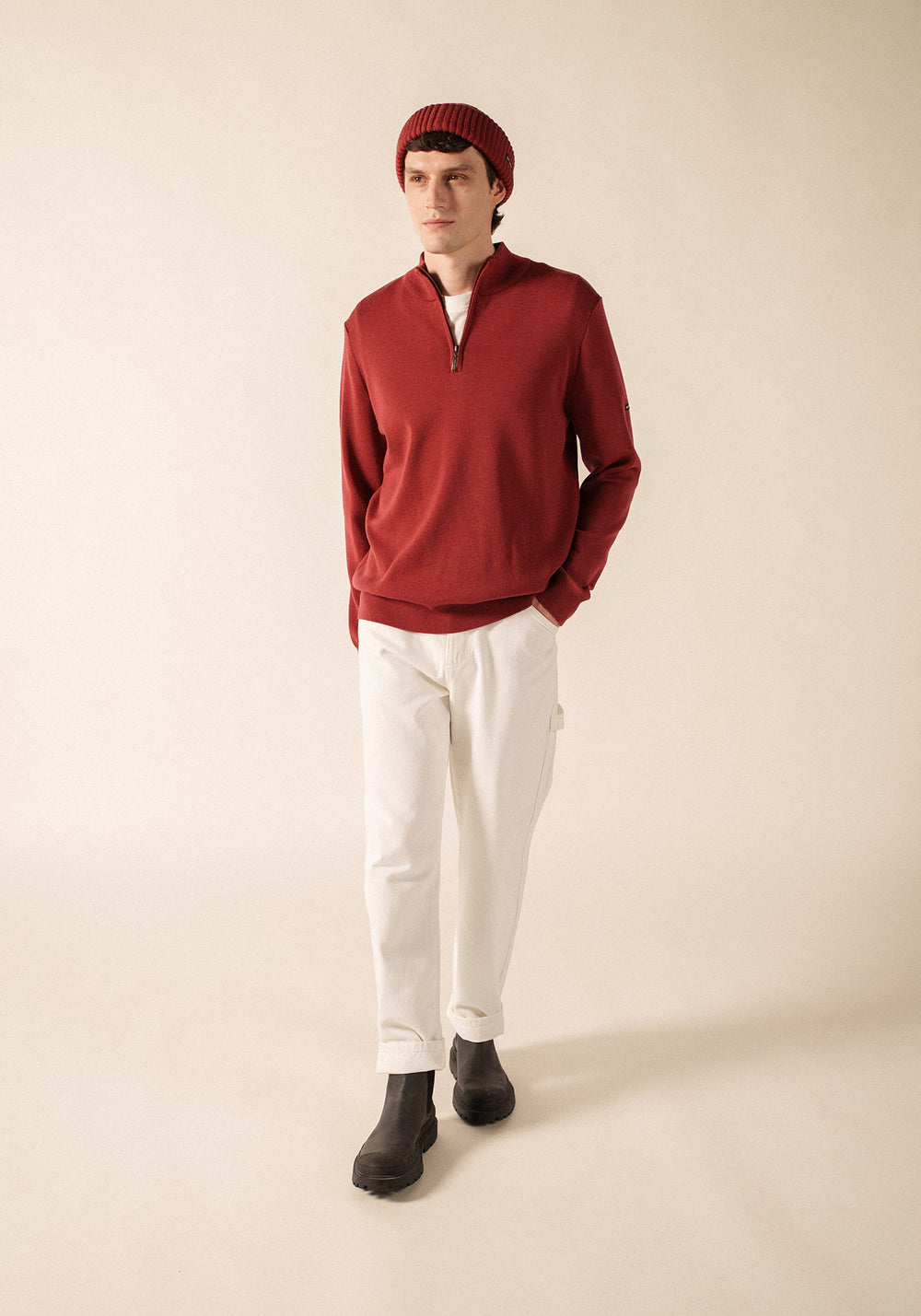
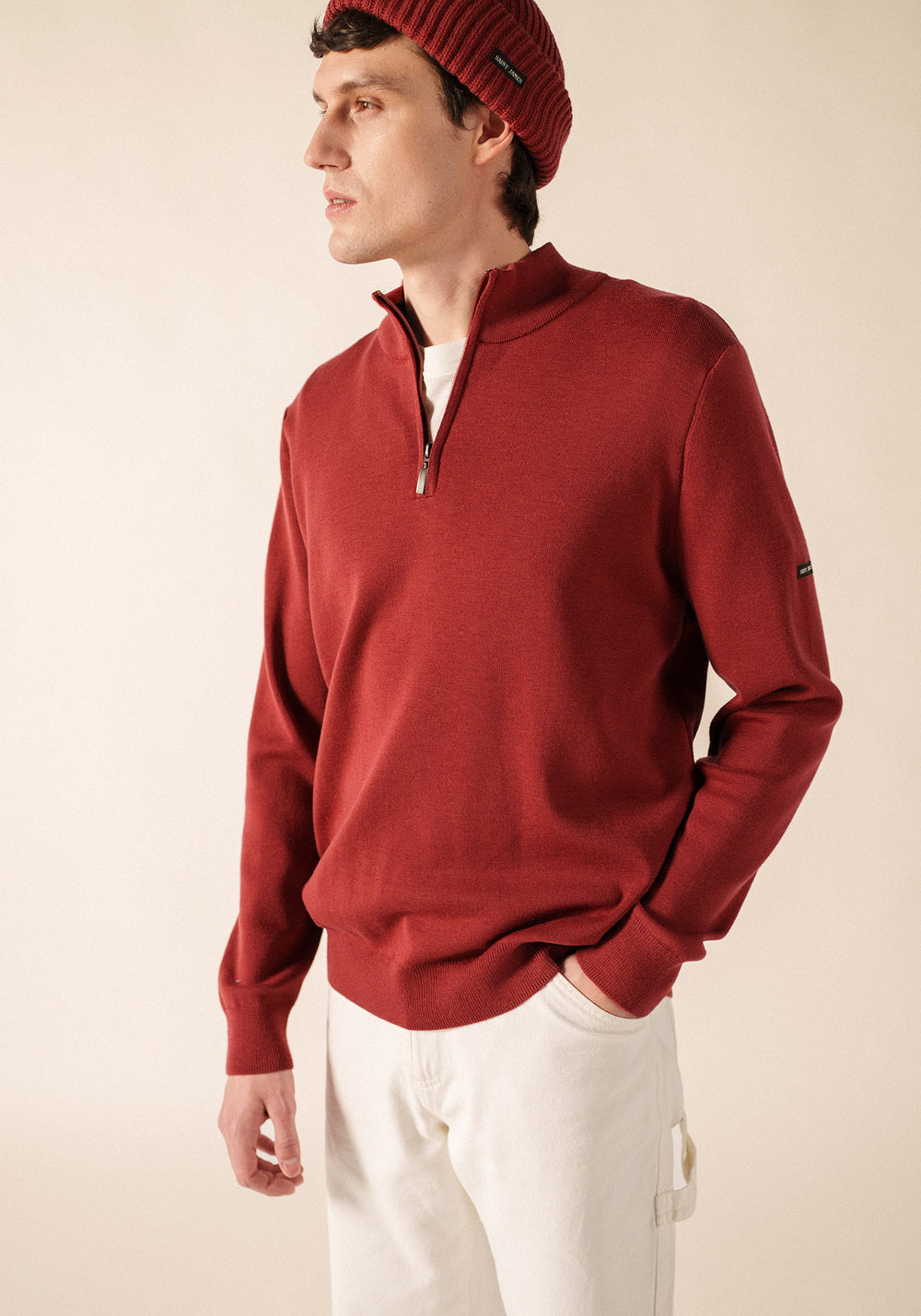
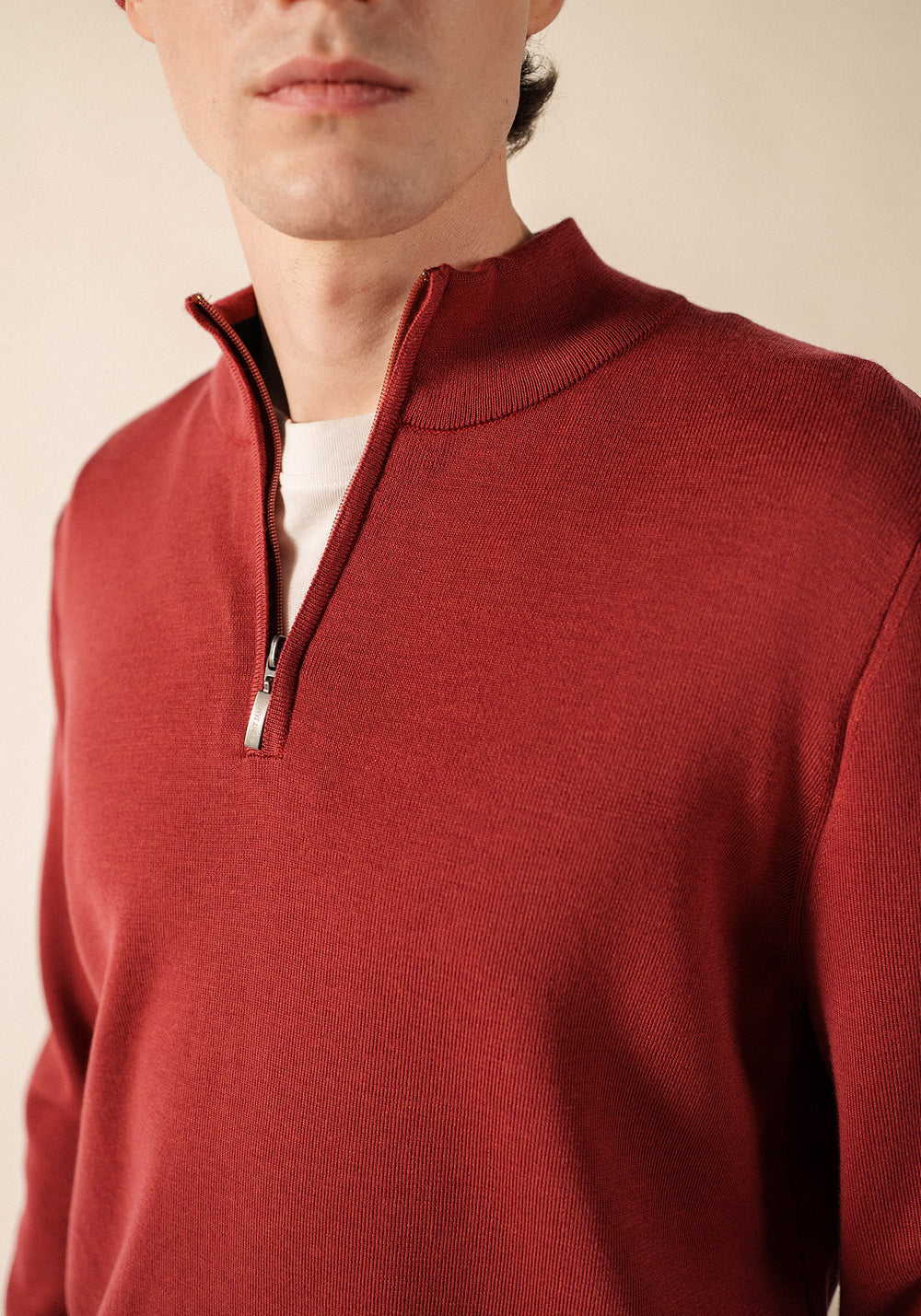
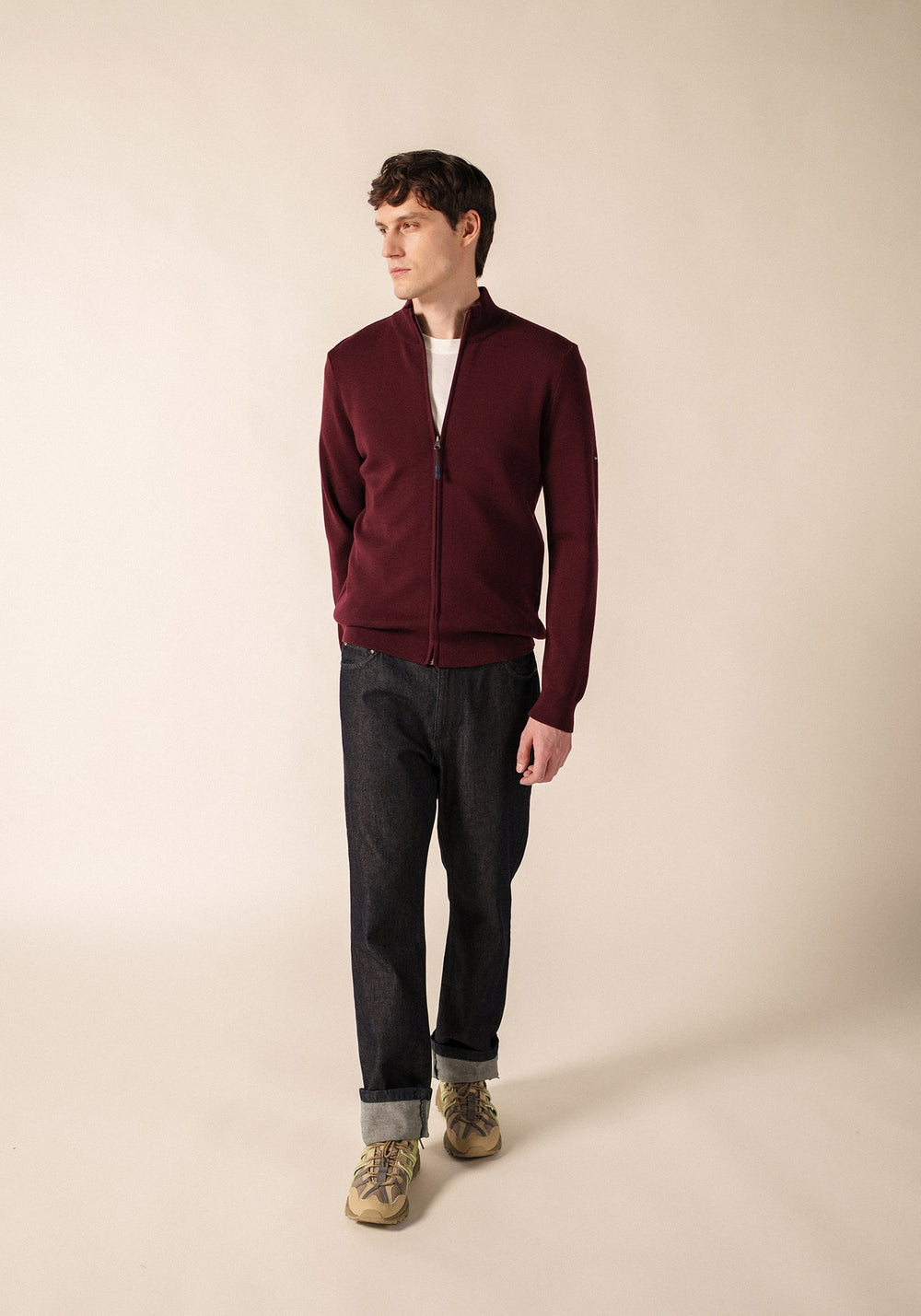
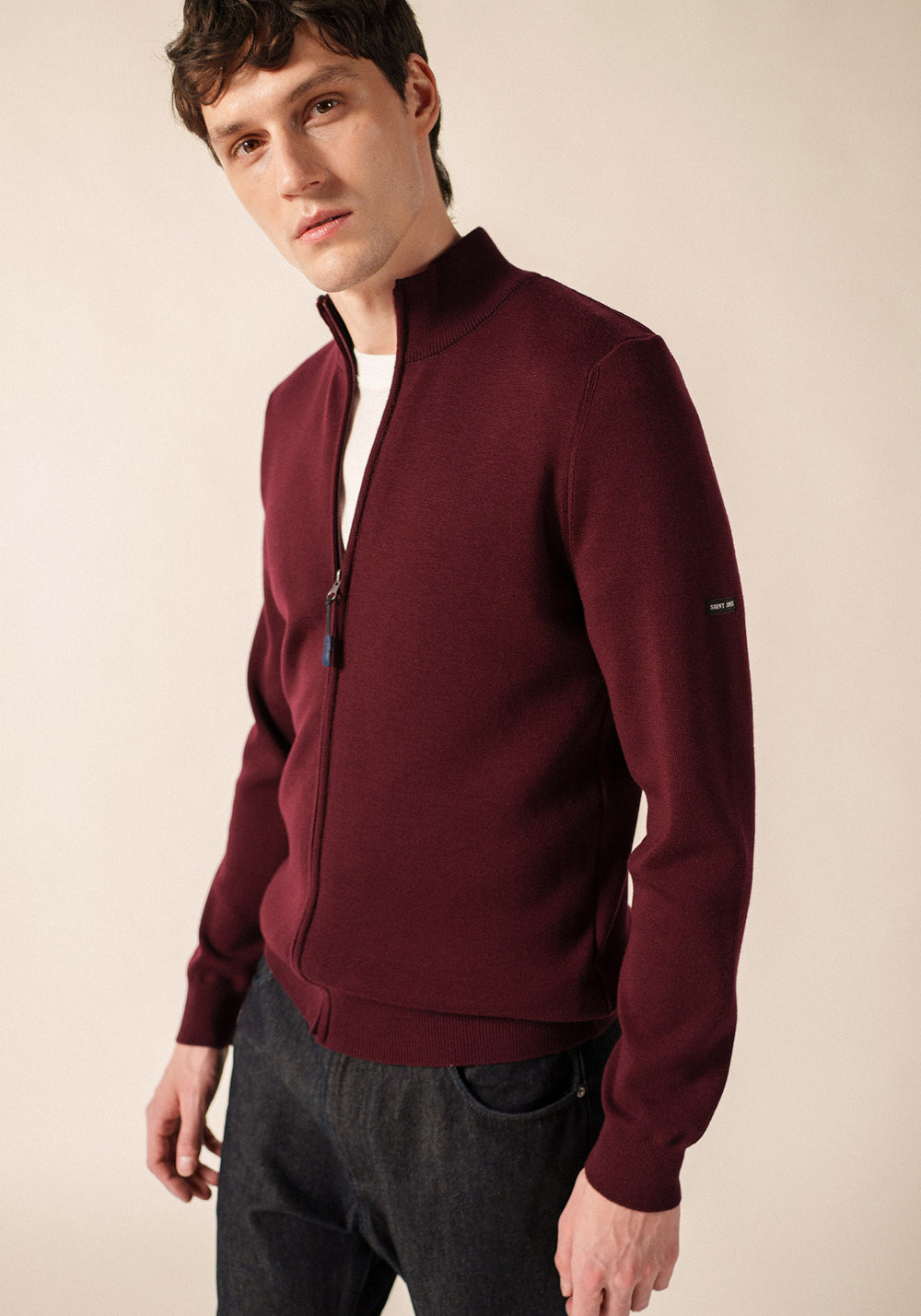
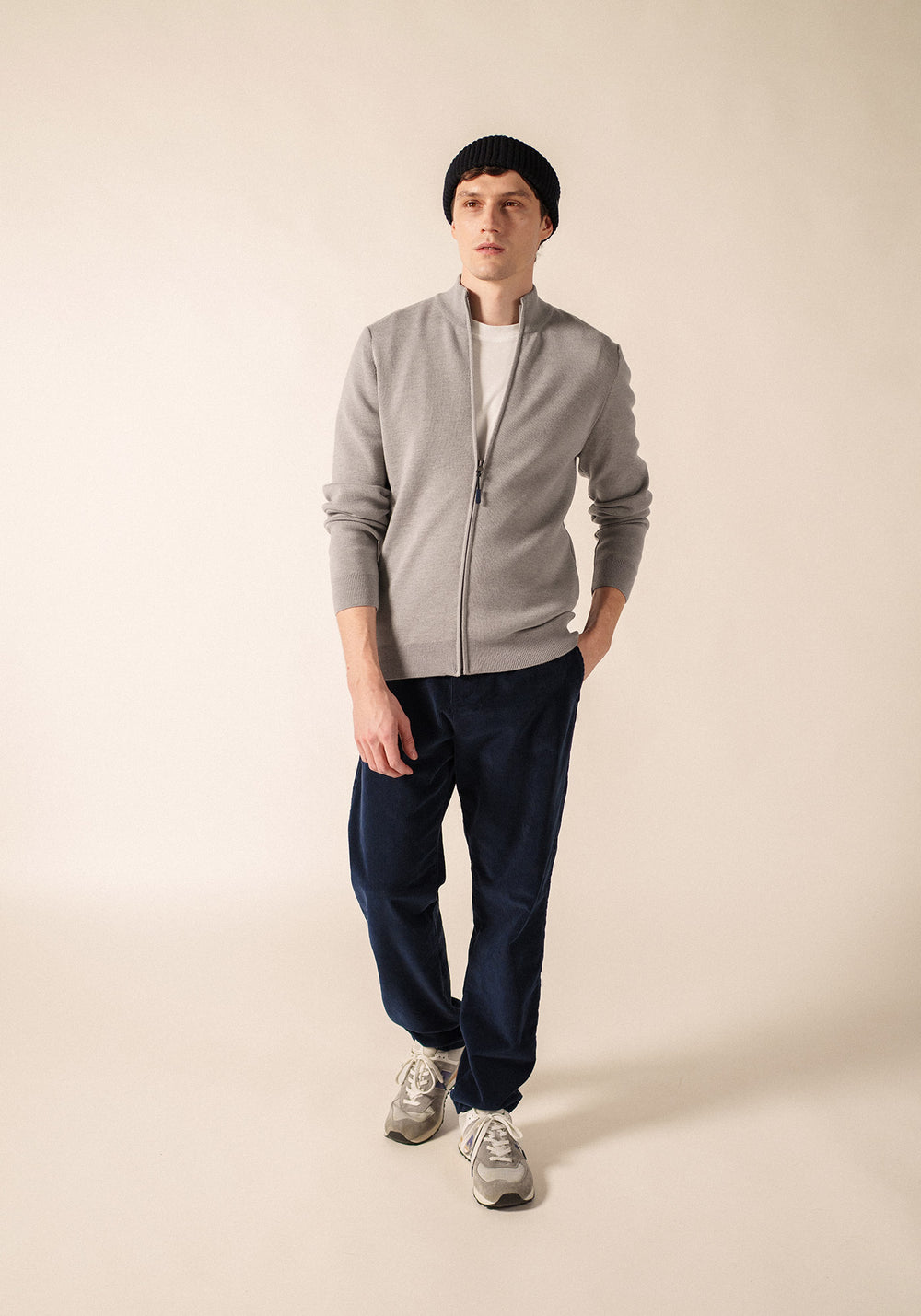
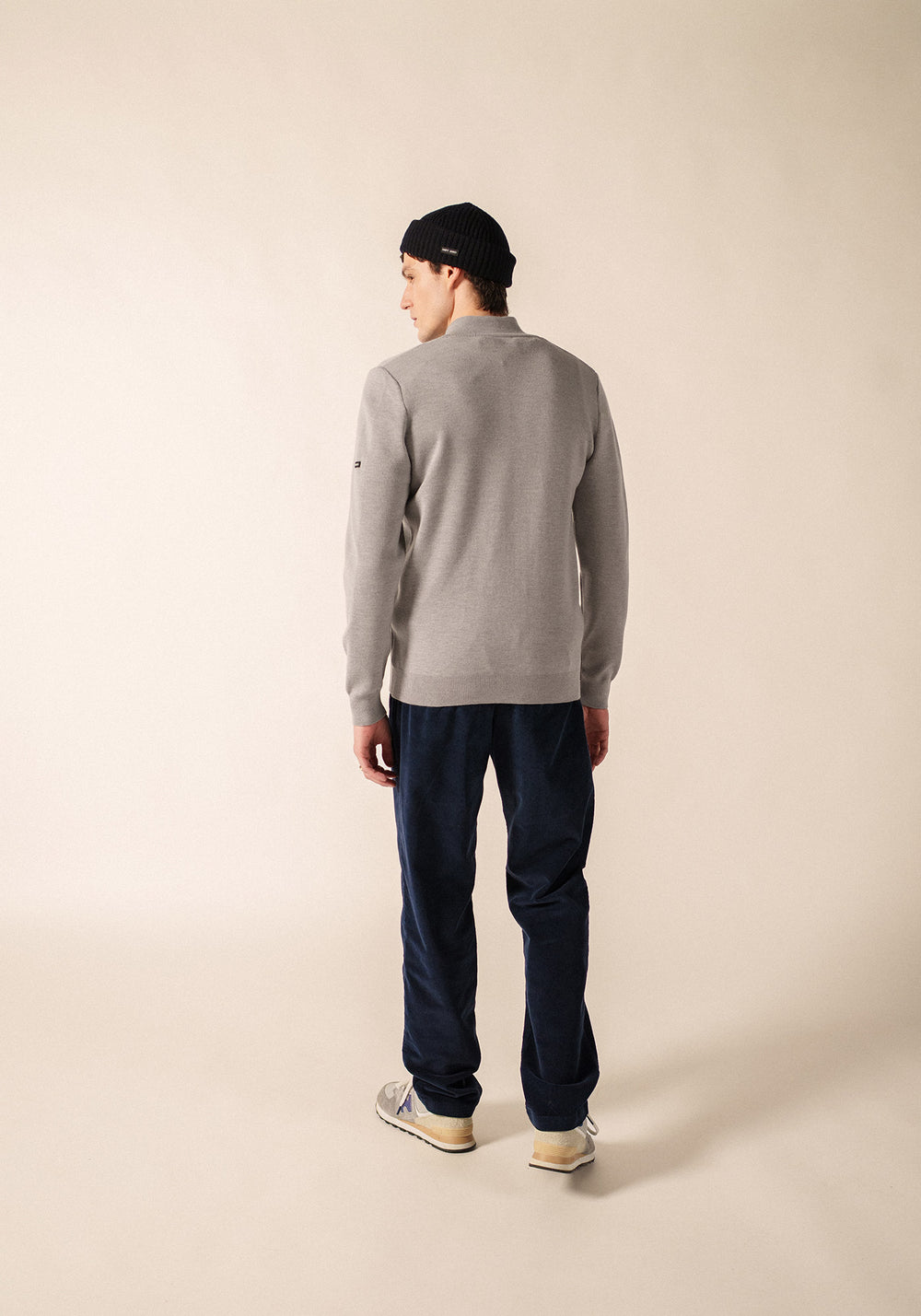
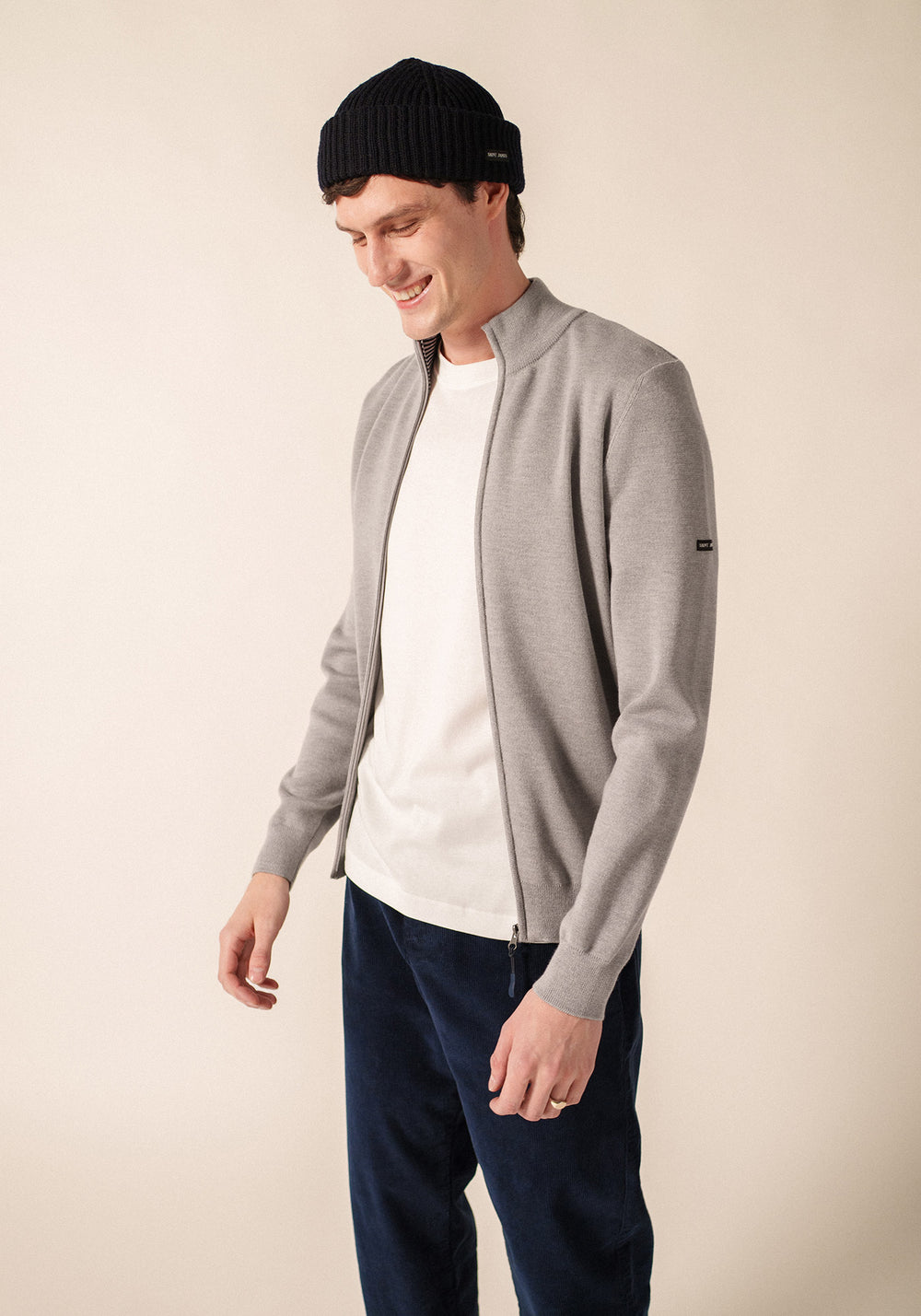
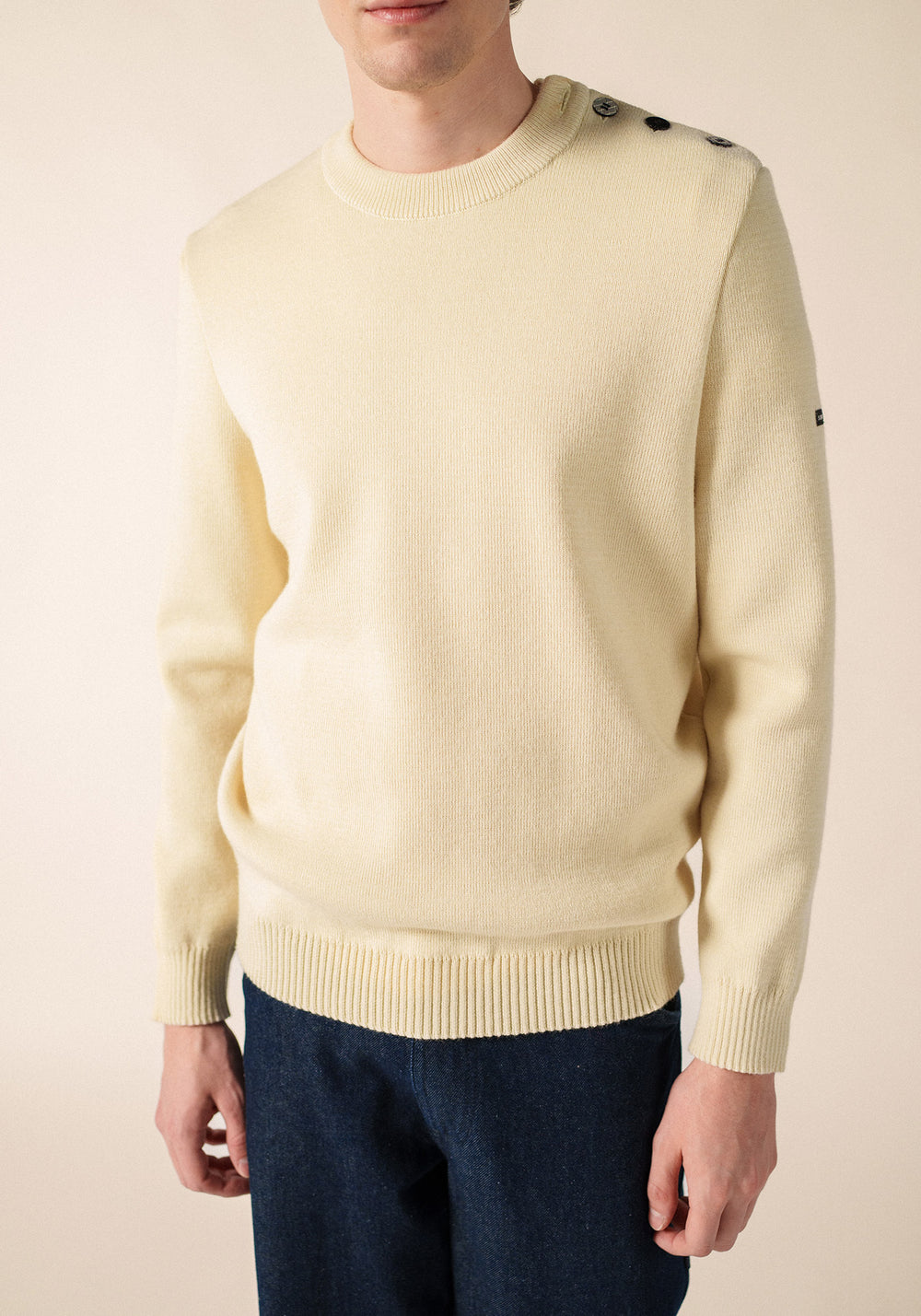
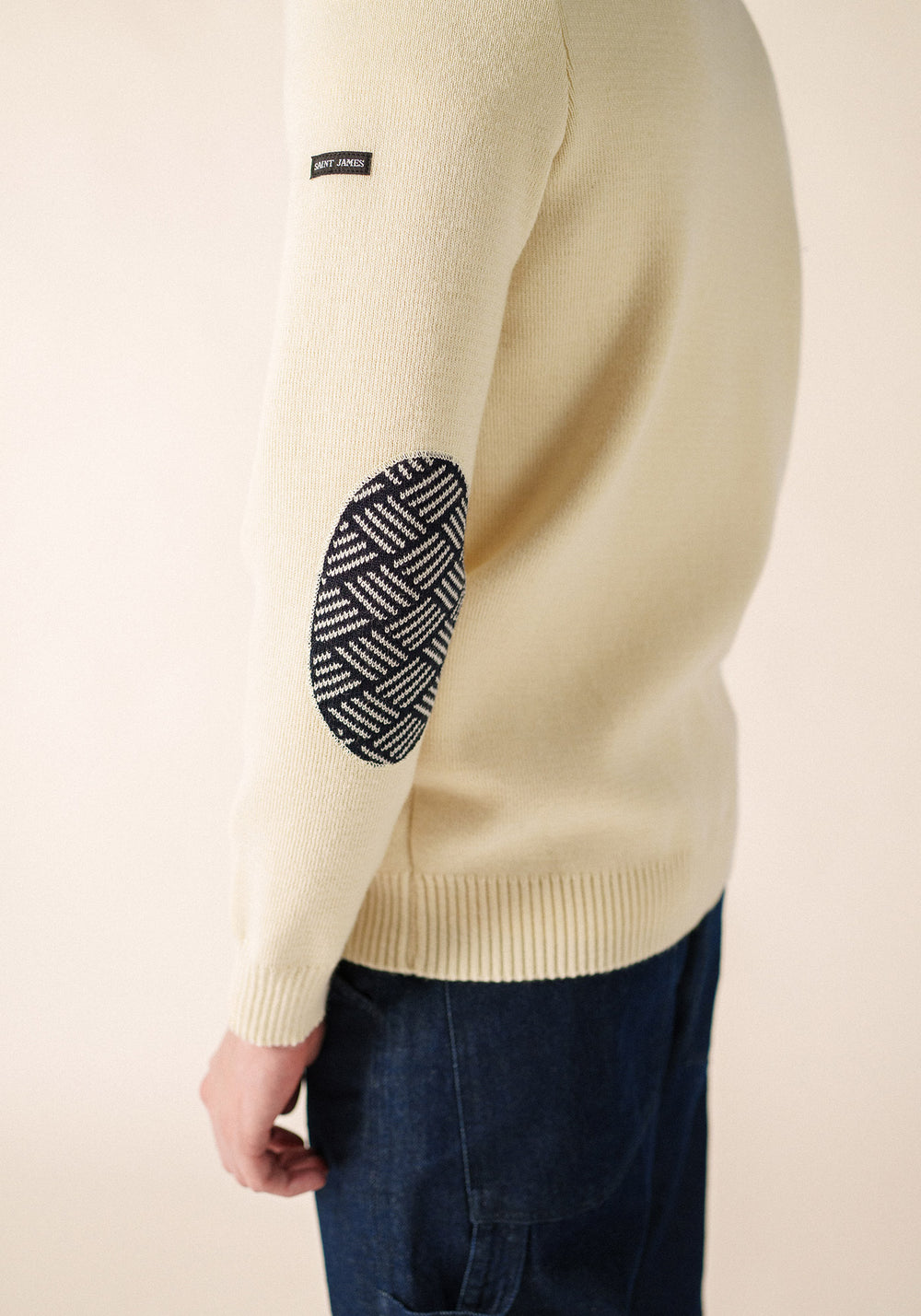
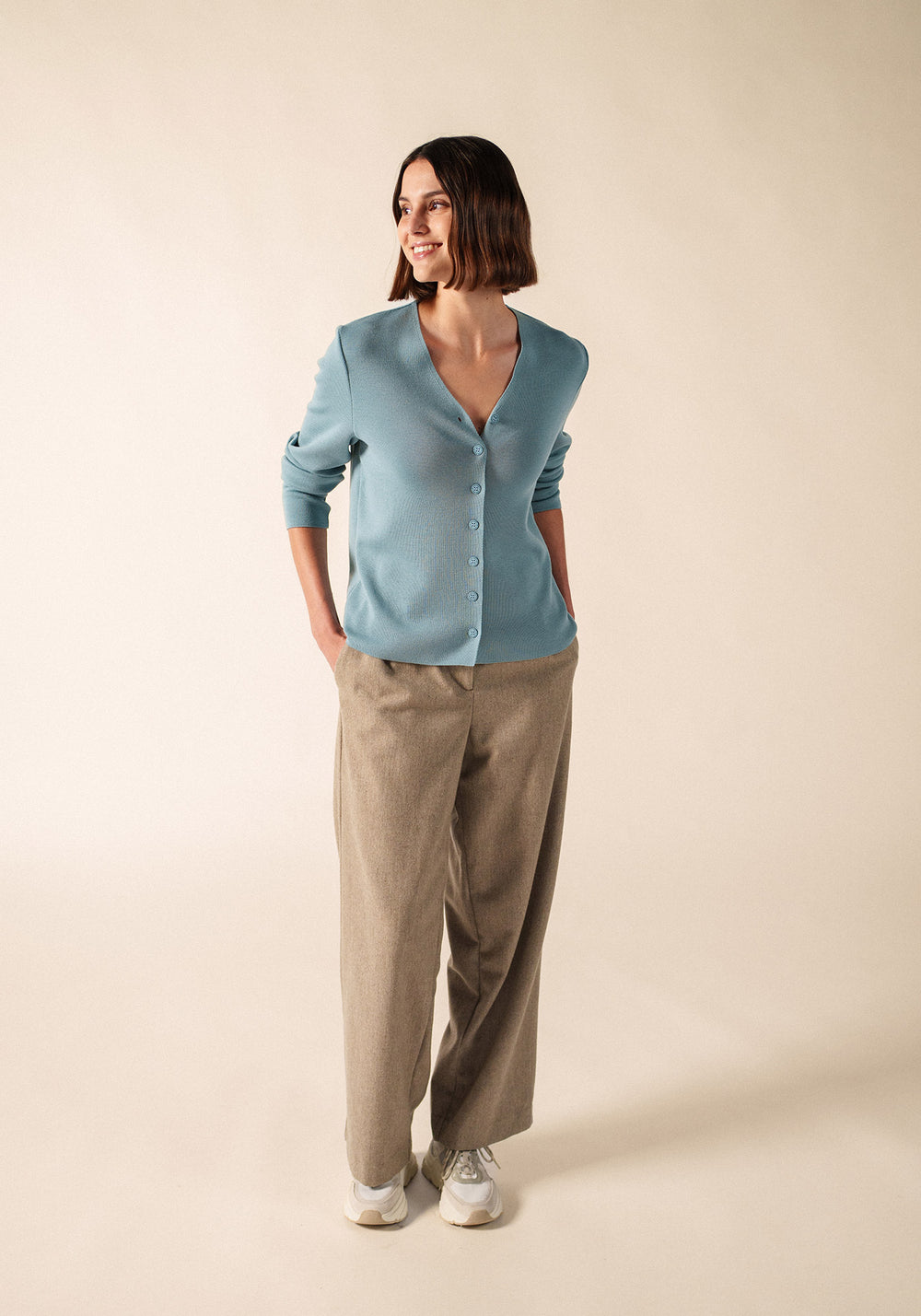
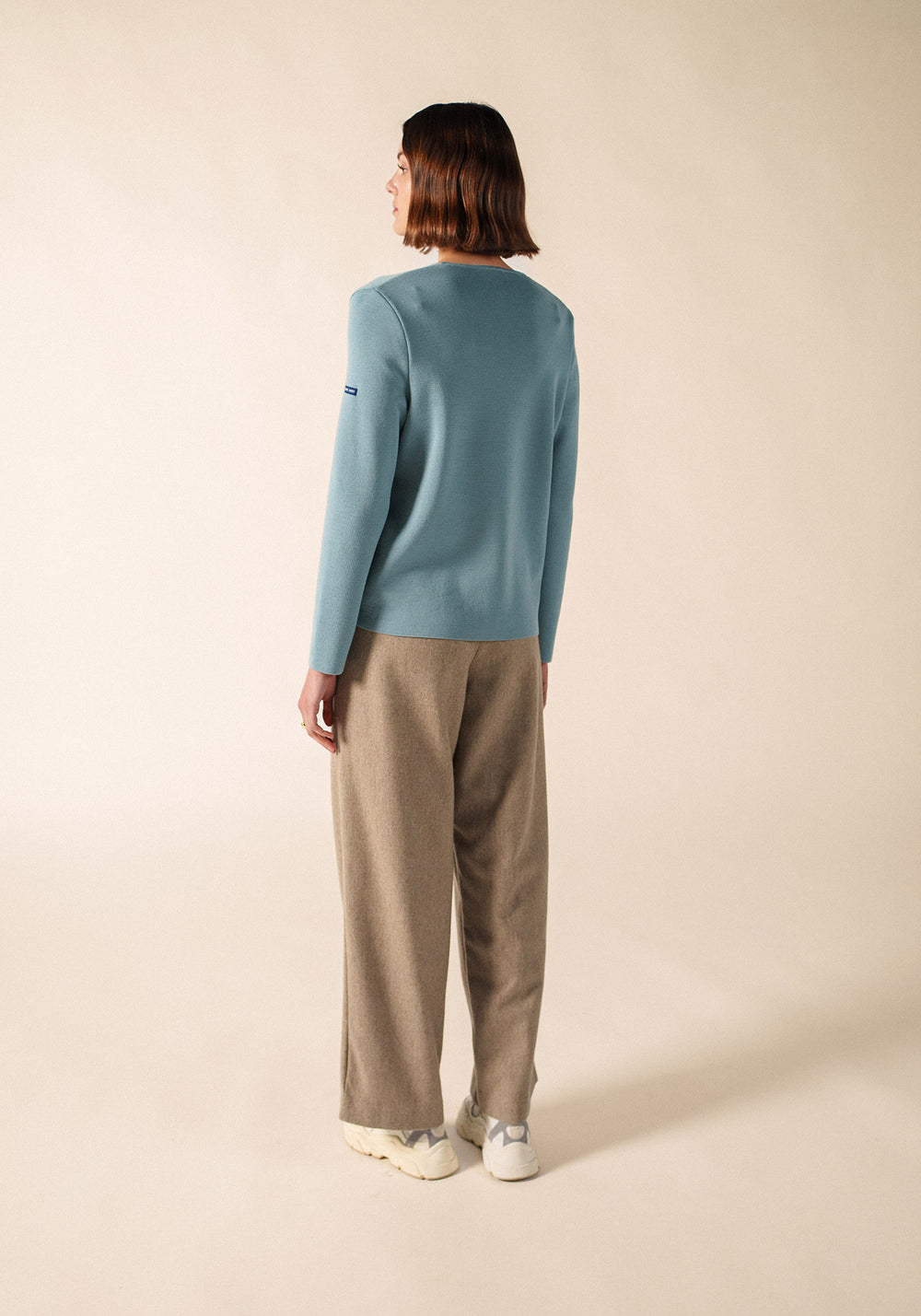
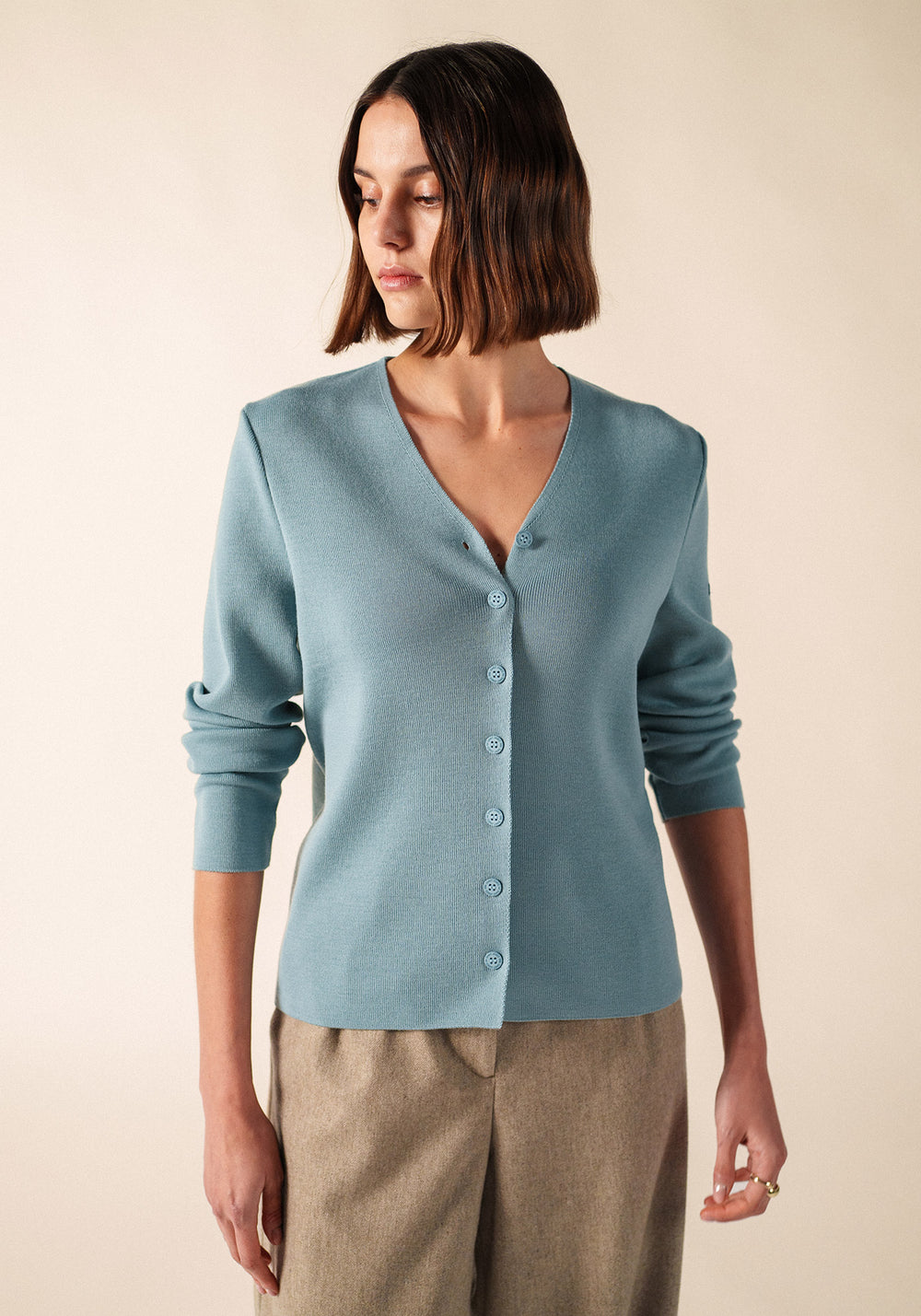
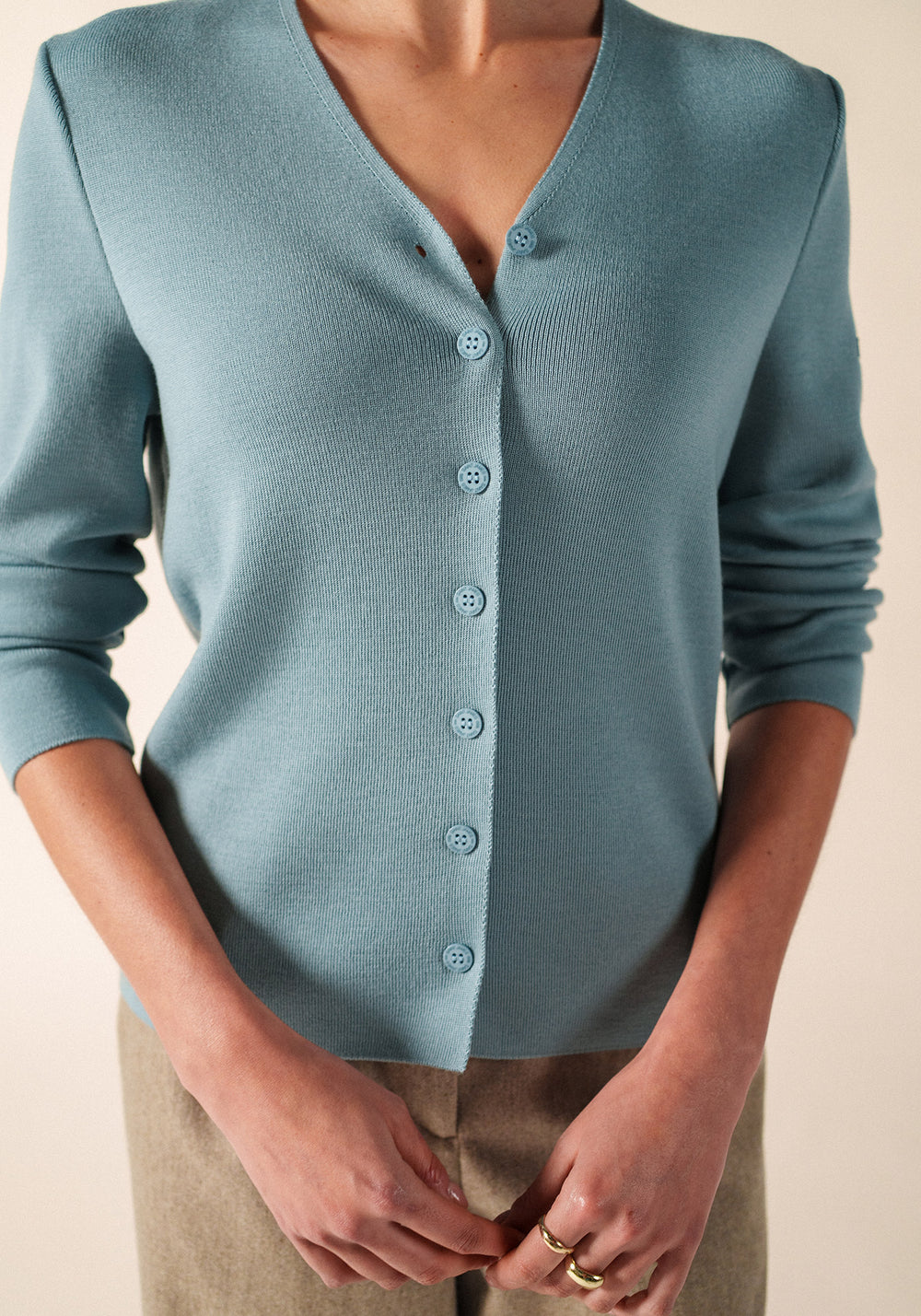
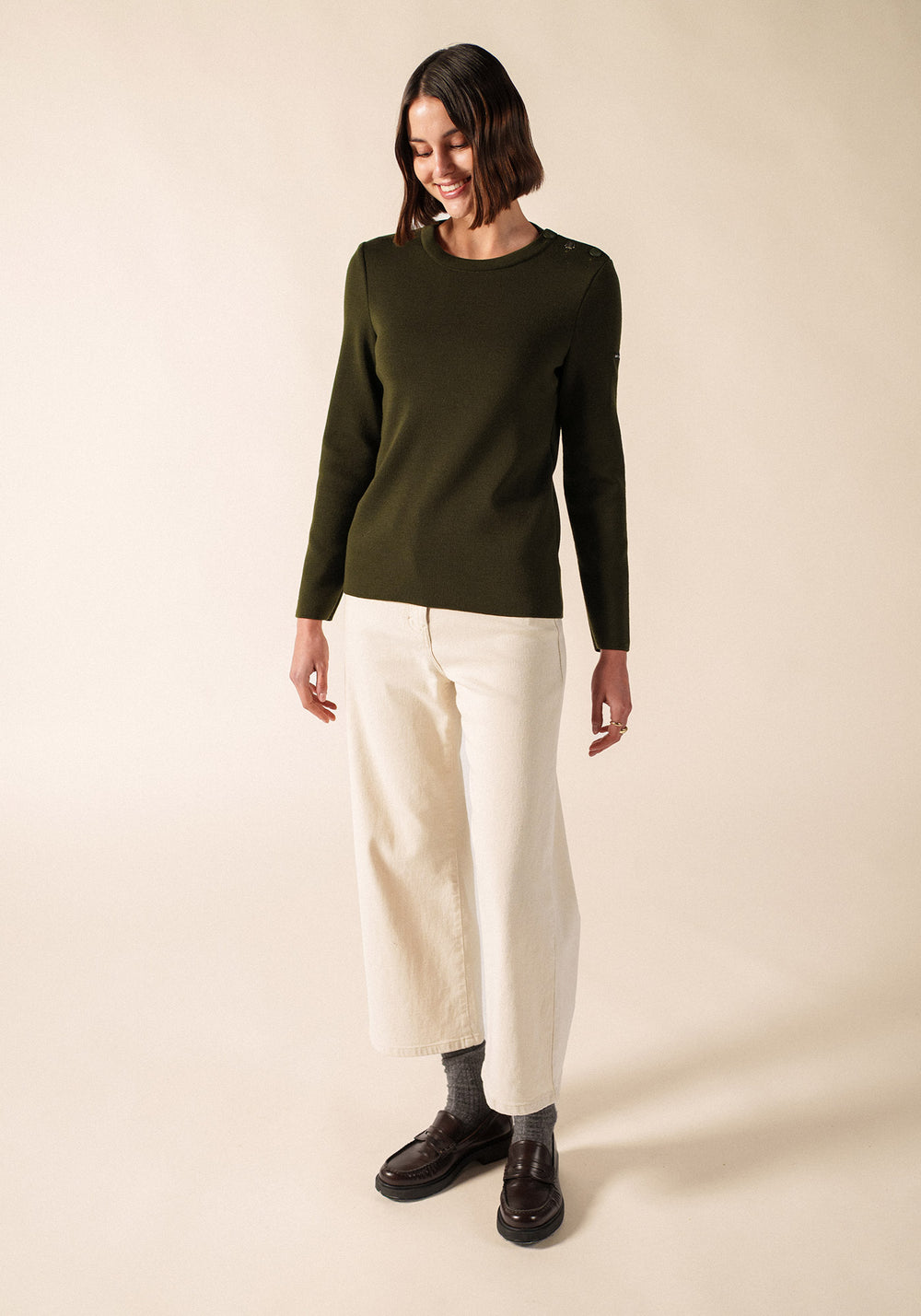
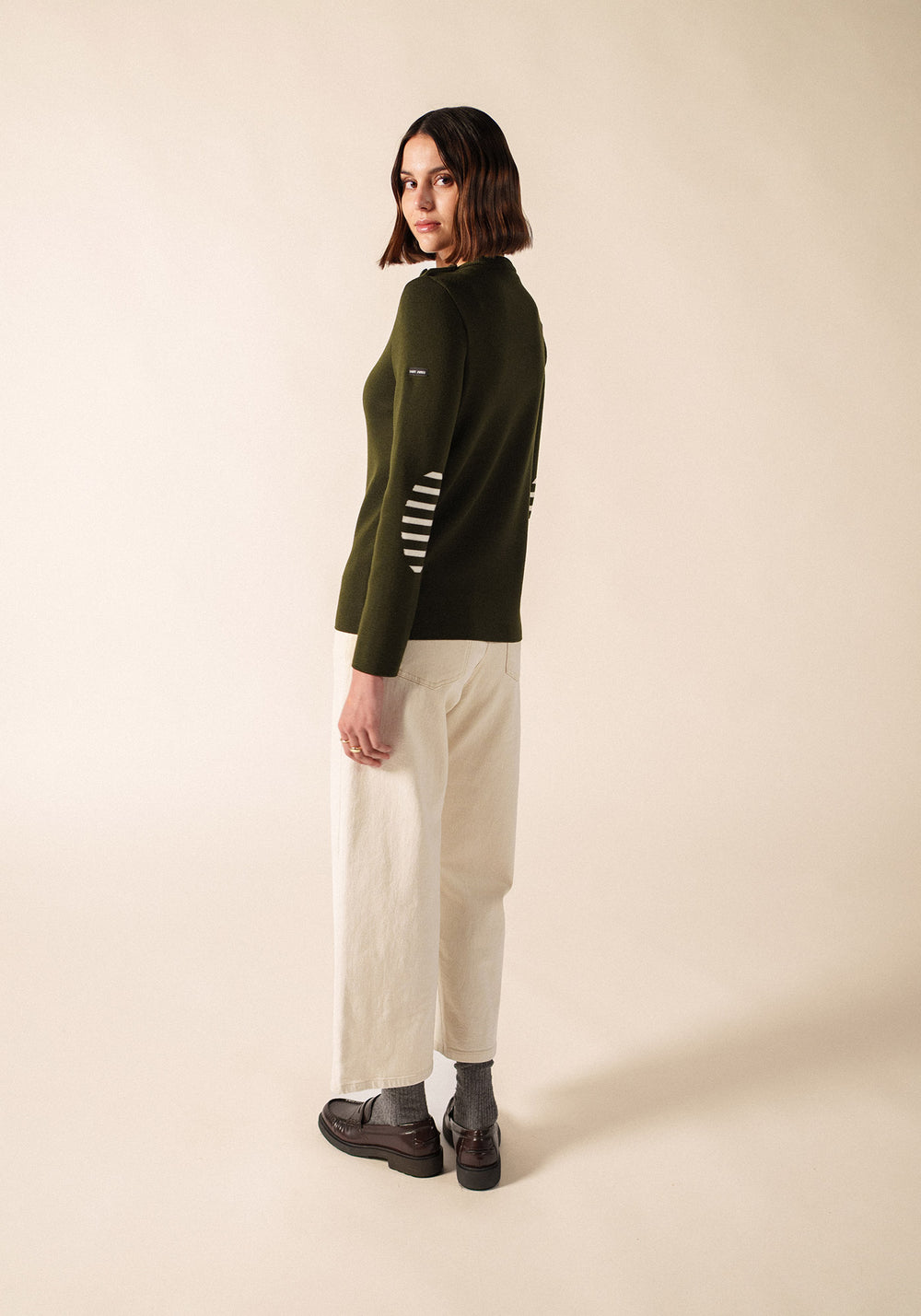
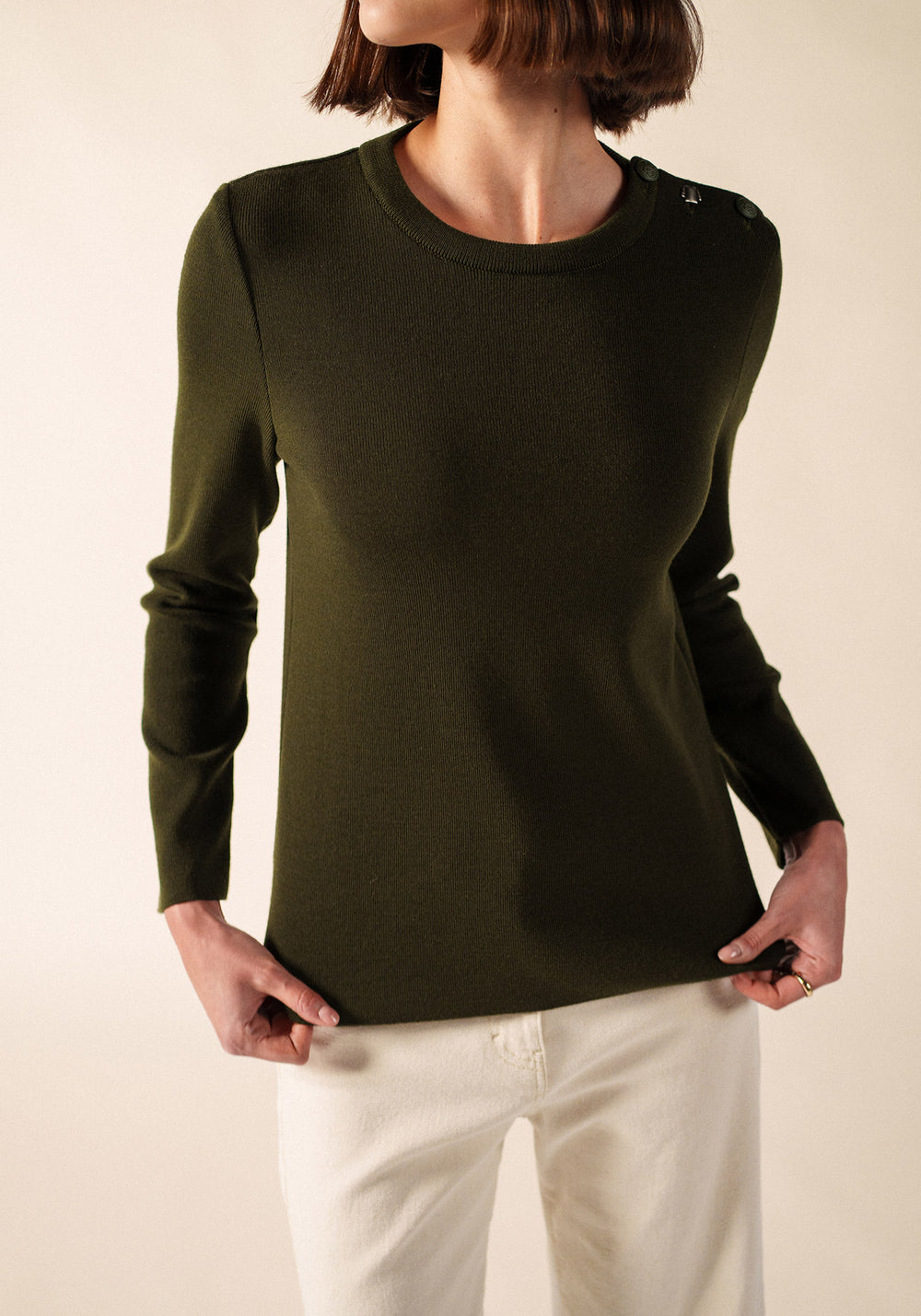
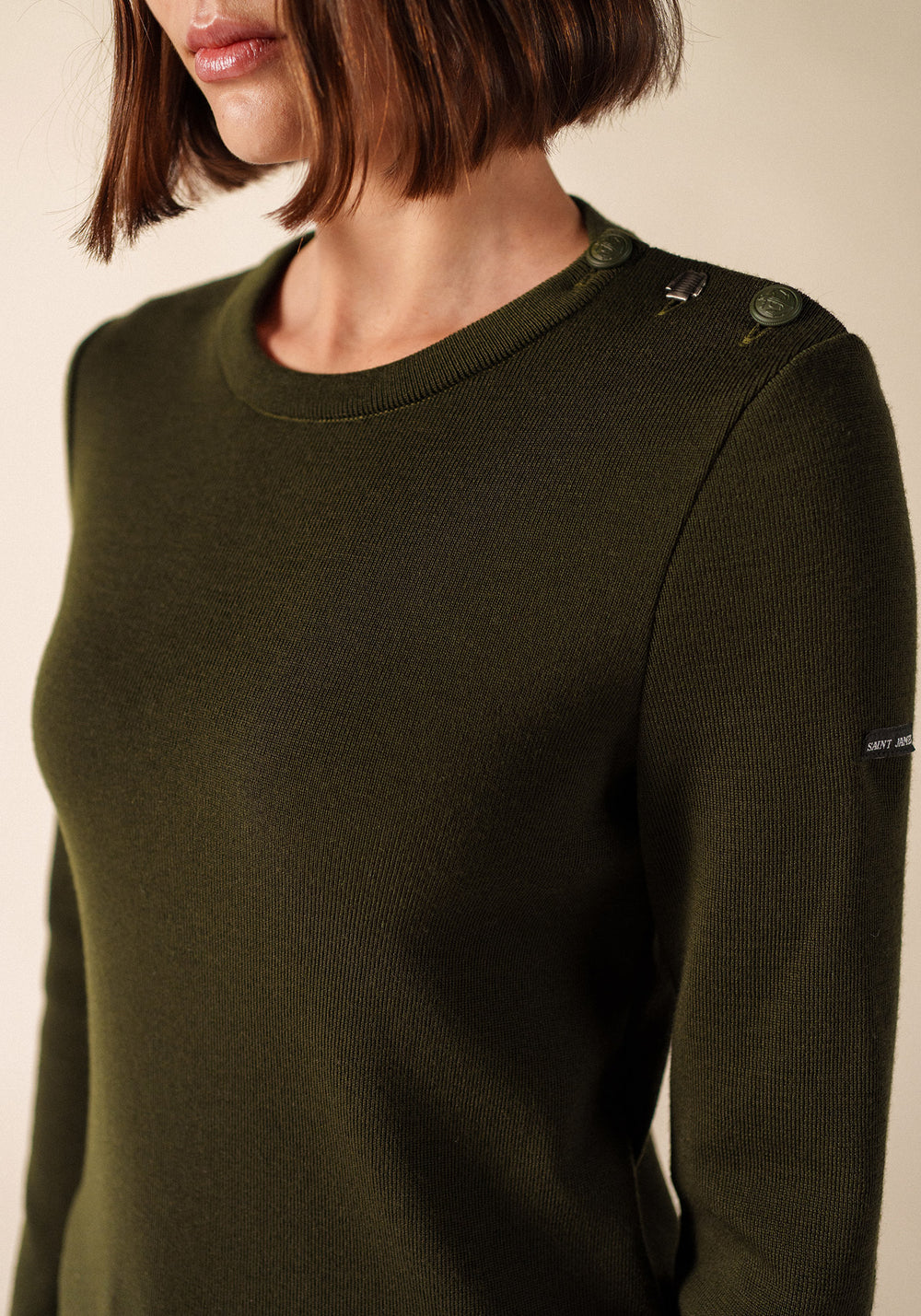
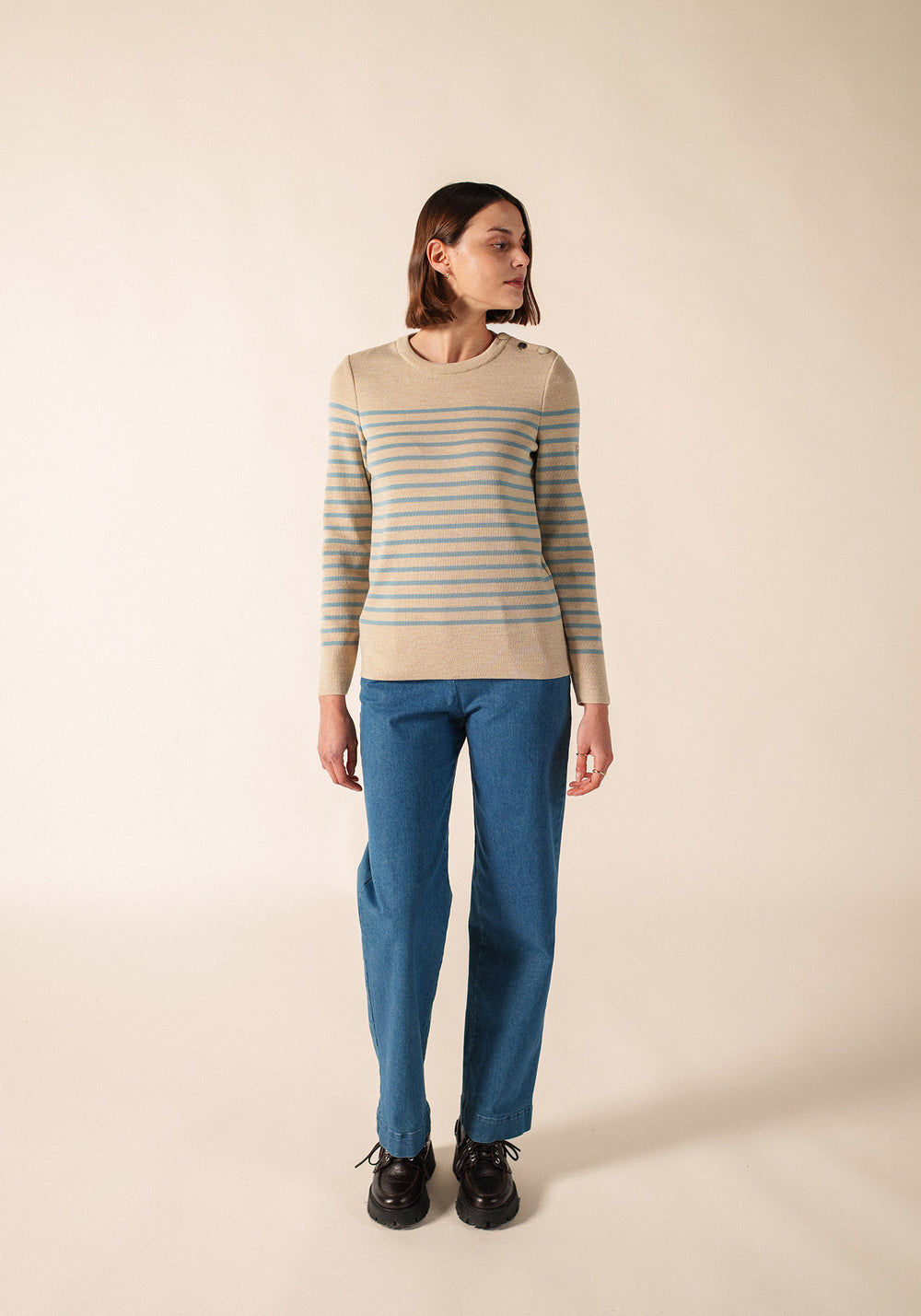
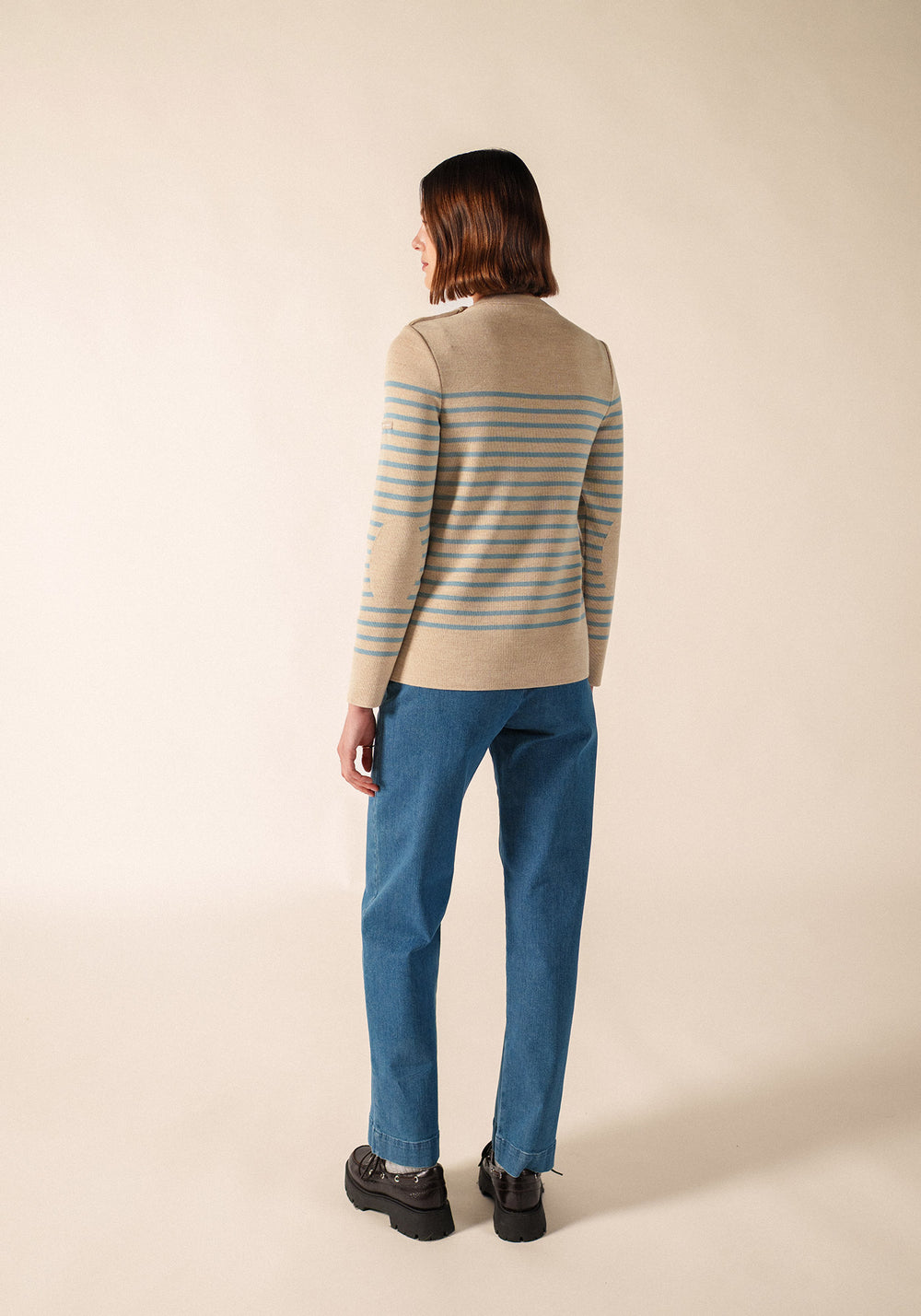
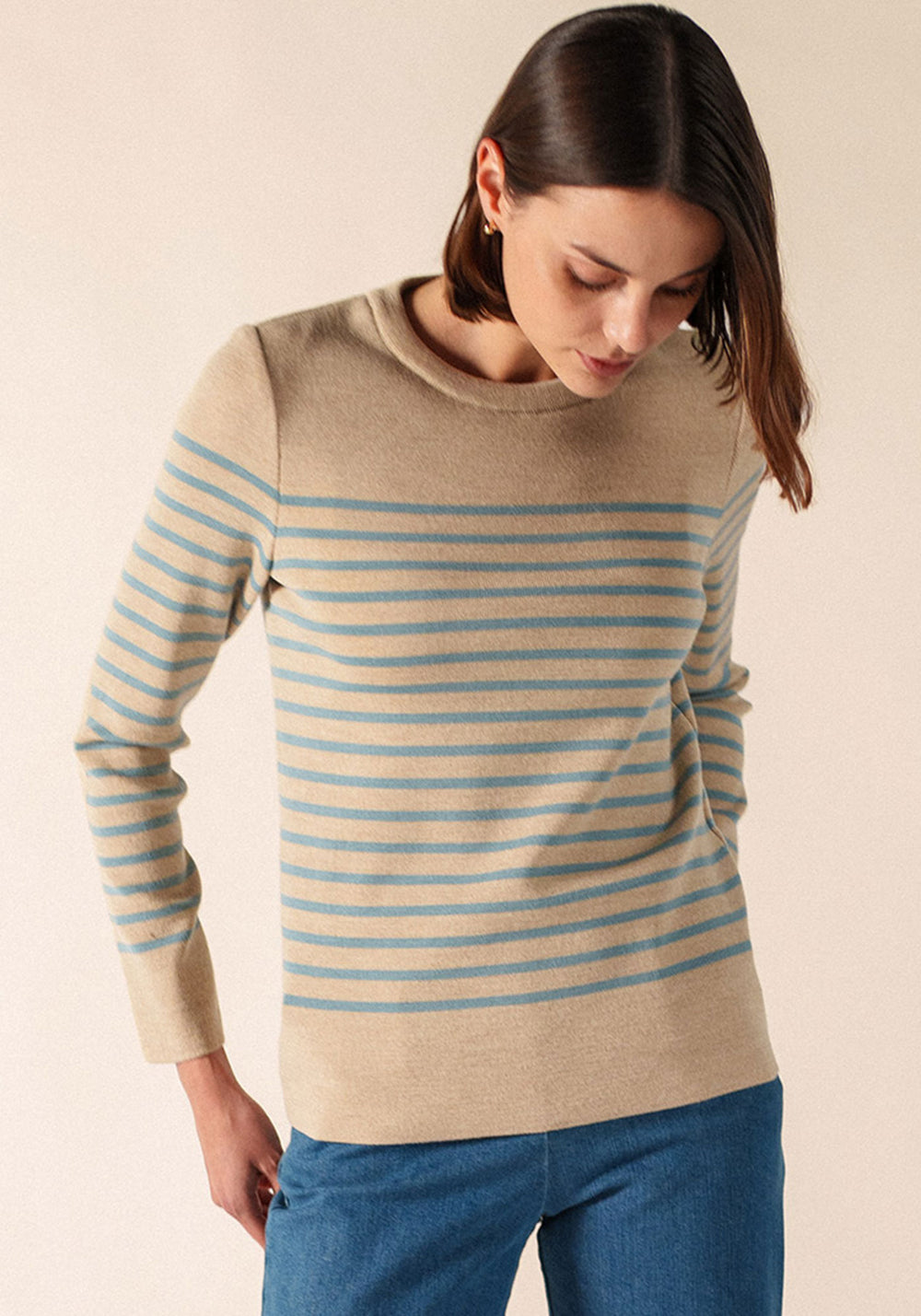
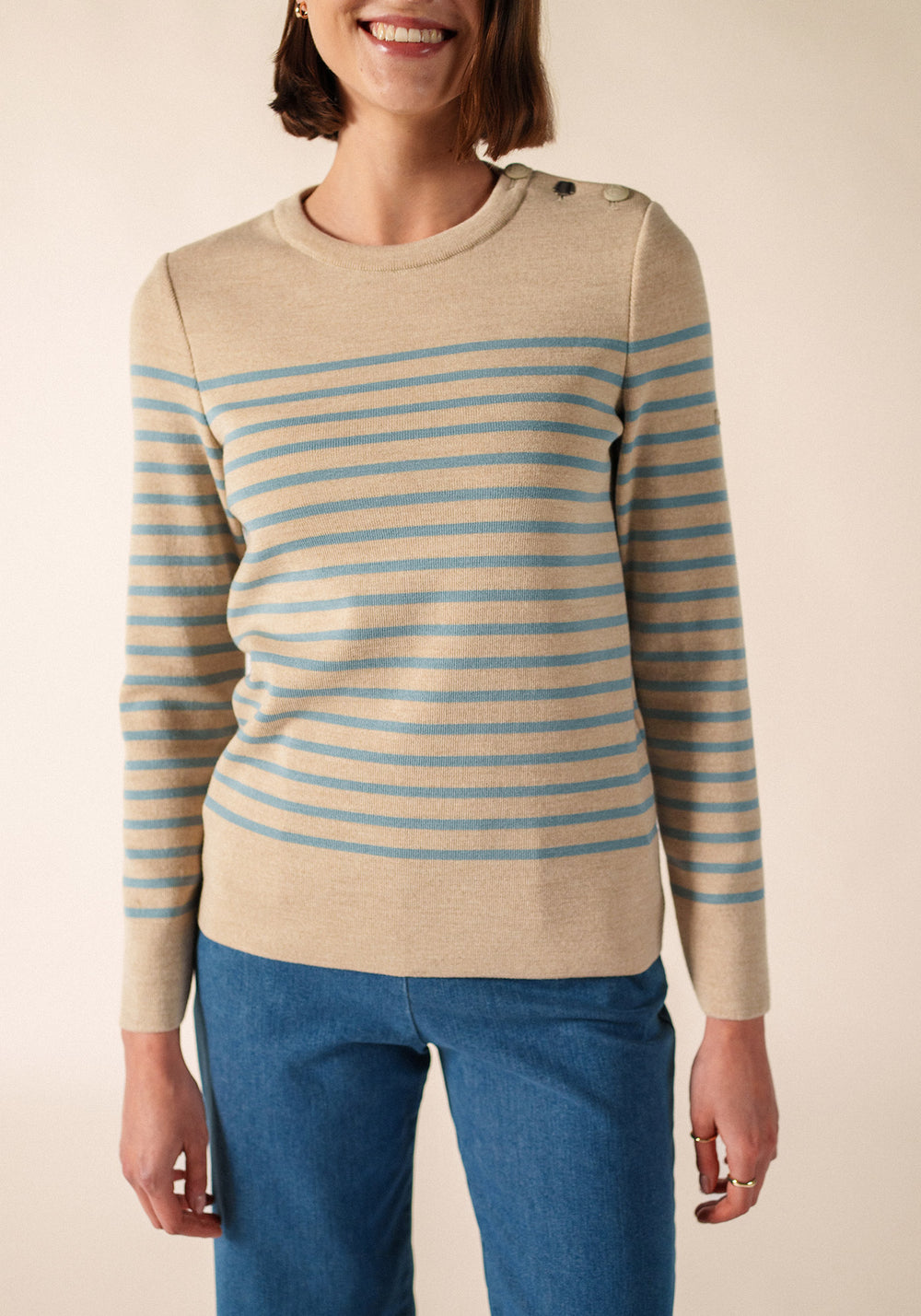
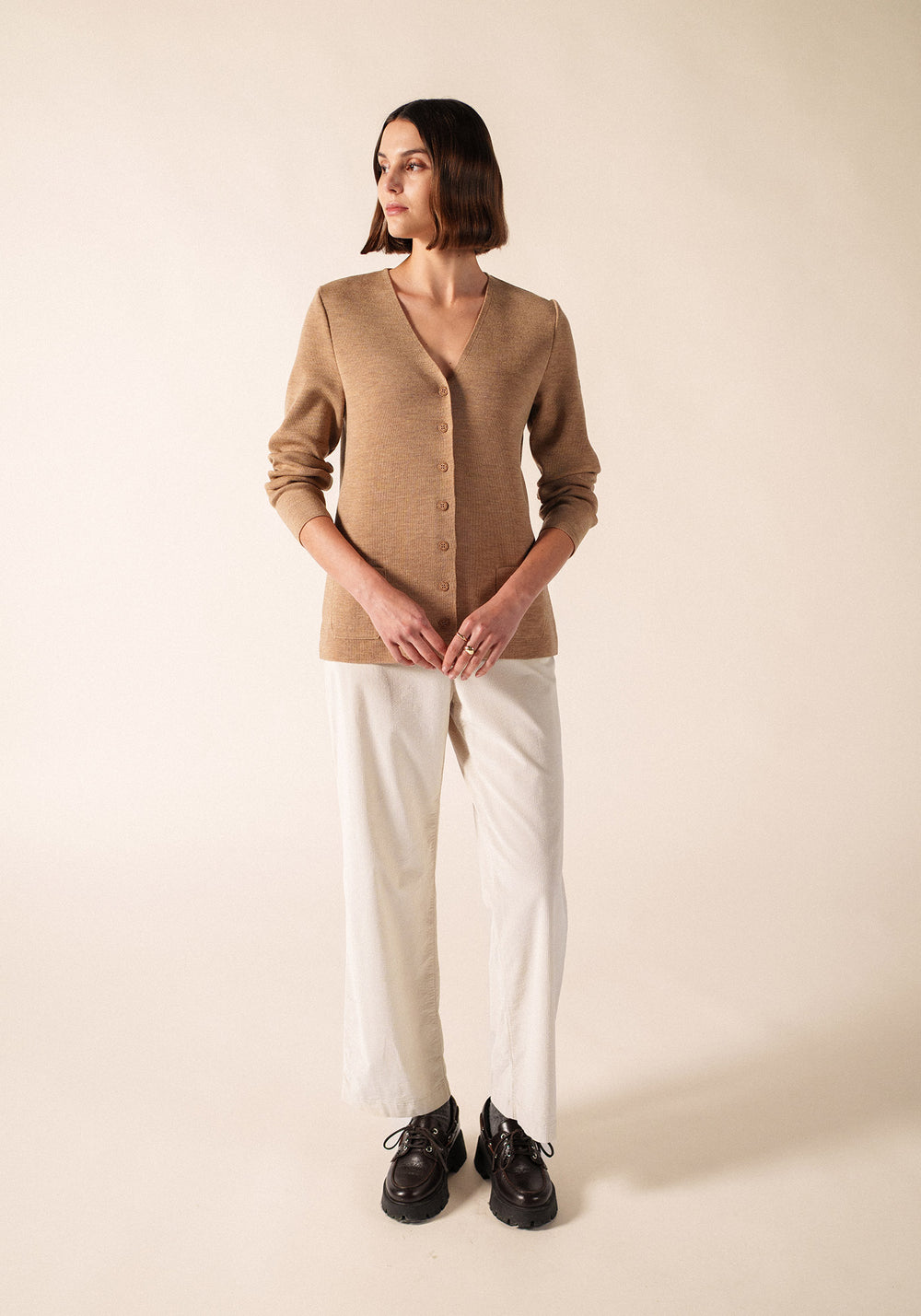
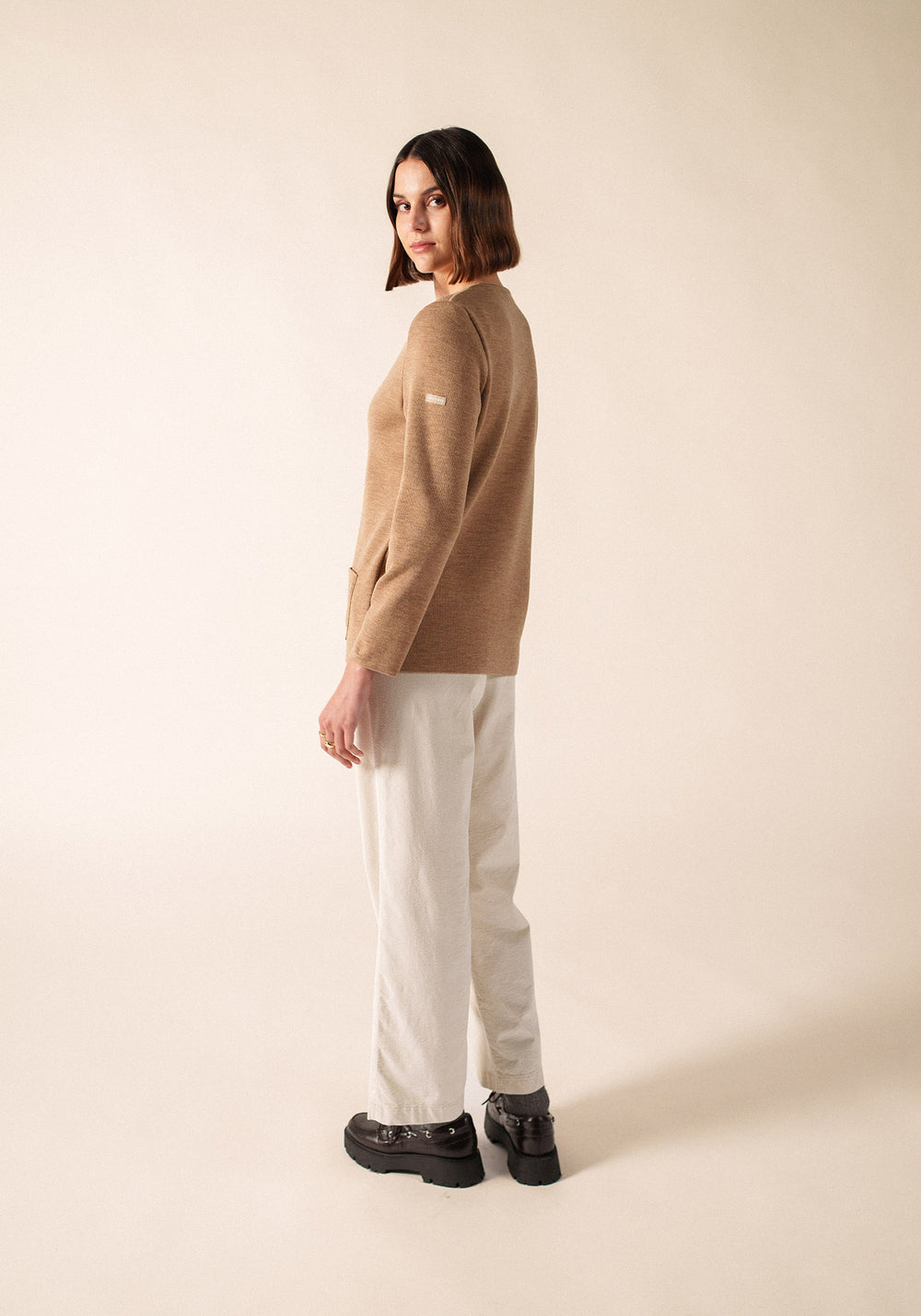
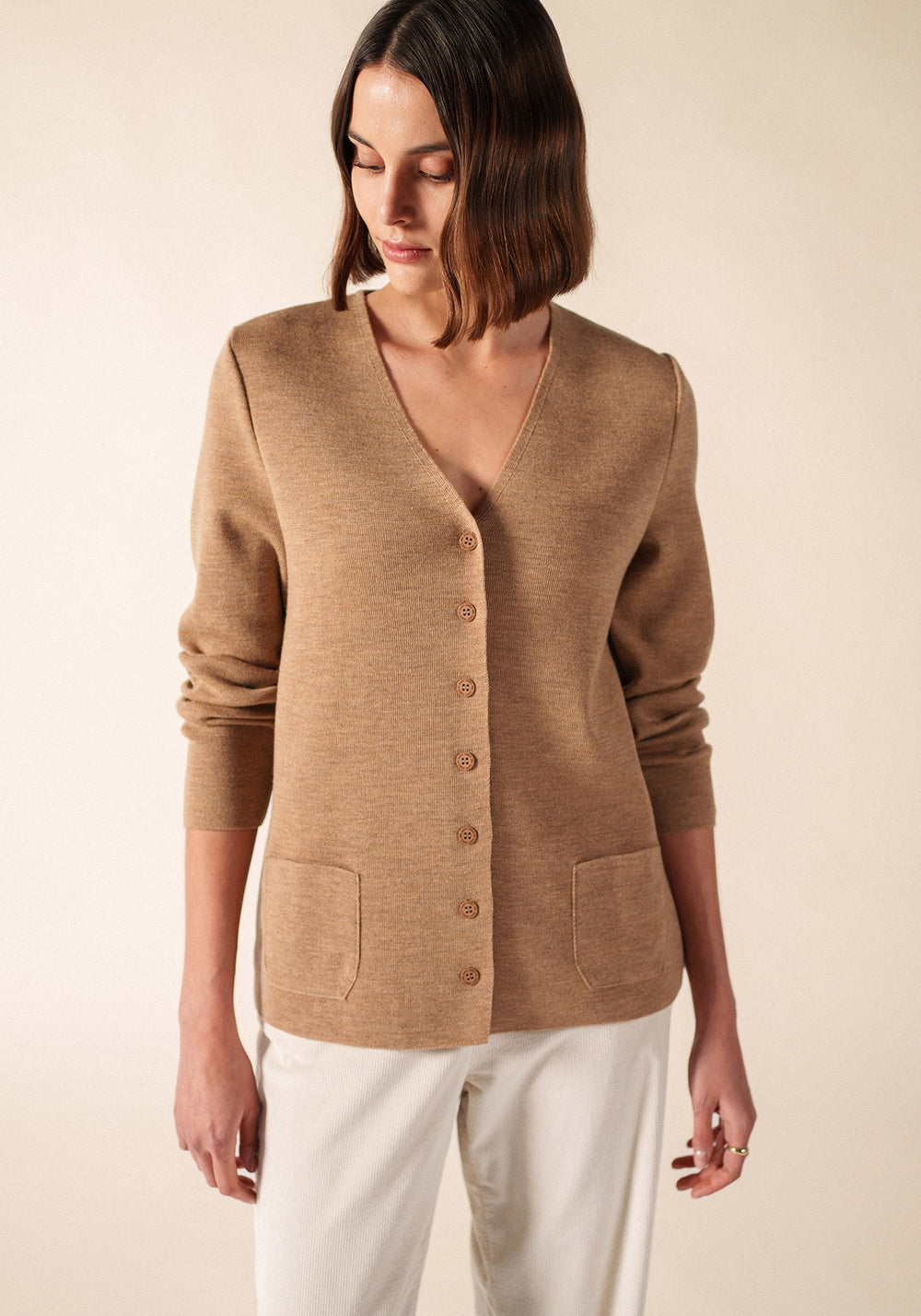
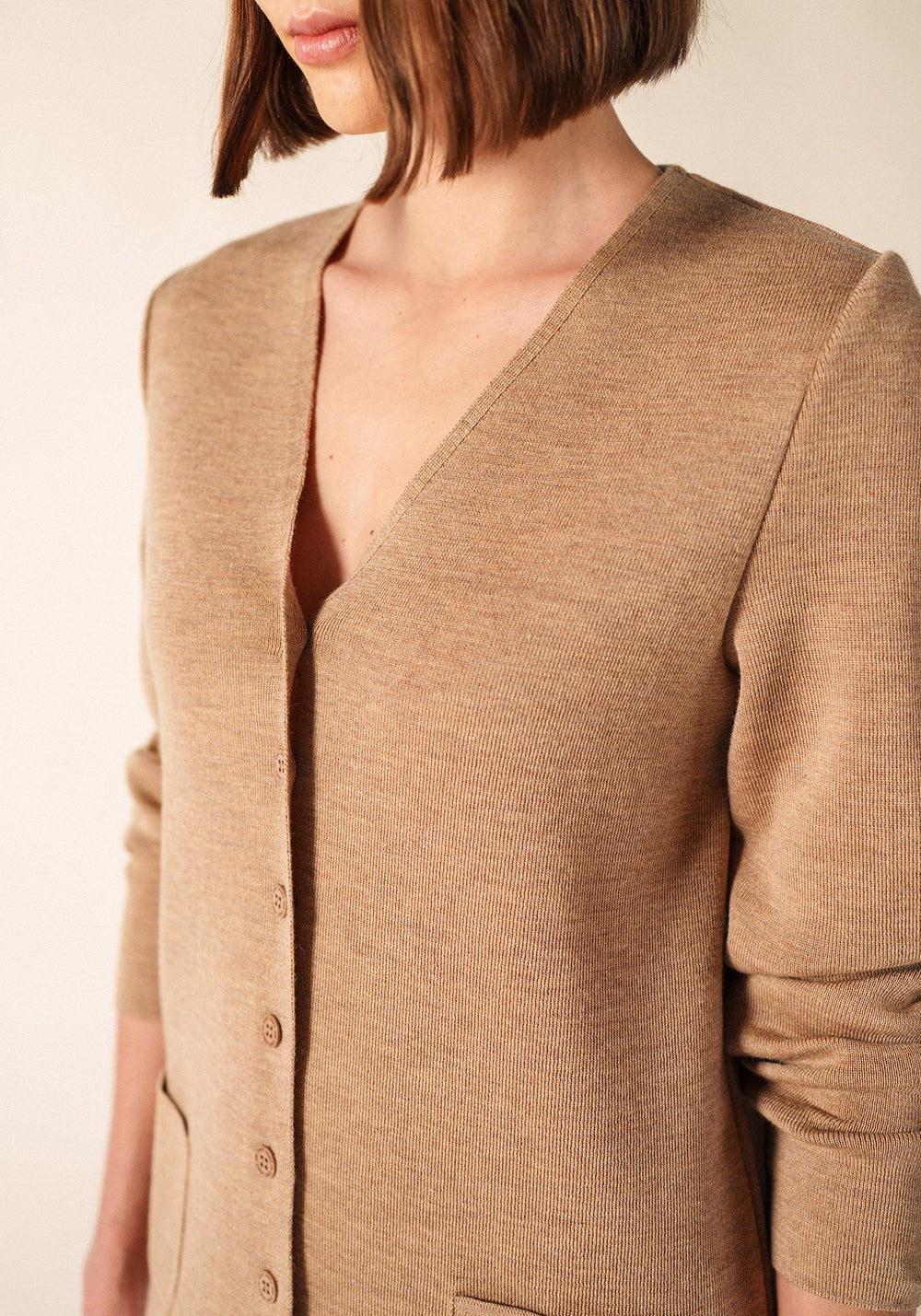
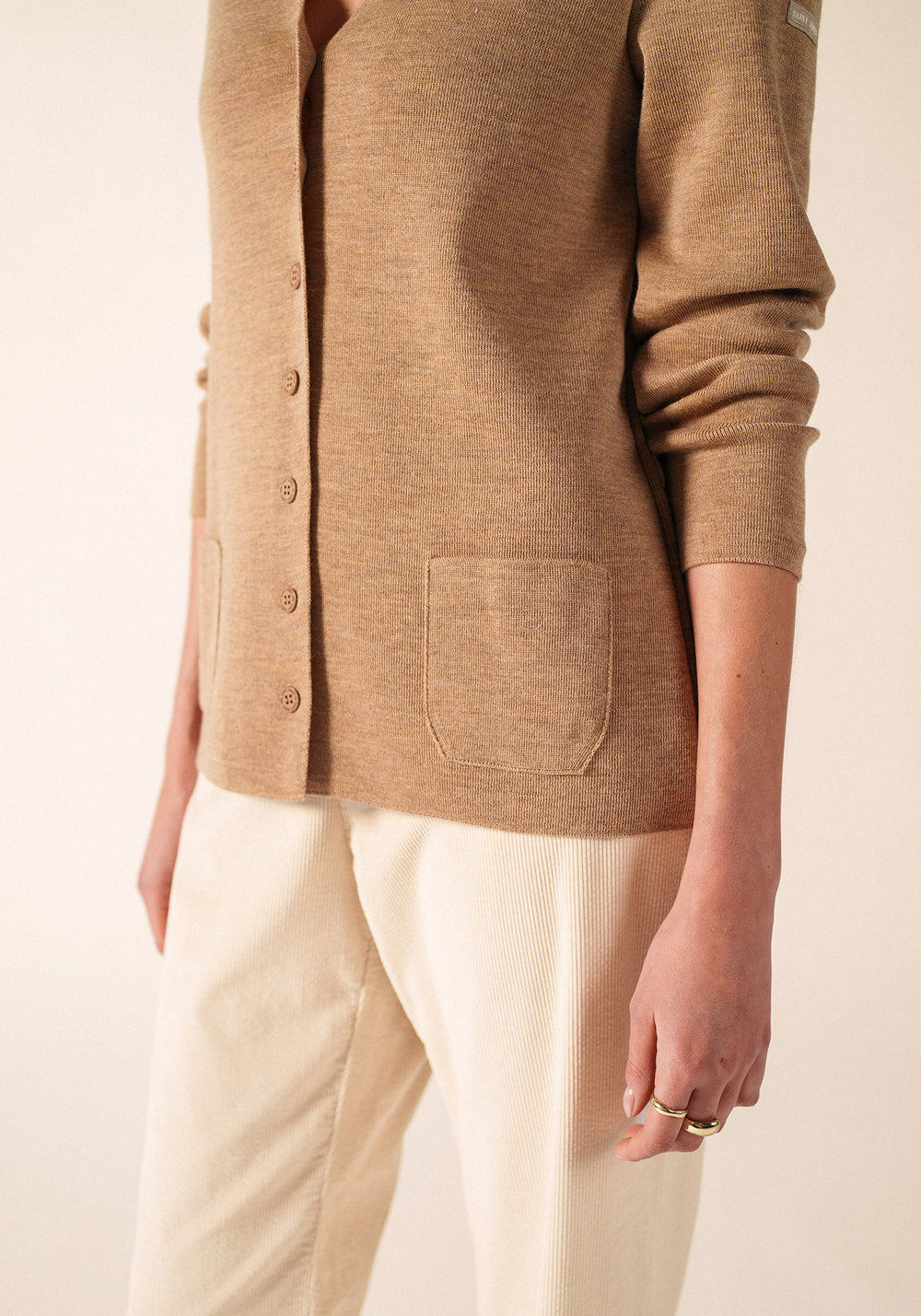
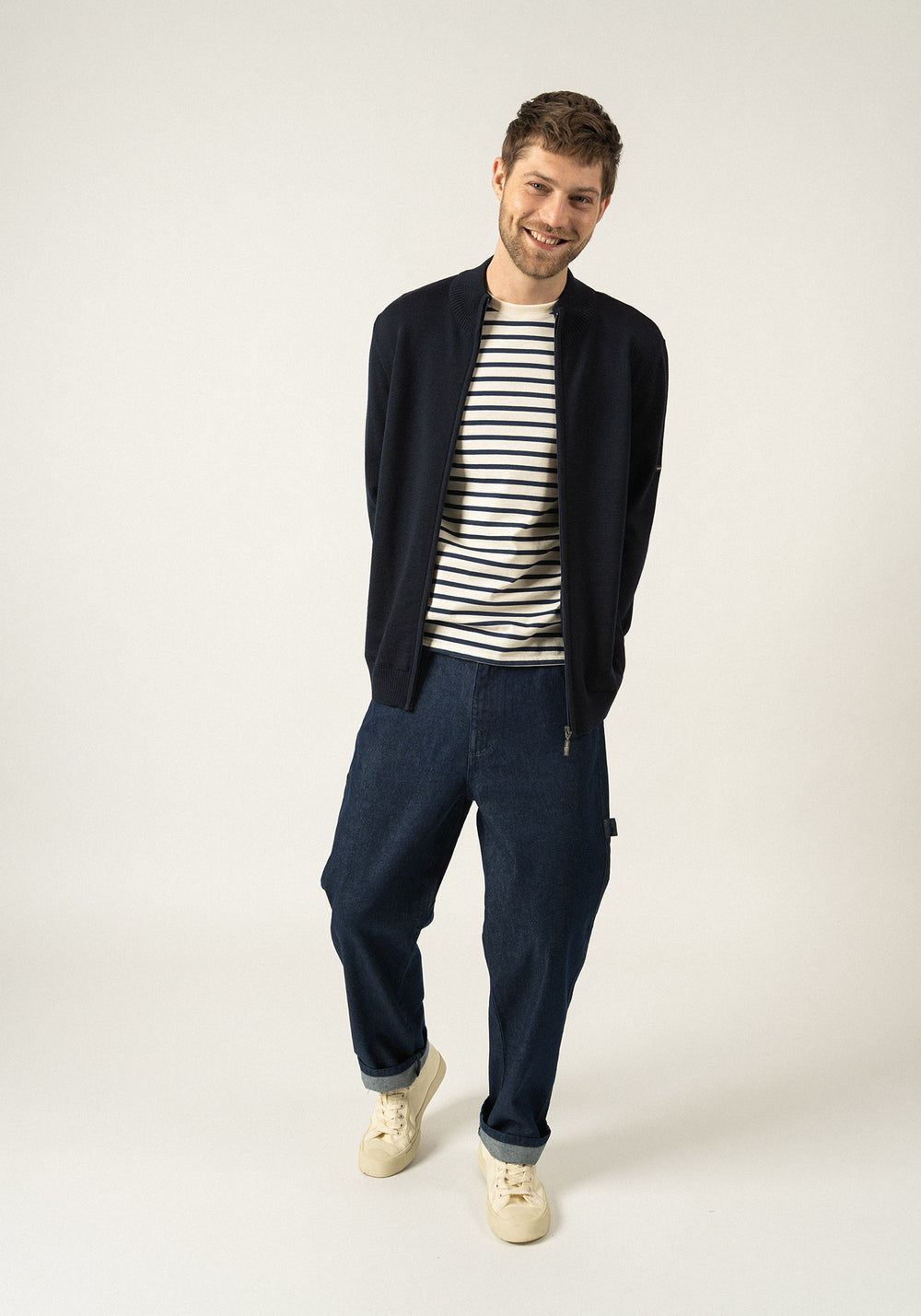
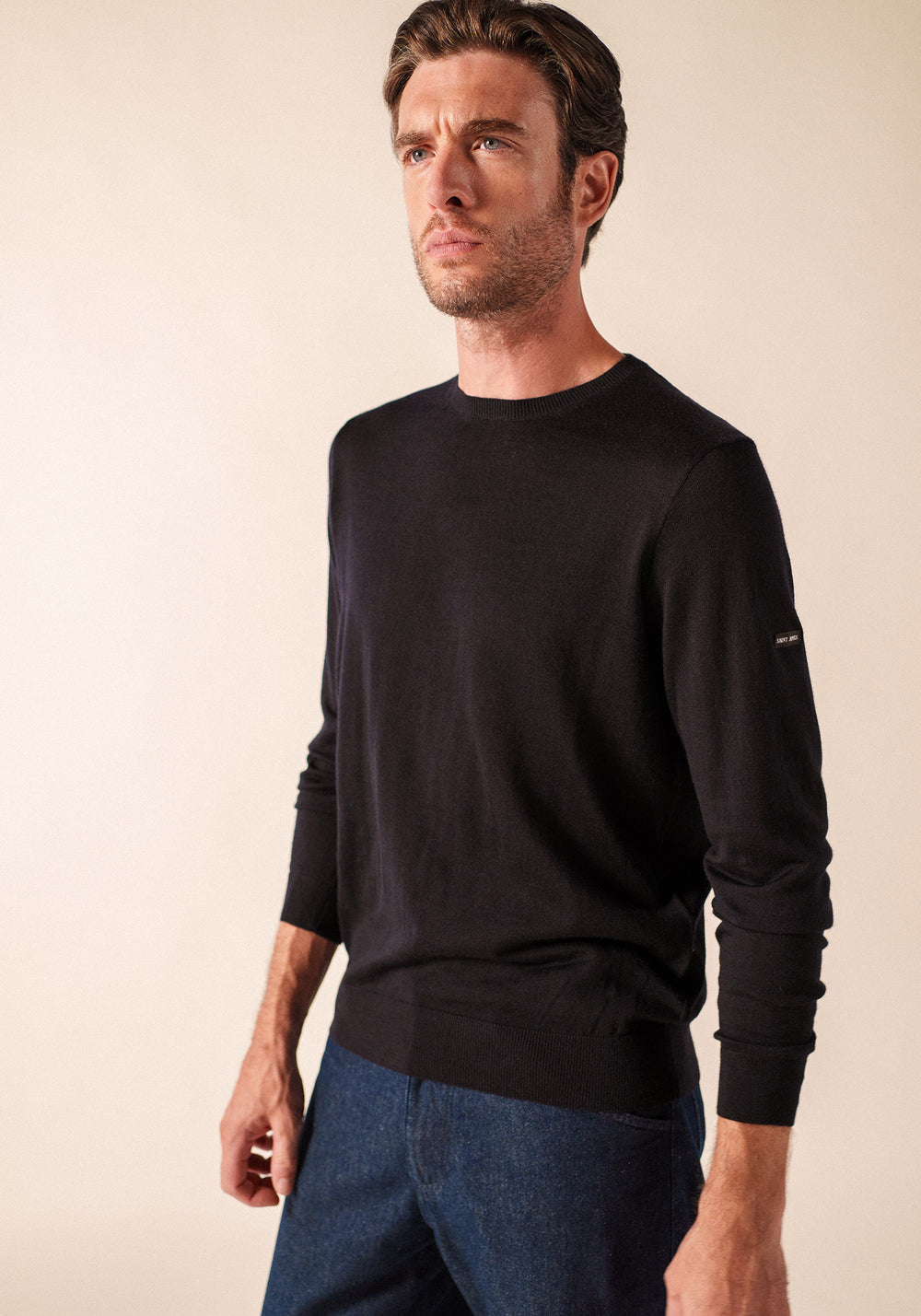
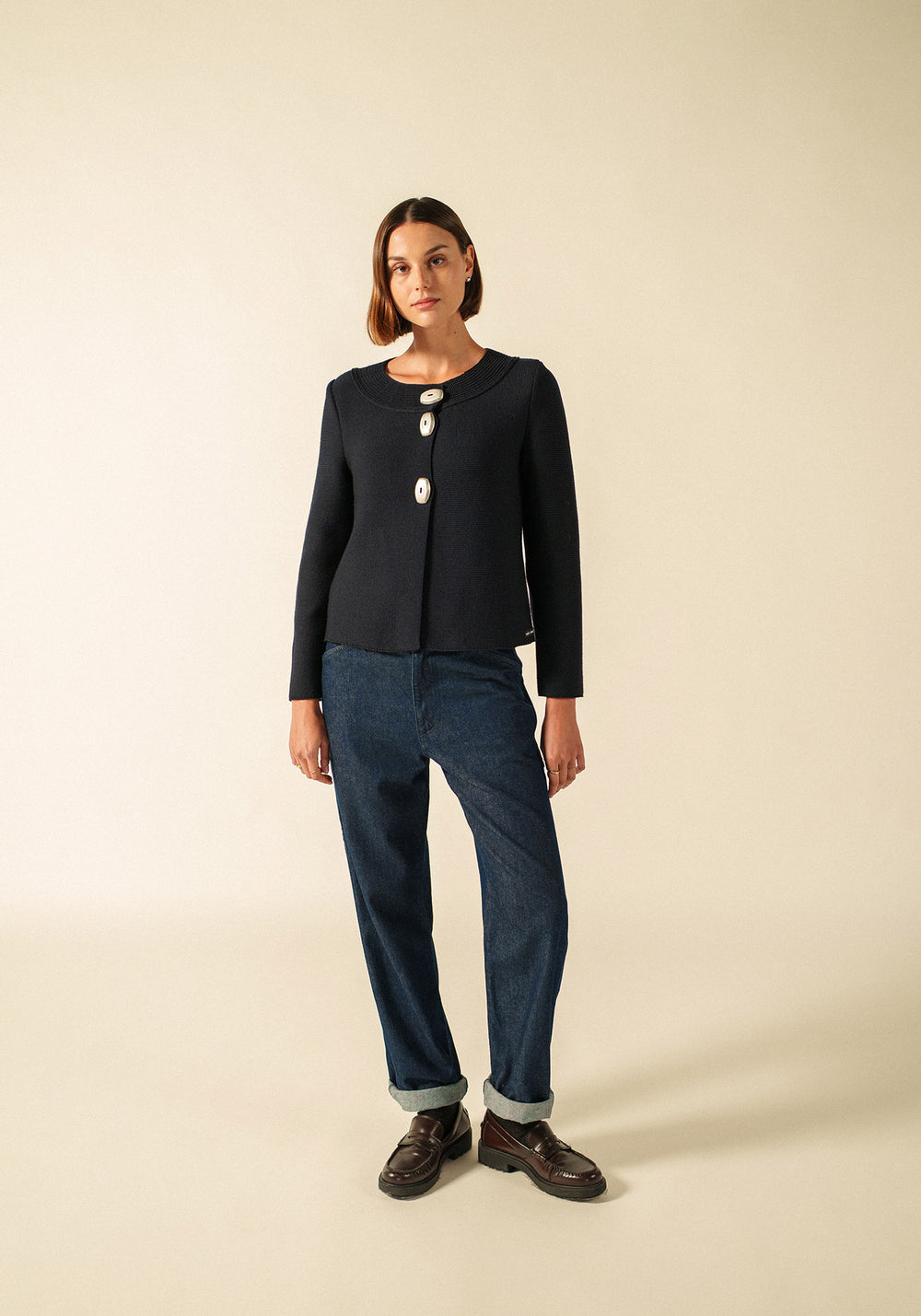
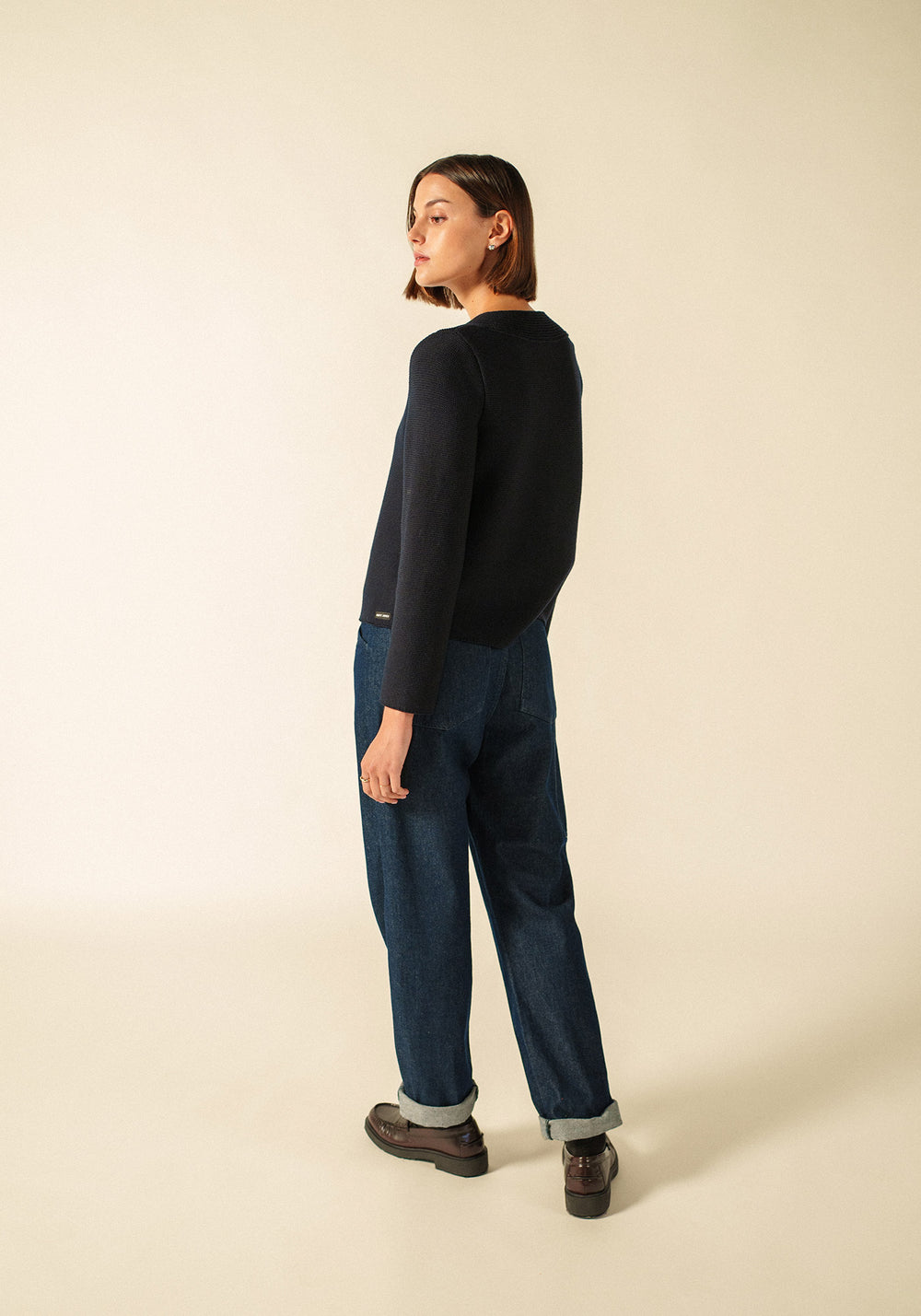
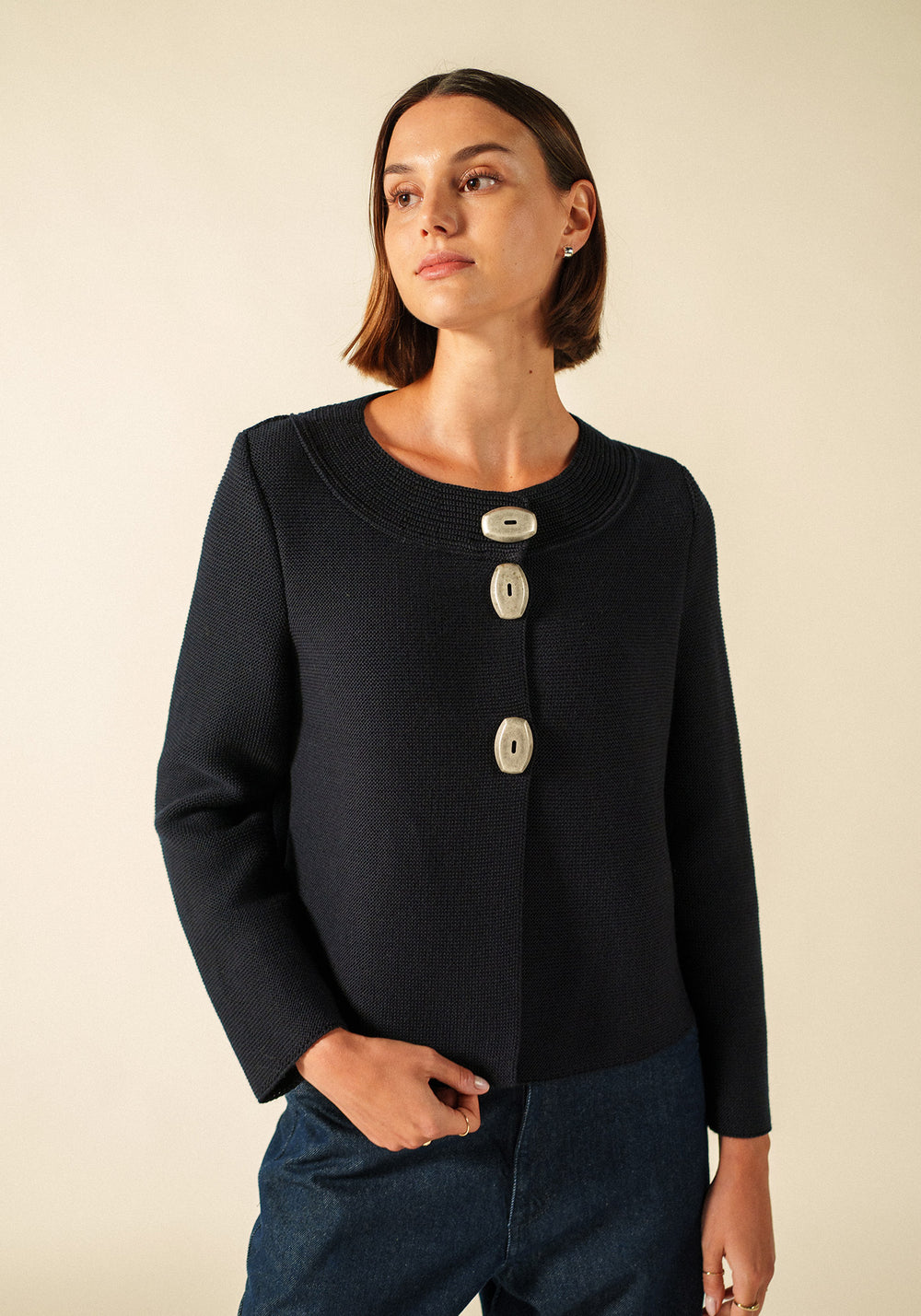
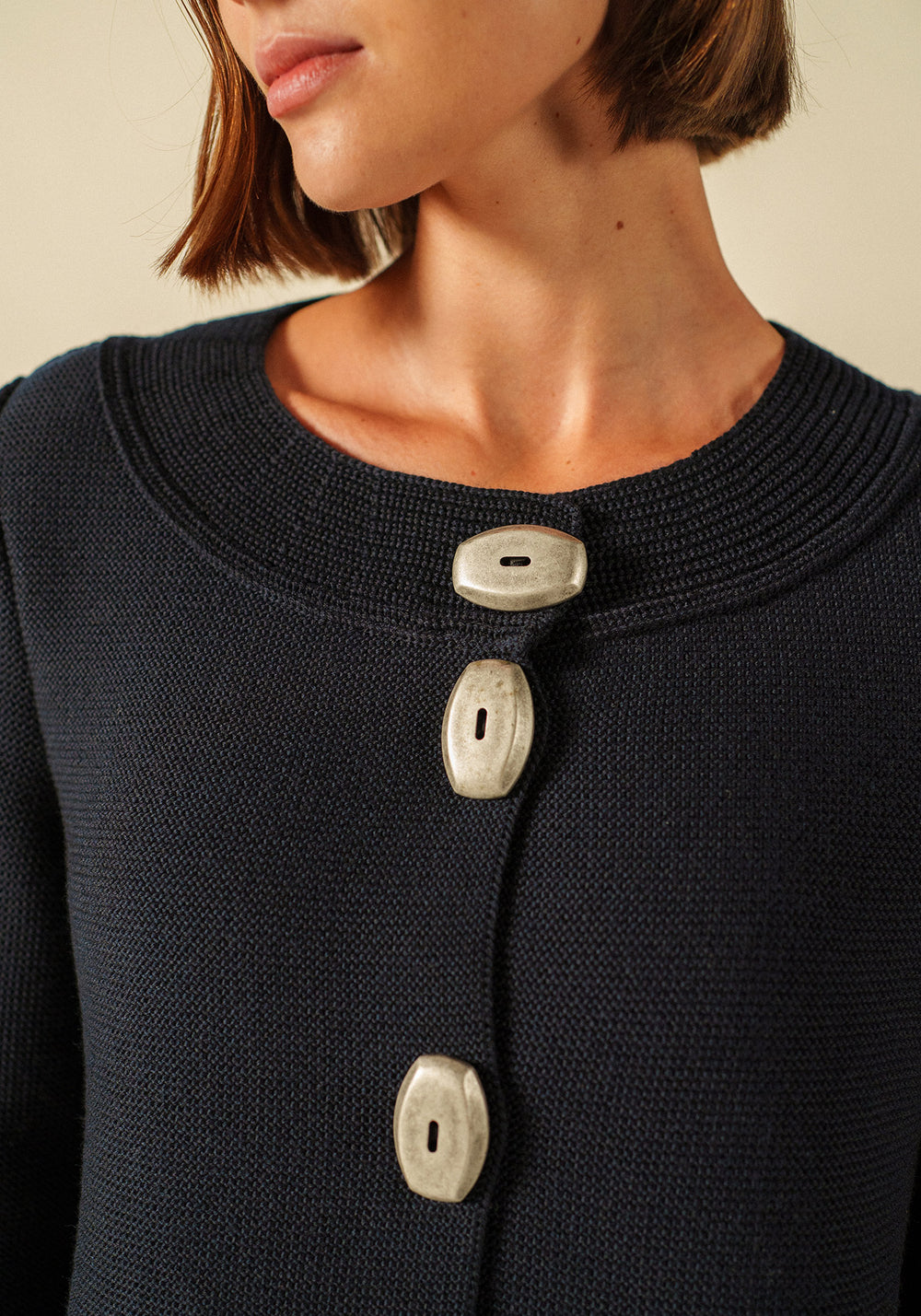
Icons of SAINT JAMES’ signature craftsmanship, knitted garments can be worn in every season. Jumpers, cardigans, scarves, hats, socks — whether lightweight or cosy, our knitwear is always comfortable and flexible, offering a relaxed, classic, or casual-chic style.
Page n°1













Previously checked
What is knitwear?
The clothes that make up your wardrobe can be made using two different techniques: weaving or knitting.
Woven garments are made from warp and weft threads that interlace to form a fabric. The various pattern pieces that make up the garment are then cut from this fabric before being assembled.
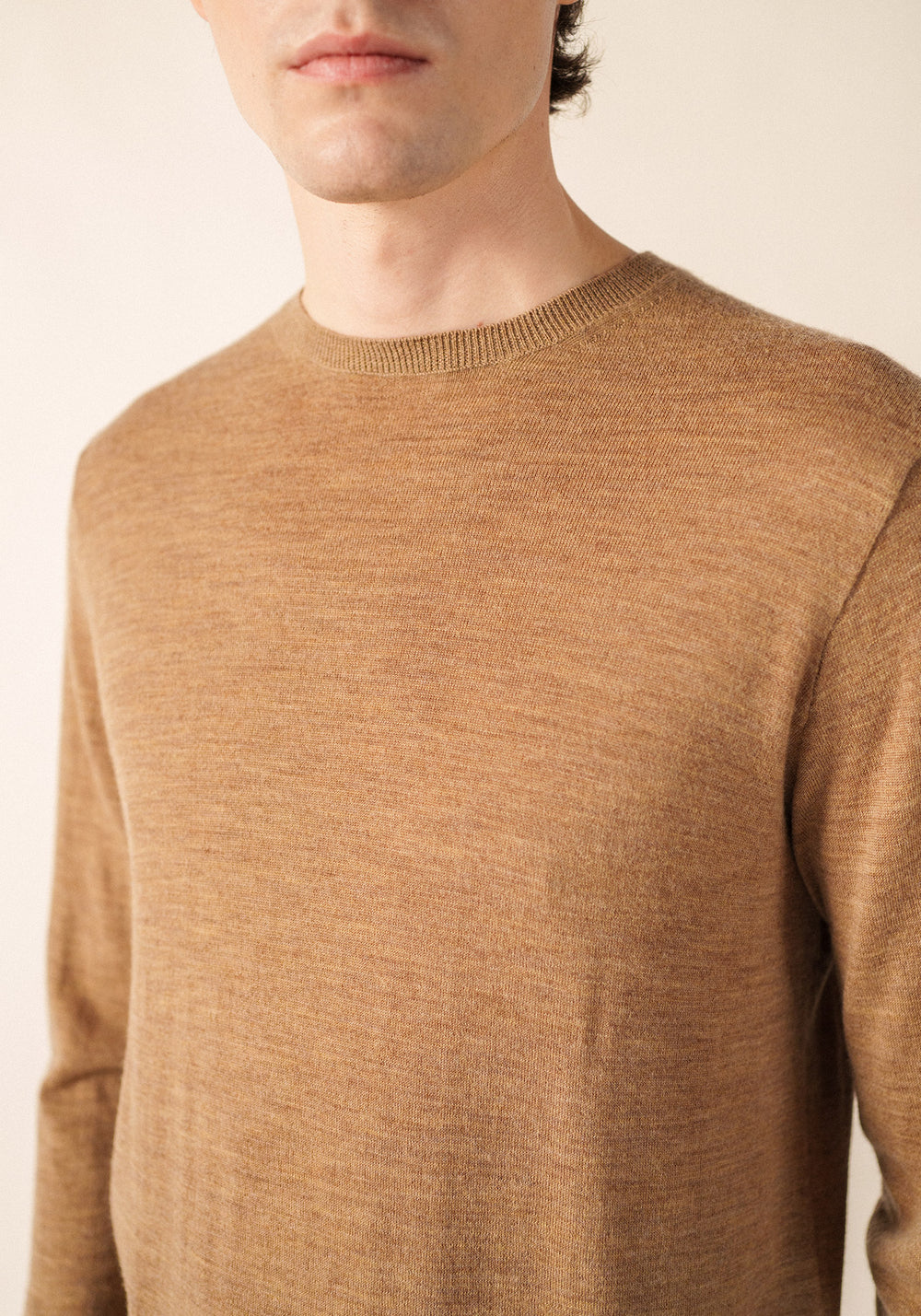
Knitted garments, on the other hand, are not woven but knitted. They are created from a single yarn worked in successive rows that interloop to form the textile. This process gives knitwear its unique flexibility — as the yarn forms loops instead of being held taut, the fabric can stretch easily.
Contrary to popular belief, knitwear is not always made from wool. Many pieces are also crafted in cotton or synthetic fibres. Whatever the material, knitted garments offer great comfort, naturally adapting to the body’s shape without restricting movement.
There are several types of knitting techniques, each creating different textures and finishes. Among the most common are:
-
Warp knitting: also called chain knitting, this technique forms chain-like loops along the length of the fabric, which then interlace across its width. It is used, for example, in jacquard knits.
-
Weft knitting: made up of loops running across the width of the fabric, layered one above the other. Common examples include jersey or interlock knits.
-
Reverse knitting: this technique alternates columns of knit and purl stitches, creating a pattern that appears in negative on the reverse side of the fabric.
-
Transferred knitting: used to create openwork or textured fabrics such as honeycomb or cable knits, by transferring loops from one needle to another.
Other variations include elongated stitches, tucked stitches, and inlaid stitches, each adding unique relief and structure to the fabric.
Which knit for which season?
Although knitwear is often associated with winter, it can be worn comfortably all year round. In spring, autumn, or even summer, knits offer lightness, comfort, and effortless elegance.
Mid-season or summer knitwear is often made from cotton, a natural fibre with many benefits. Less insulating than wool, it is nonetheless breathable and comfortable. Unlike synthetic fibres, it doesn’t trap heat or moisture, allowing the skin to breathe.
Cotton knits are also easier to care for and generally more affordable than wool. They can be washed at higher temperatures and ironed without difficulty.
Other natural fibres, such as linen or silk, are also ideal for warmer weather. Blended with cotton, they produce quality knitwear that feels fresh and pleasant to wear. Both cotton and linen are thermoregulatory fibres, capable of absorbing moisture without feeling damp and allowing air to circulate freely for better breathability. Linen can also provide warmth in winter, while silk adds softness and a luxurious feel.
In winter, a wool knit provides essential warmth. Wool is a hygroscopic fibre, meaning it absorbs ambient humidity while releasing heat — keeping you warm and dry in any condition.
Its insulating power is exceptional: wool fibres trap air and retain warmth, protecting you from sudden changes in temperature. A wool knit can contain up to 80% of its weight in air, creating a natural barrier against the cold. Moreover, wool is hypoallergenic and repels dust.
There are many types of wool, from traditional sheep’s wool to luxurious fibres like merino, mohair, cashmere, or alpaca. Classic sheep’s wool is durable and very warm, though sometimes heavy or slightly rough. Merino wool offers a finer, softer feel, while mohair, cashmere, and alpaca bring exceptional softness and lightness to your winter wardrobe.