Sailor jumpers
Discover the iconic SAINT JAMES nautical jumpers, renowned for their superior craftsmanship and the exacting standards applied to the selection of their wool. This is a savoir-faire passed down from generation to generation within the brand's own workshops.
Page n°1


































Previously checked
How are SAINT JAMES sailor jumpers made?
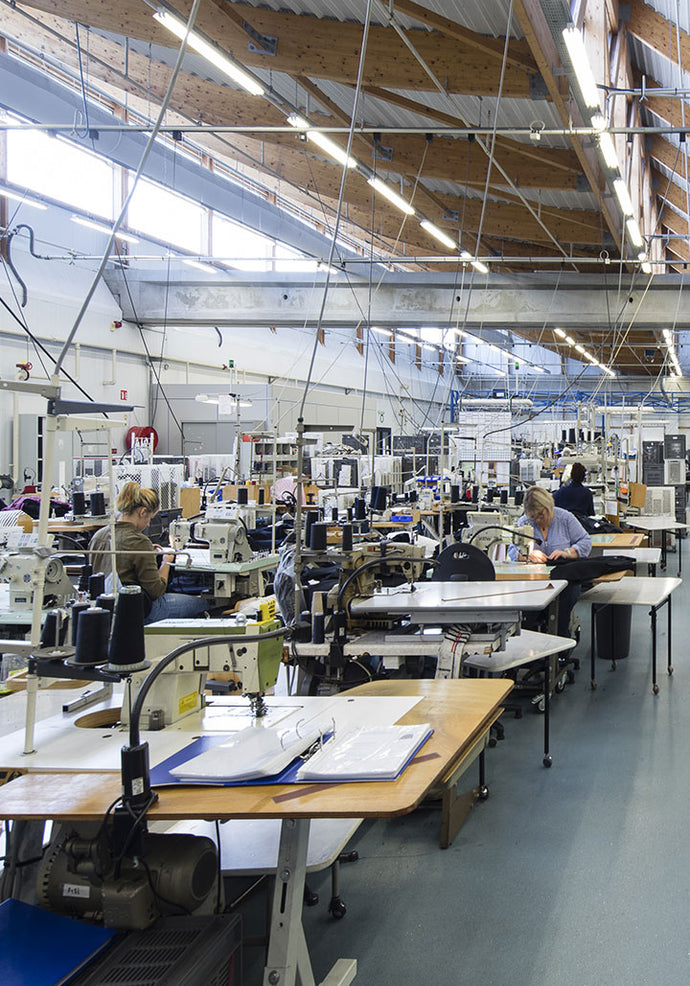
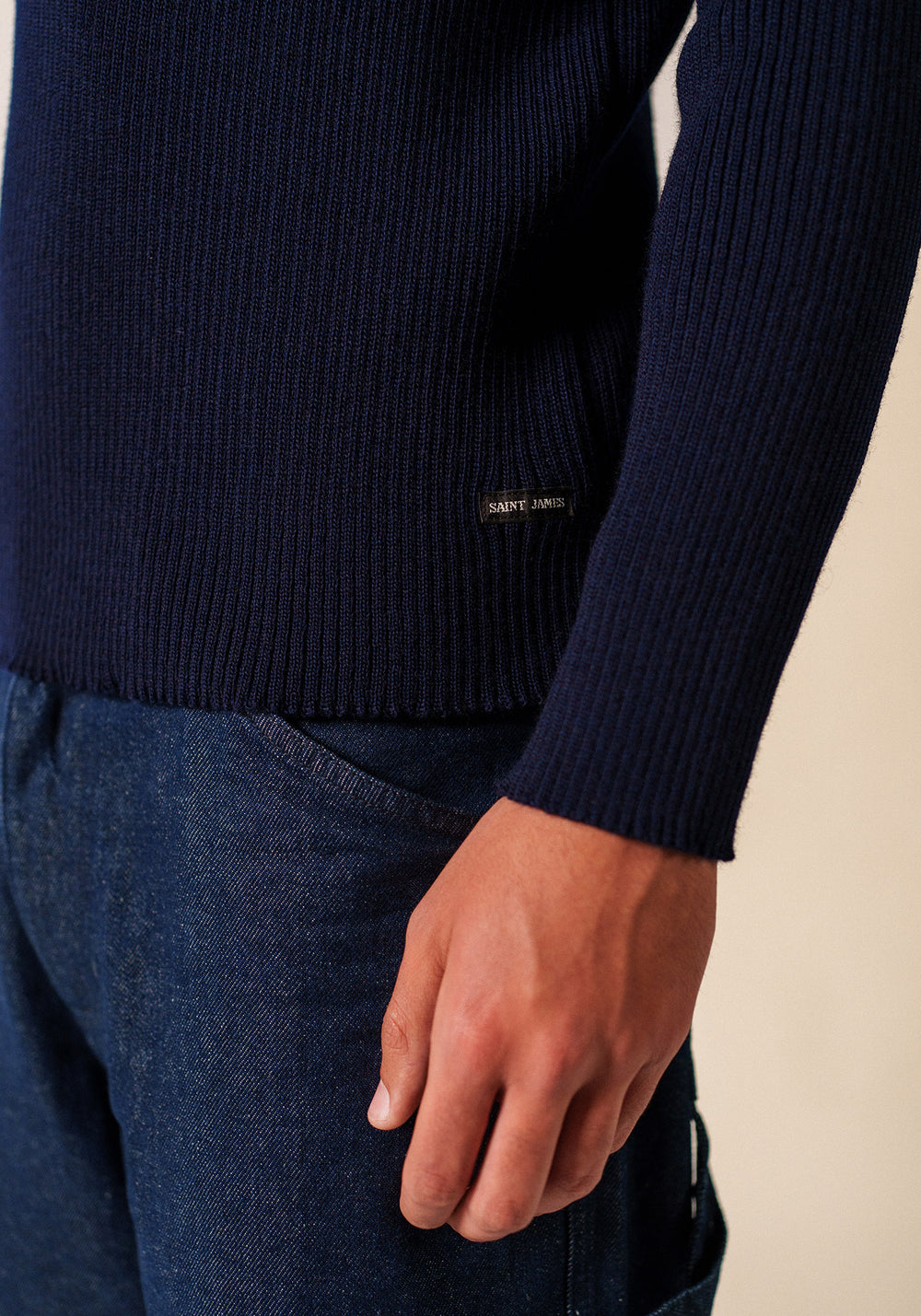
The SAINT JAMES men's sailor jumper is still knitted and manufactured in France today, in keeping with a craft tradition dating back nearly a century and a half. In our workshops in Saint-James, Normandy, the machines are supervised by hosiery makers.
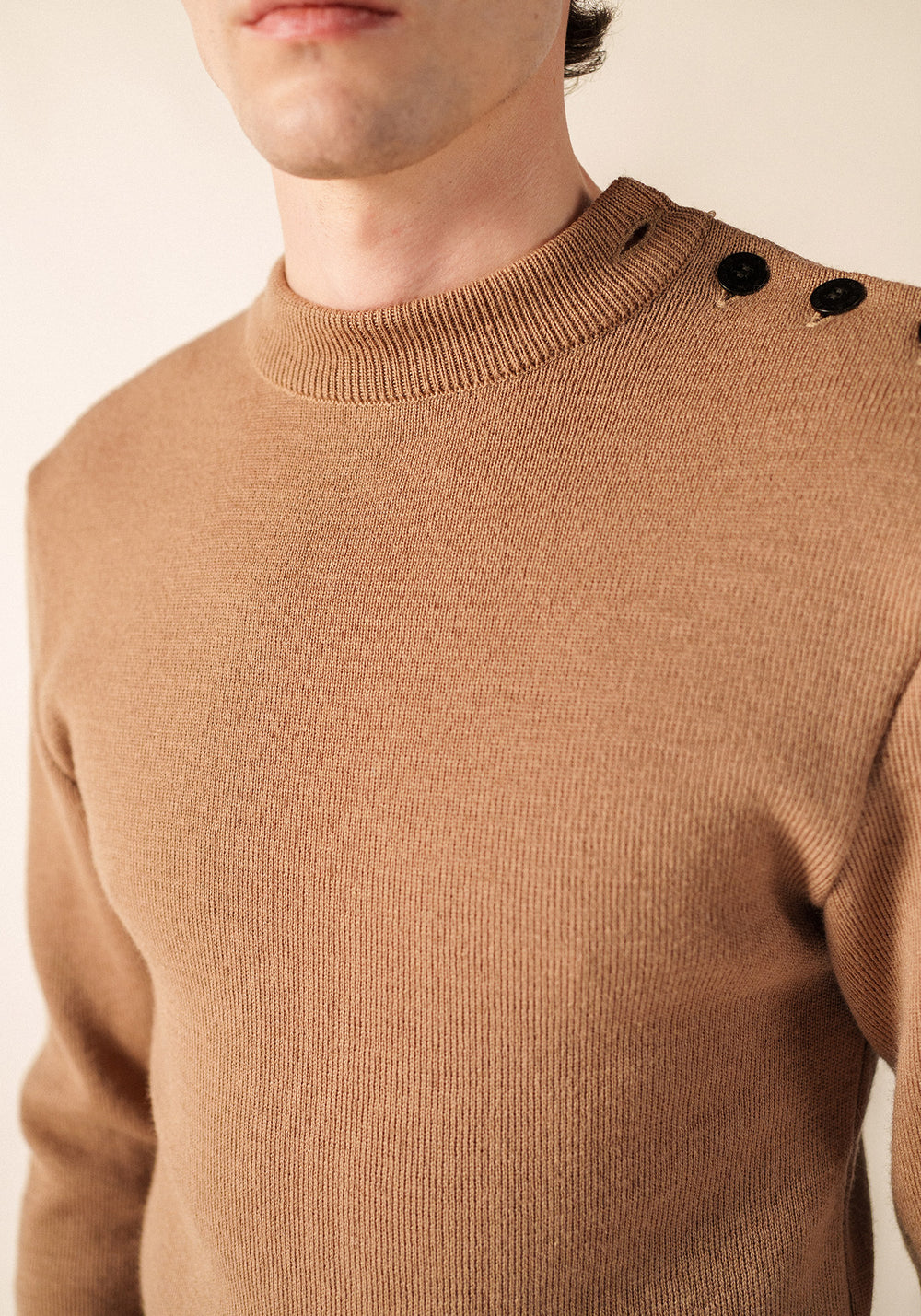
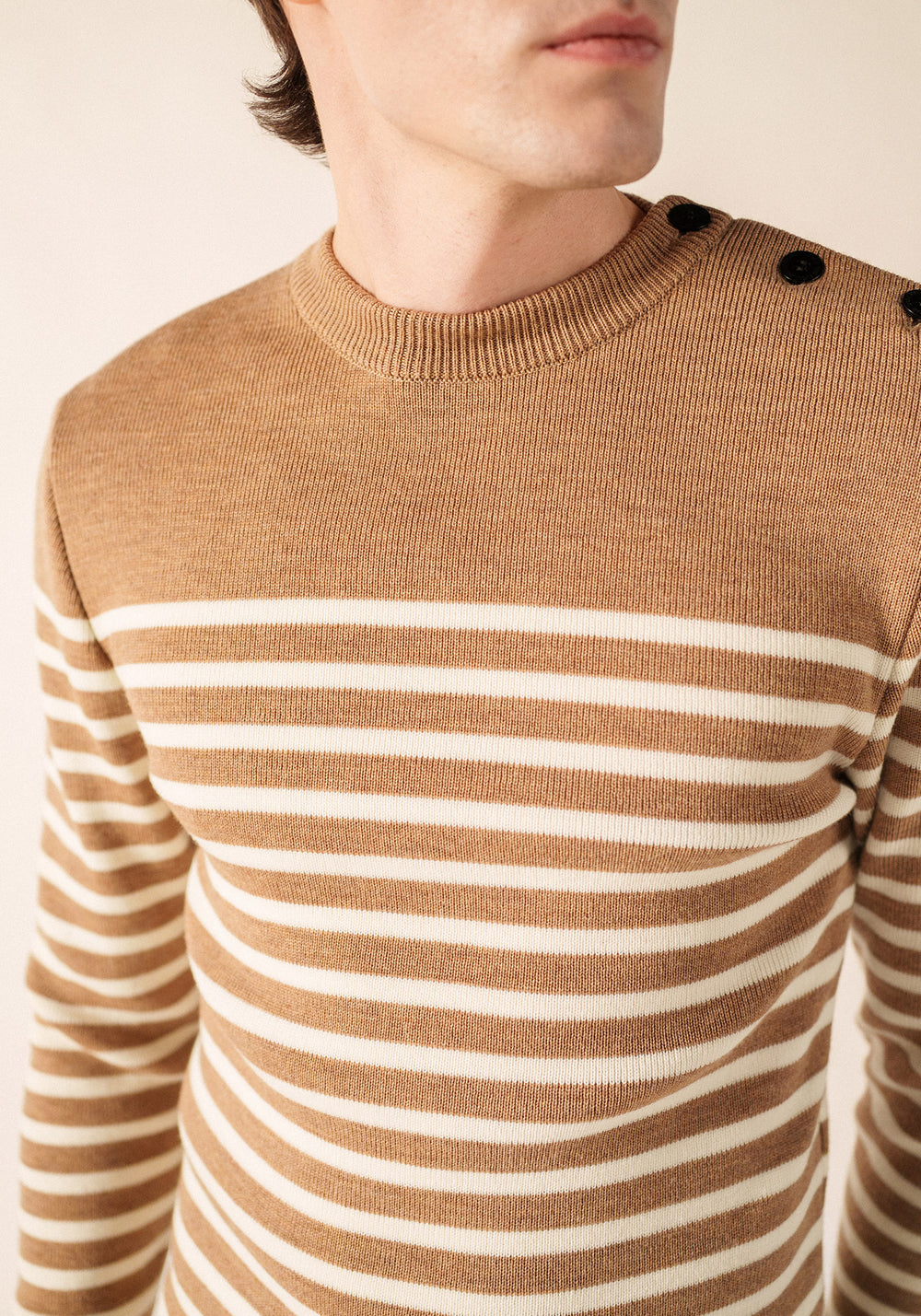
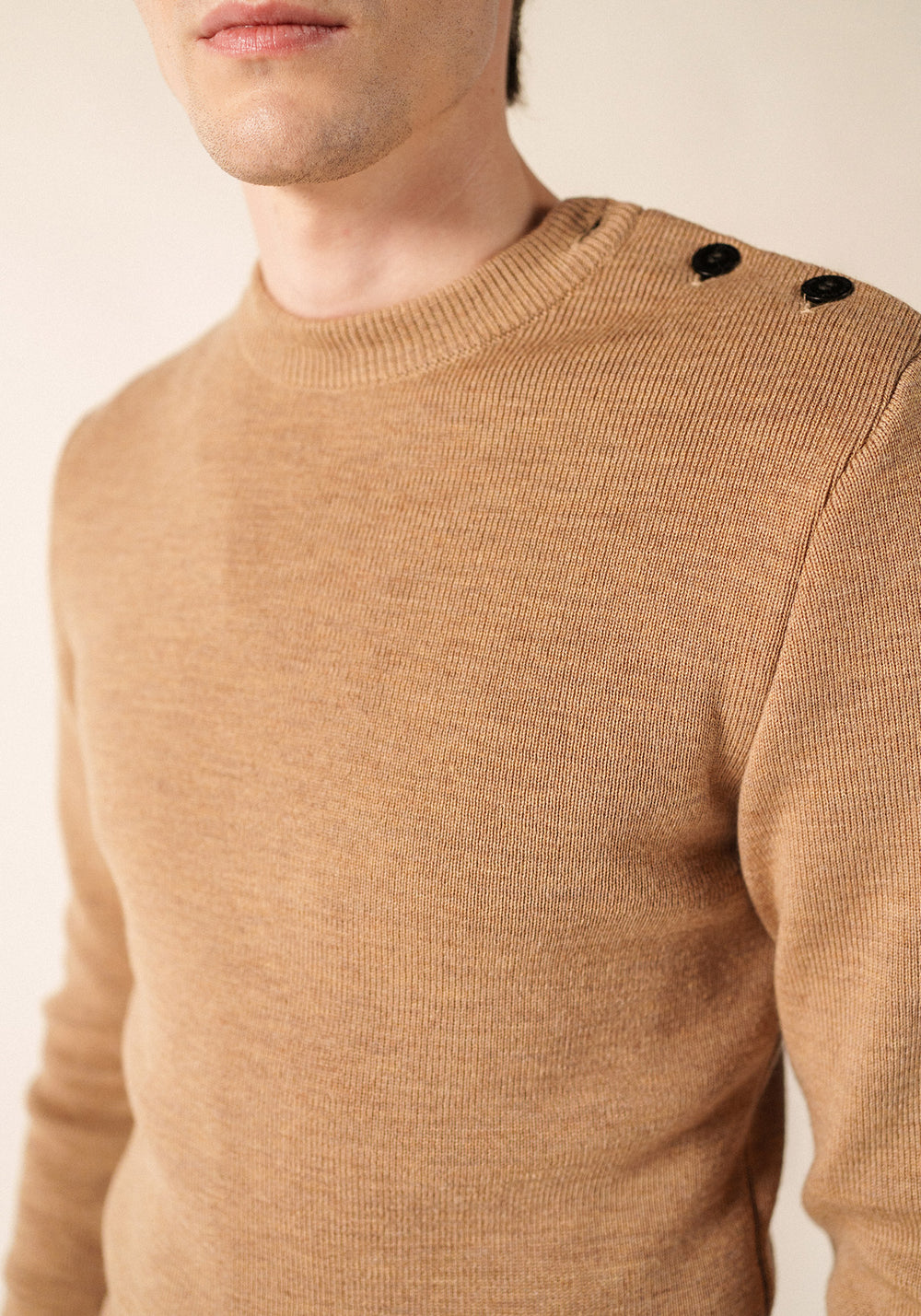
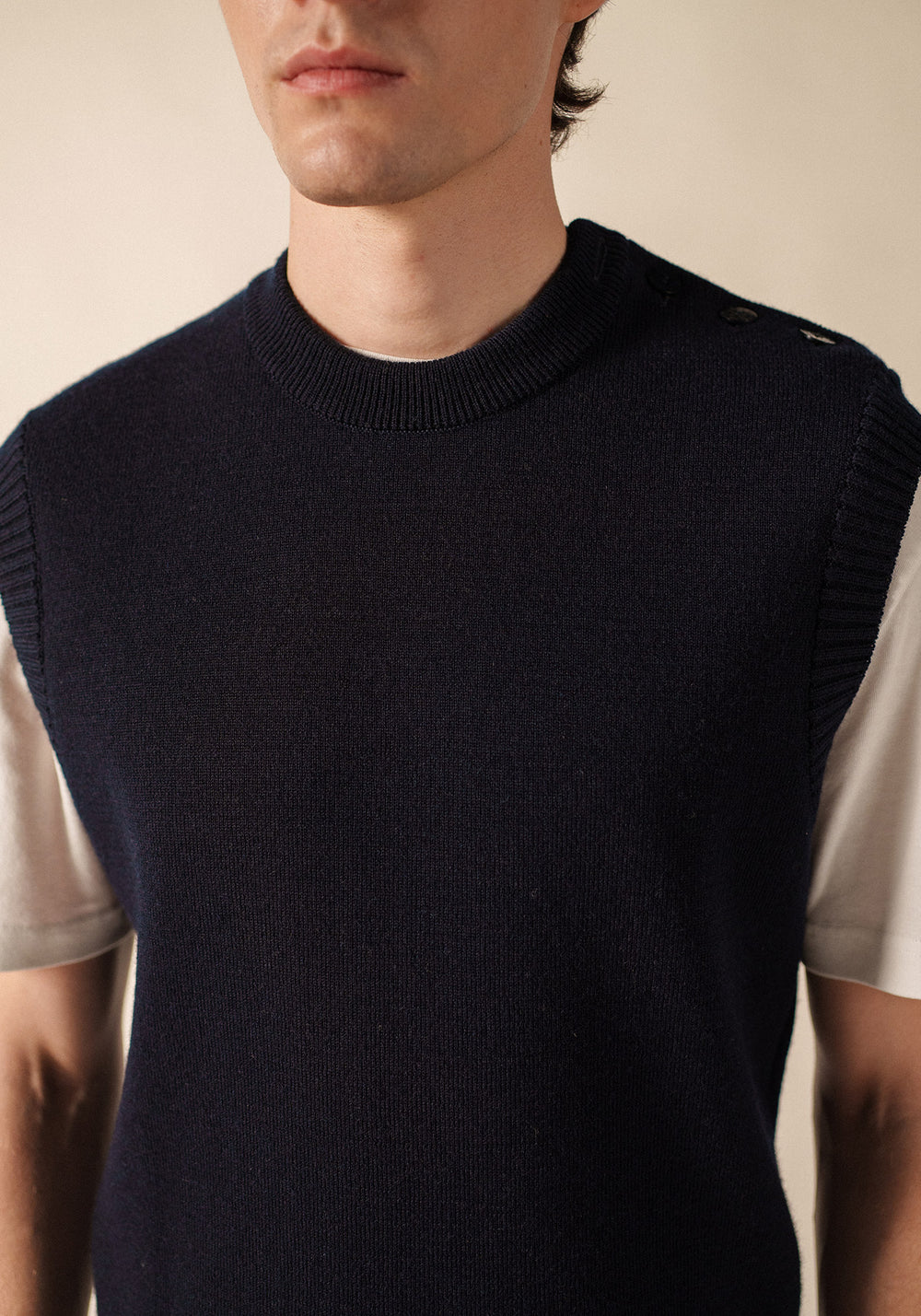
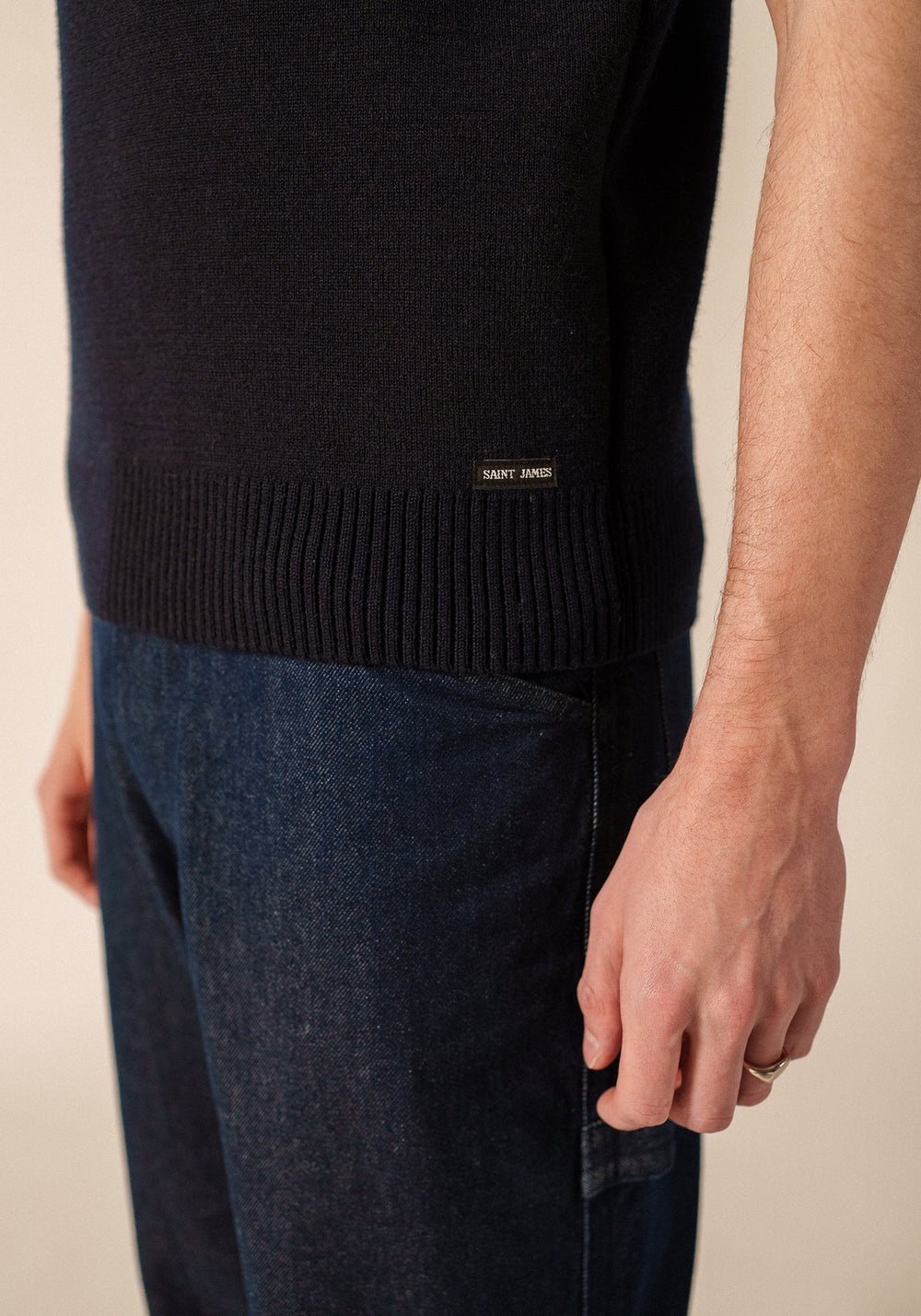
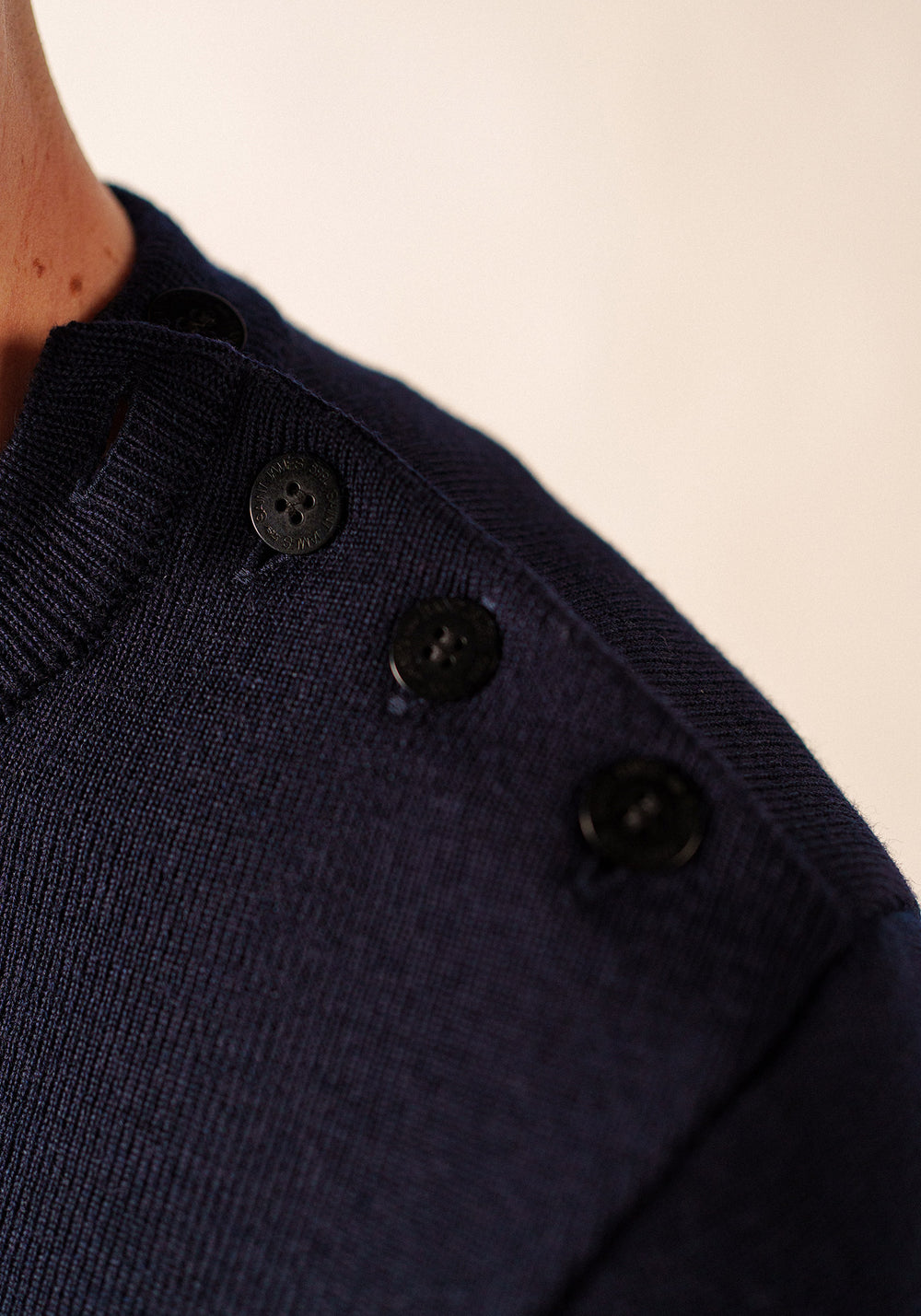
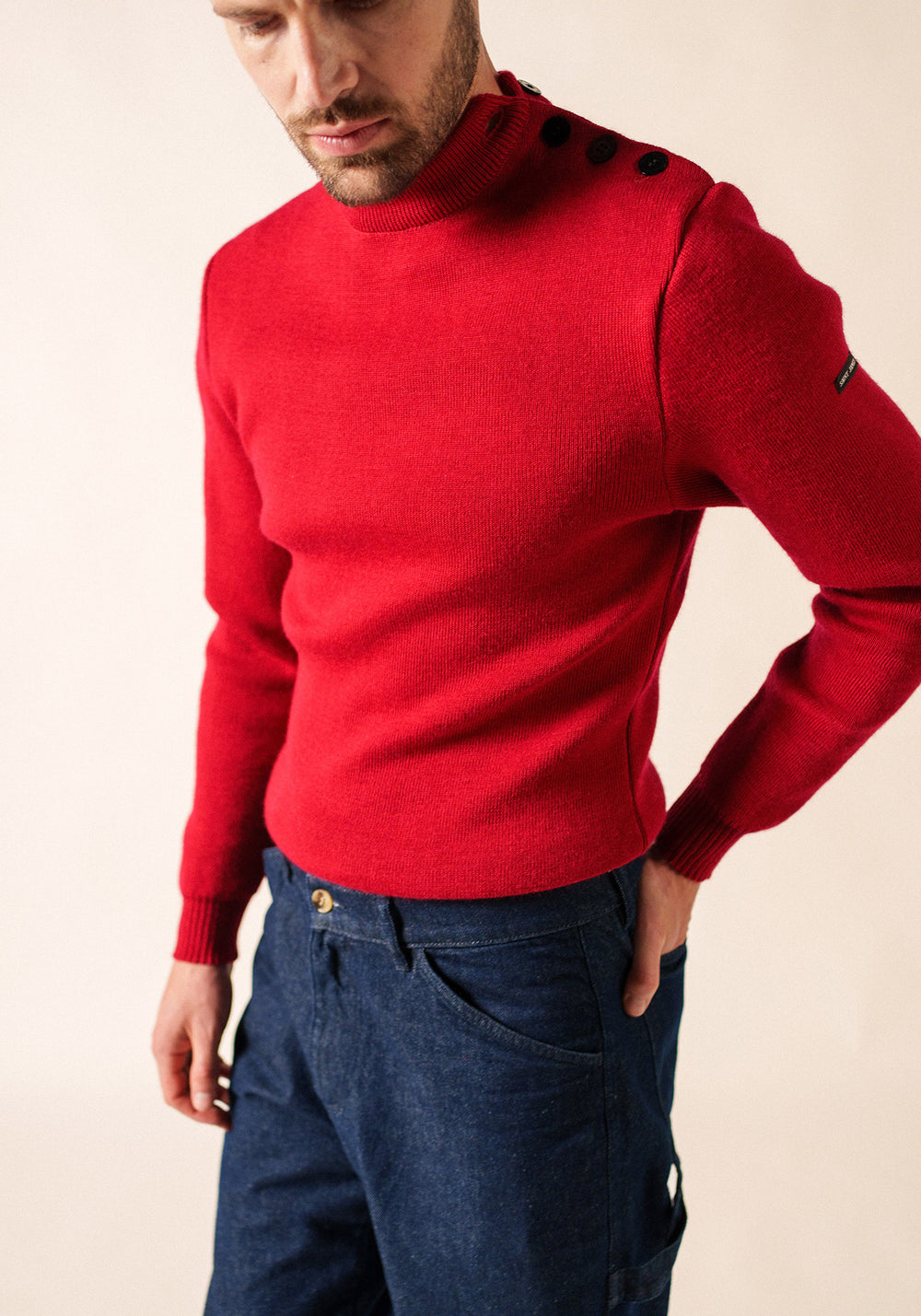
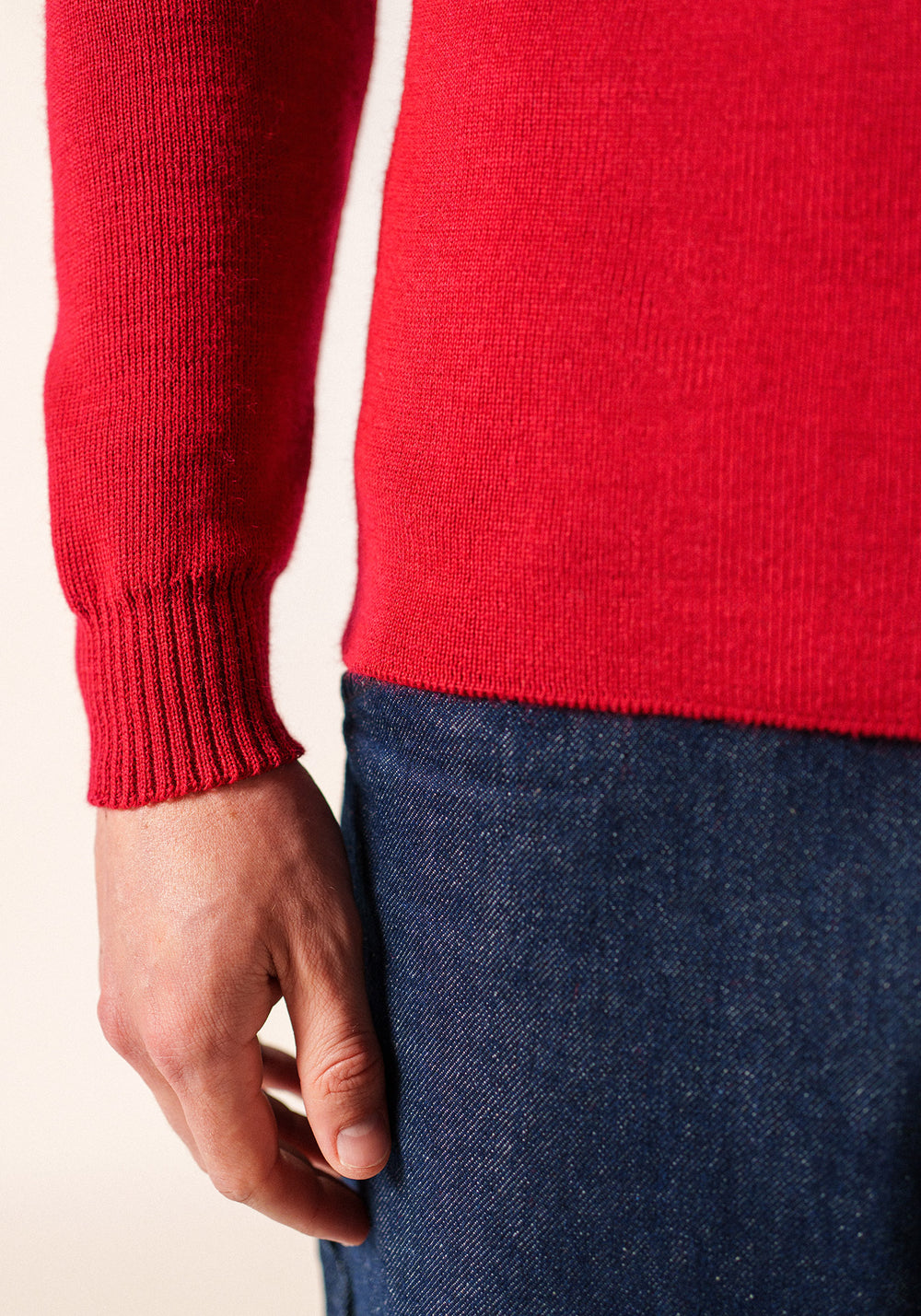
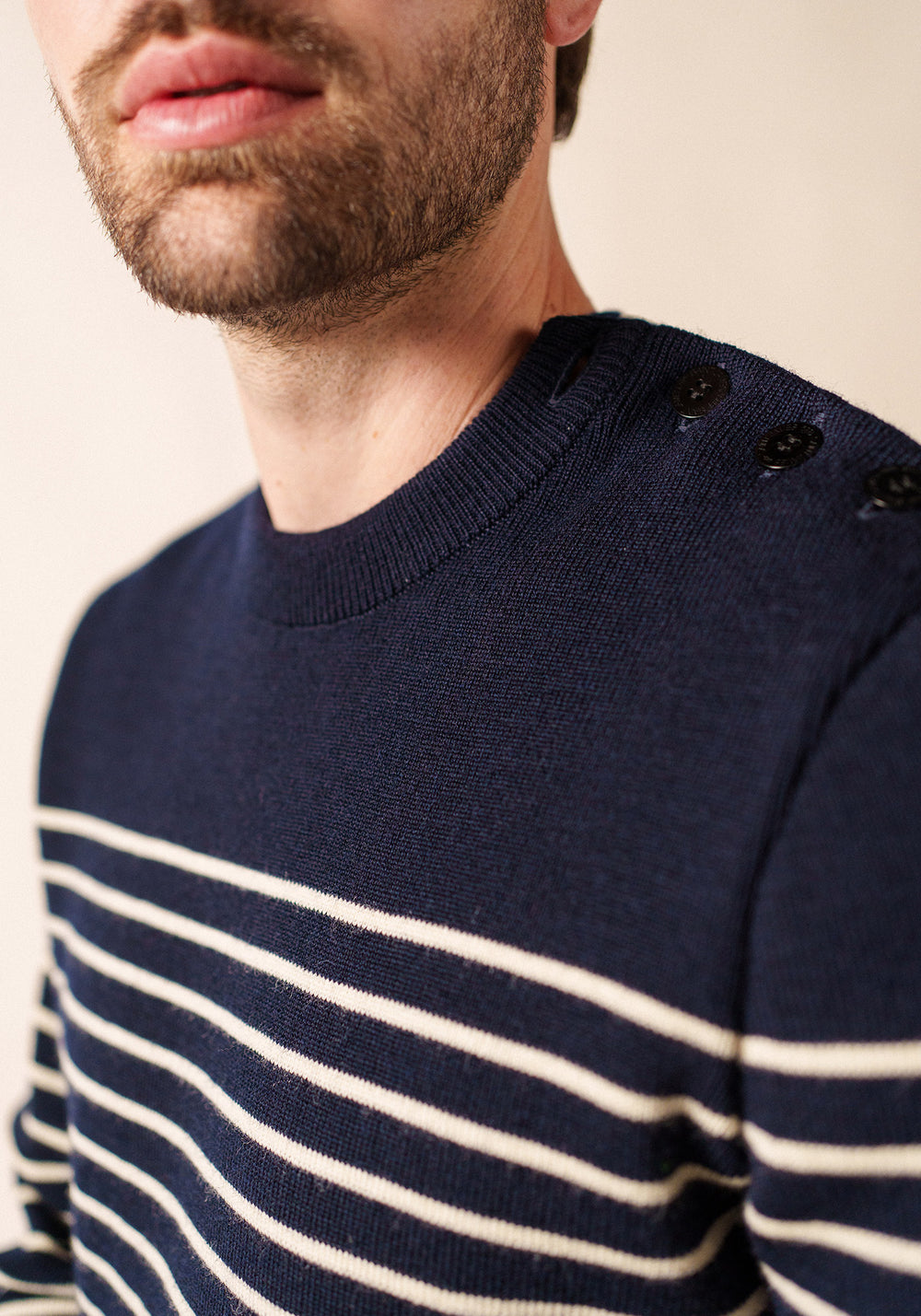
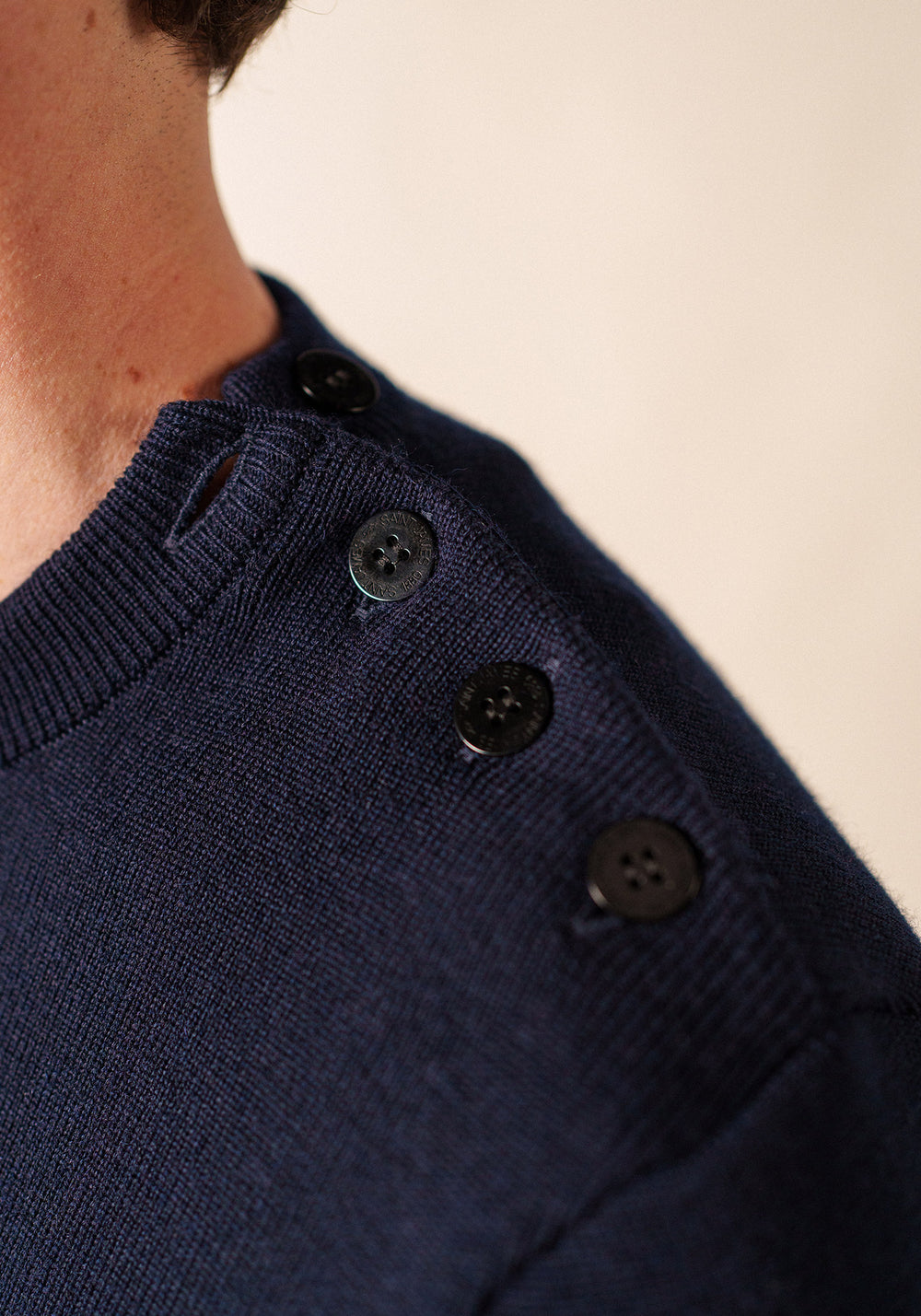
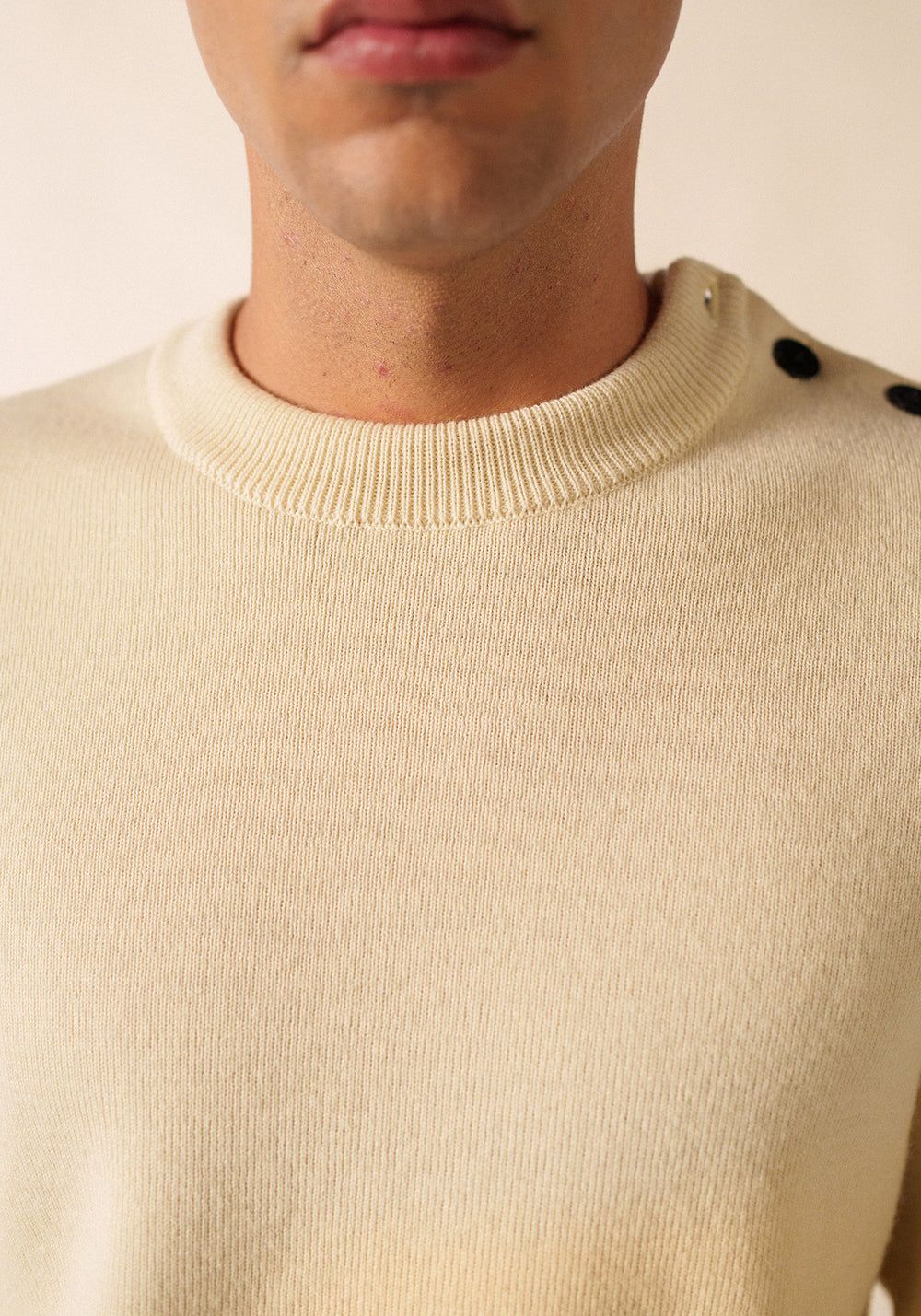
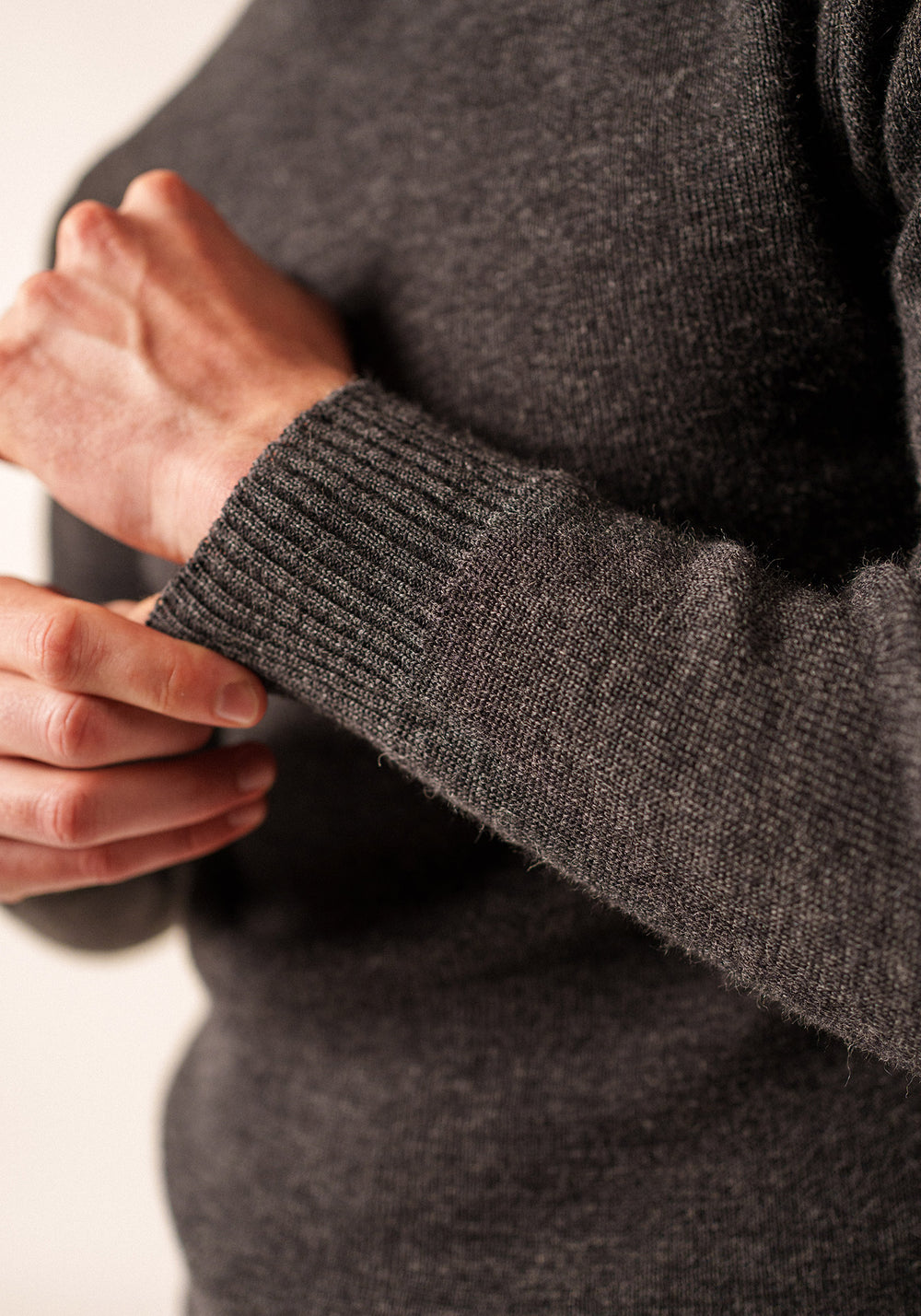
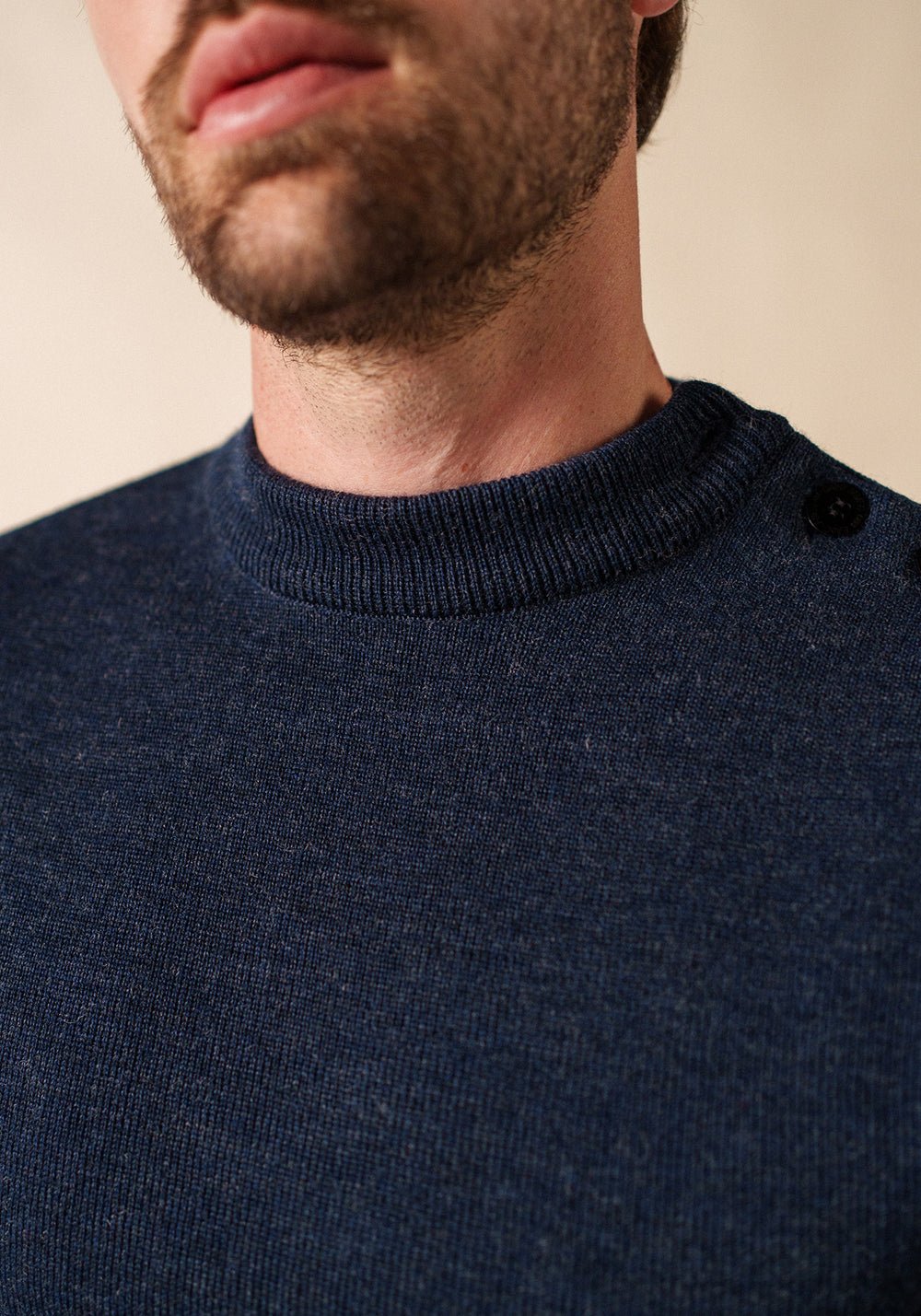
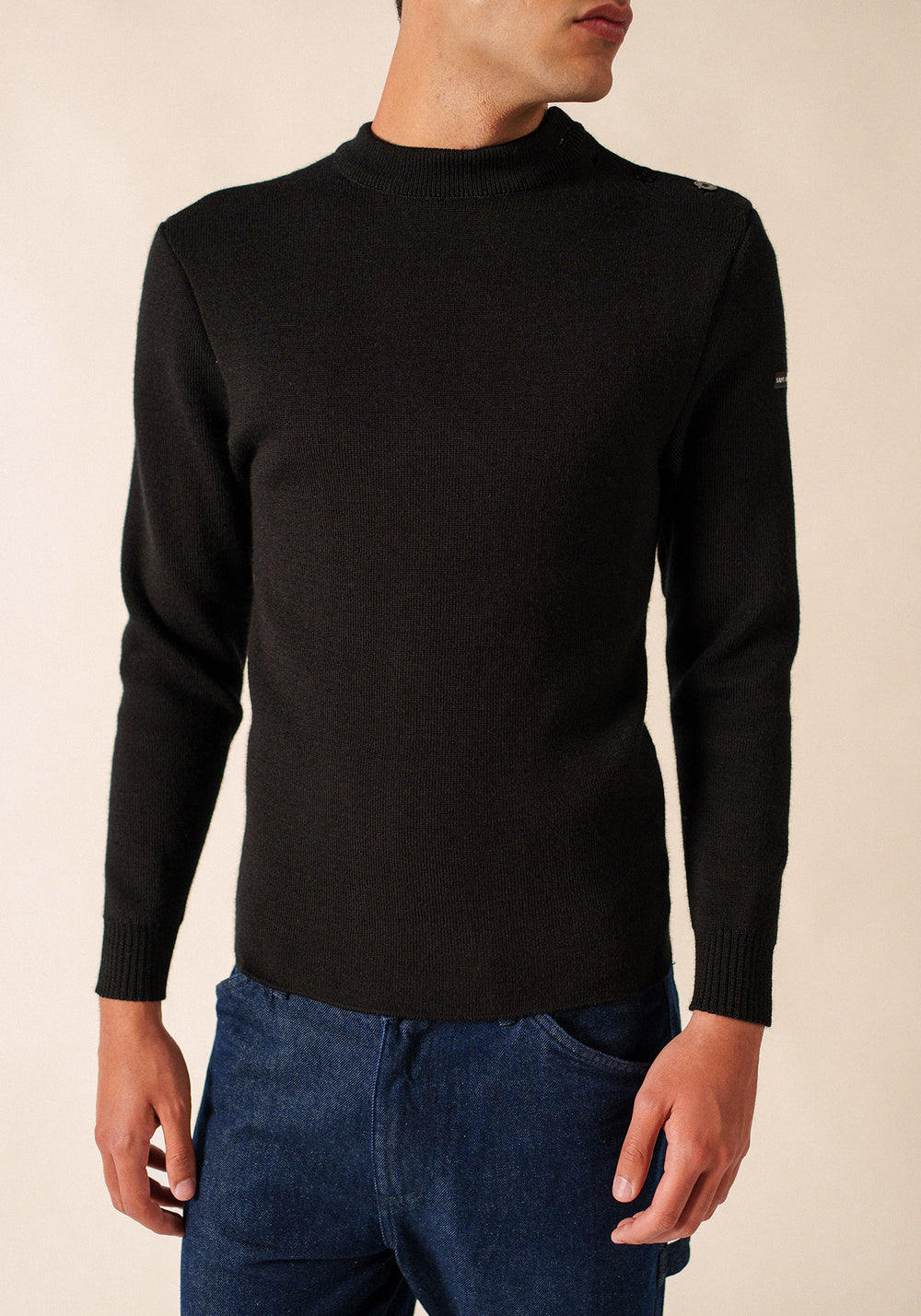
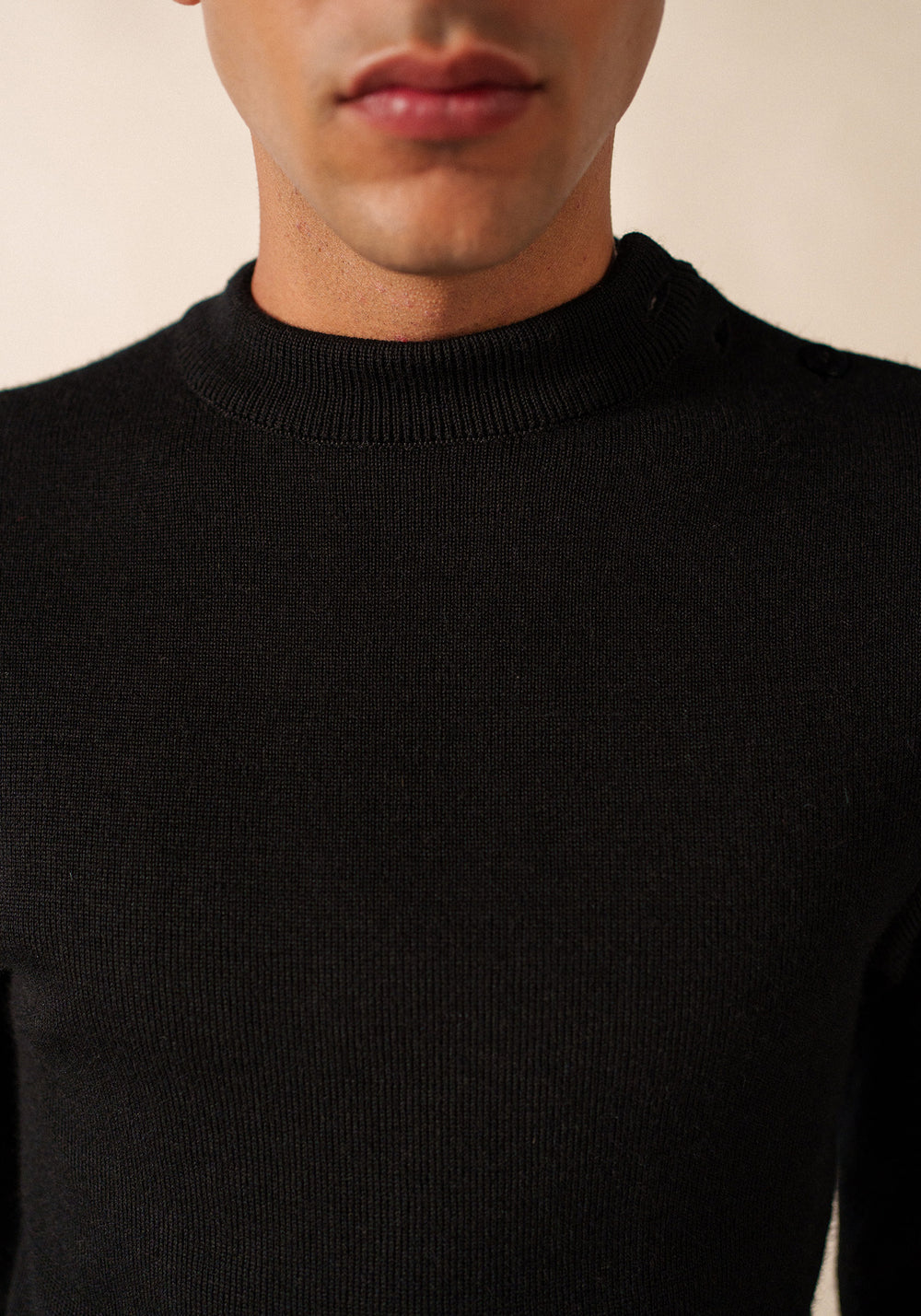
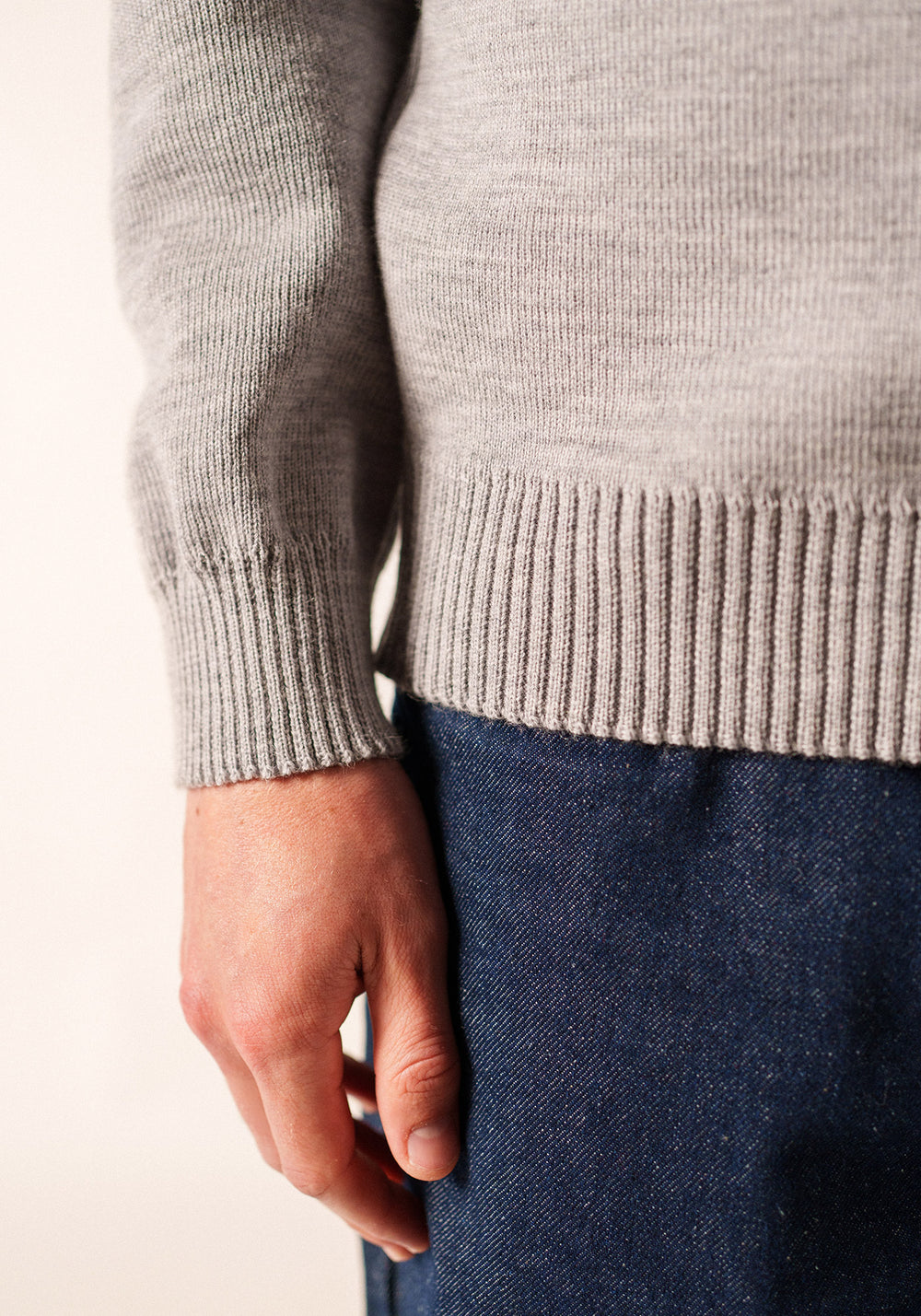
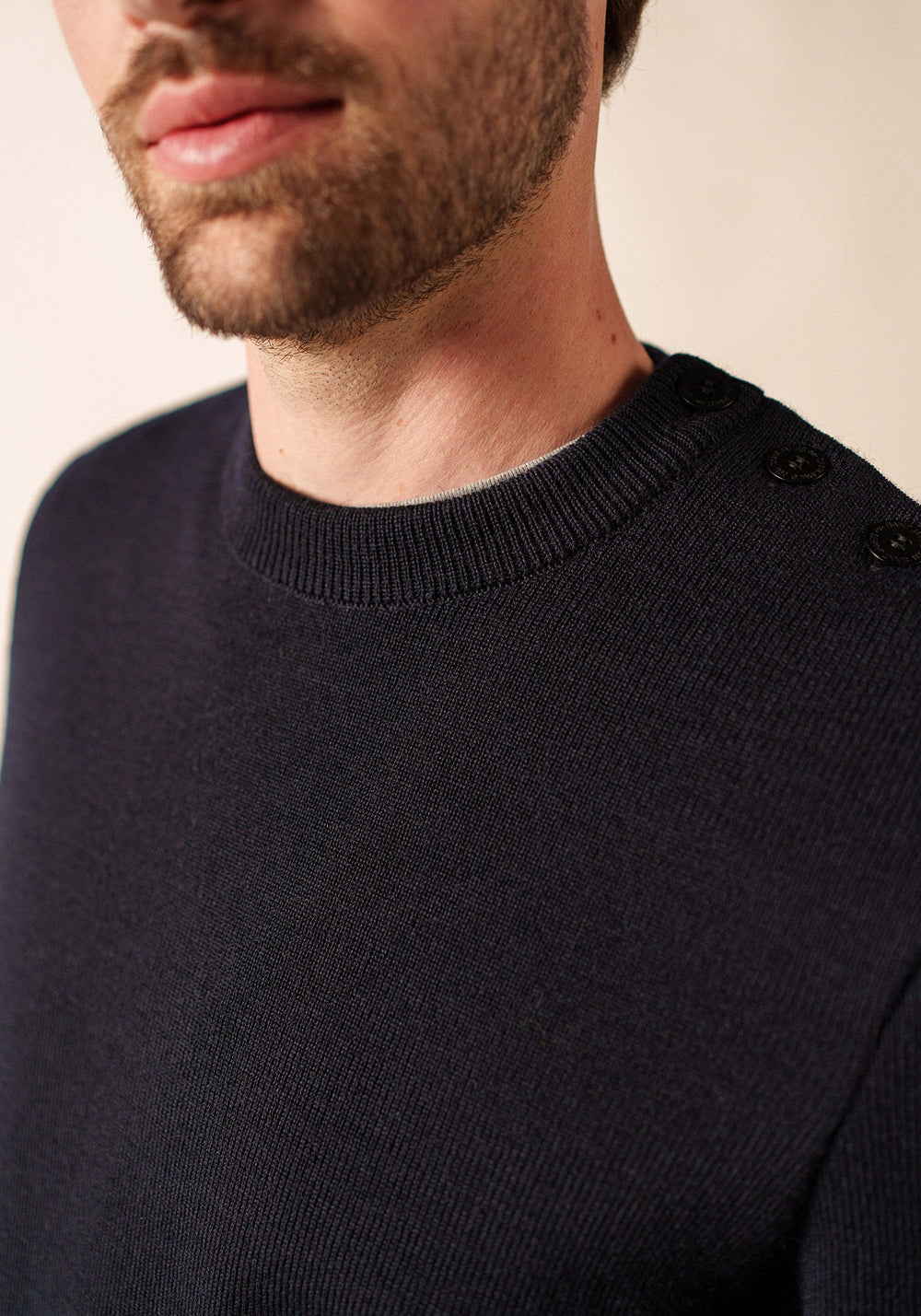
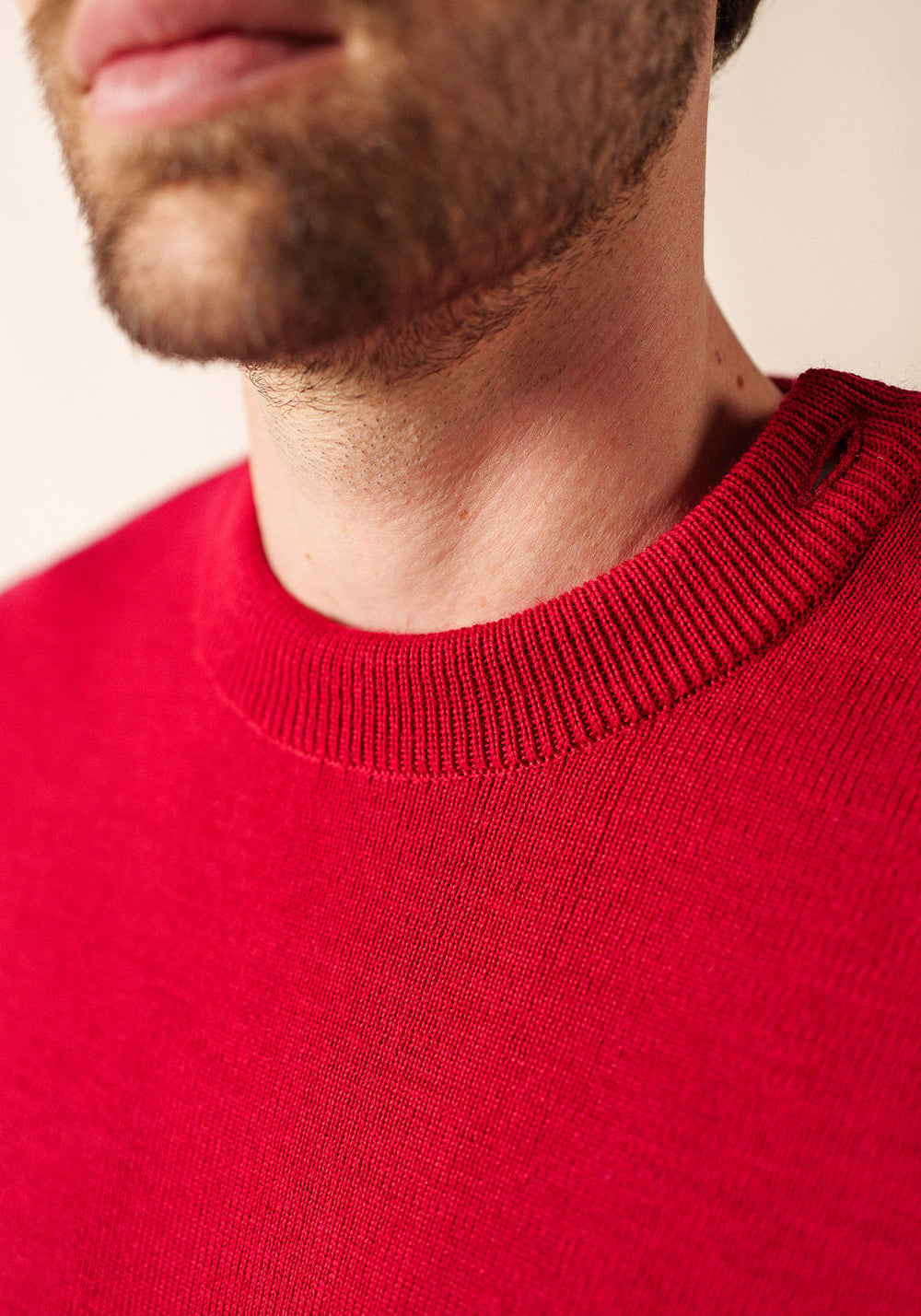
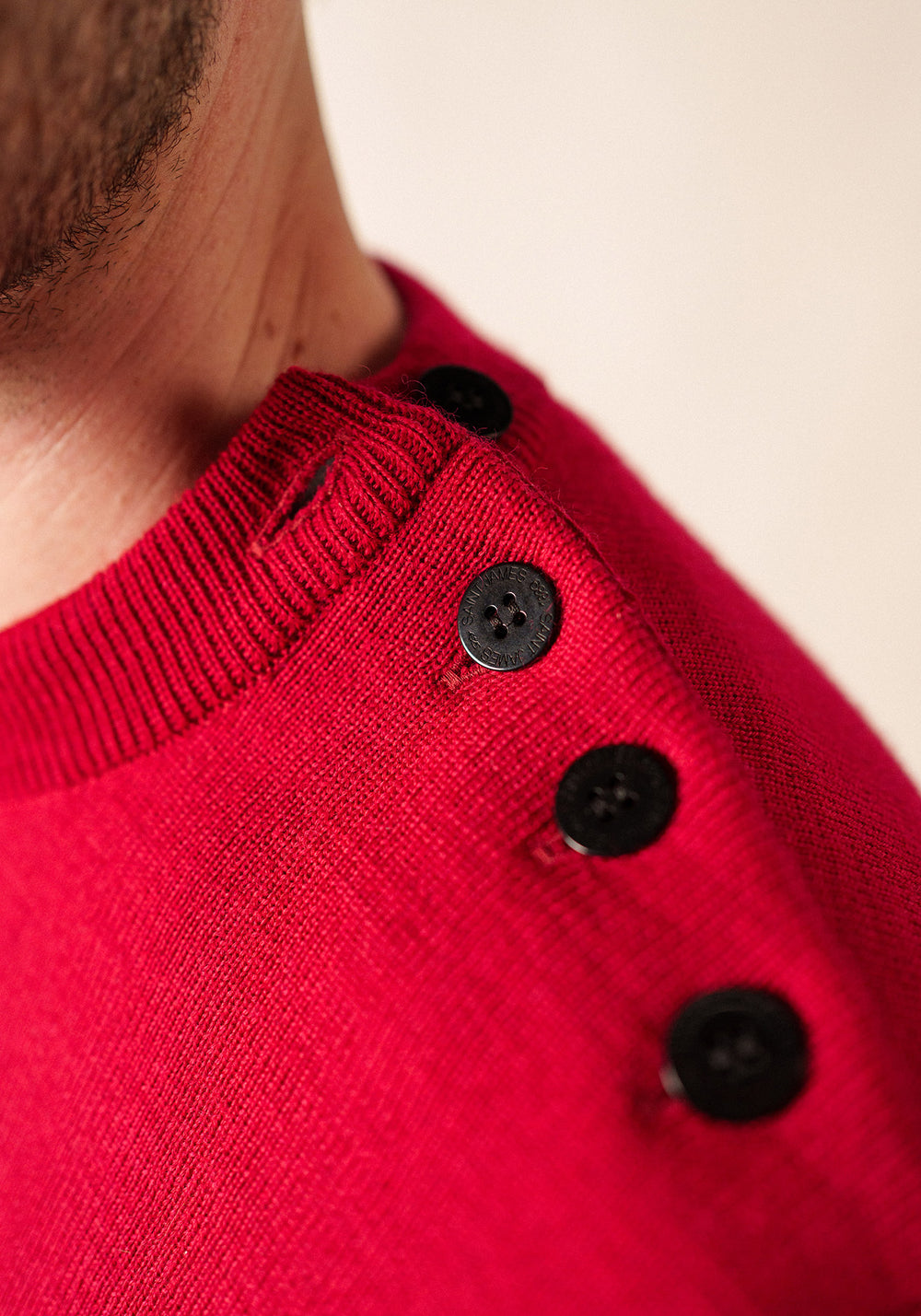
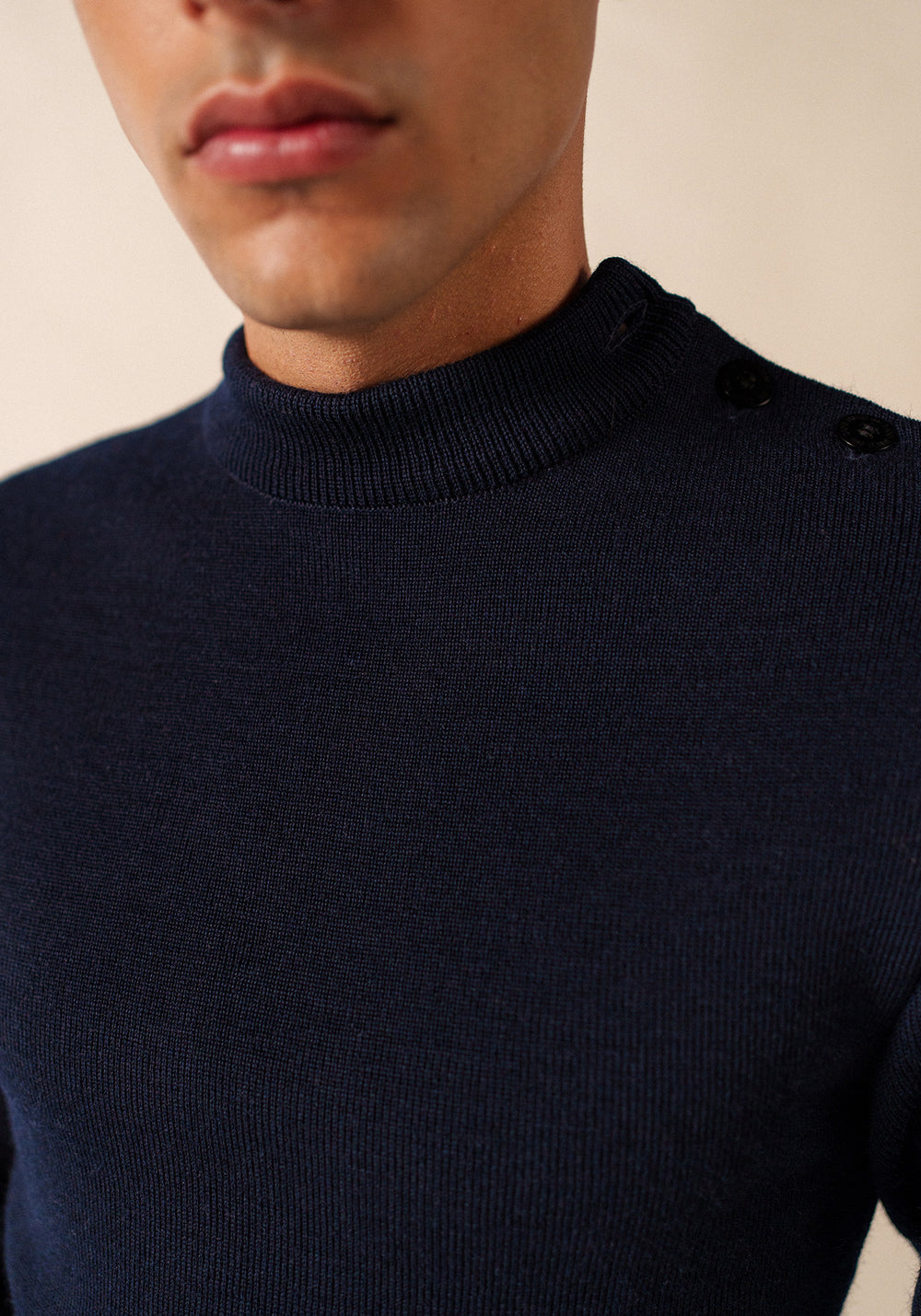
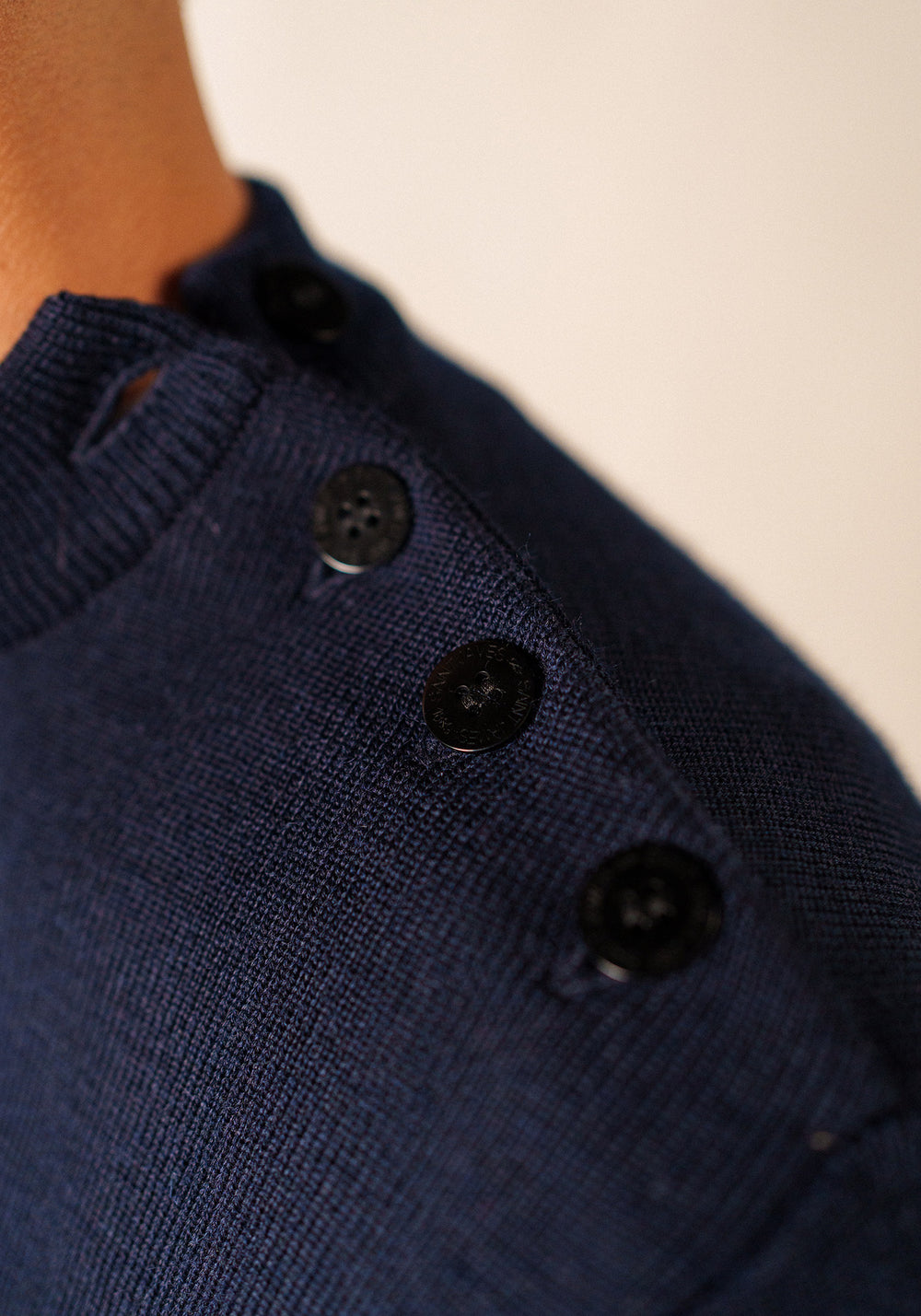
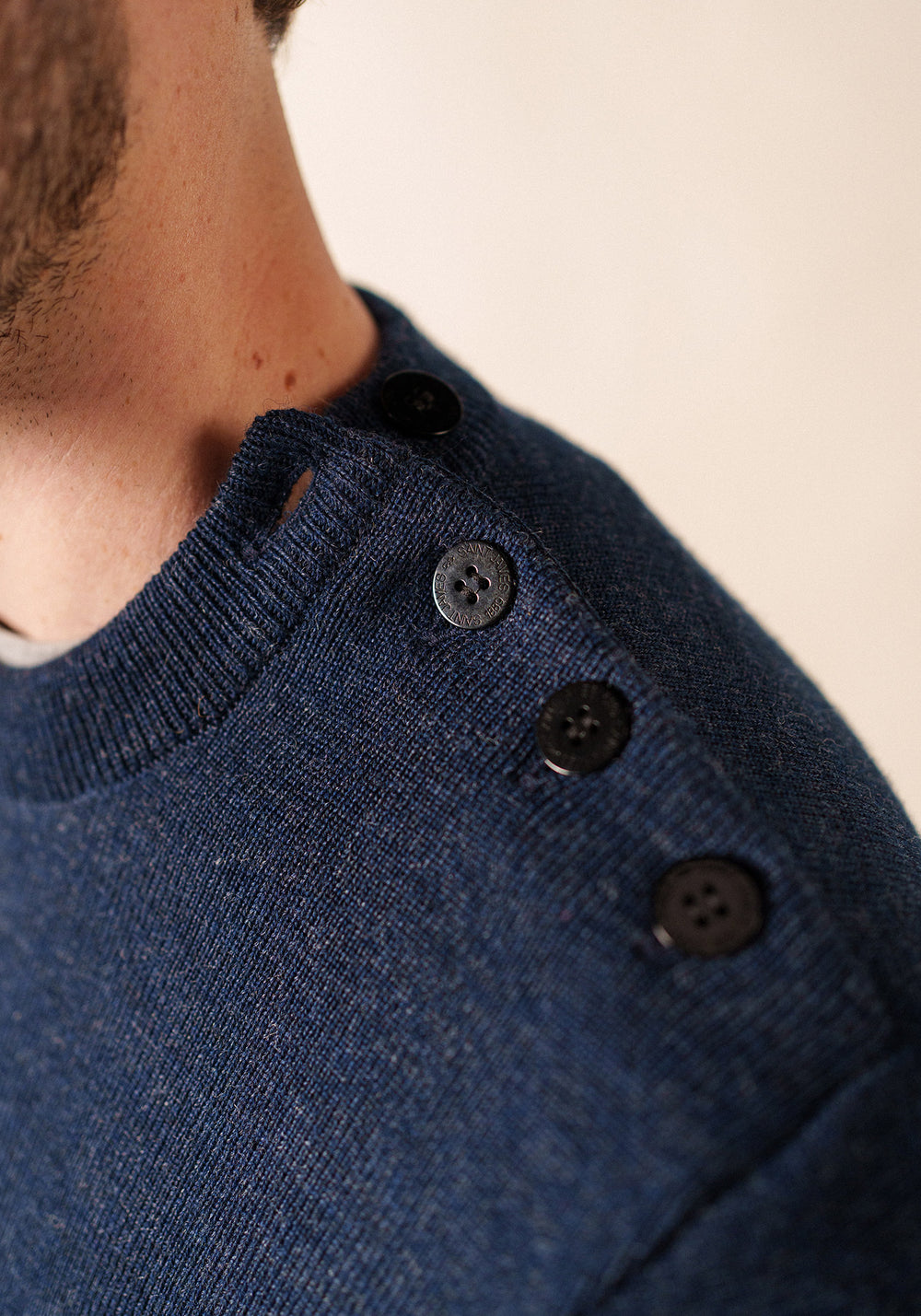
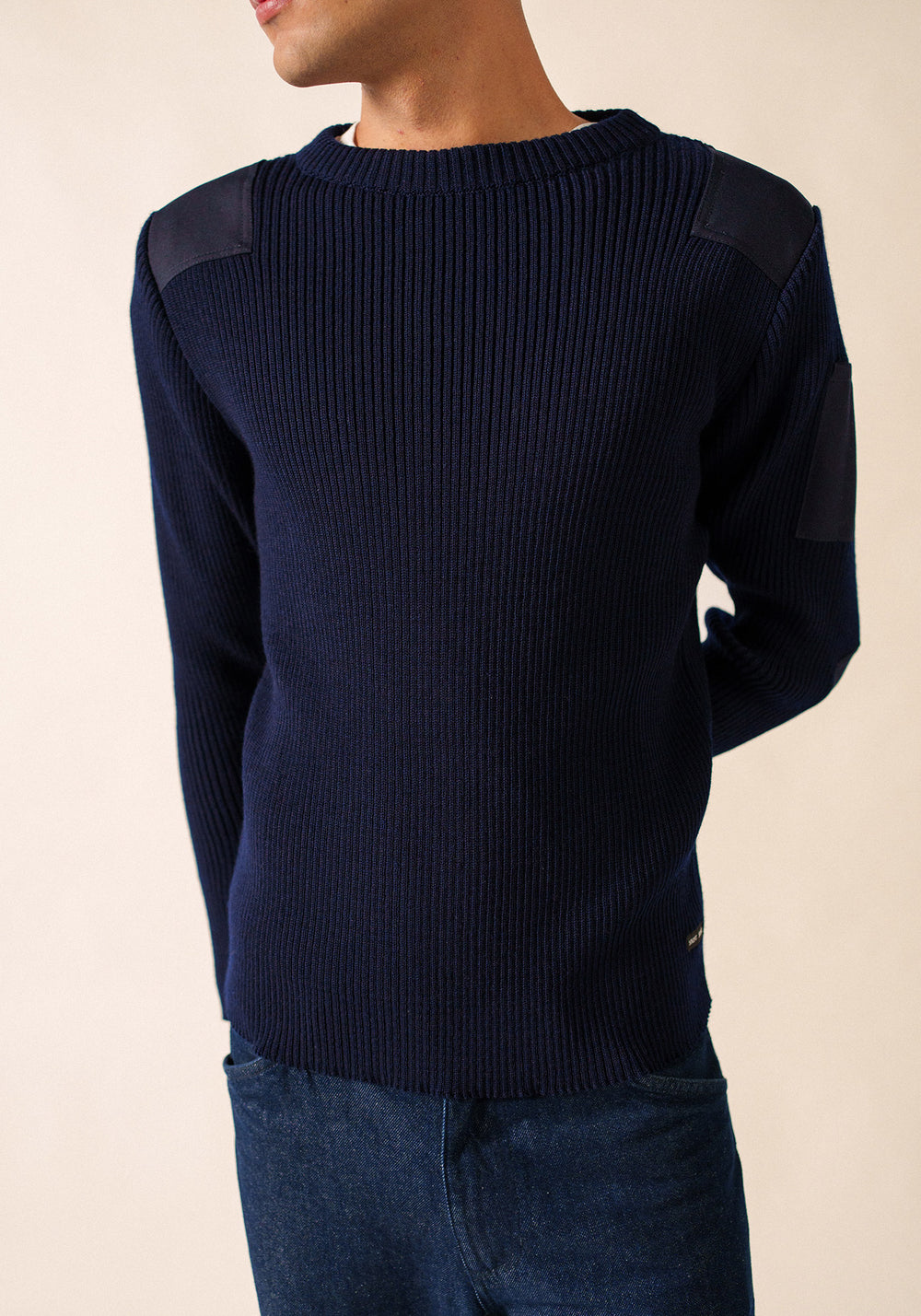
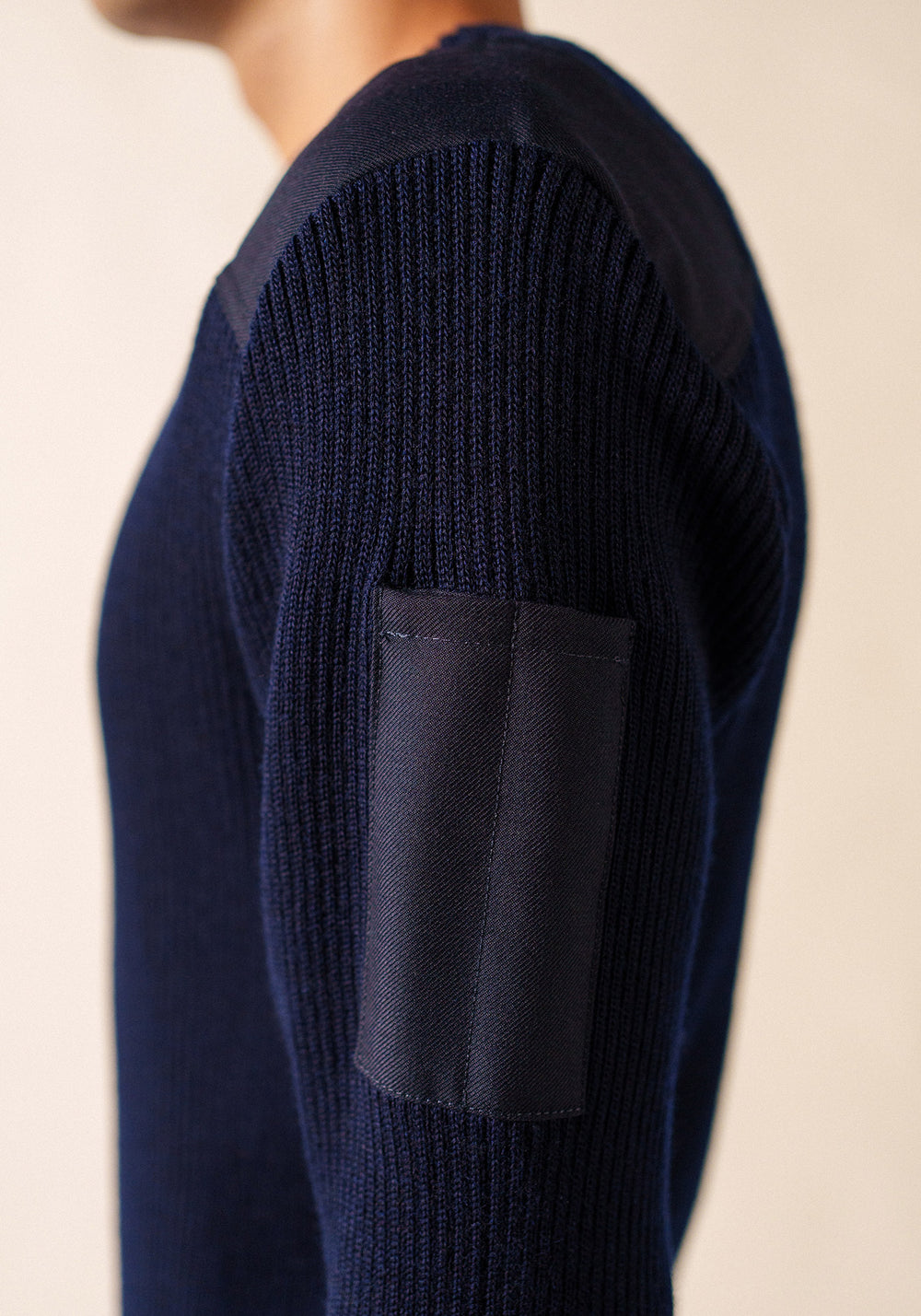
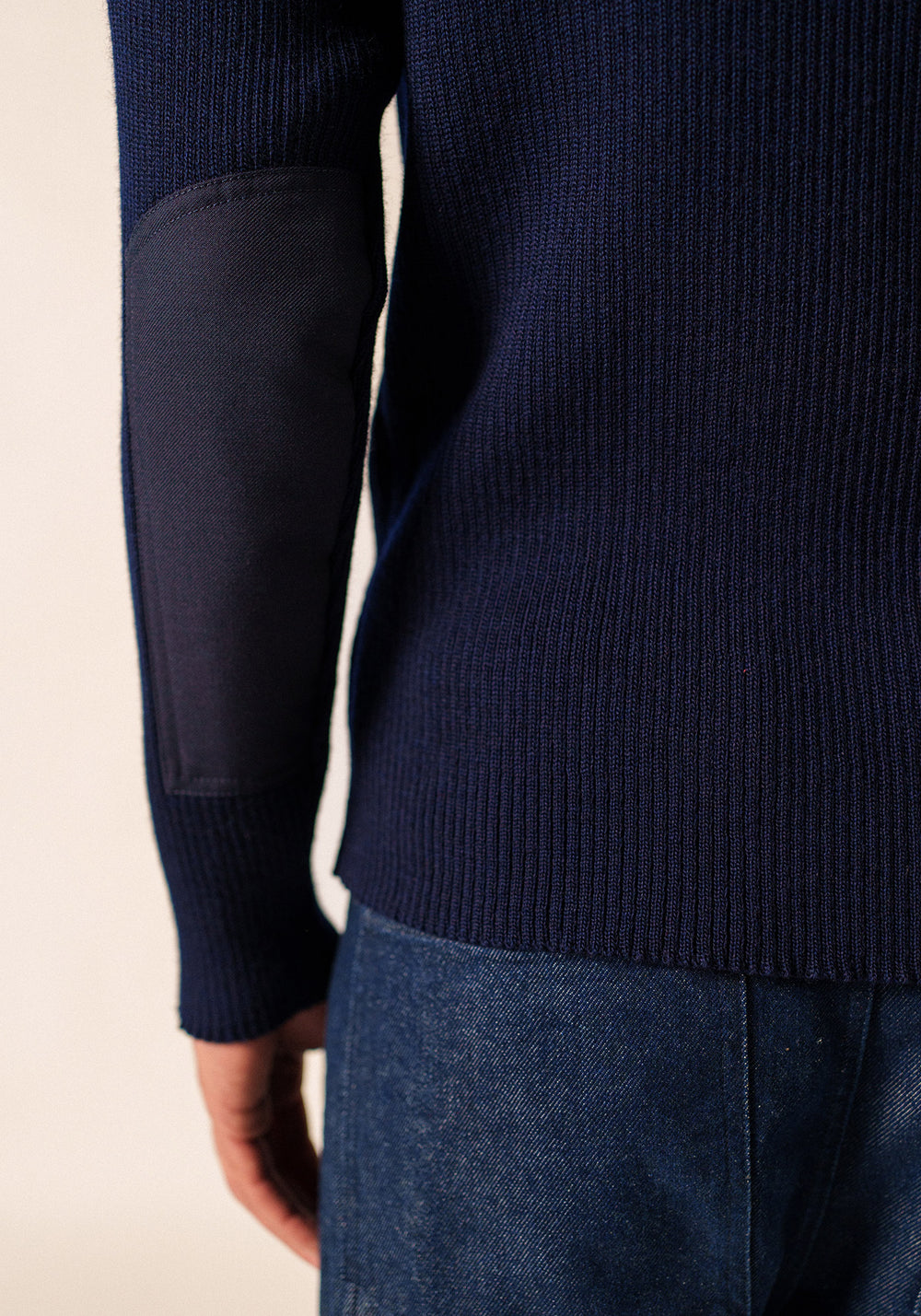
The various pieces are then cut and assembled by hand, and the collars are not sewn but linked: this expertise explains the high quality and great resistance of classic men's sailor jumpers, knitted with a tight stitch that creates warm jumpers with excellent shape retention that are virtually waterproof.
The wool for SAINT JAMES jumpers comes largely from New Zealand, Australia, and South America, and even from France for certain pieces. All artisans employed by the brand receive demanding and comprehensive training for several months before working independently within the workshop.
How to wear a men's sailor jumper?
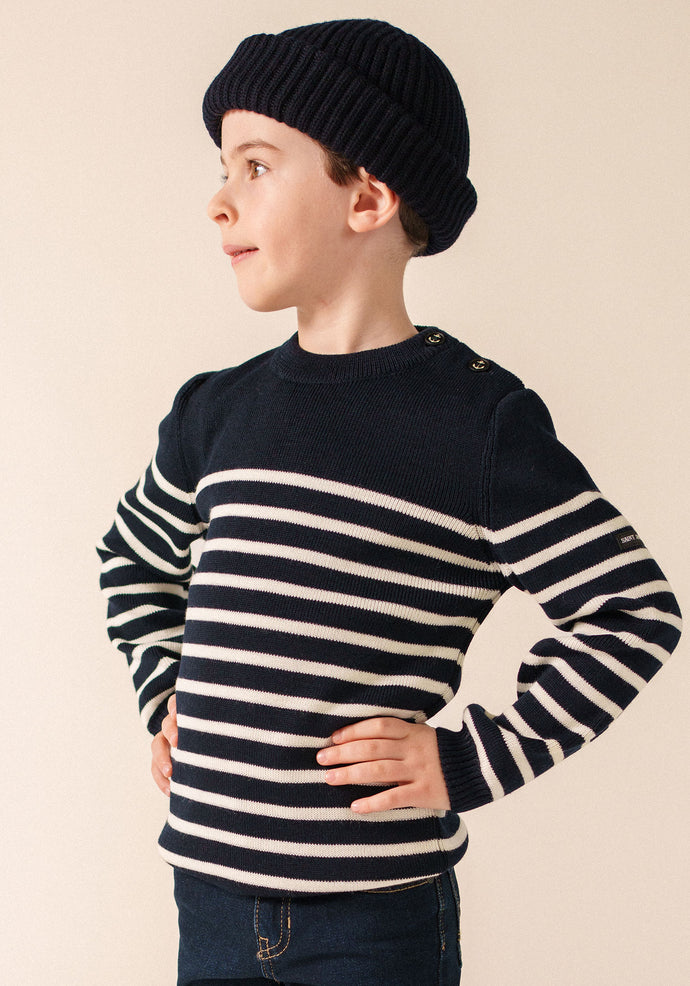
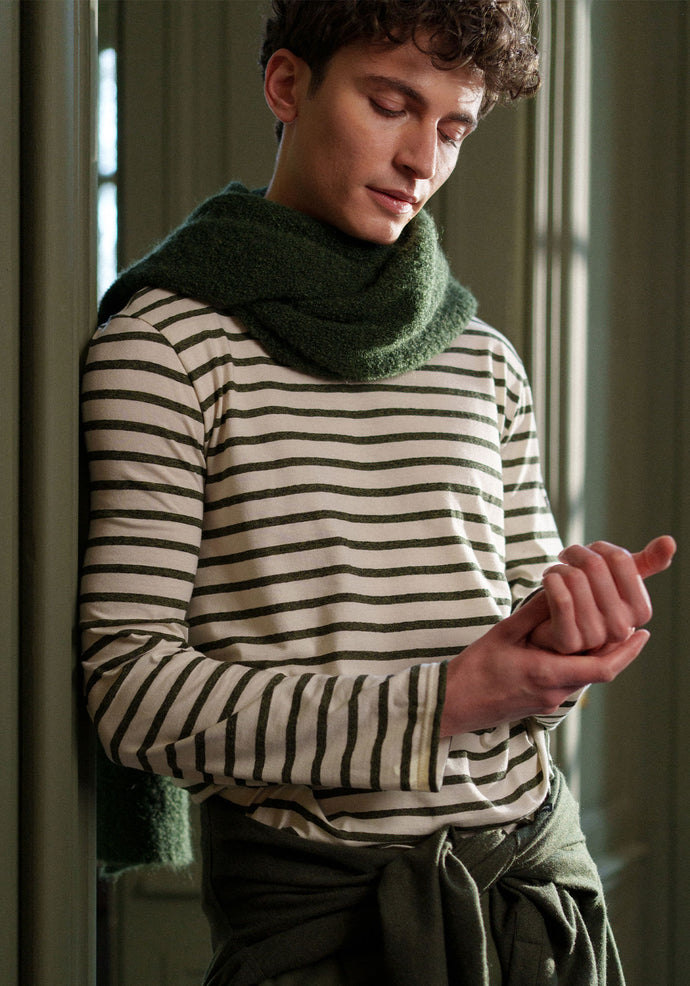
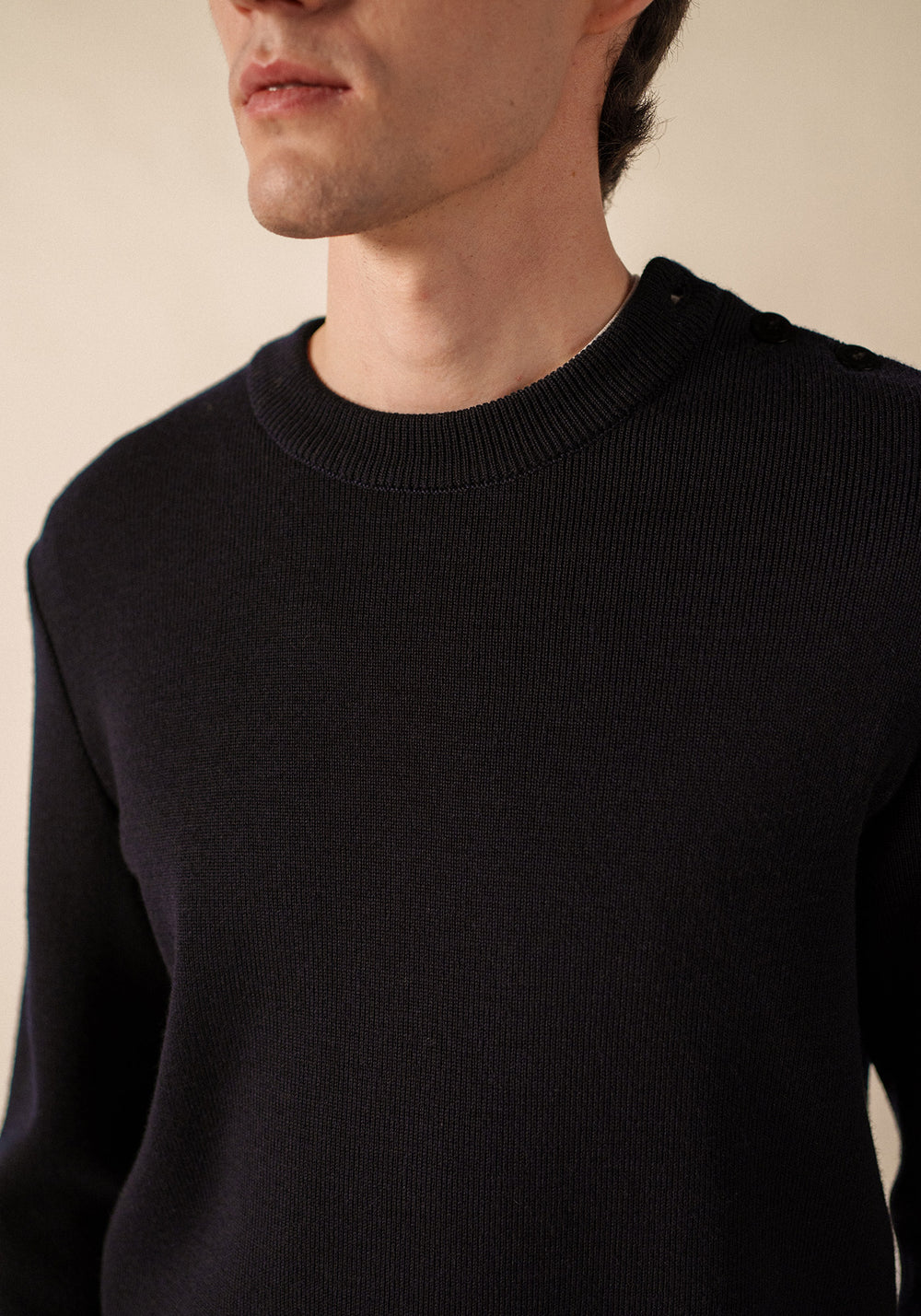
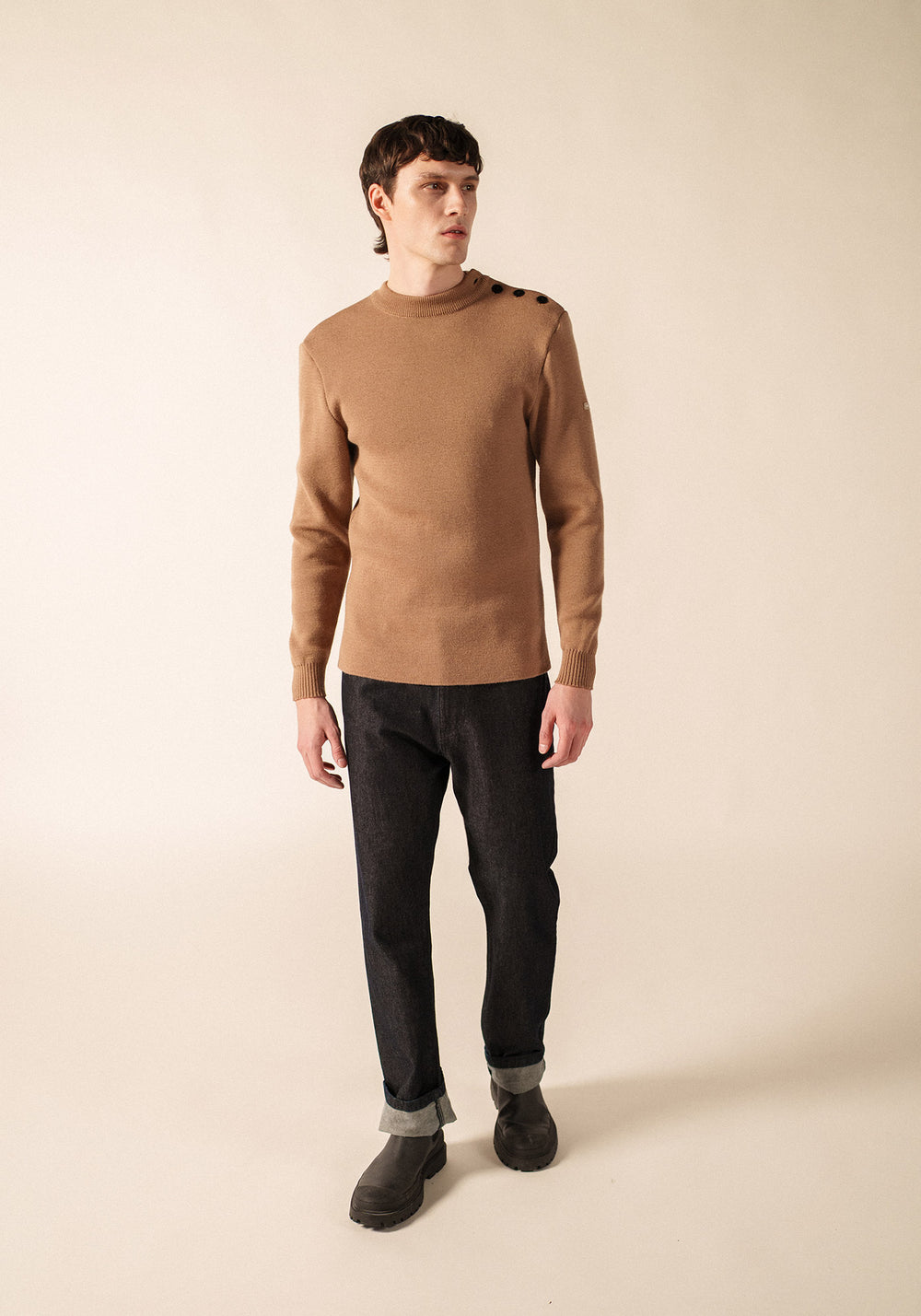
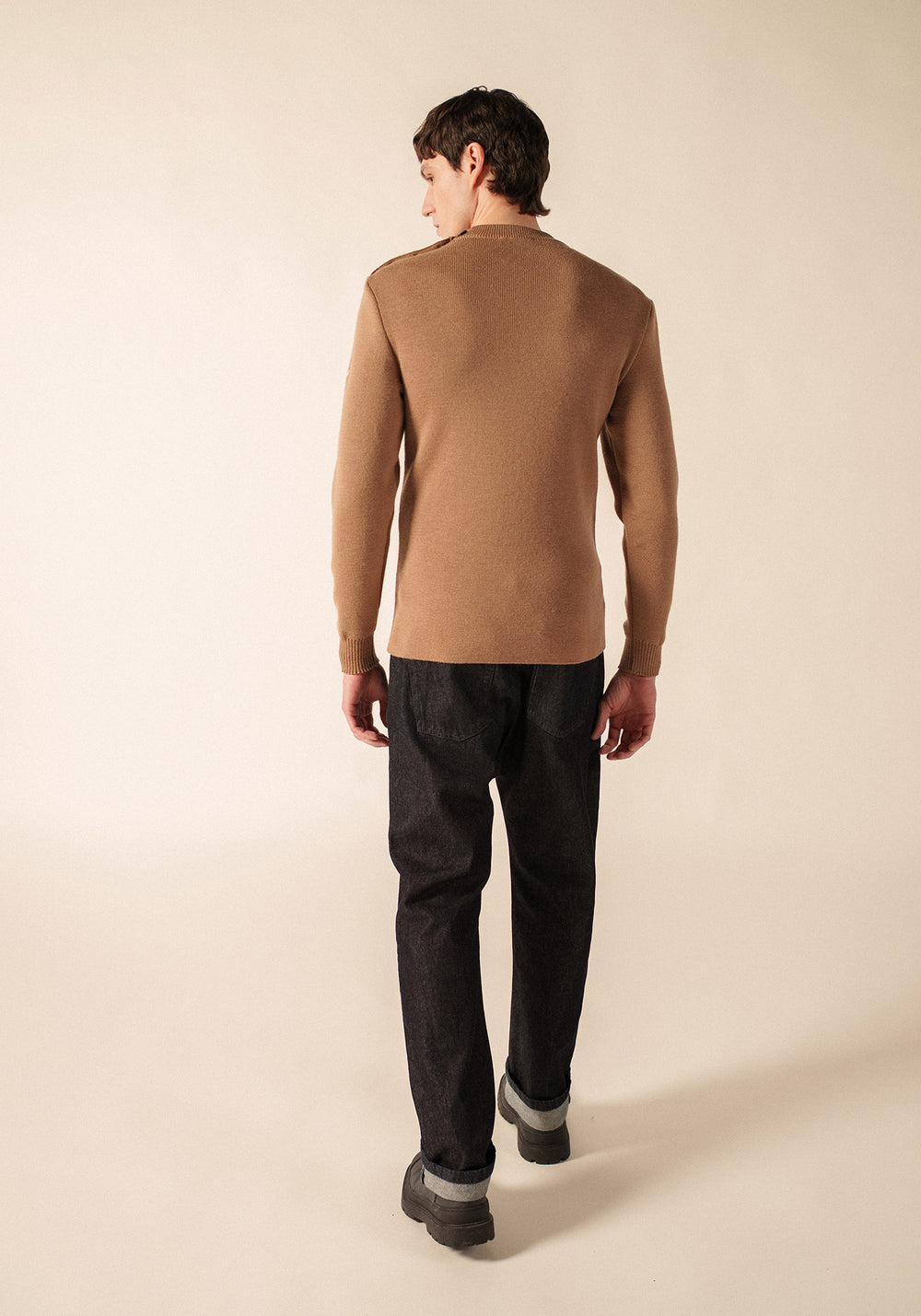
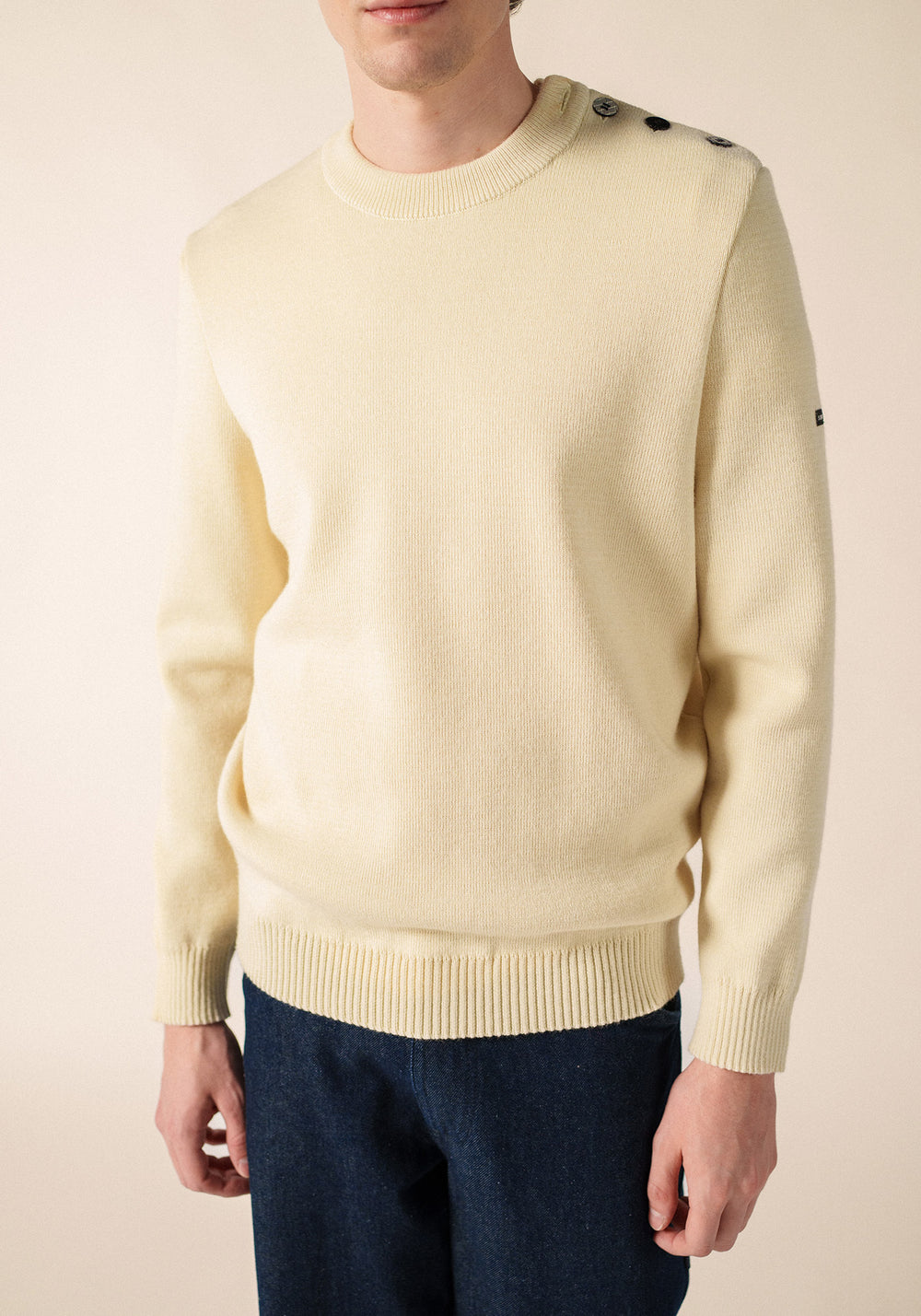
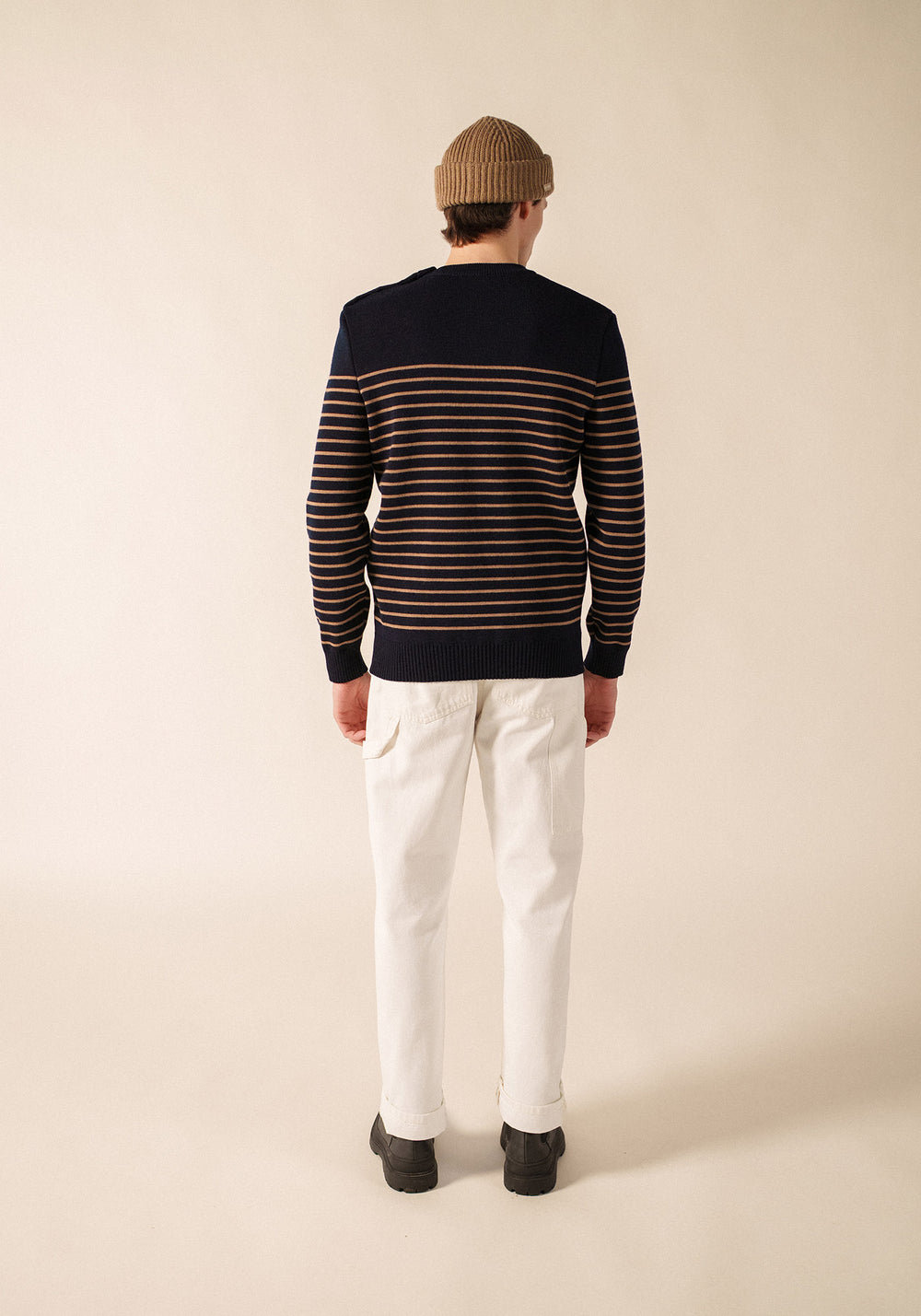
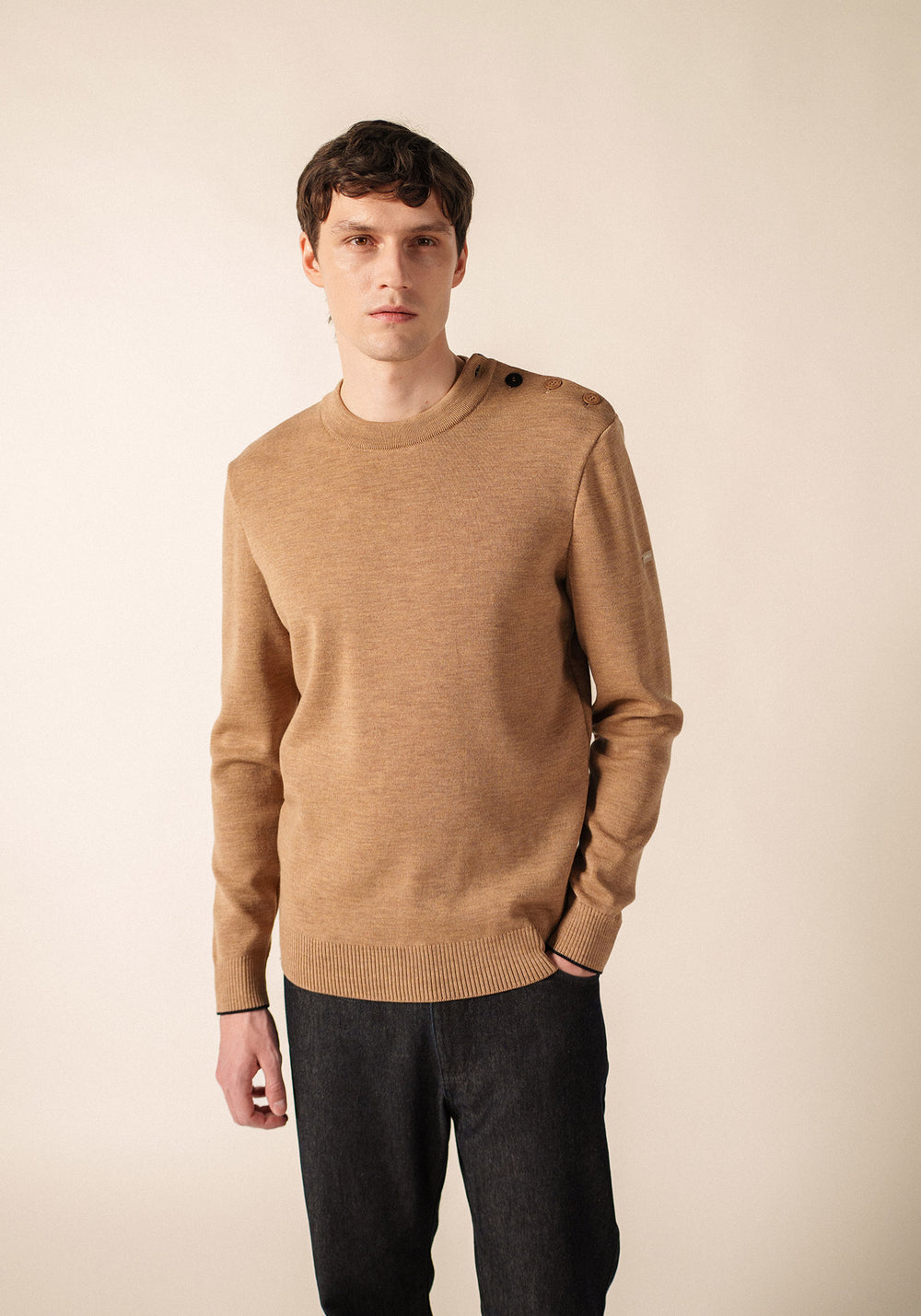
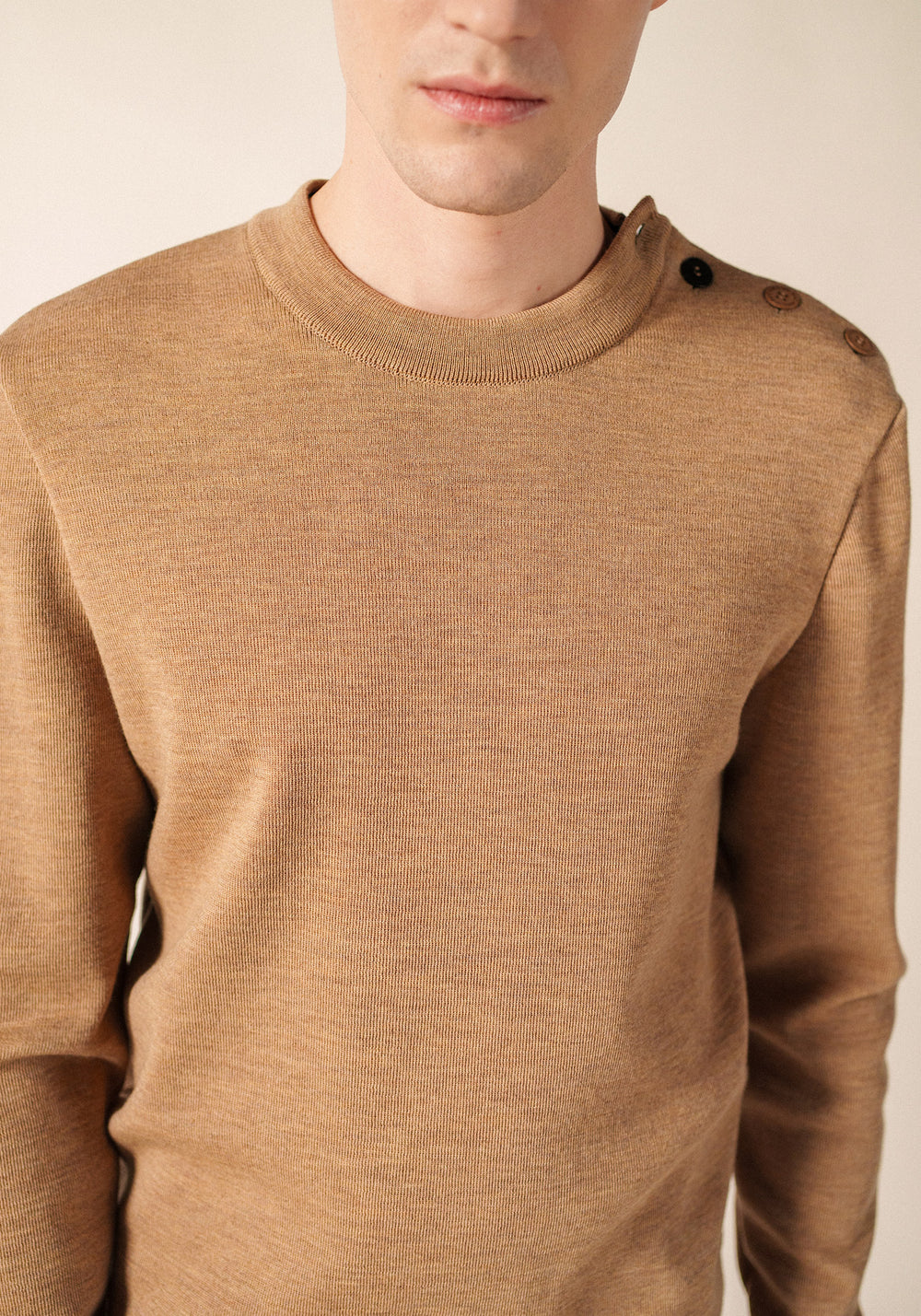
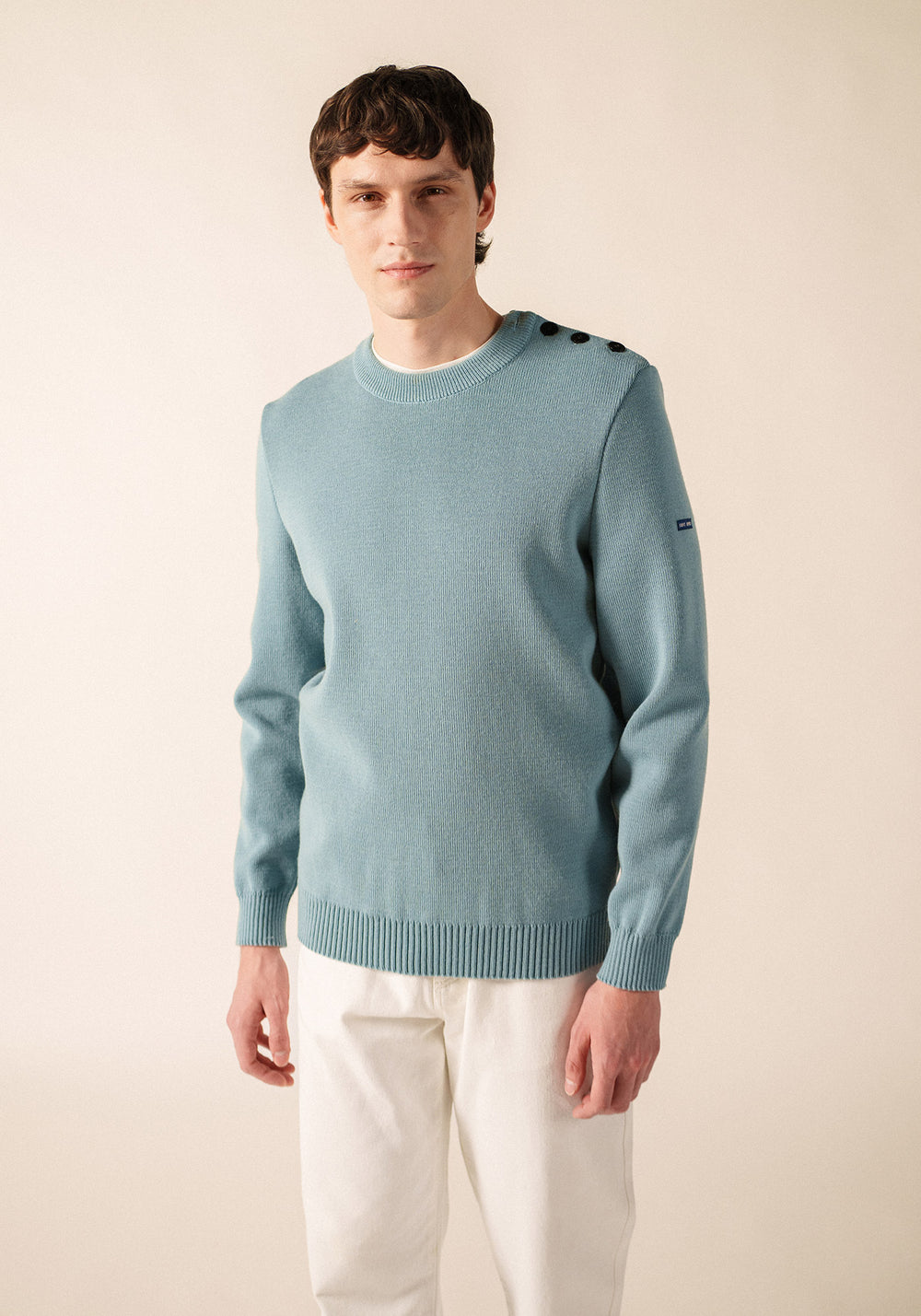
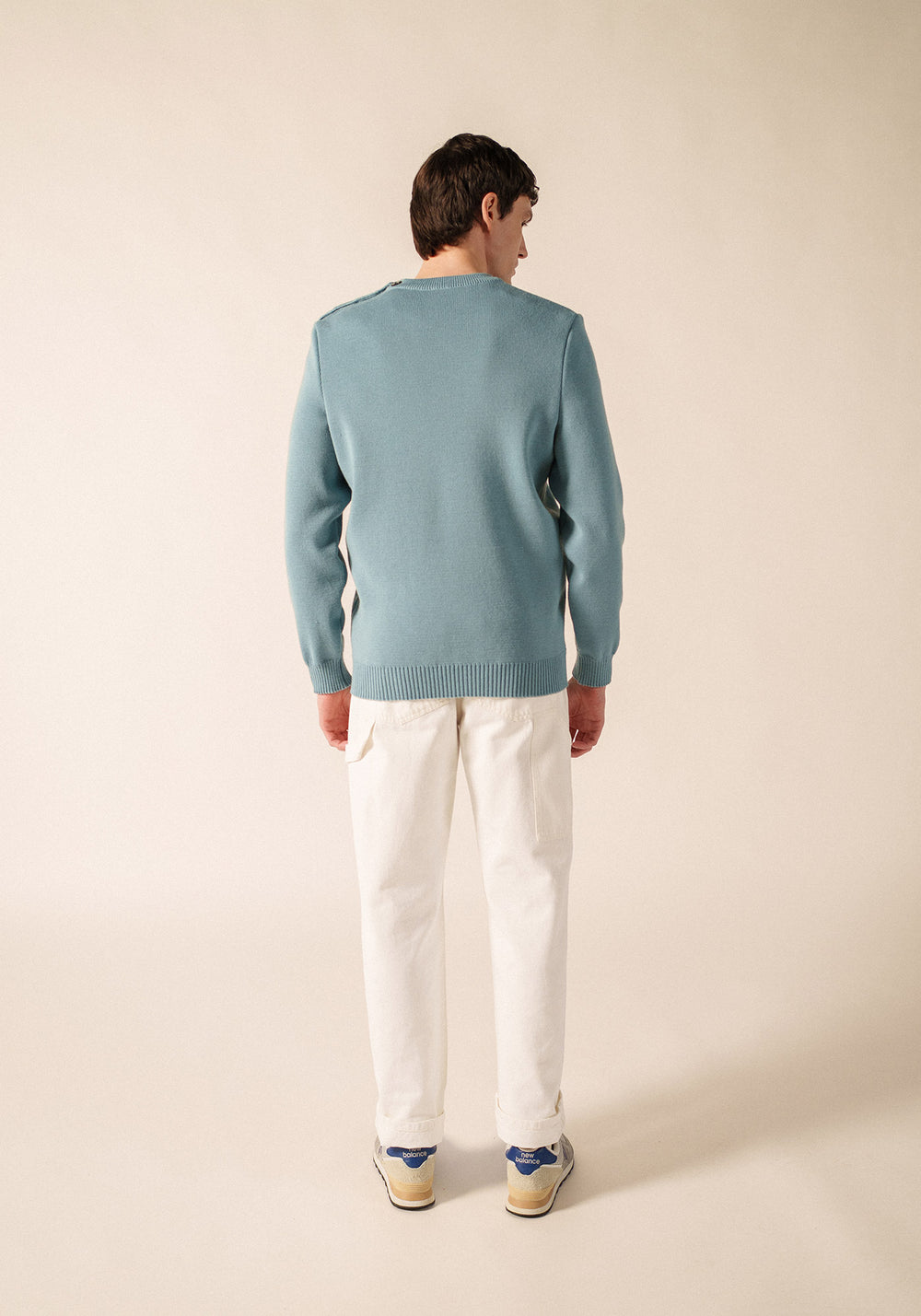
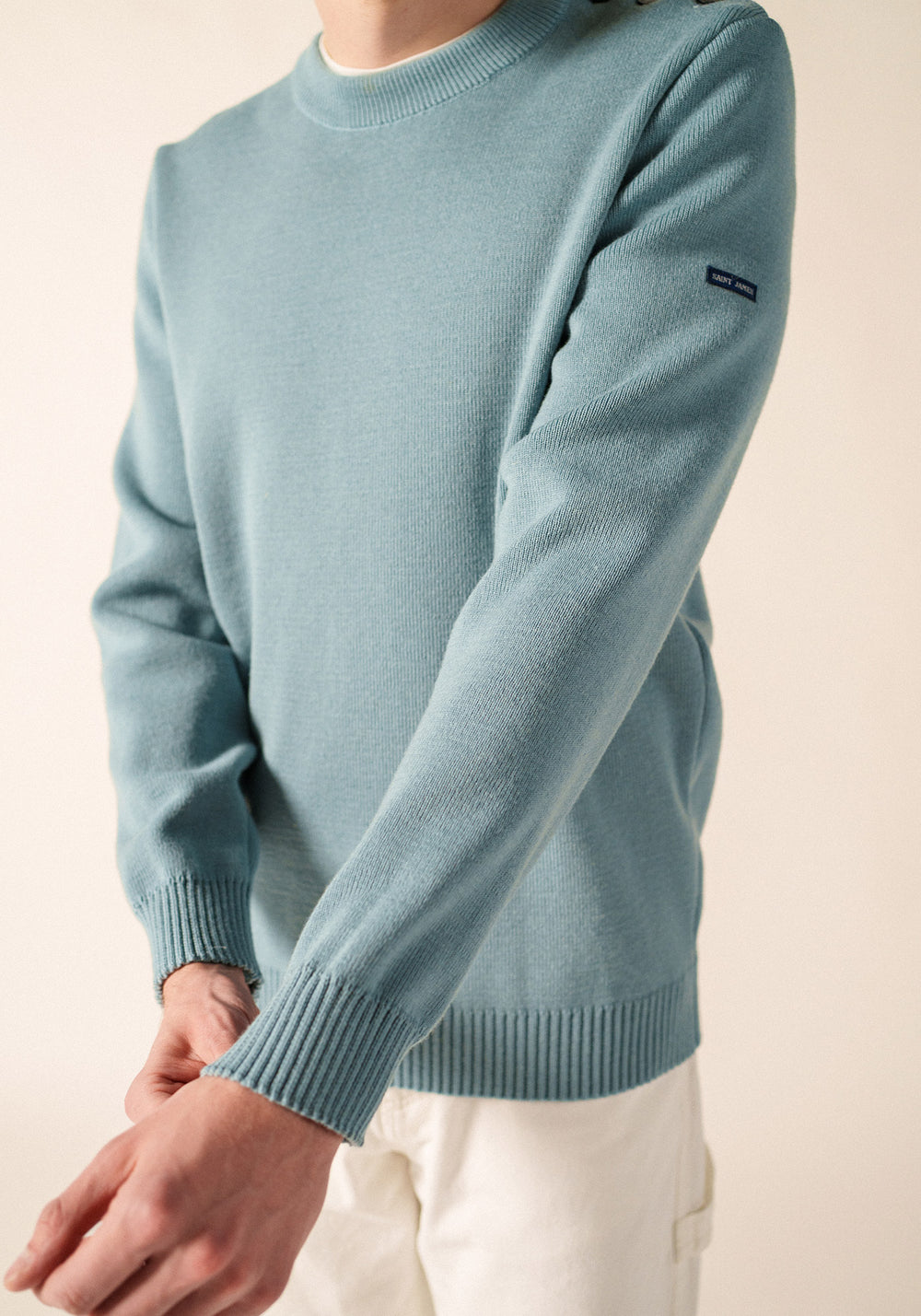
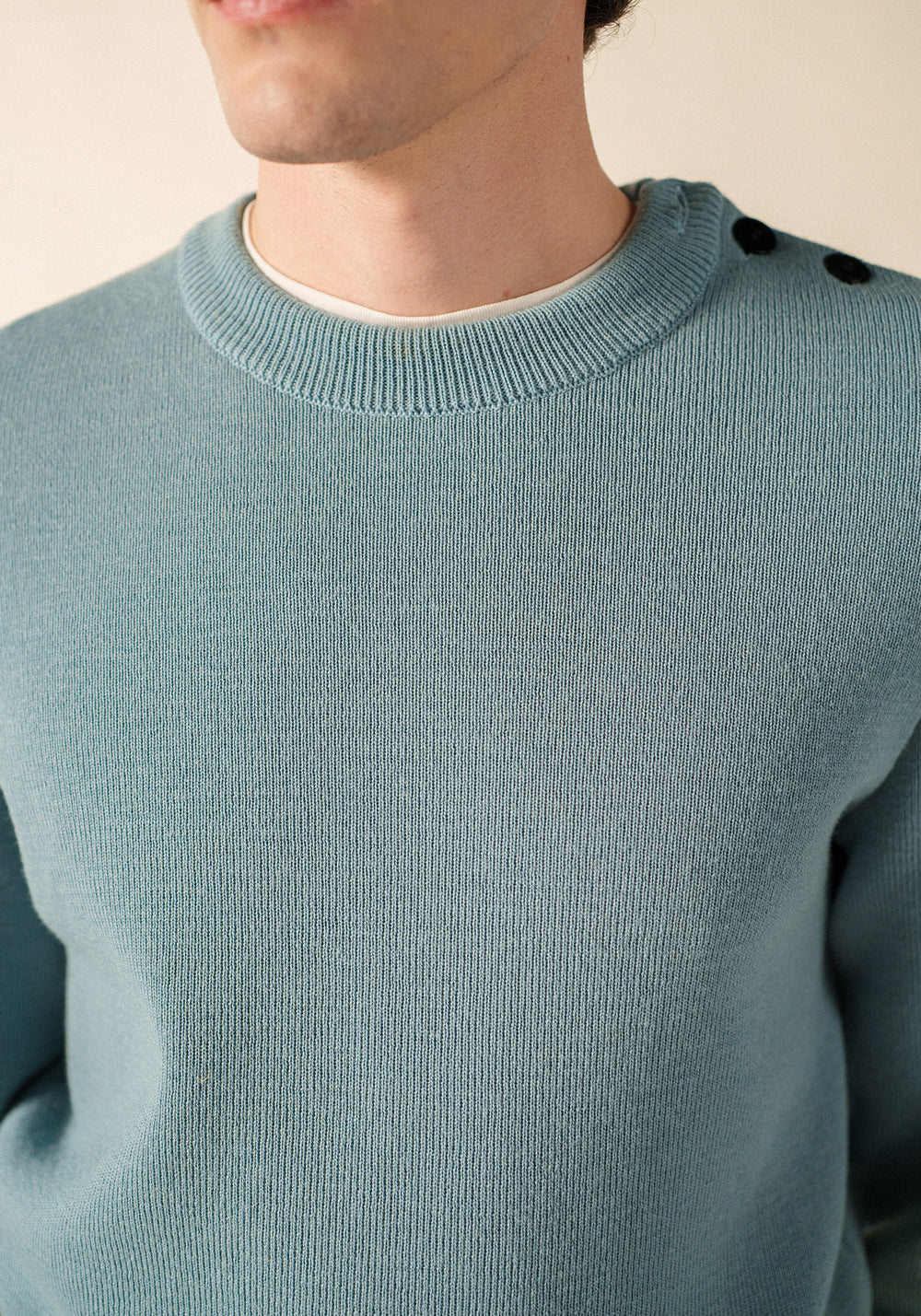
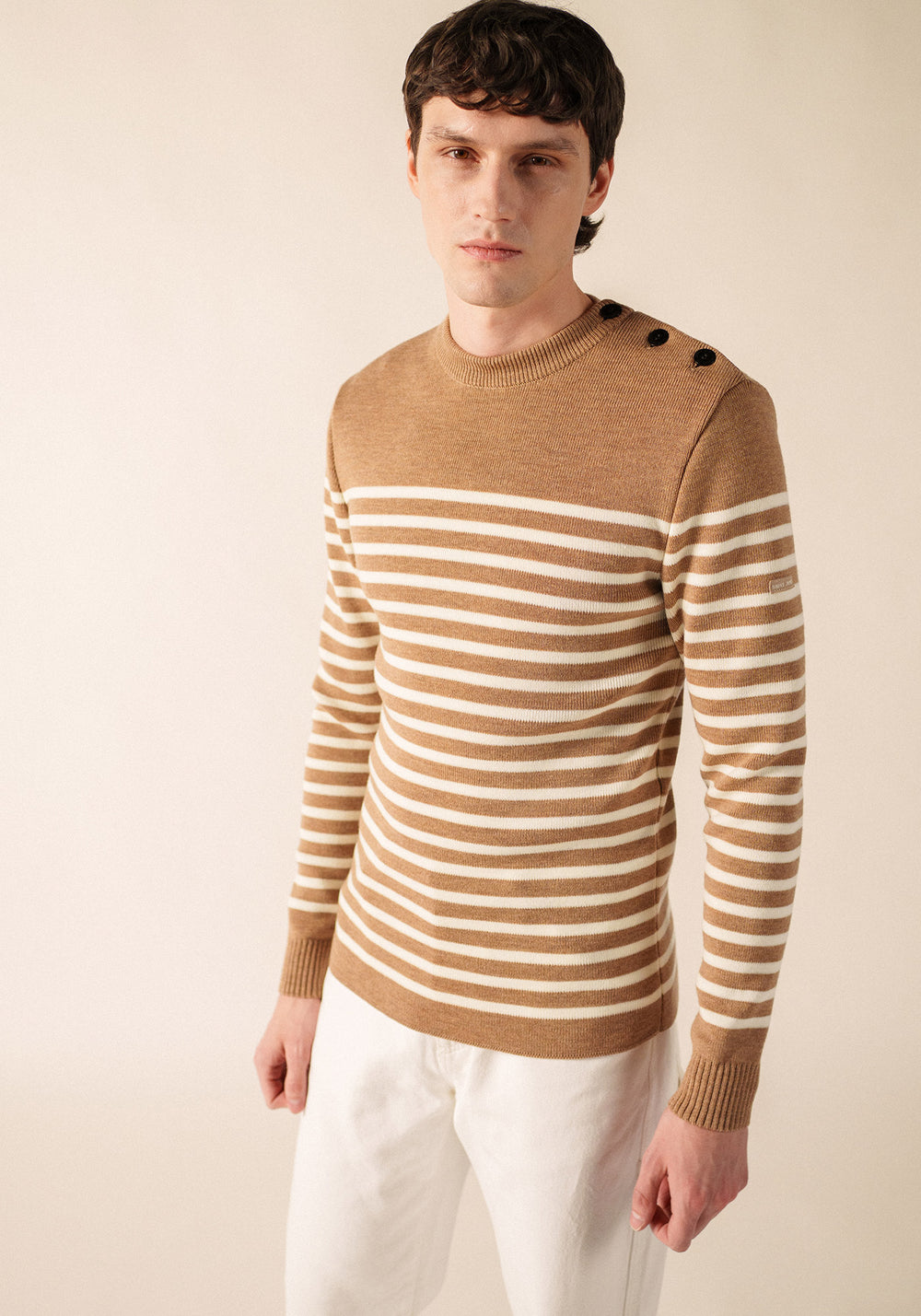
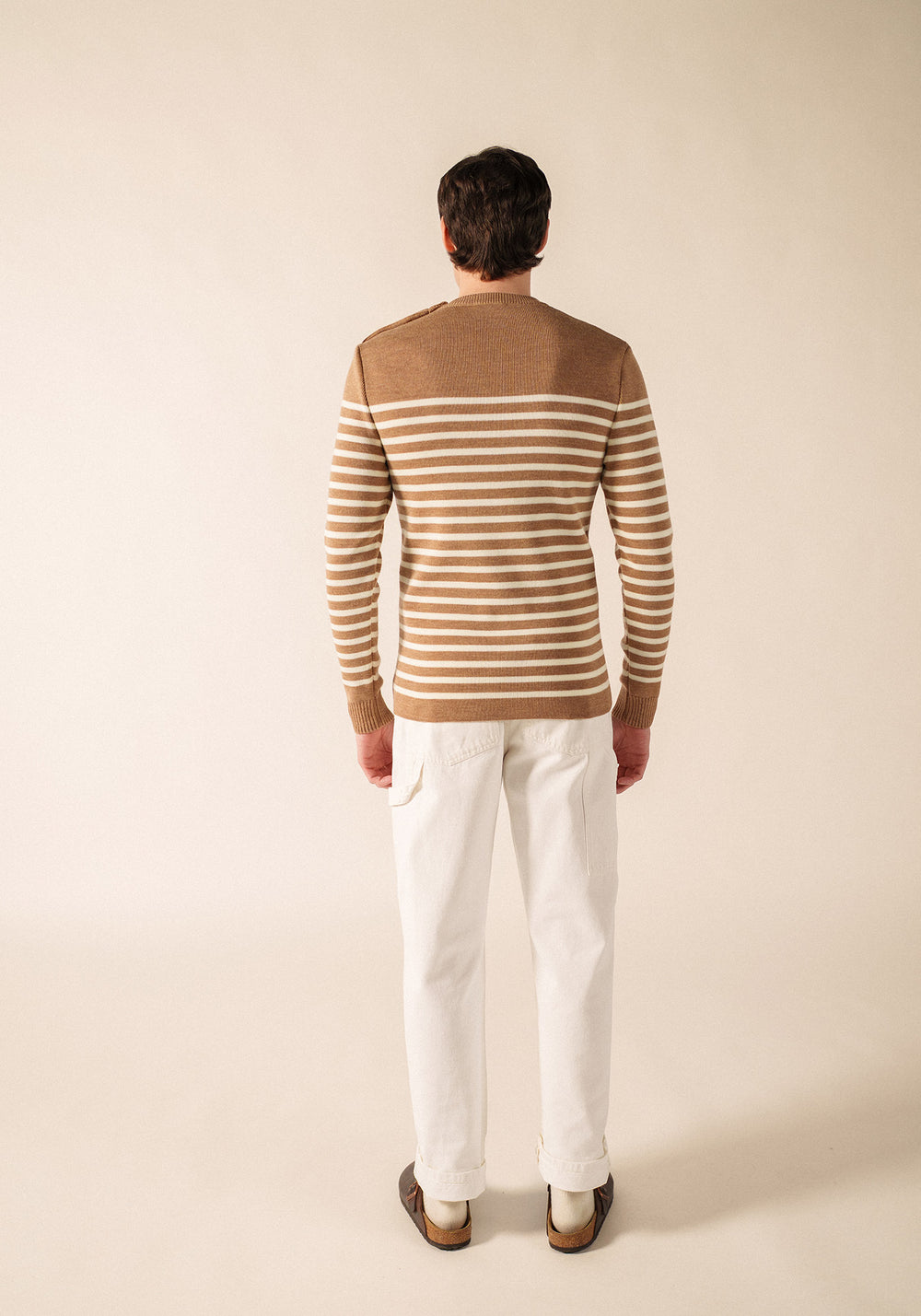
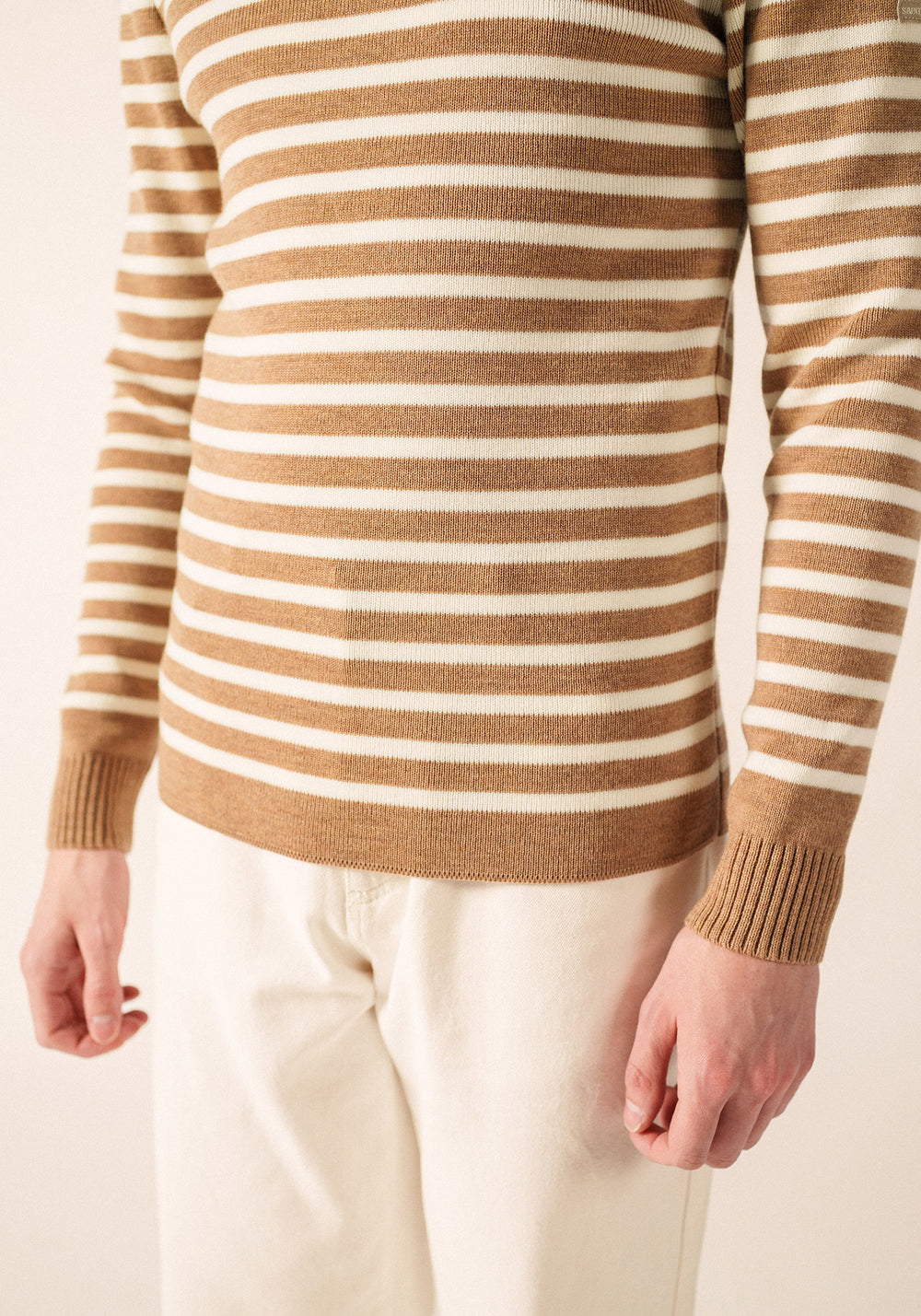
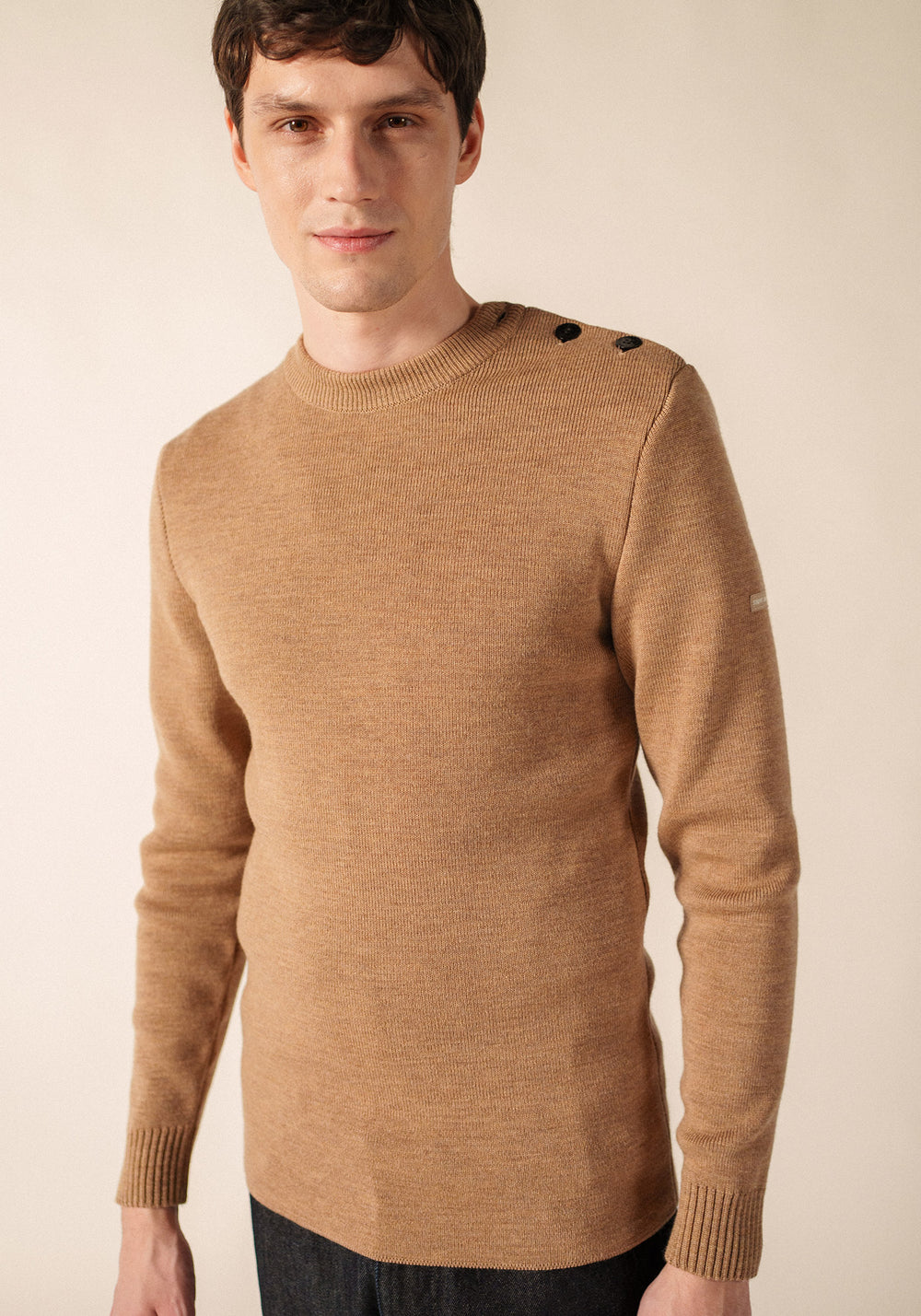
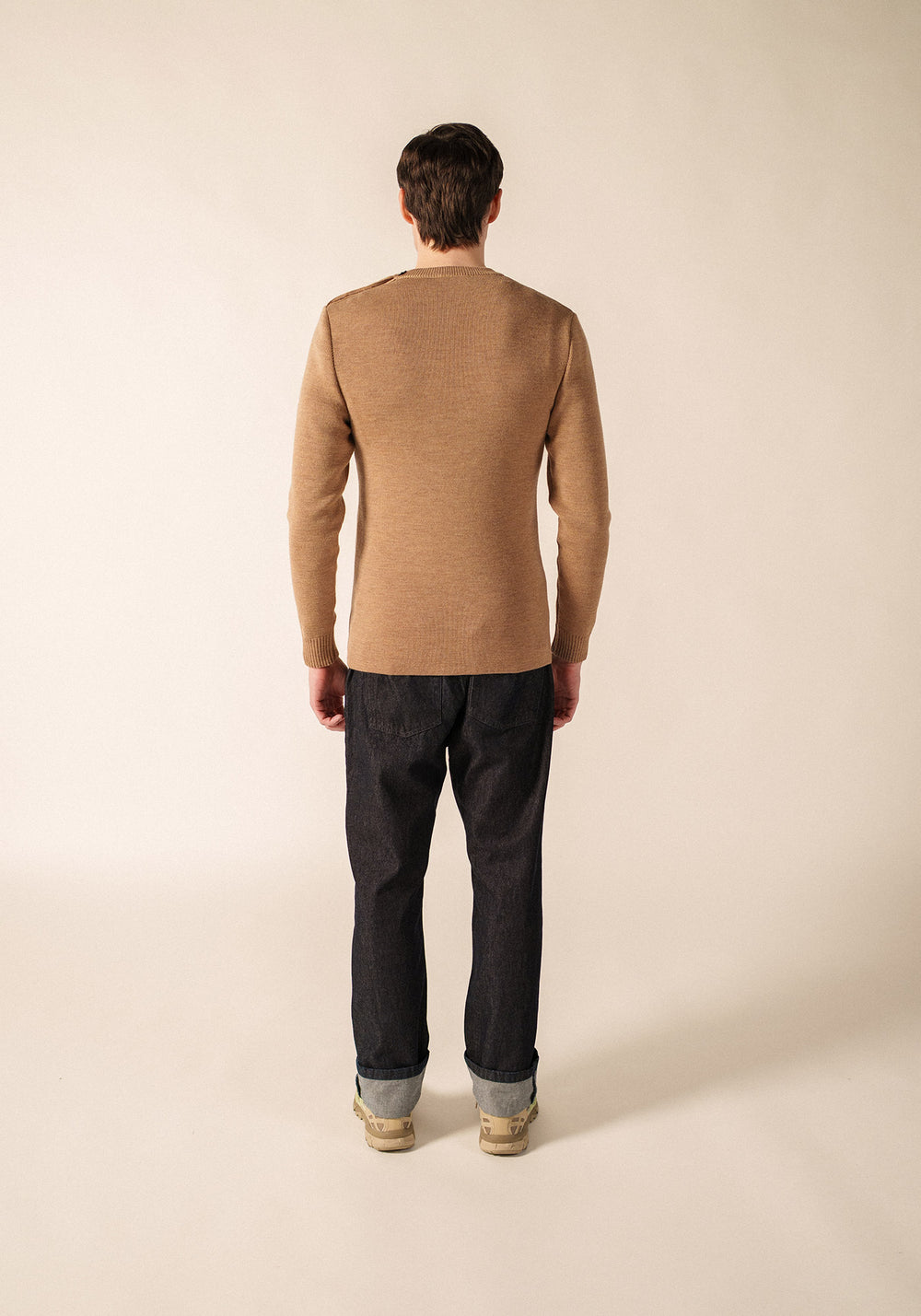
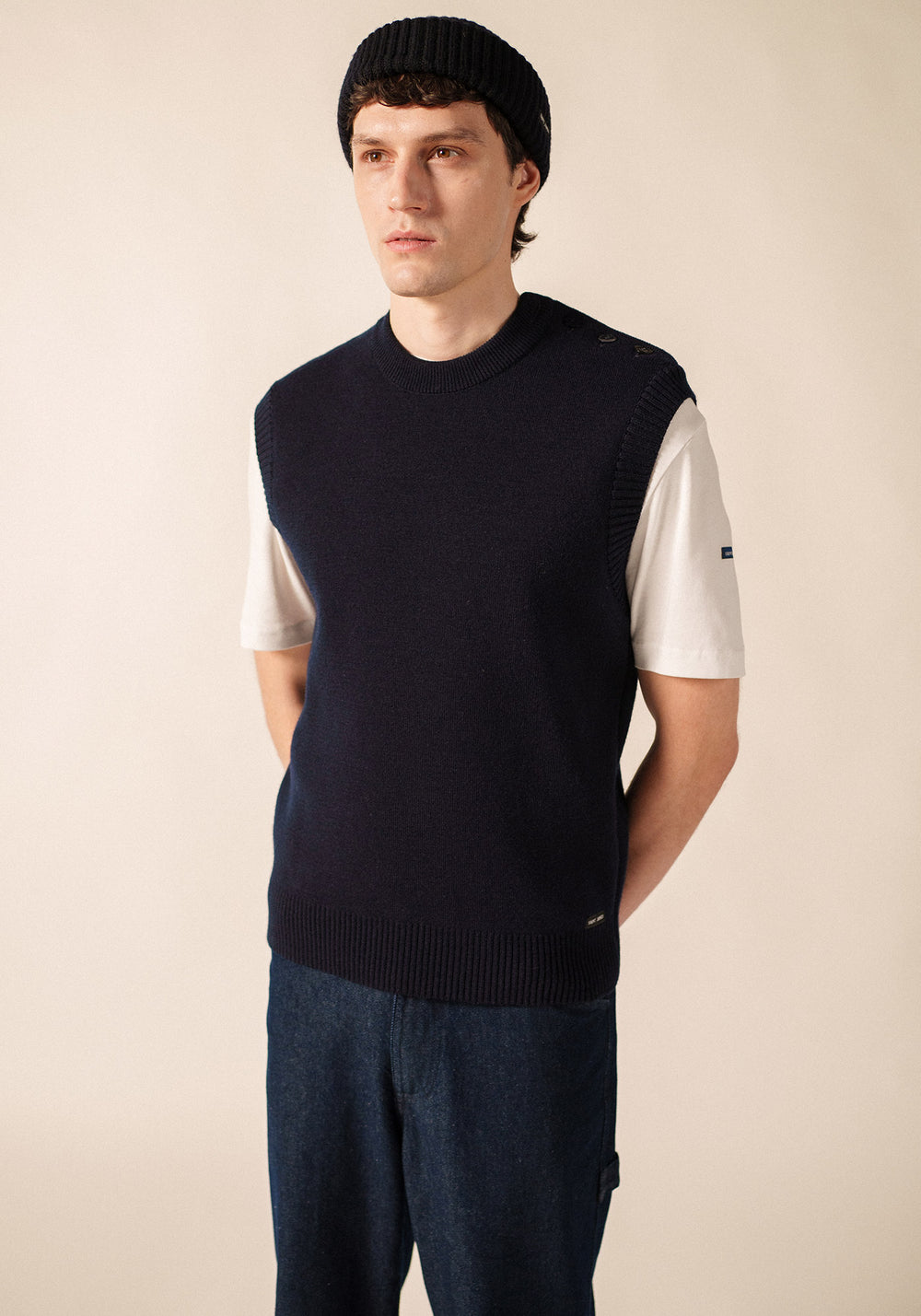
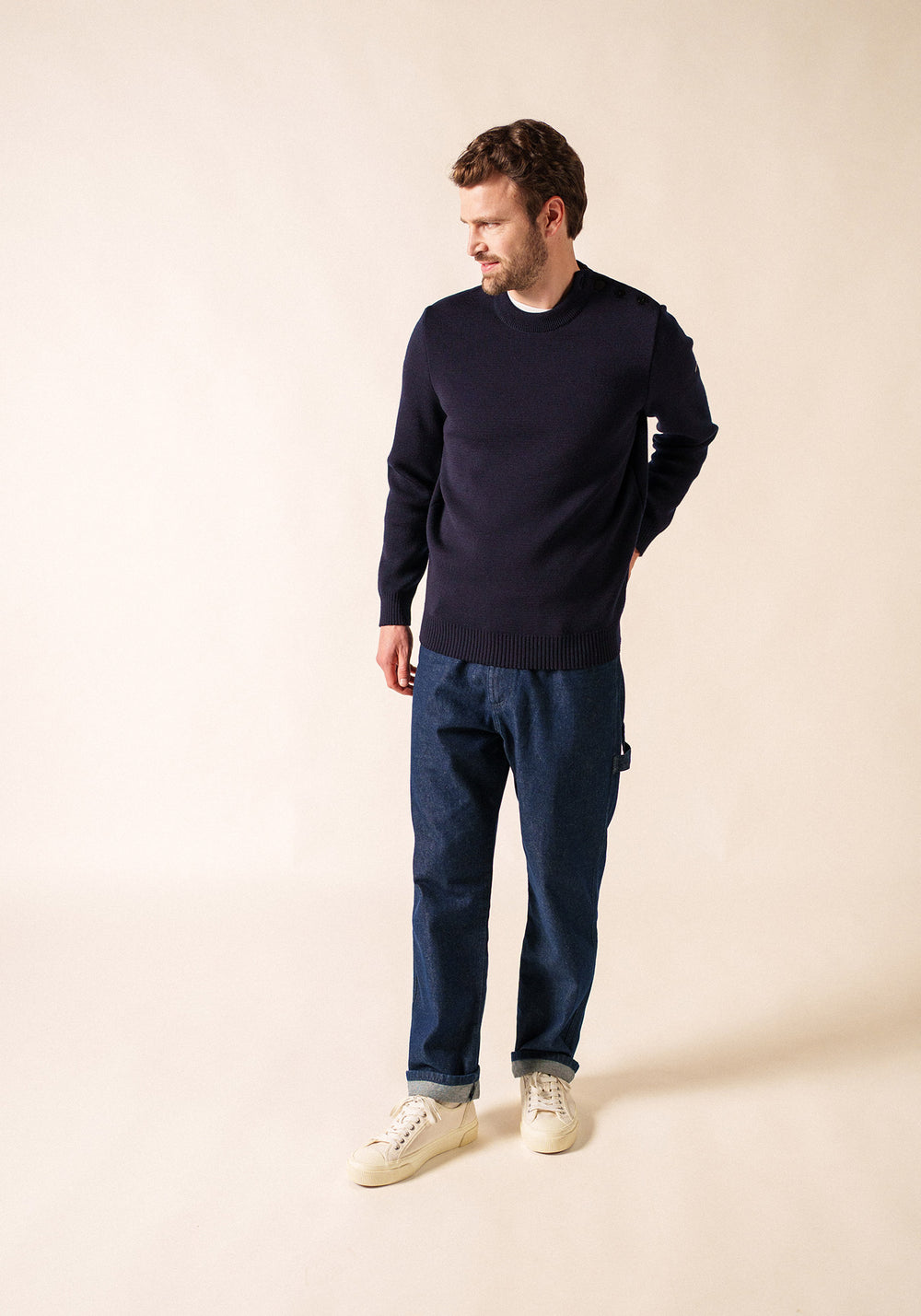
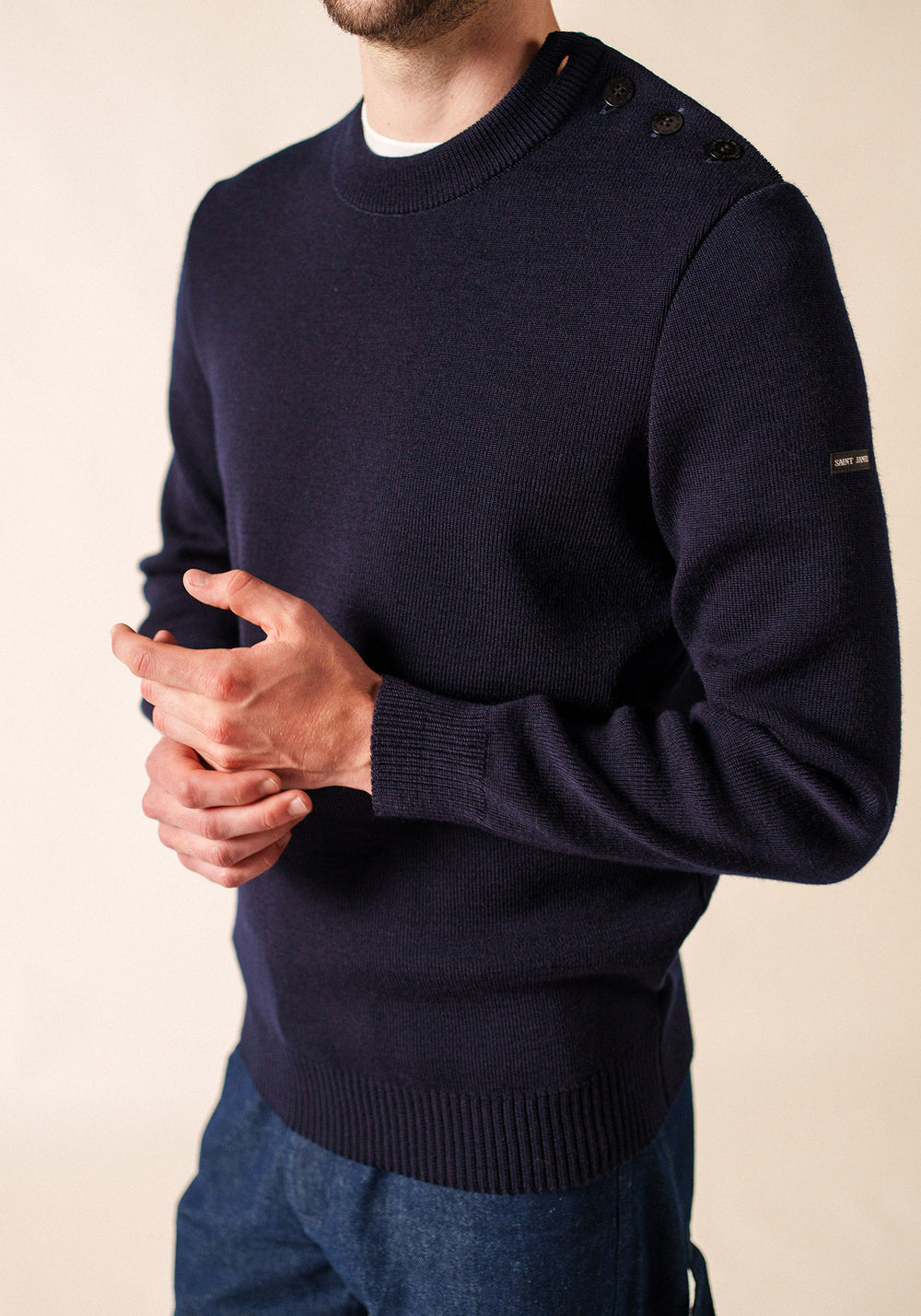
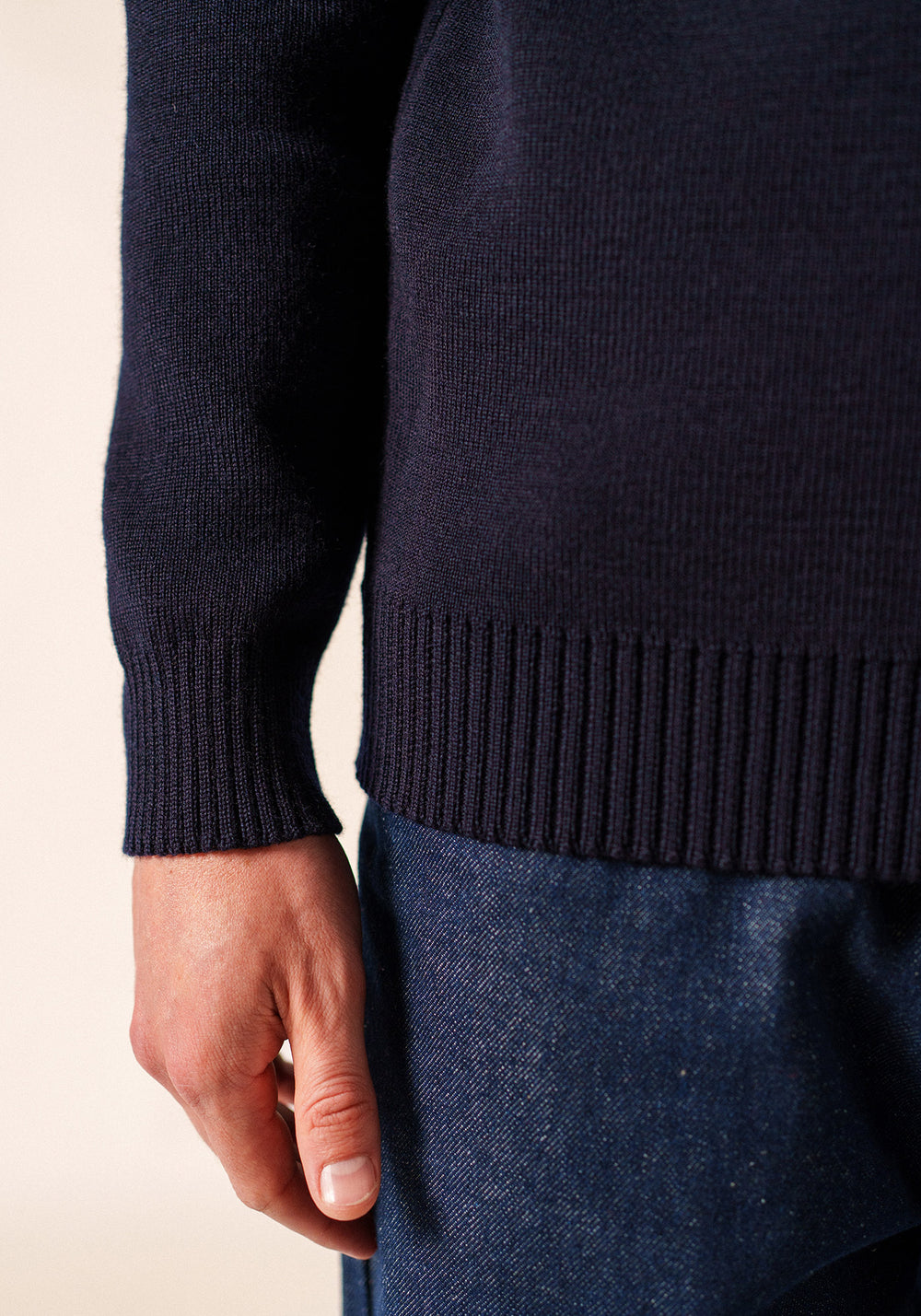
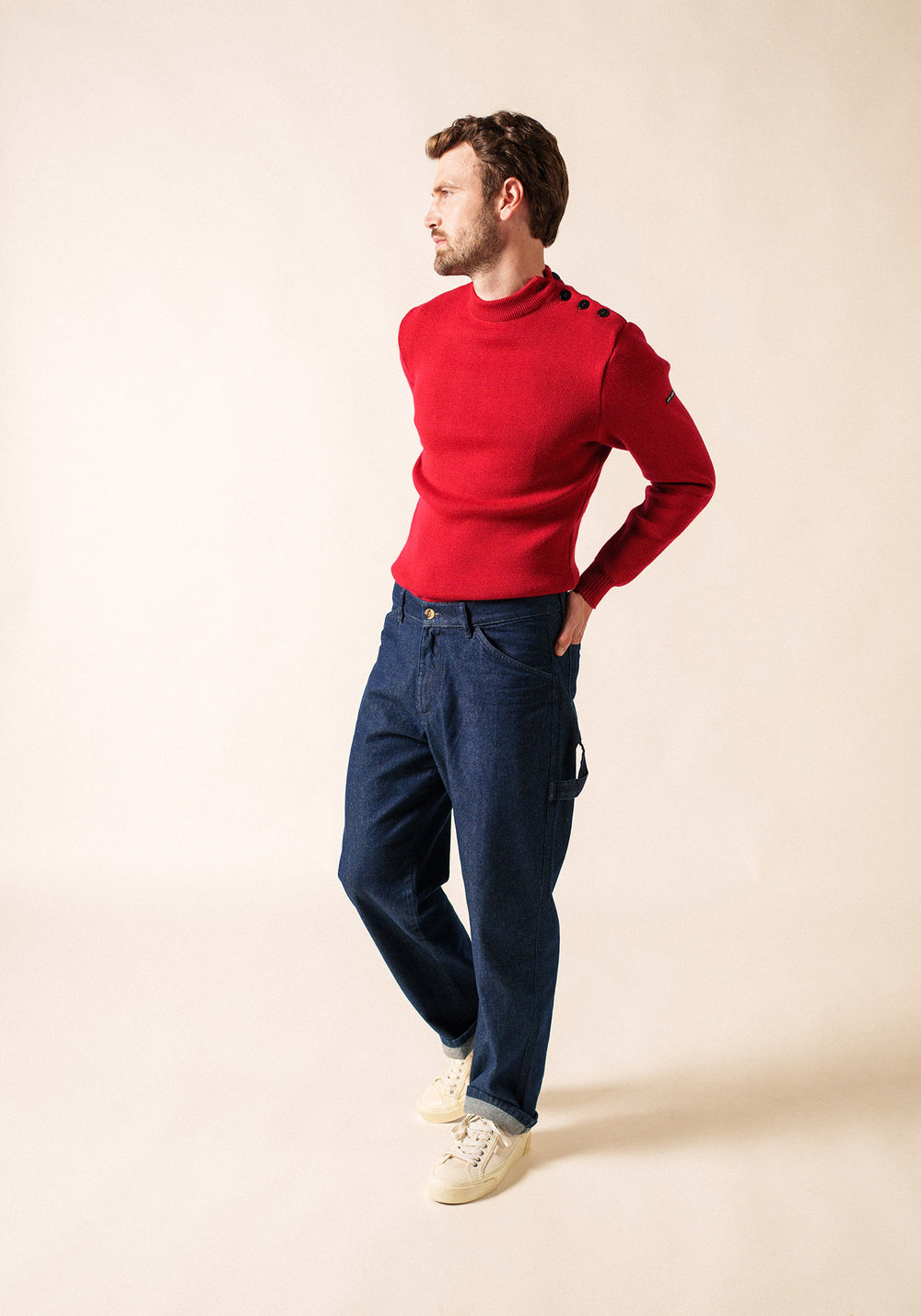
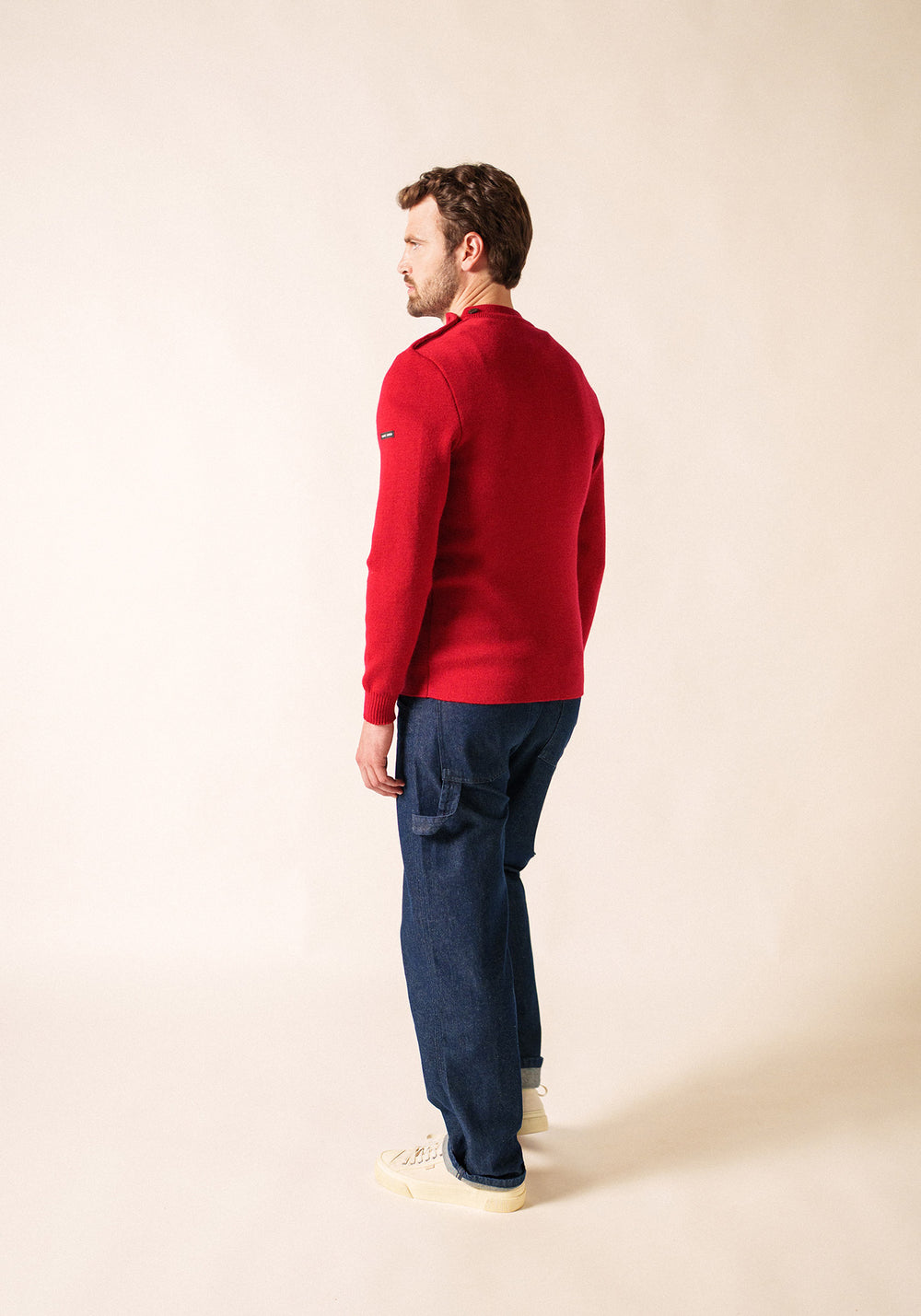
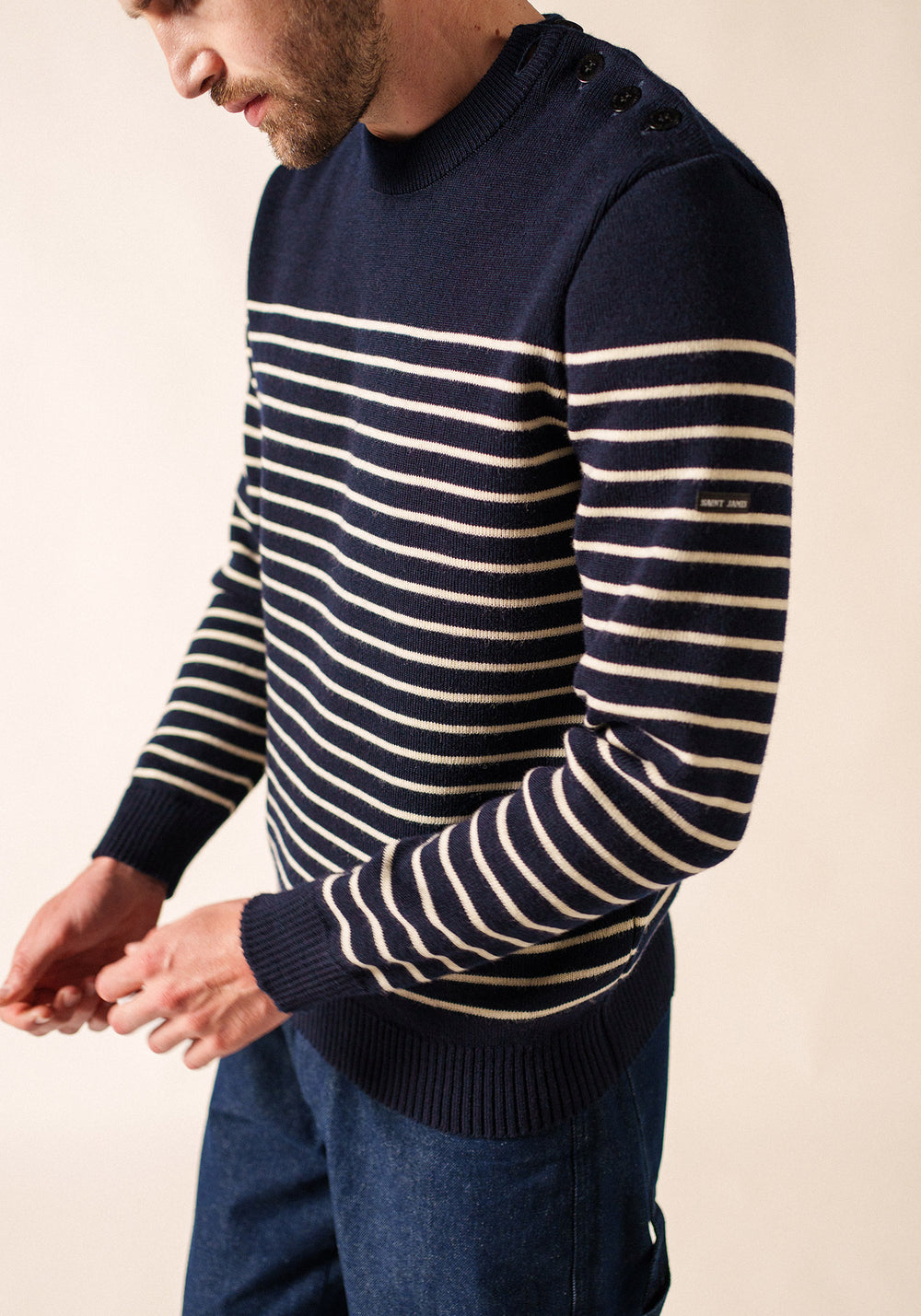
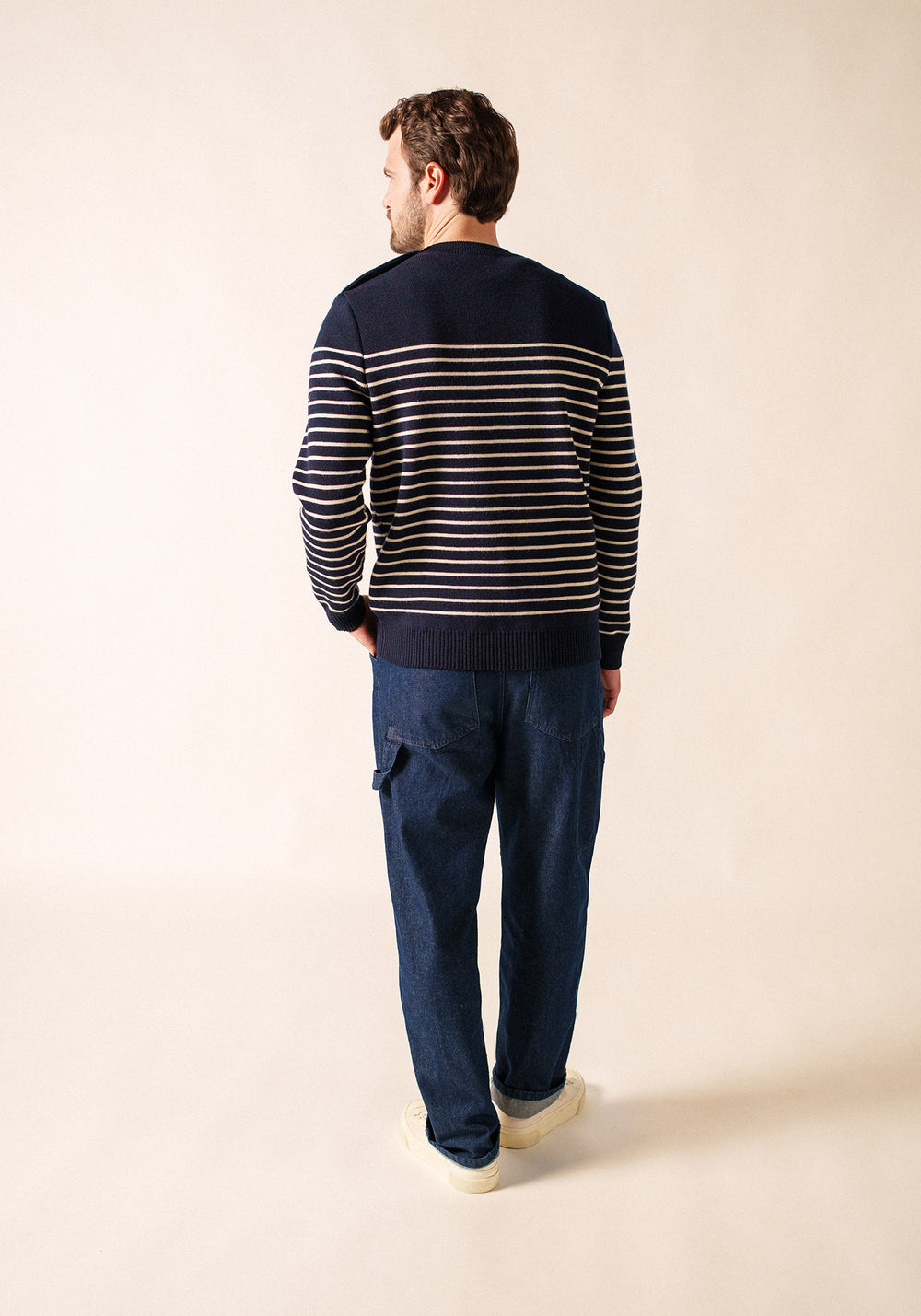
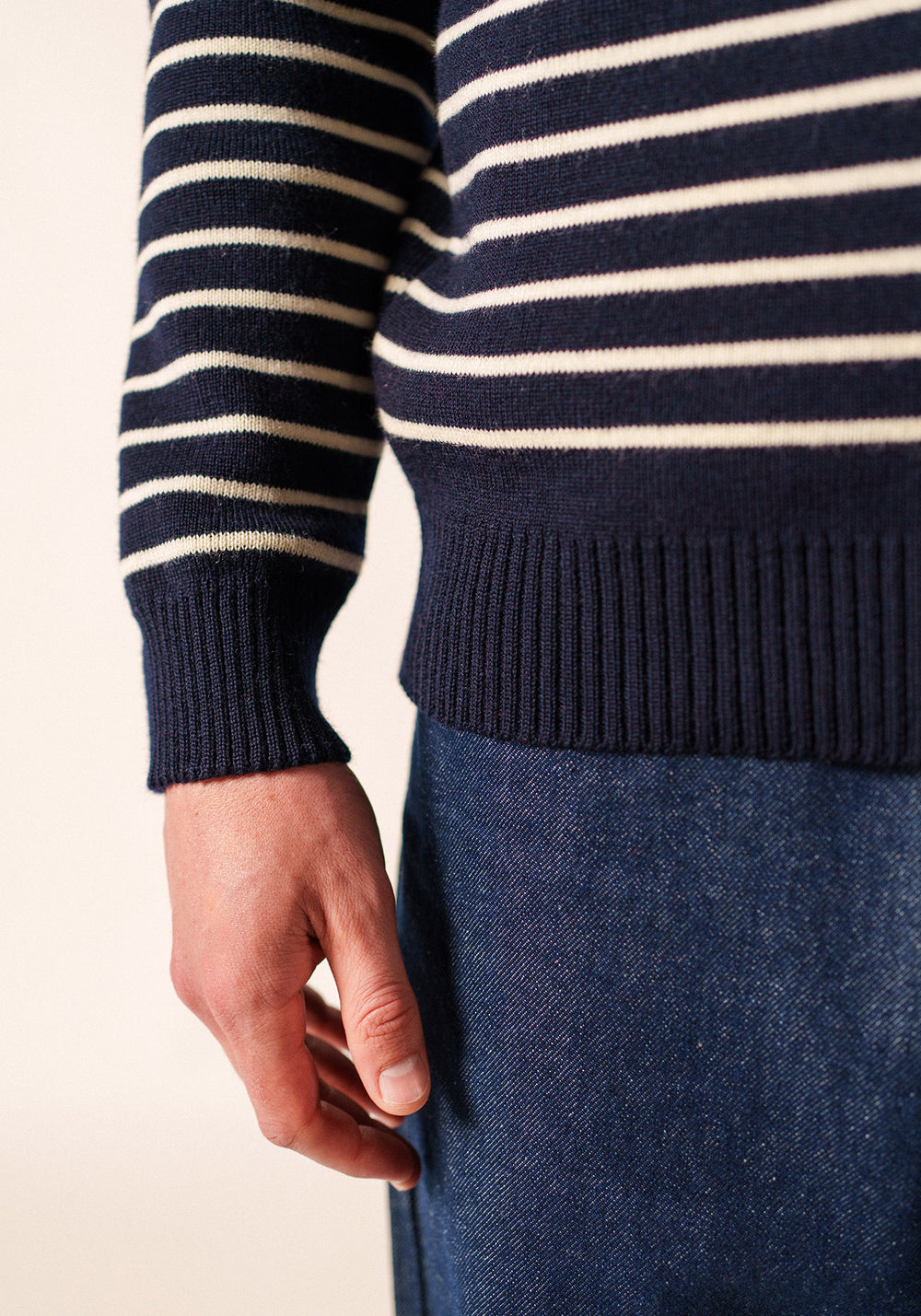
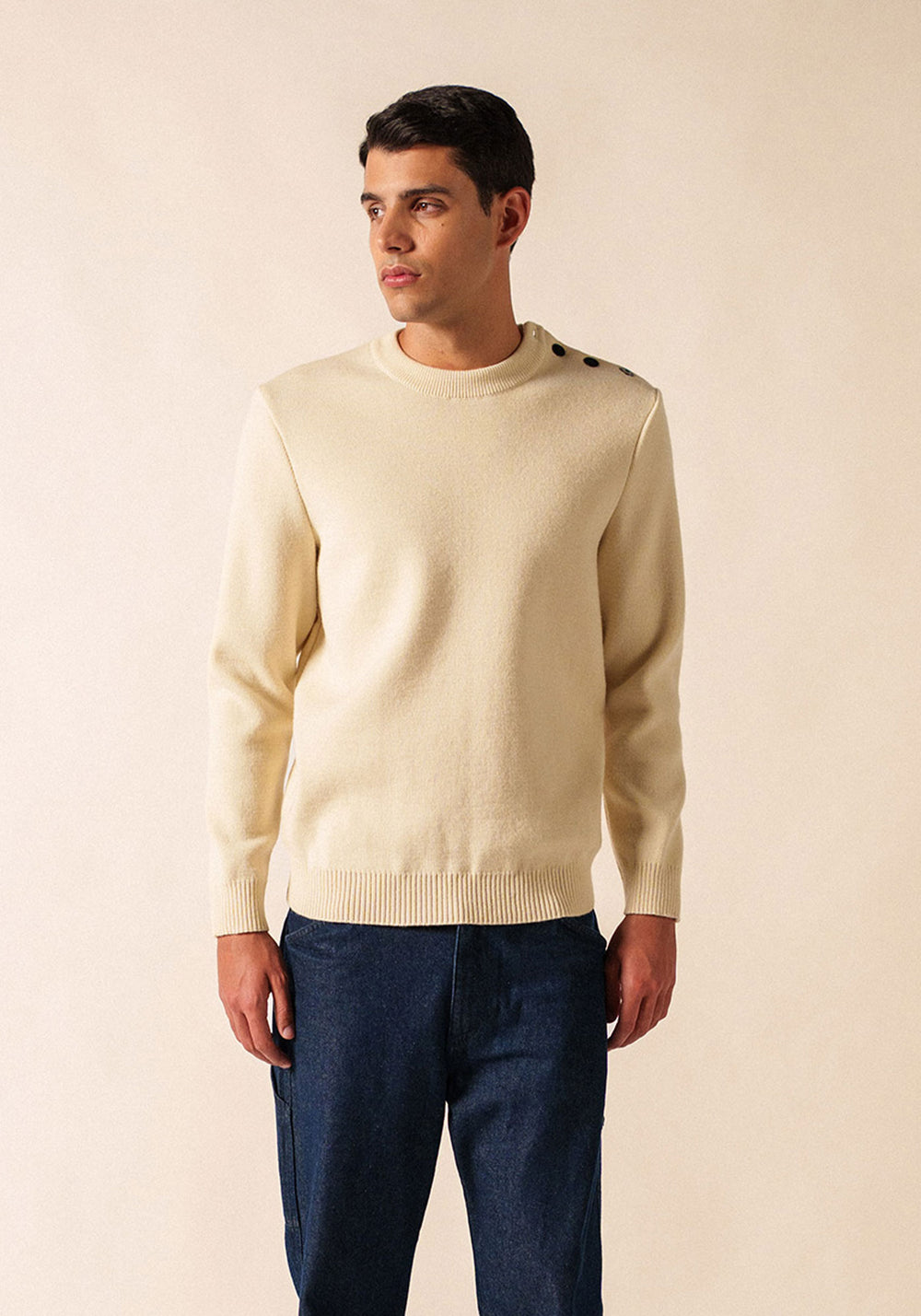
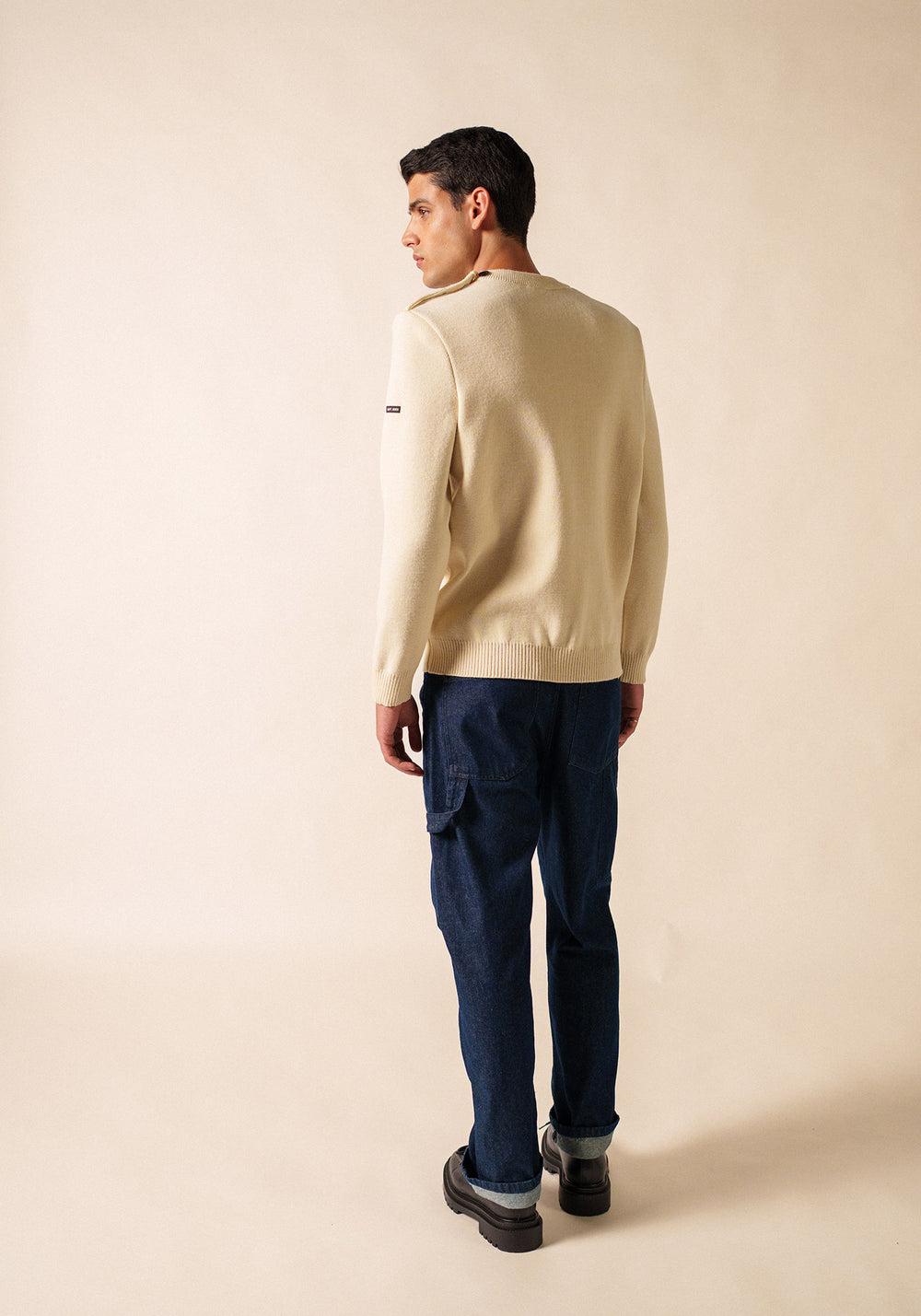
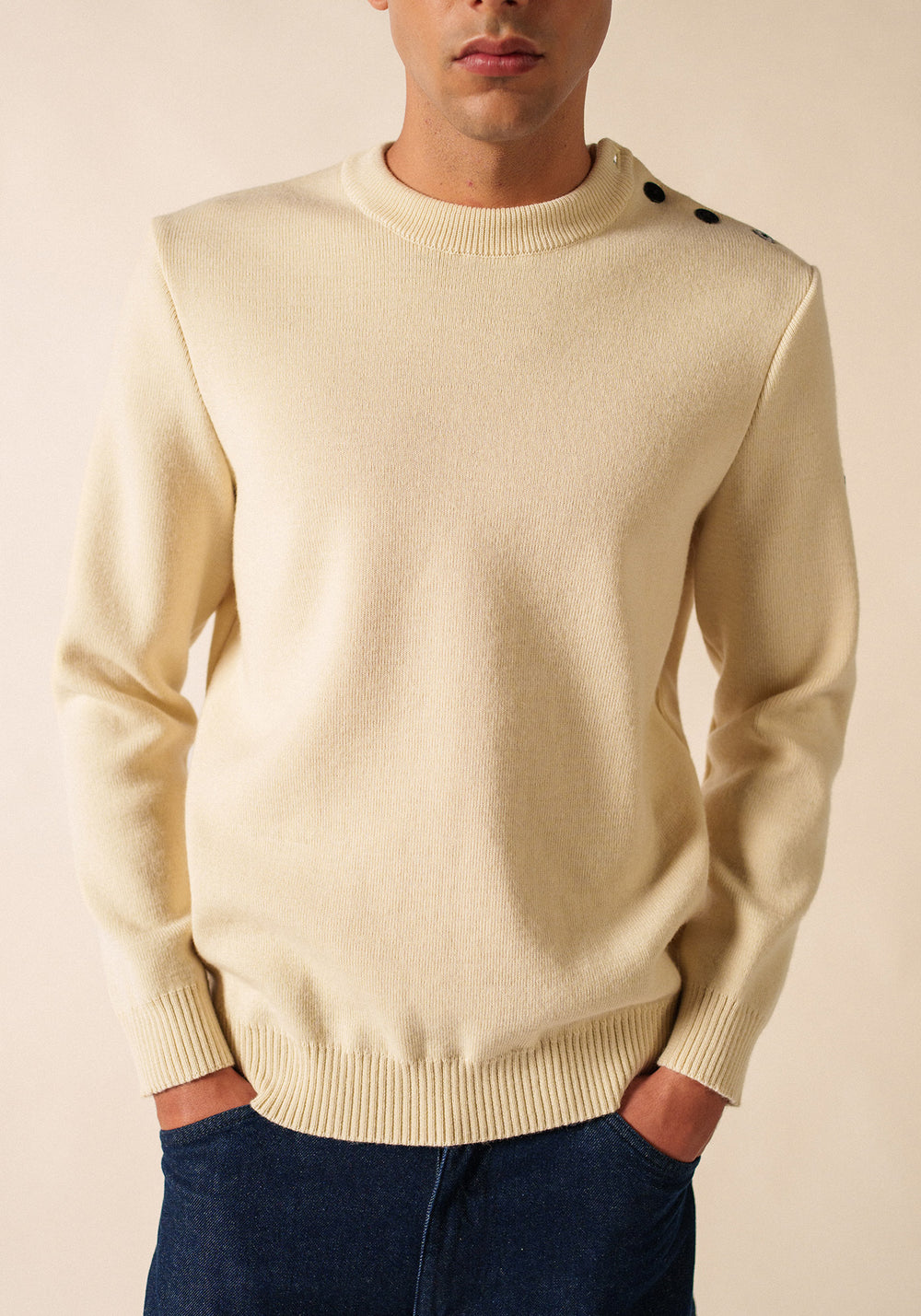
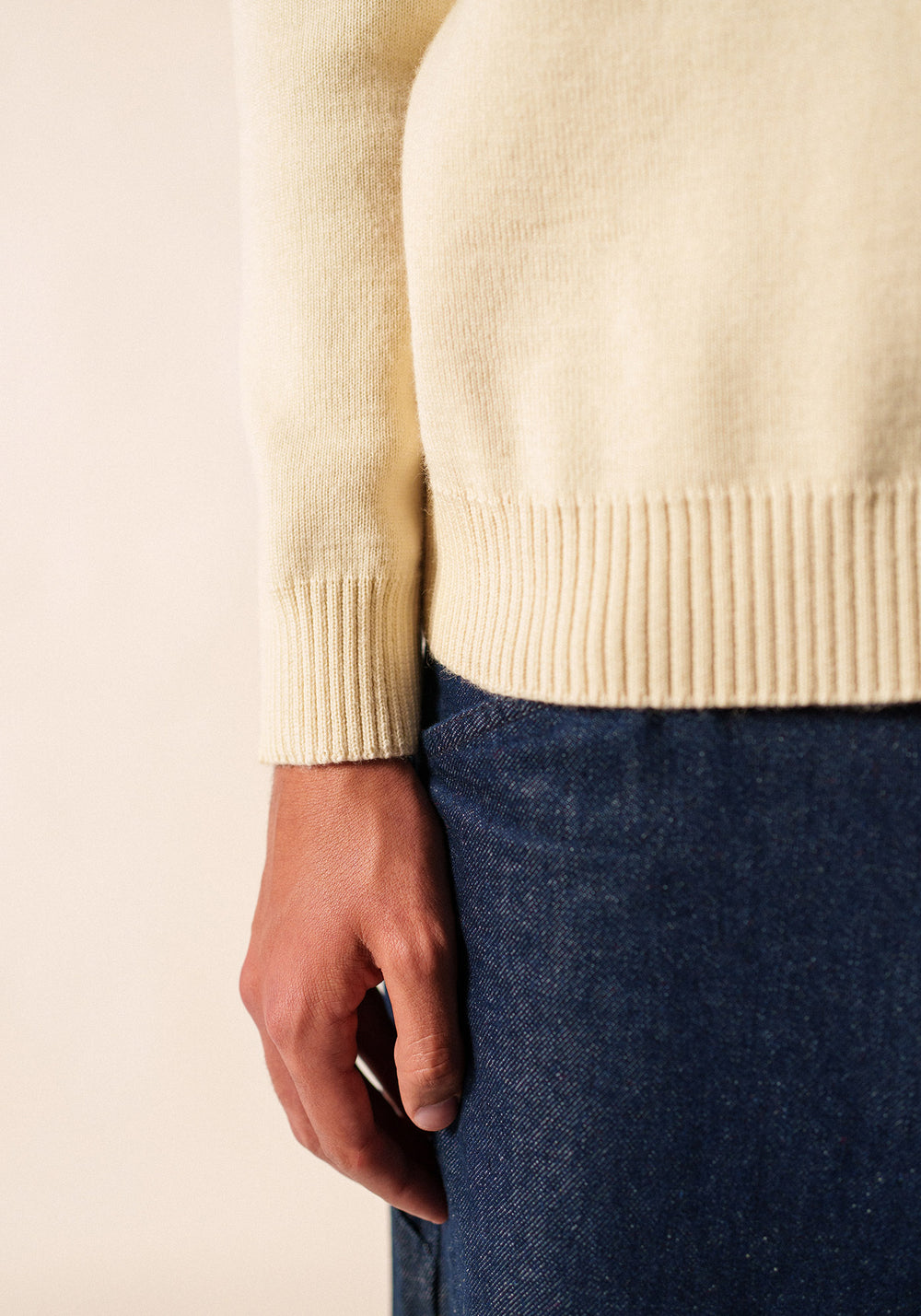
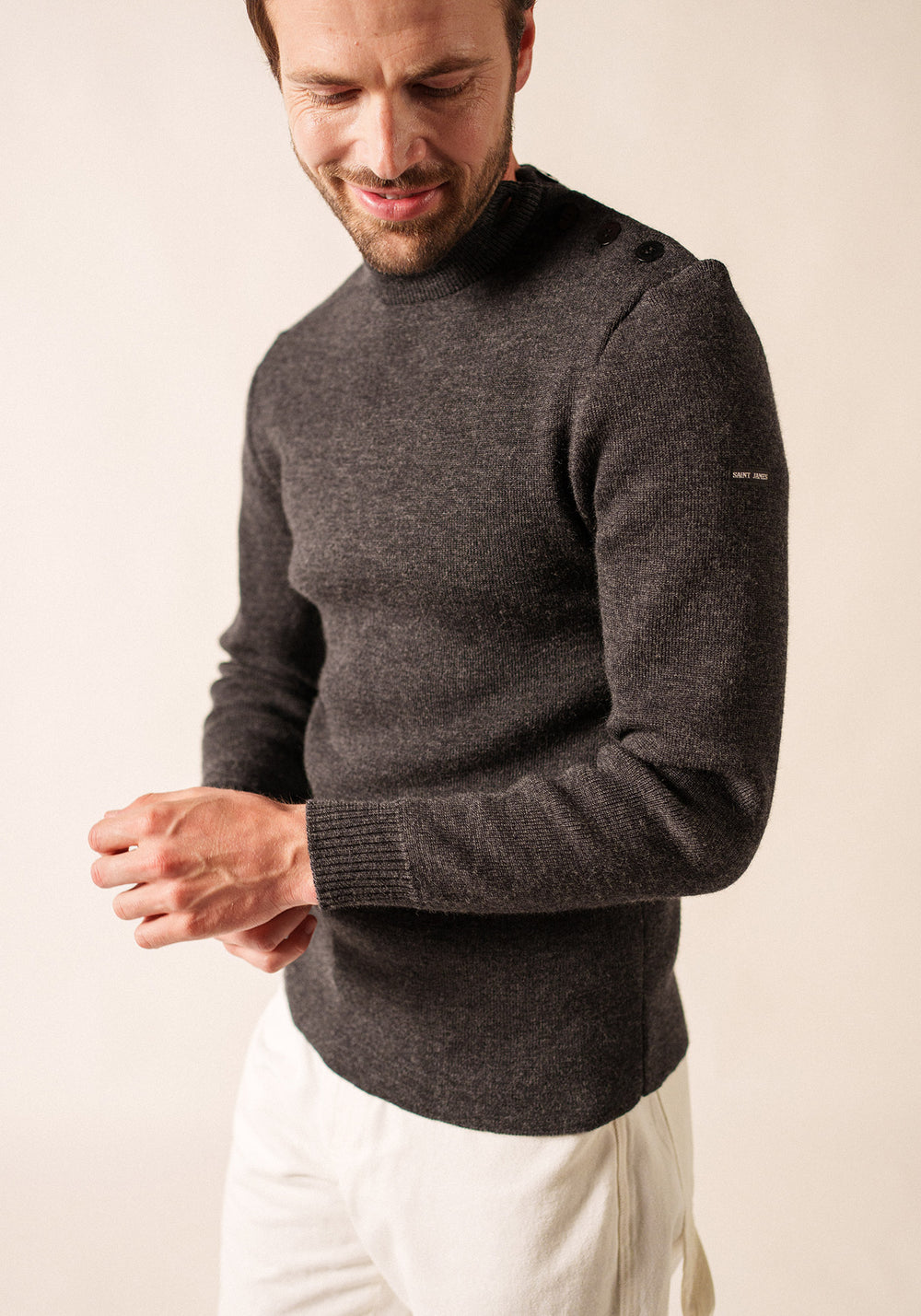
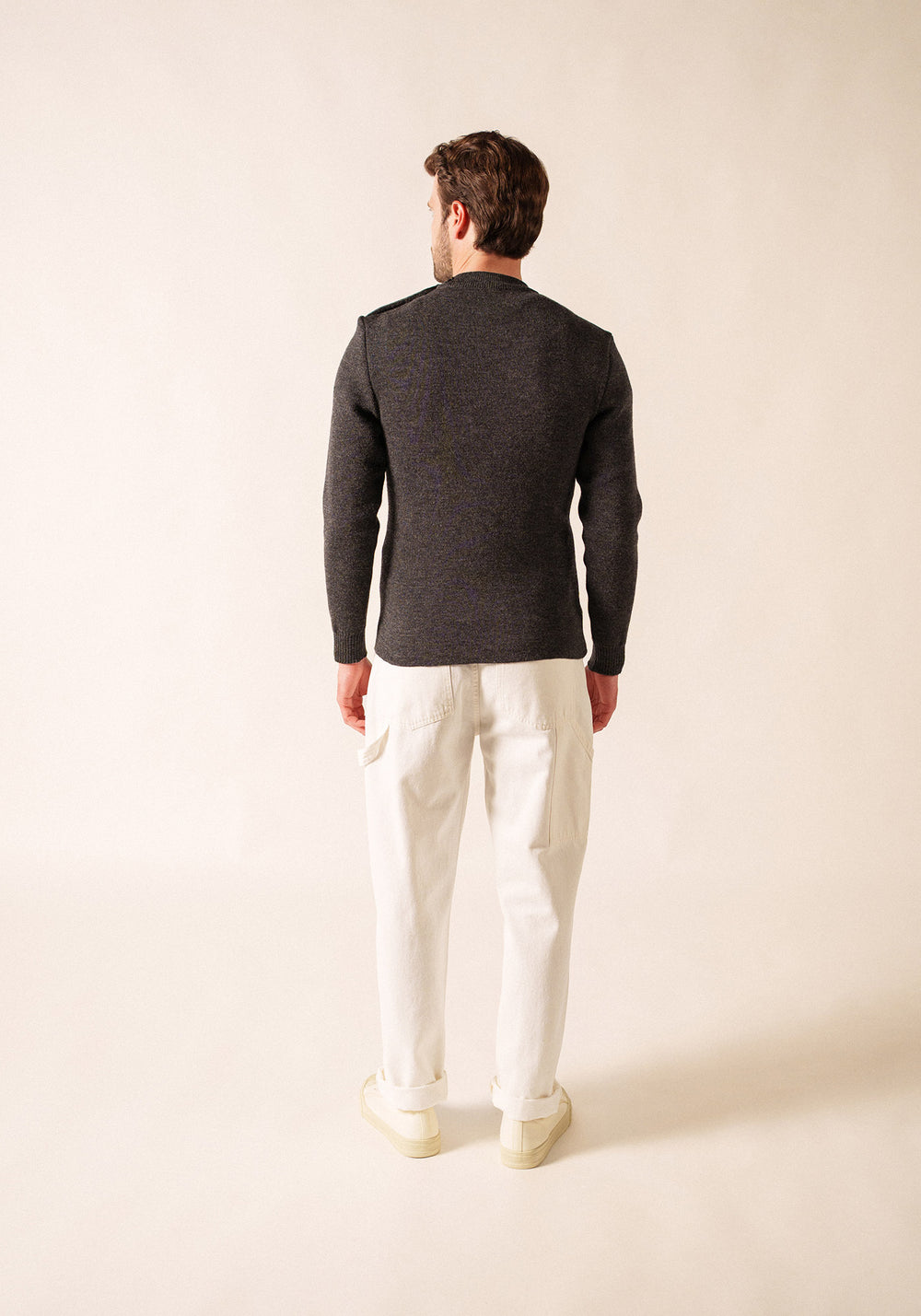
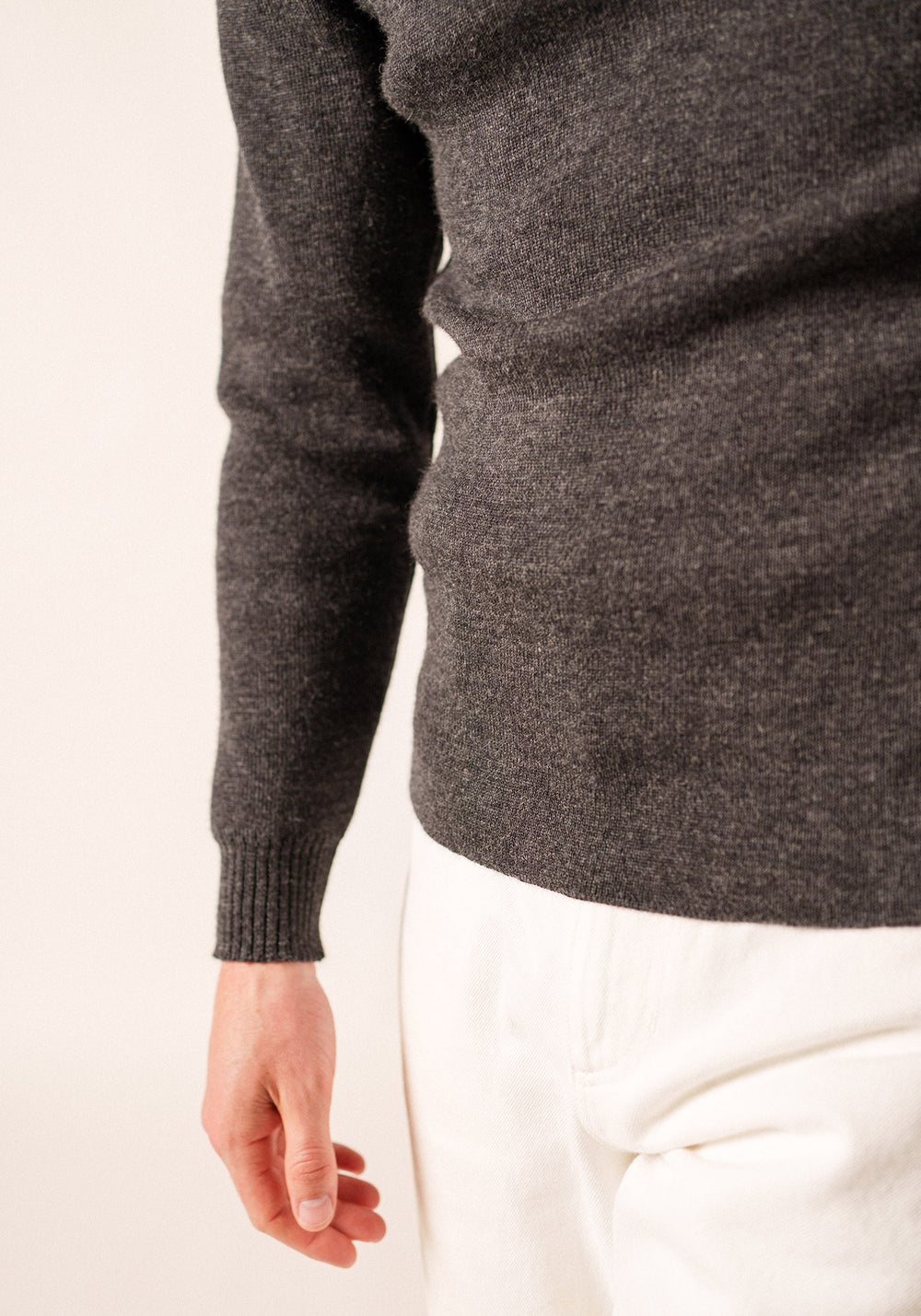
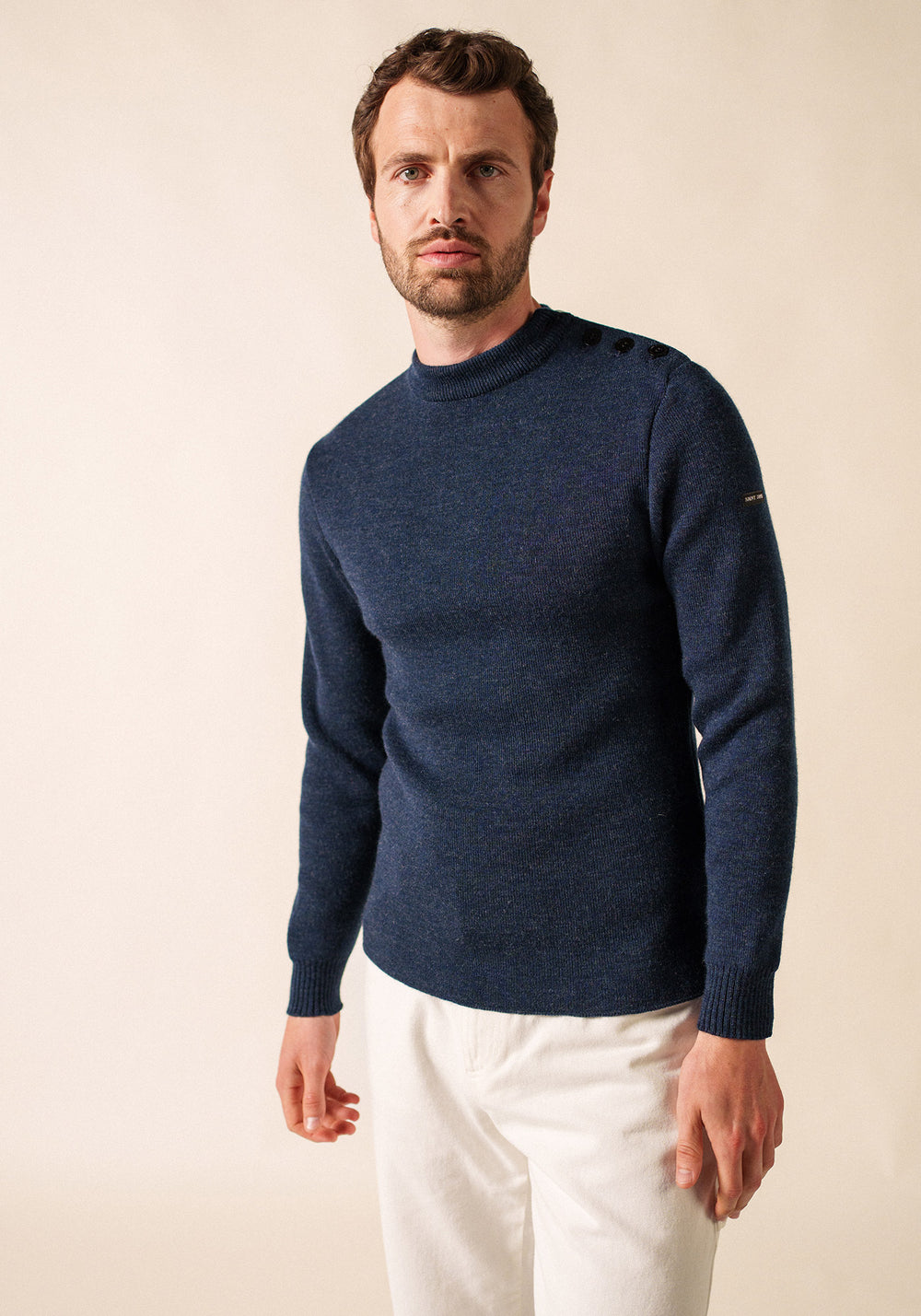
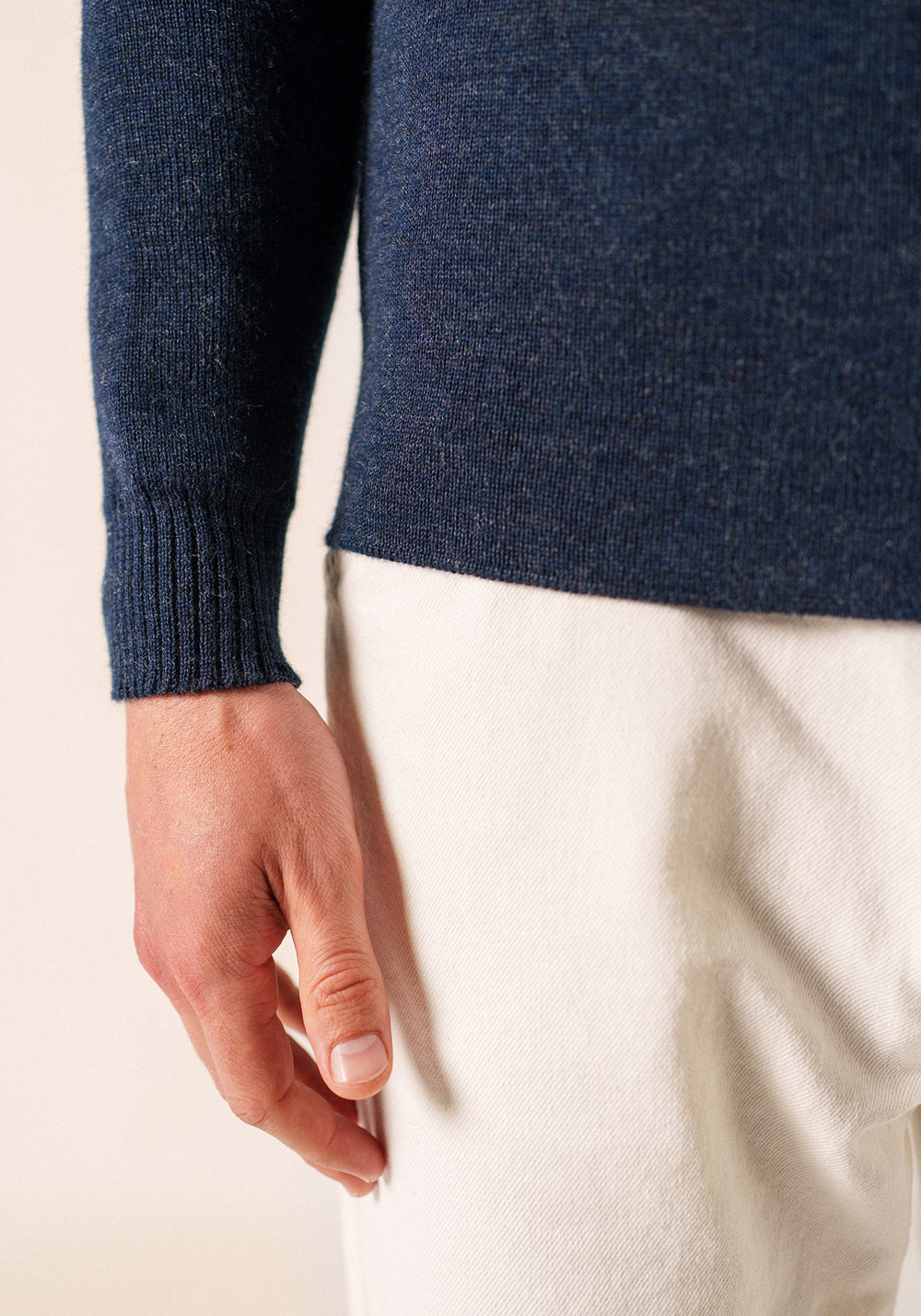
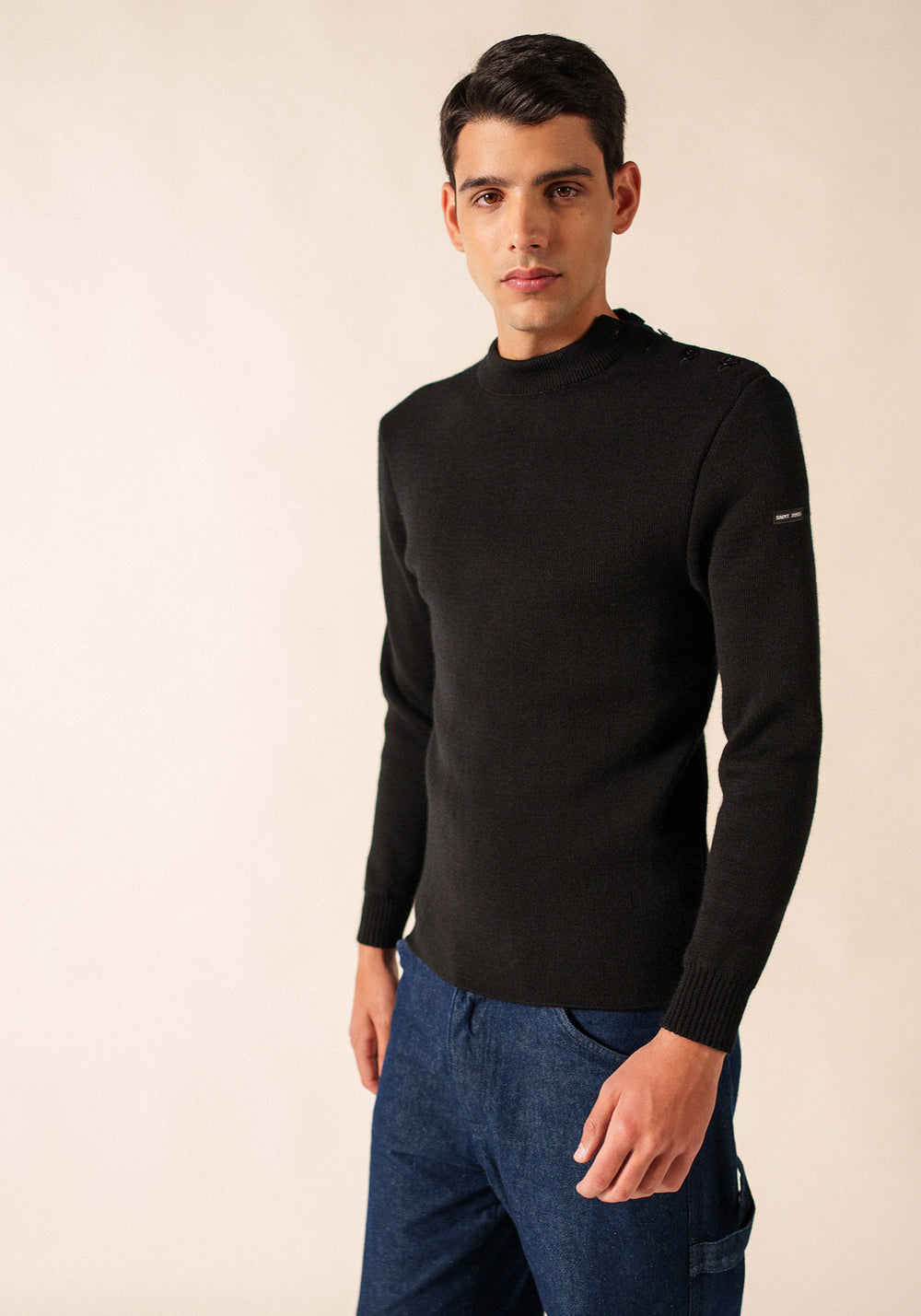
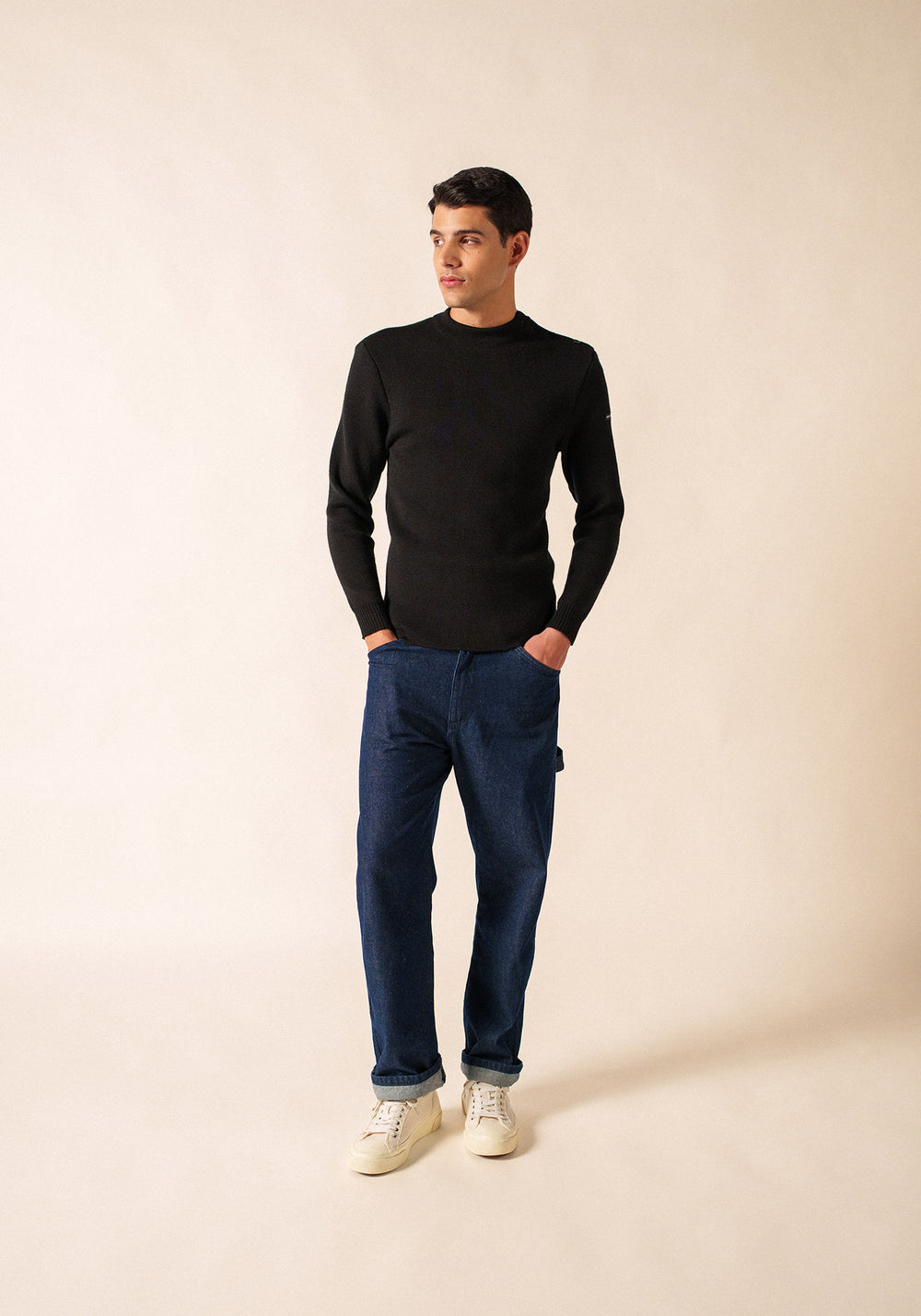
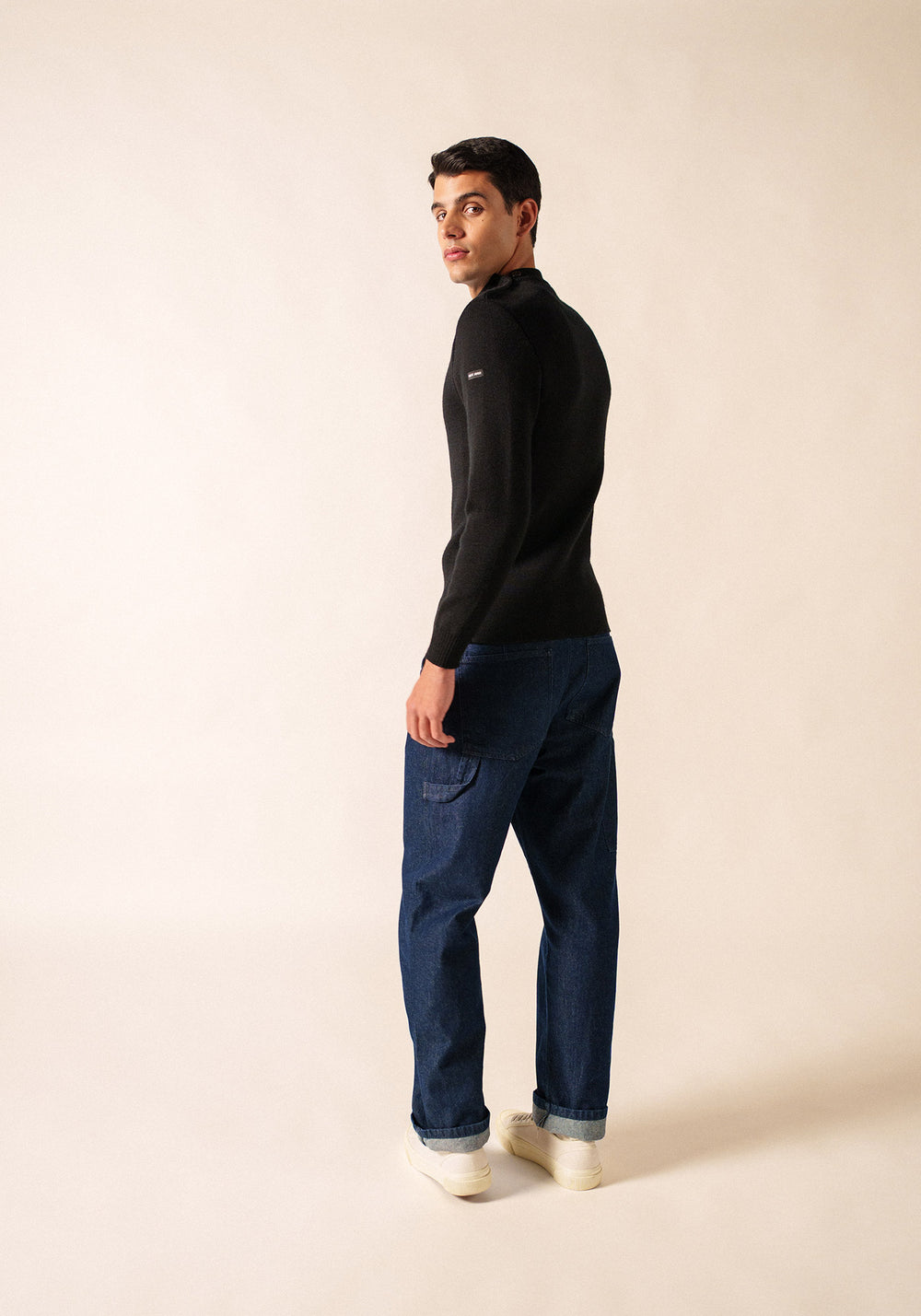
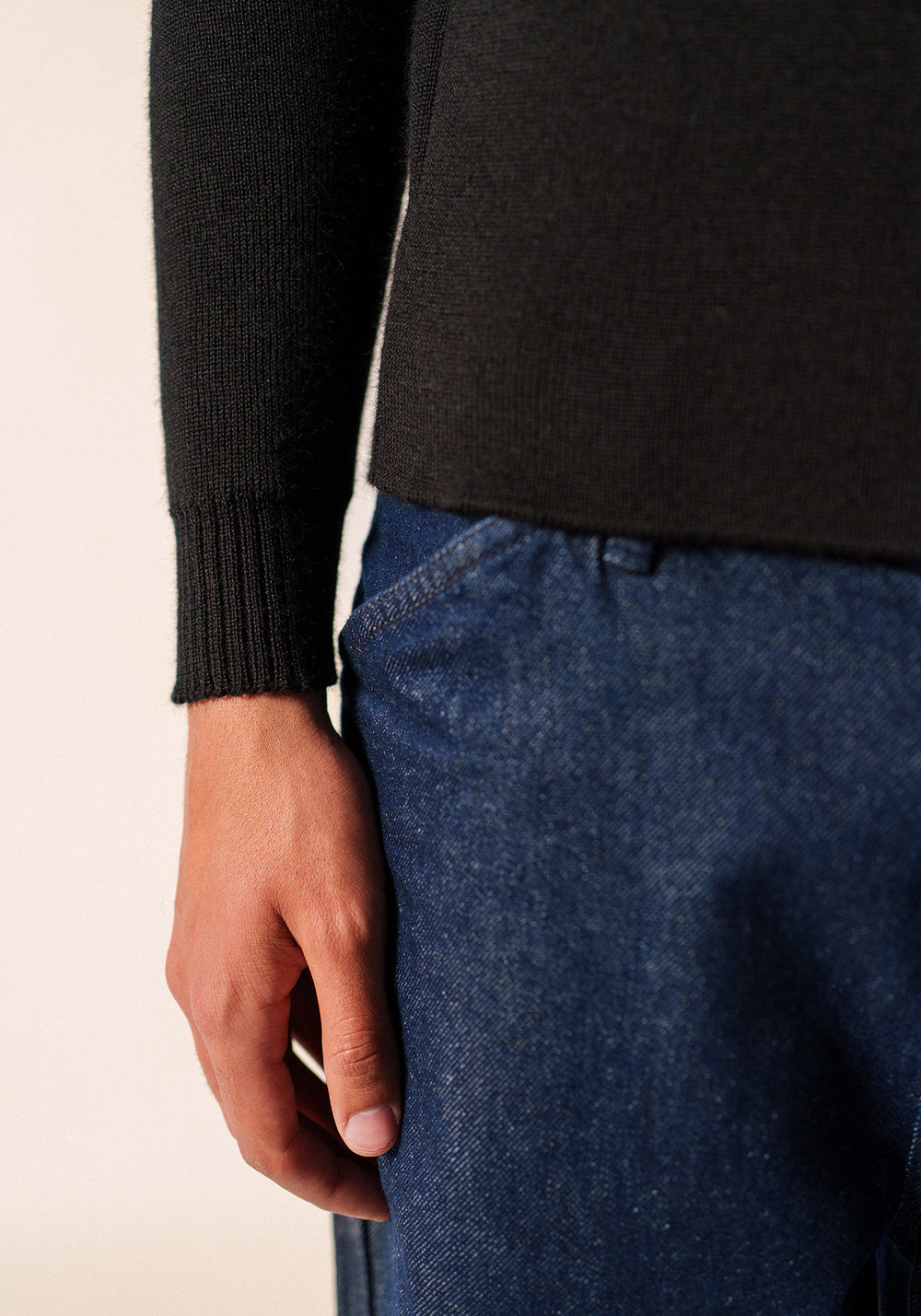
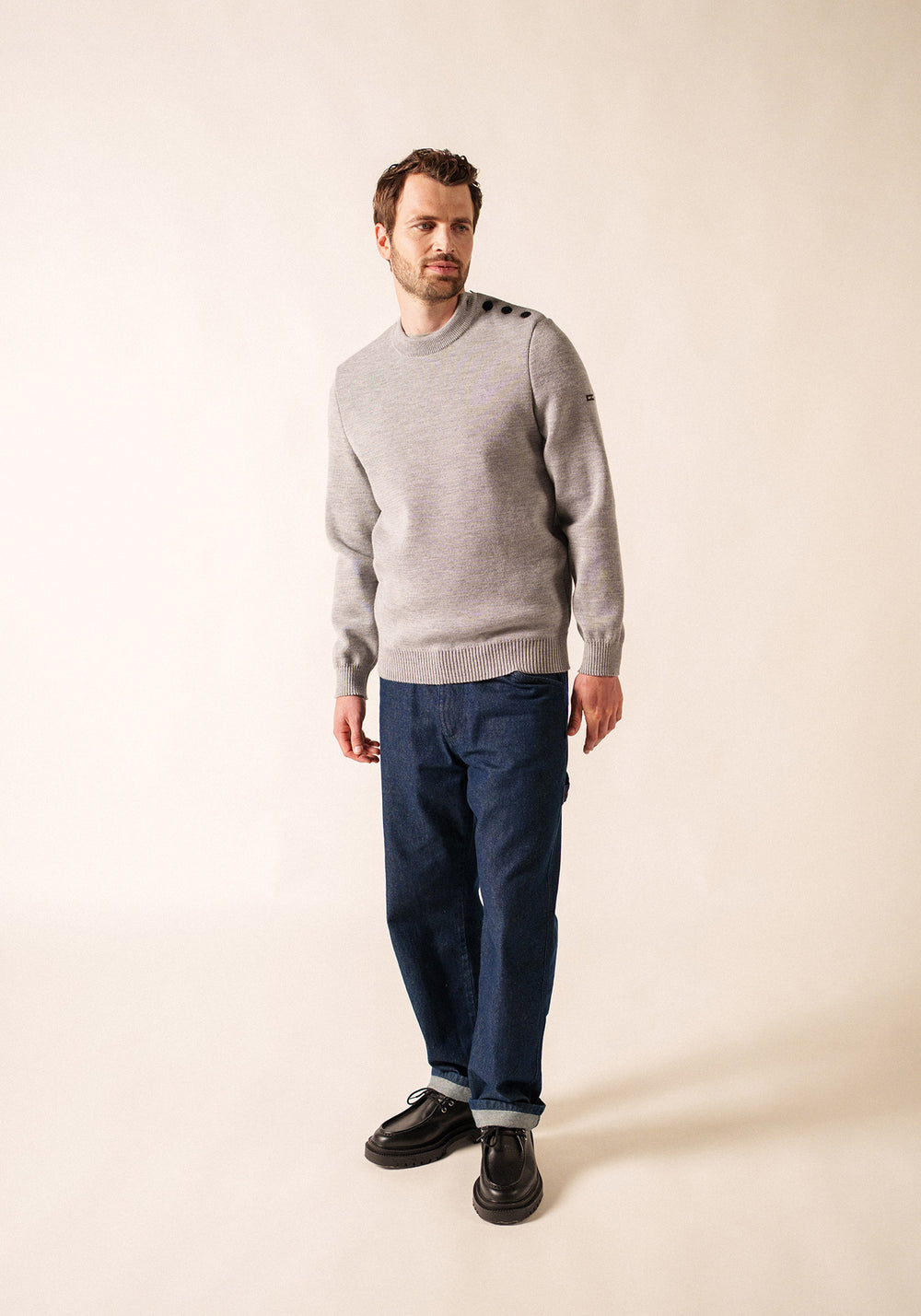
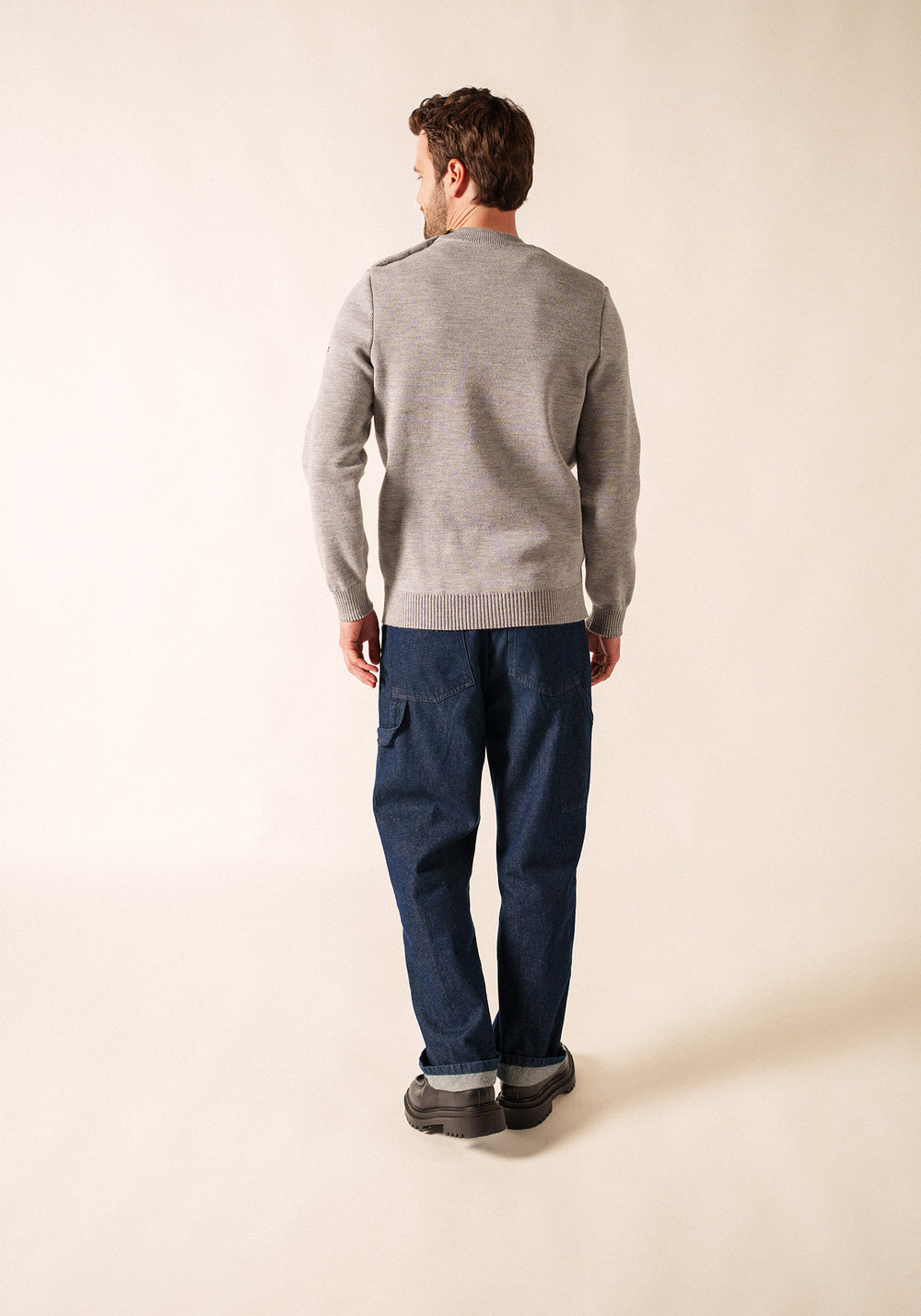
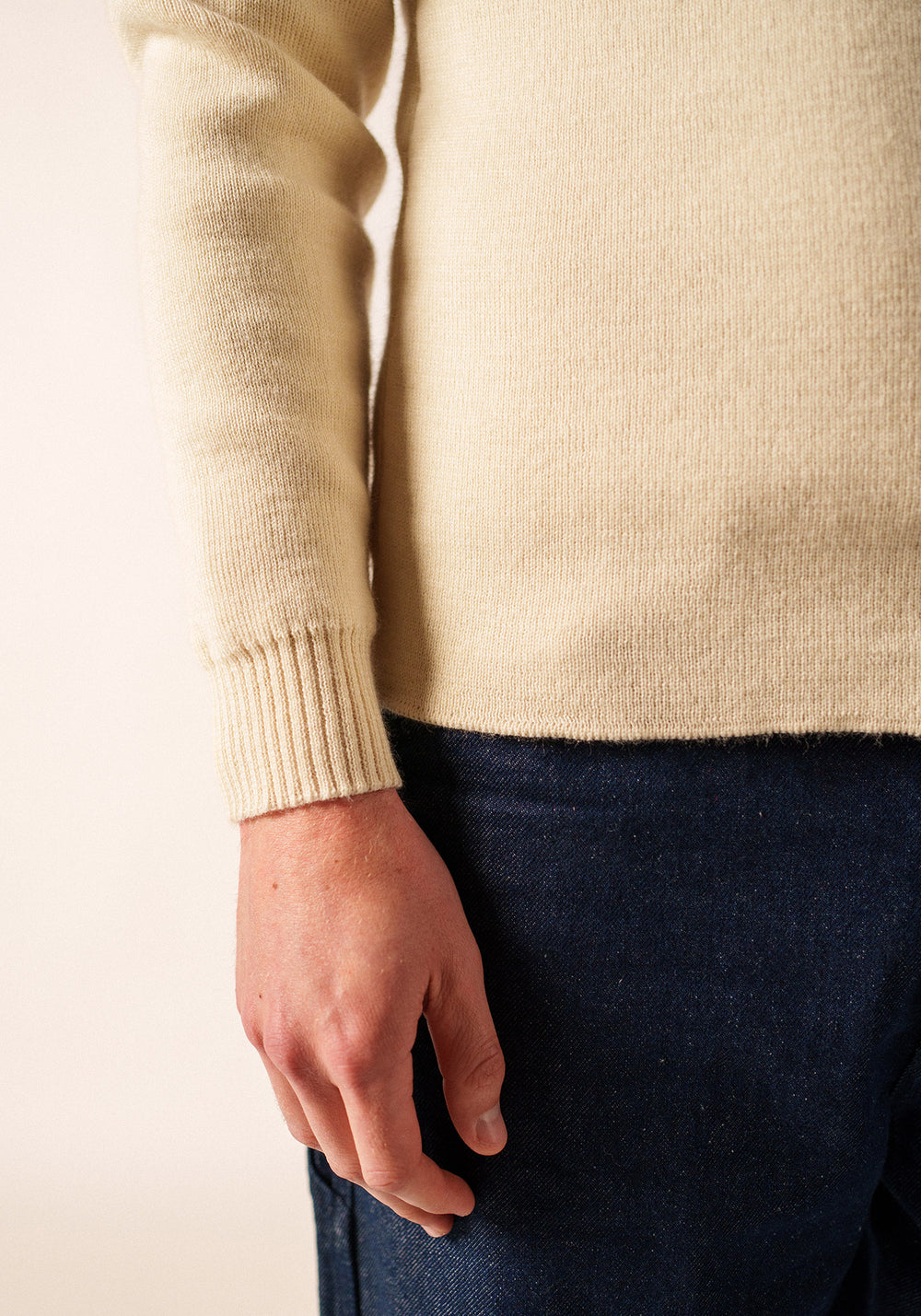
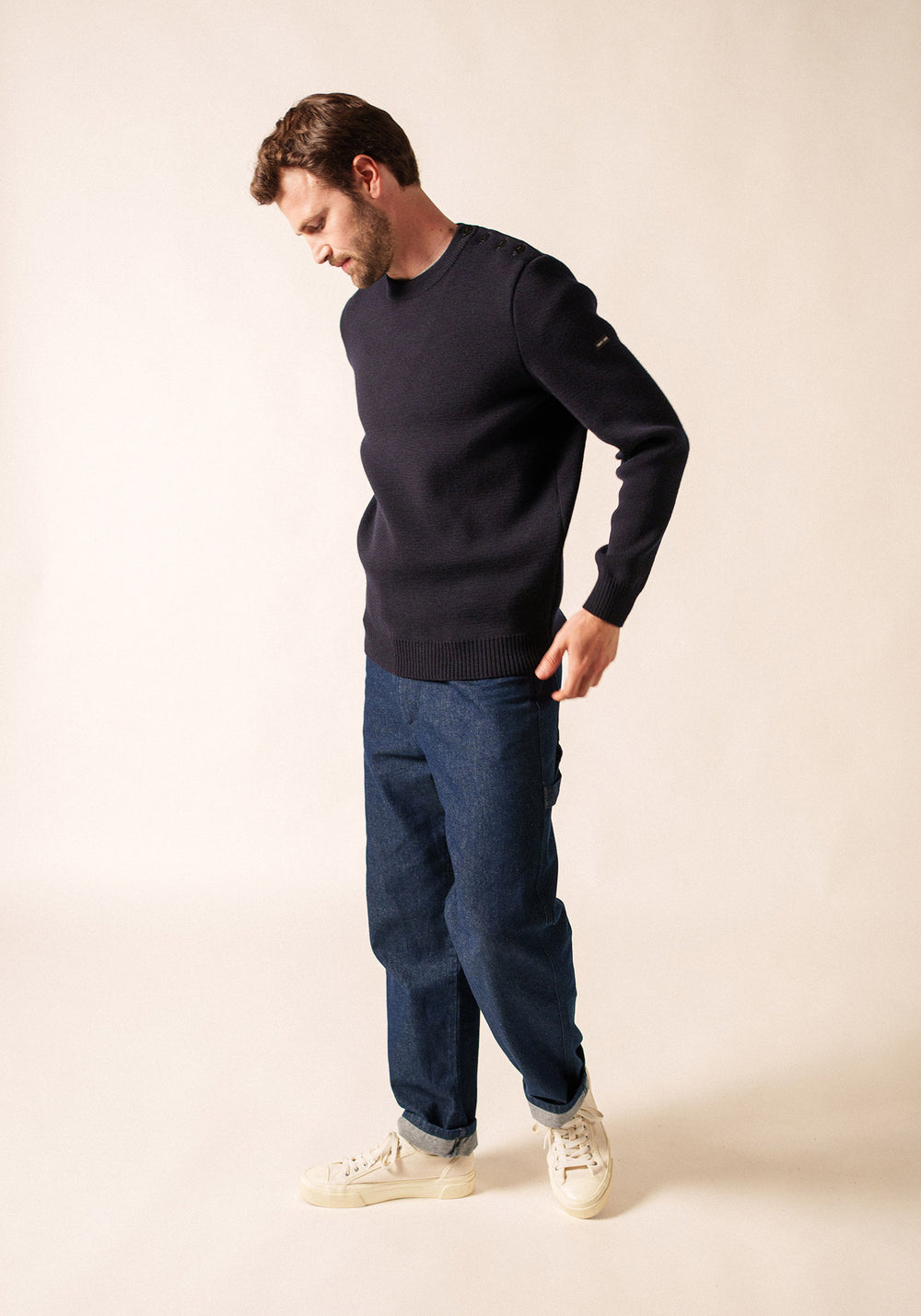
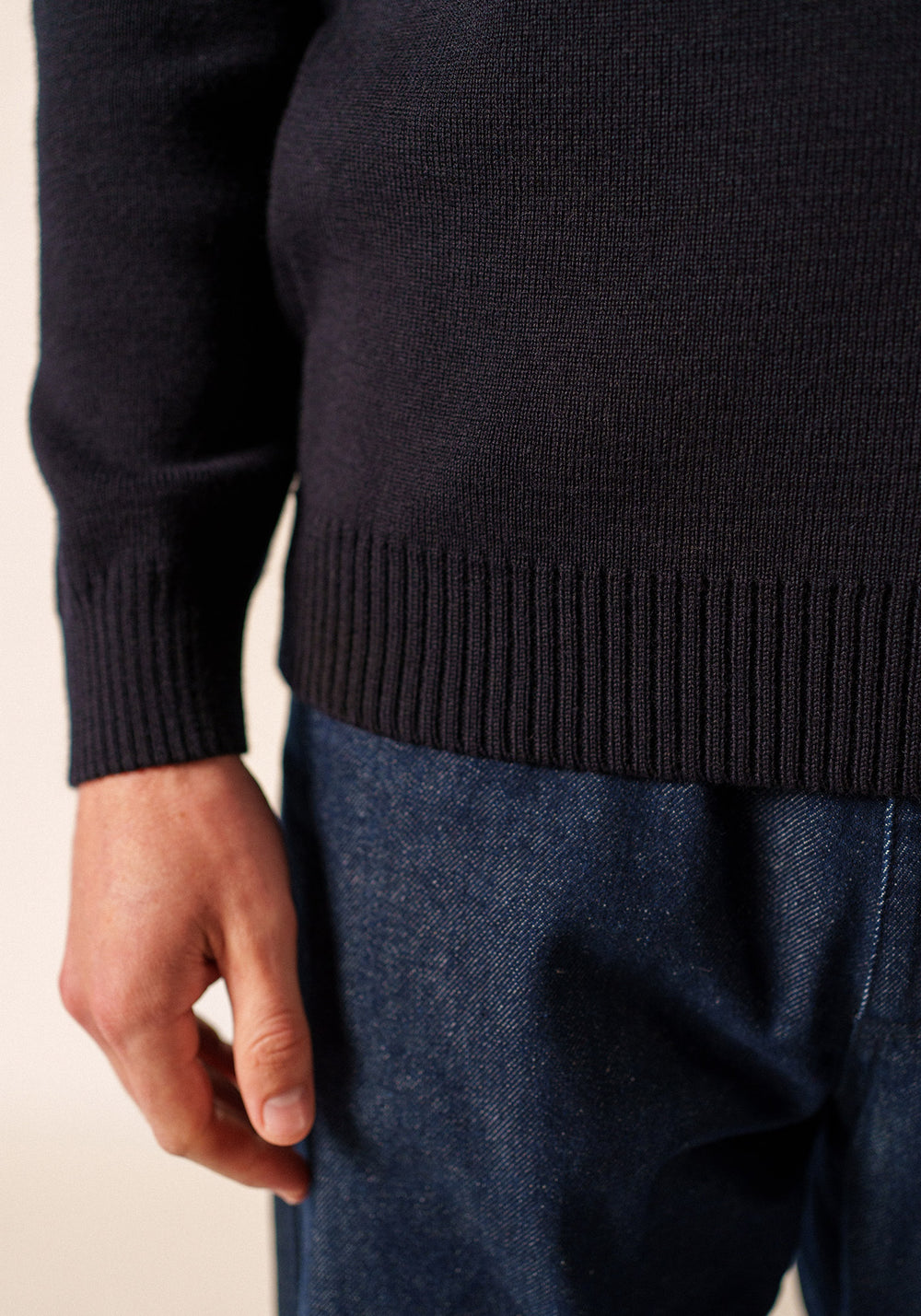
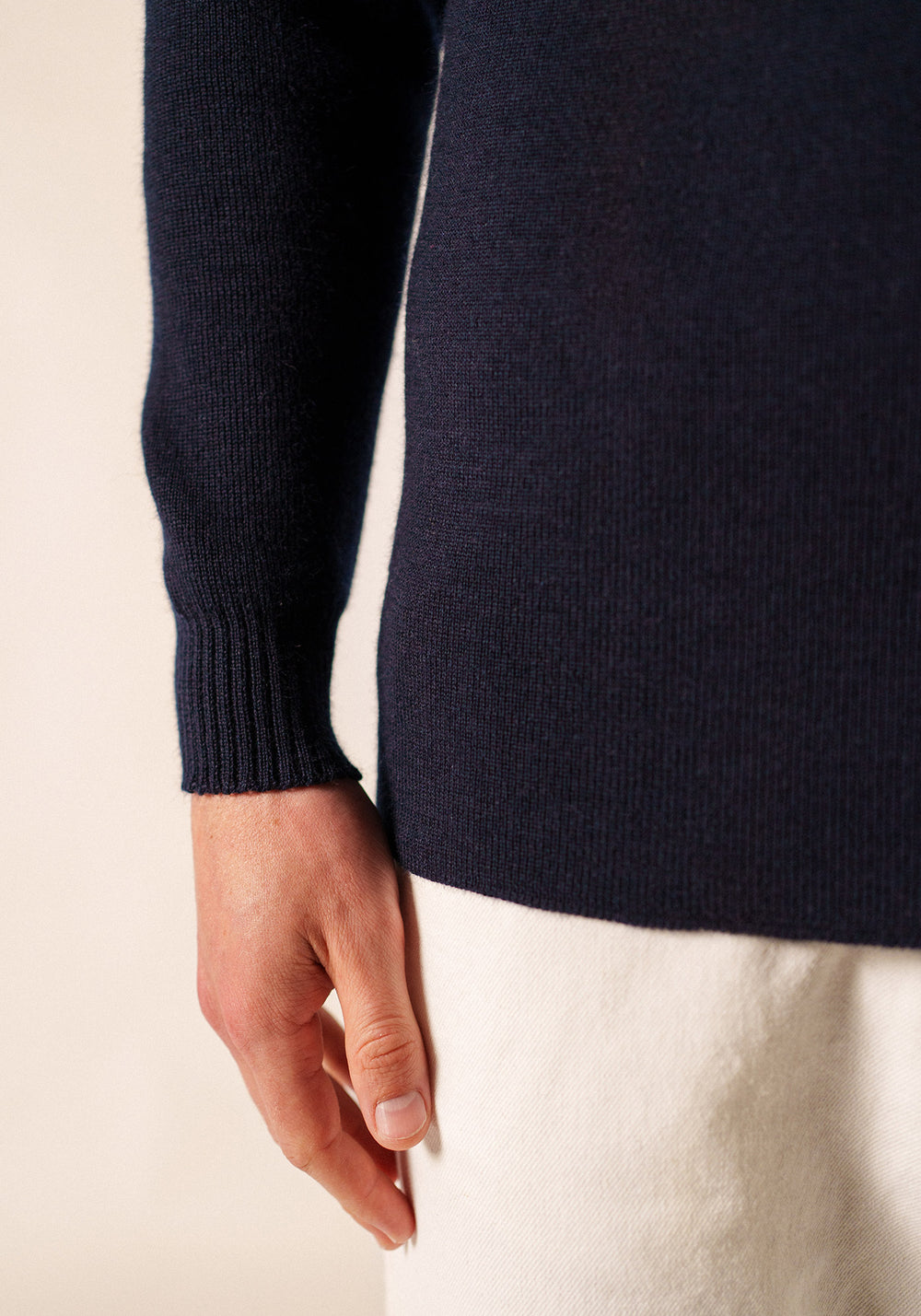
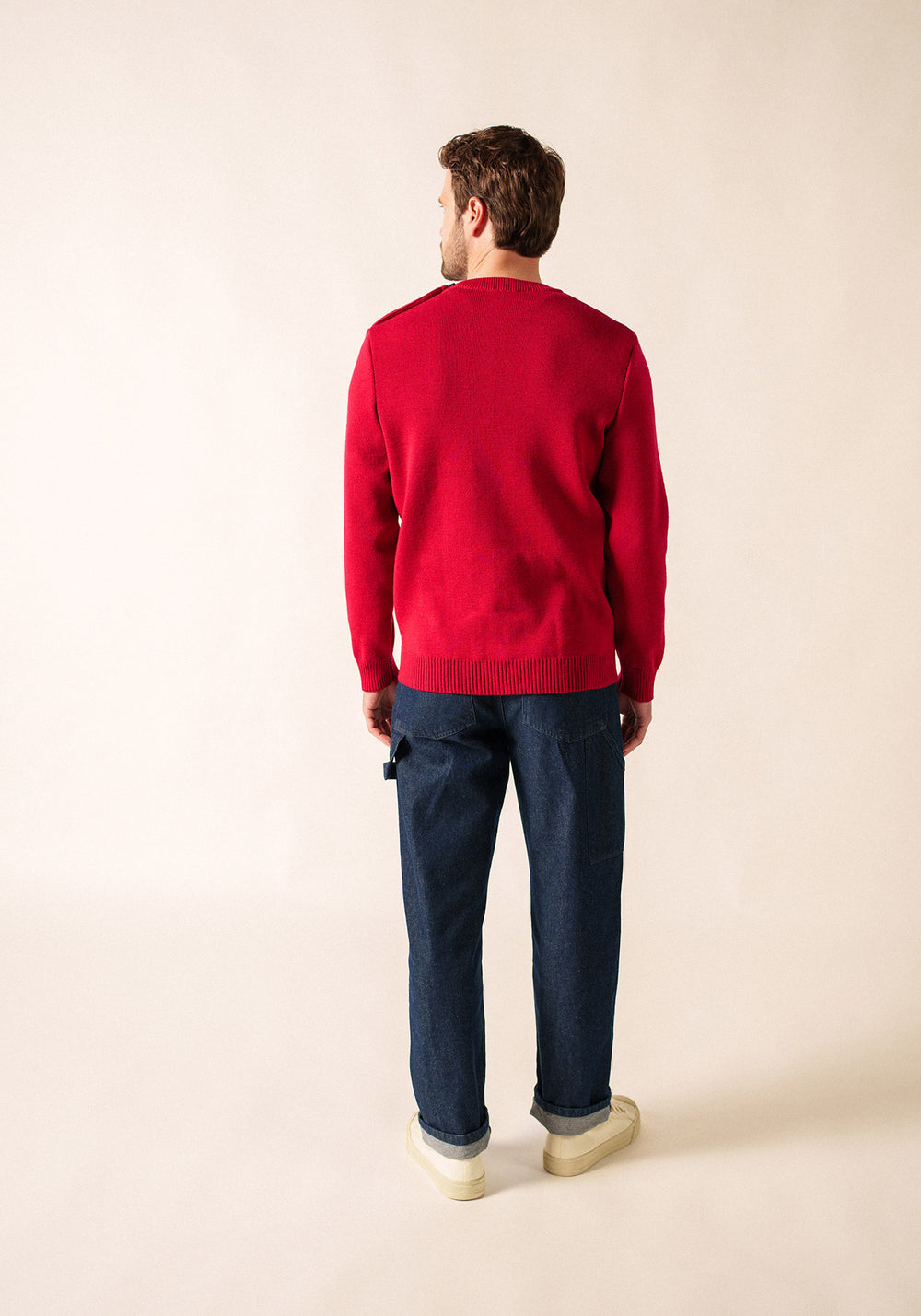
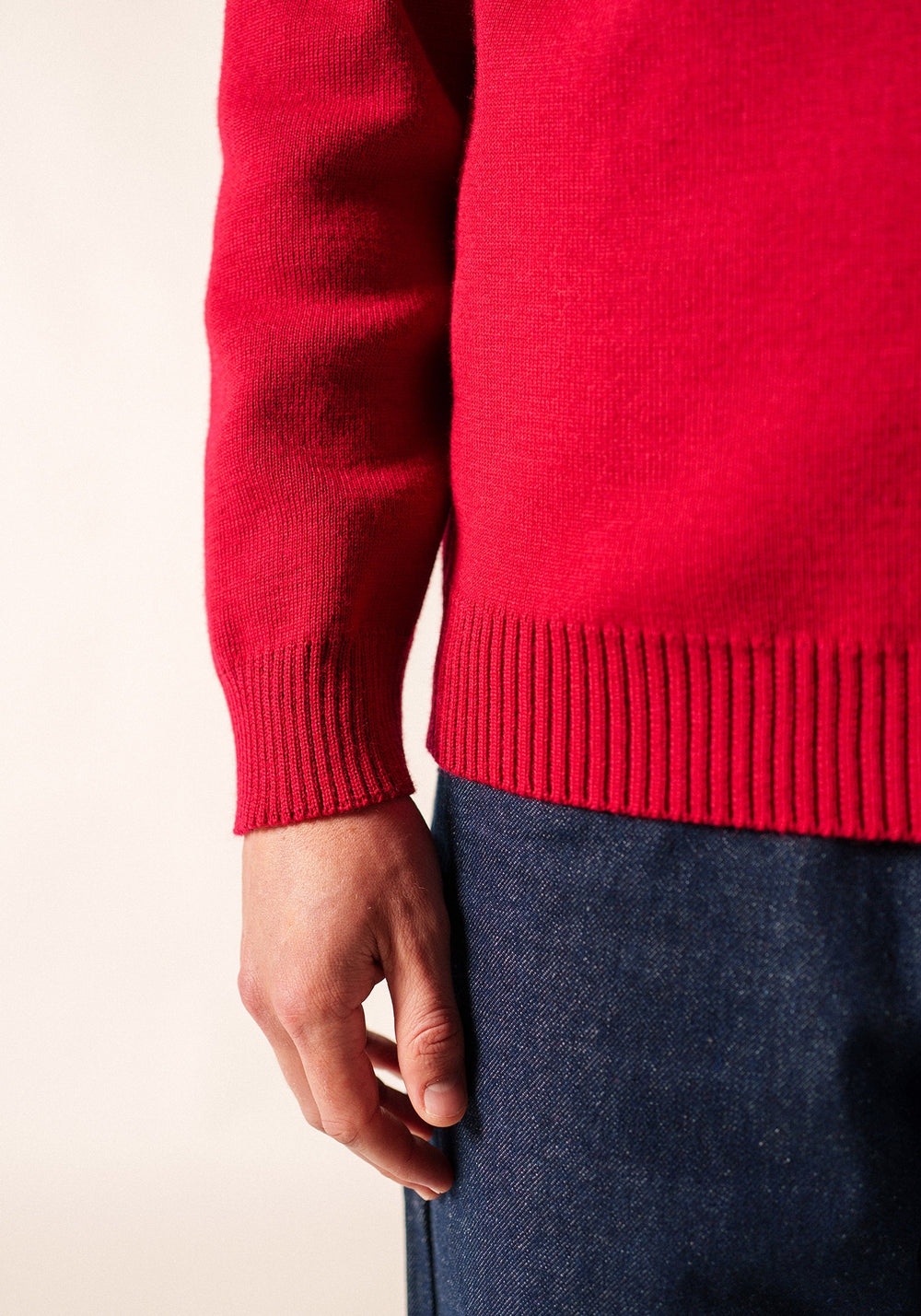
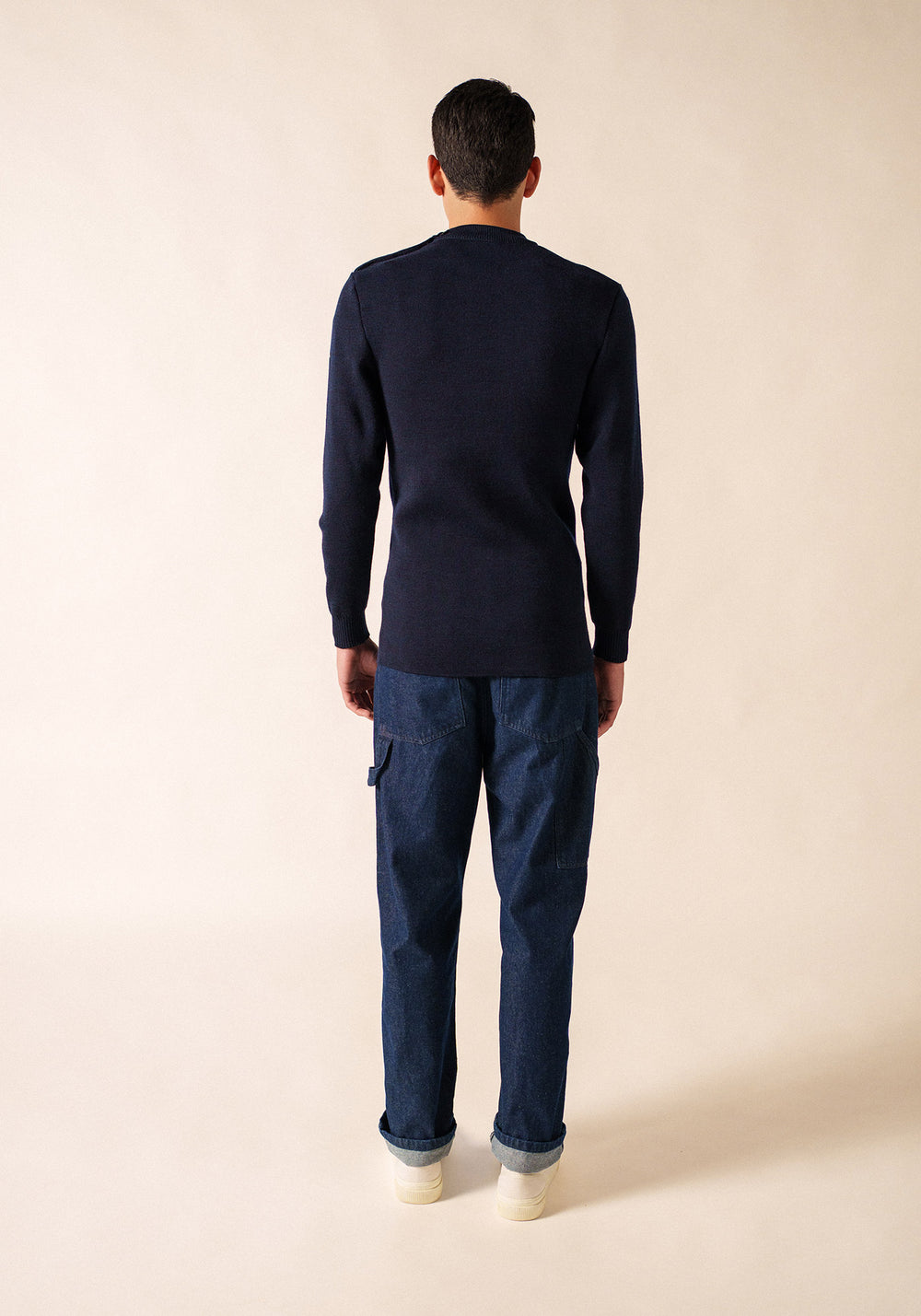
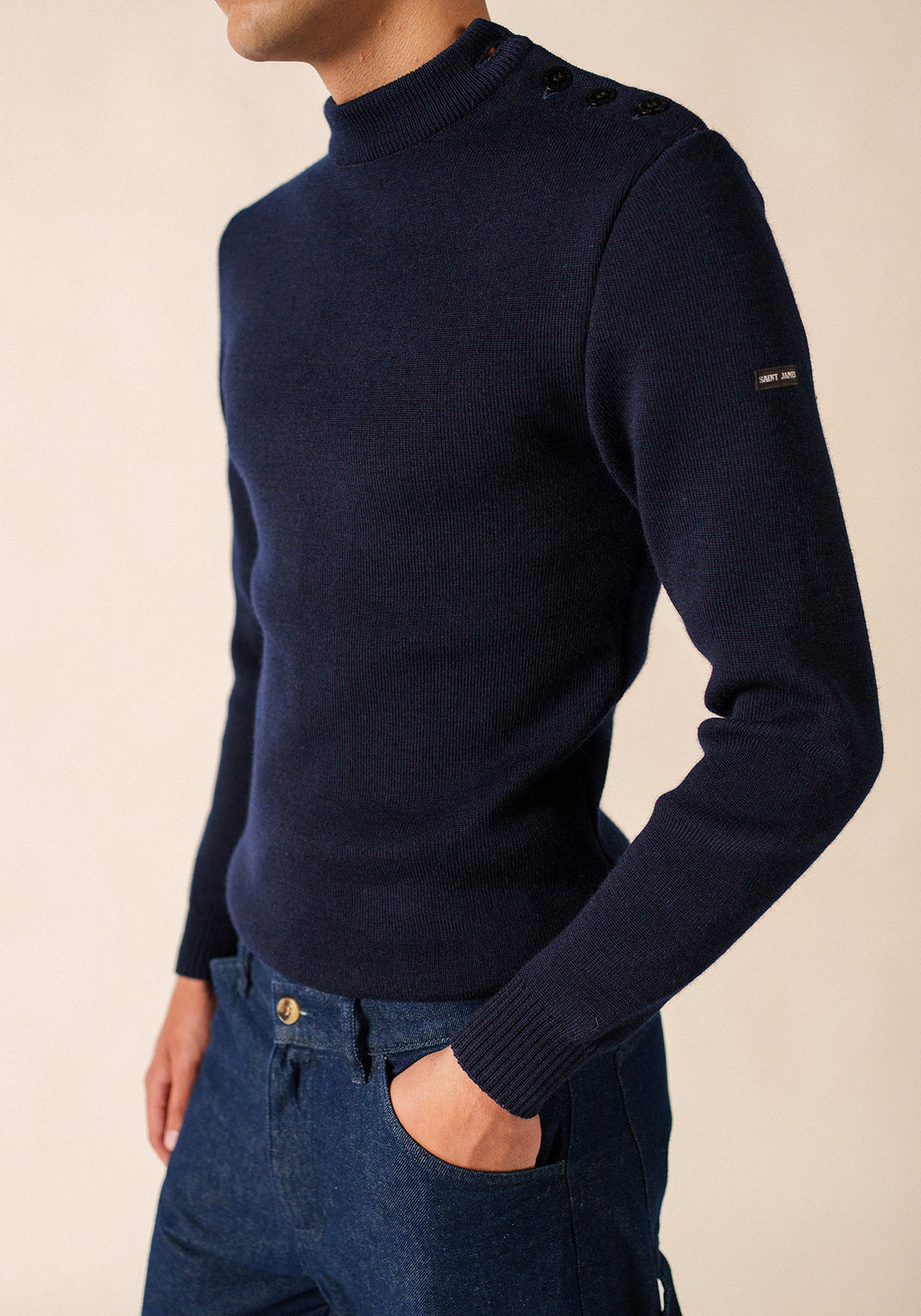
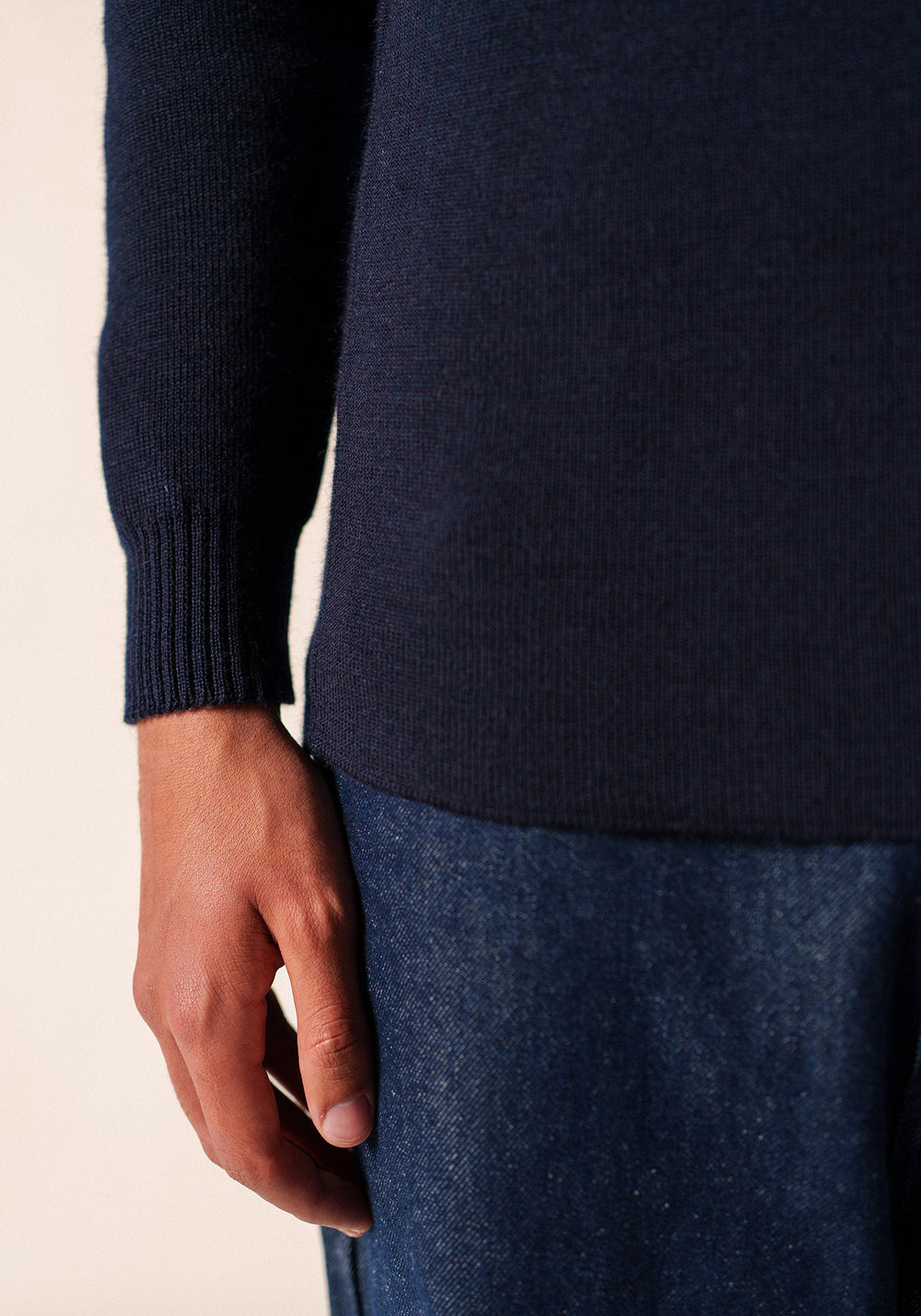
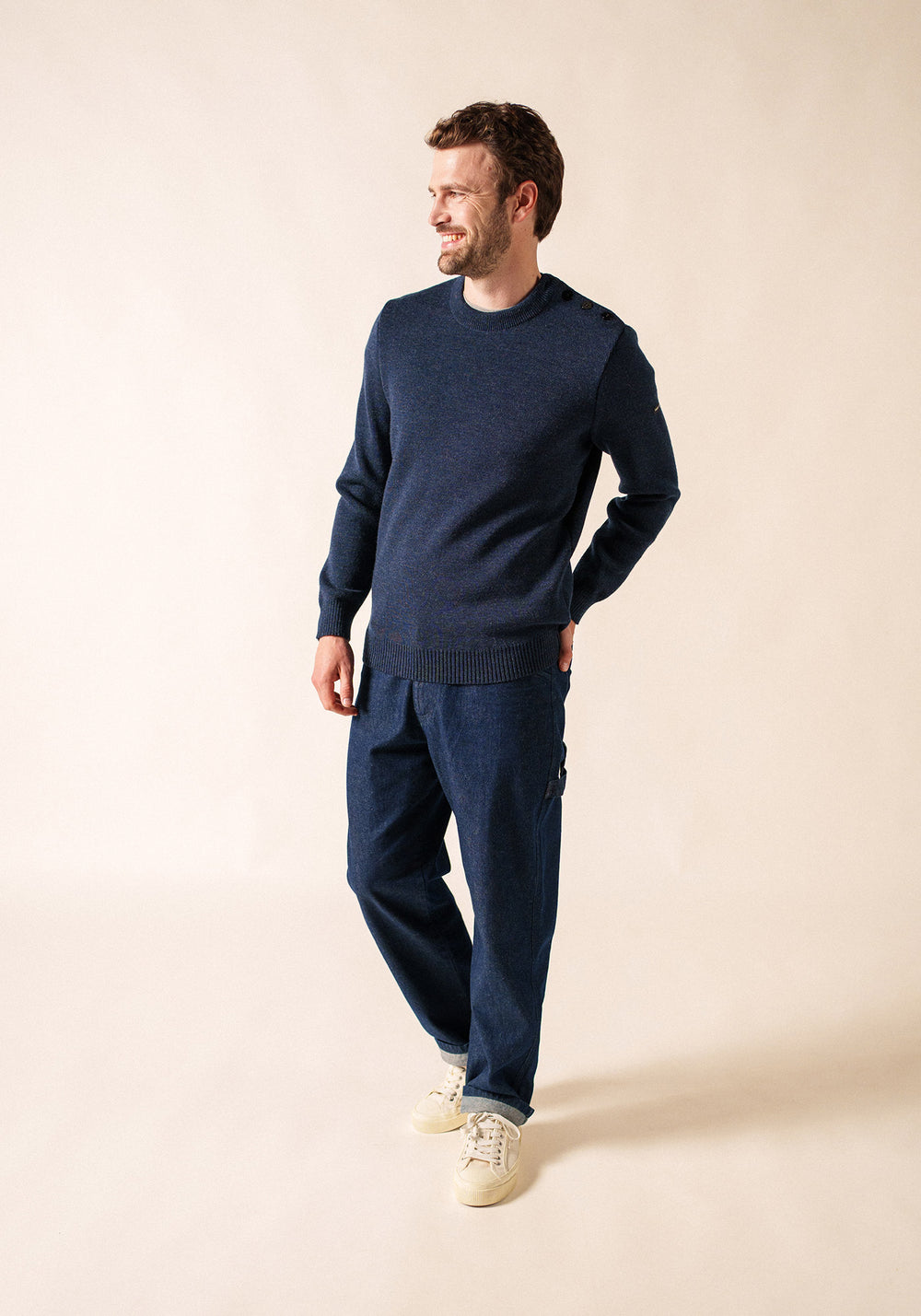
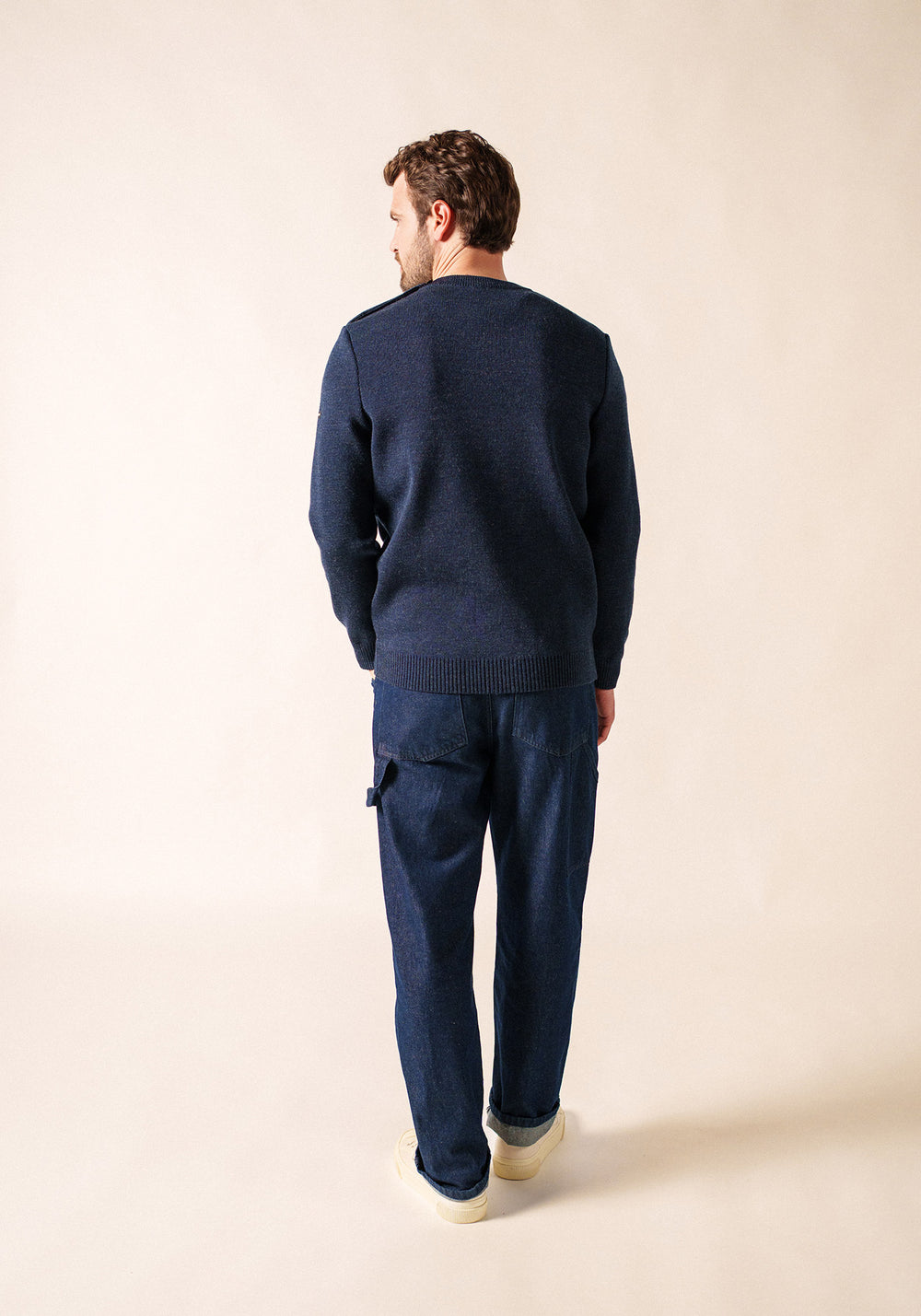
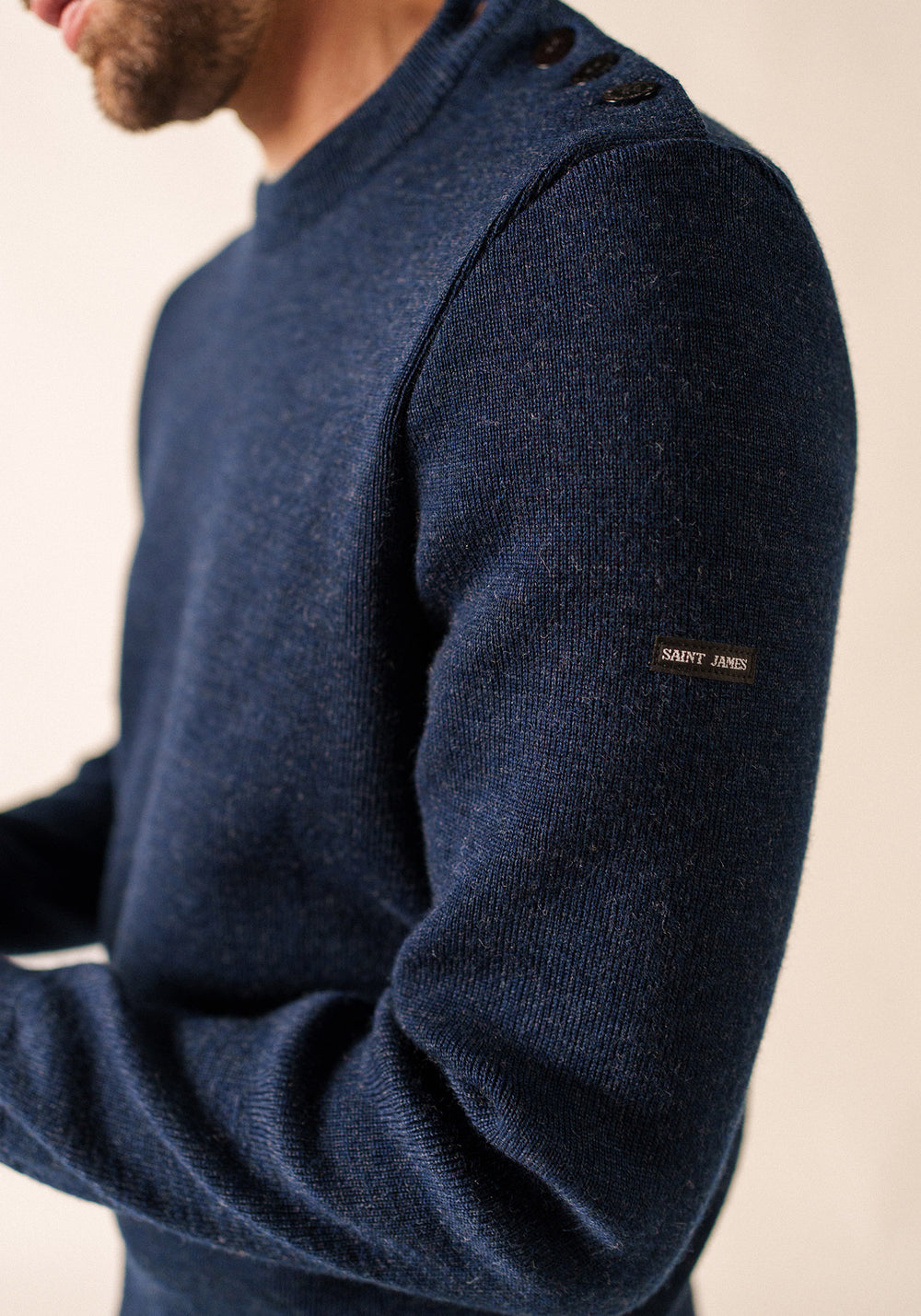
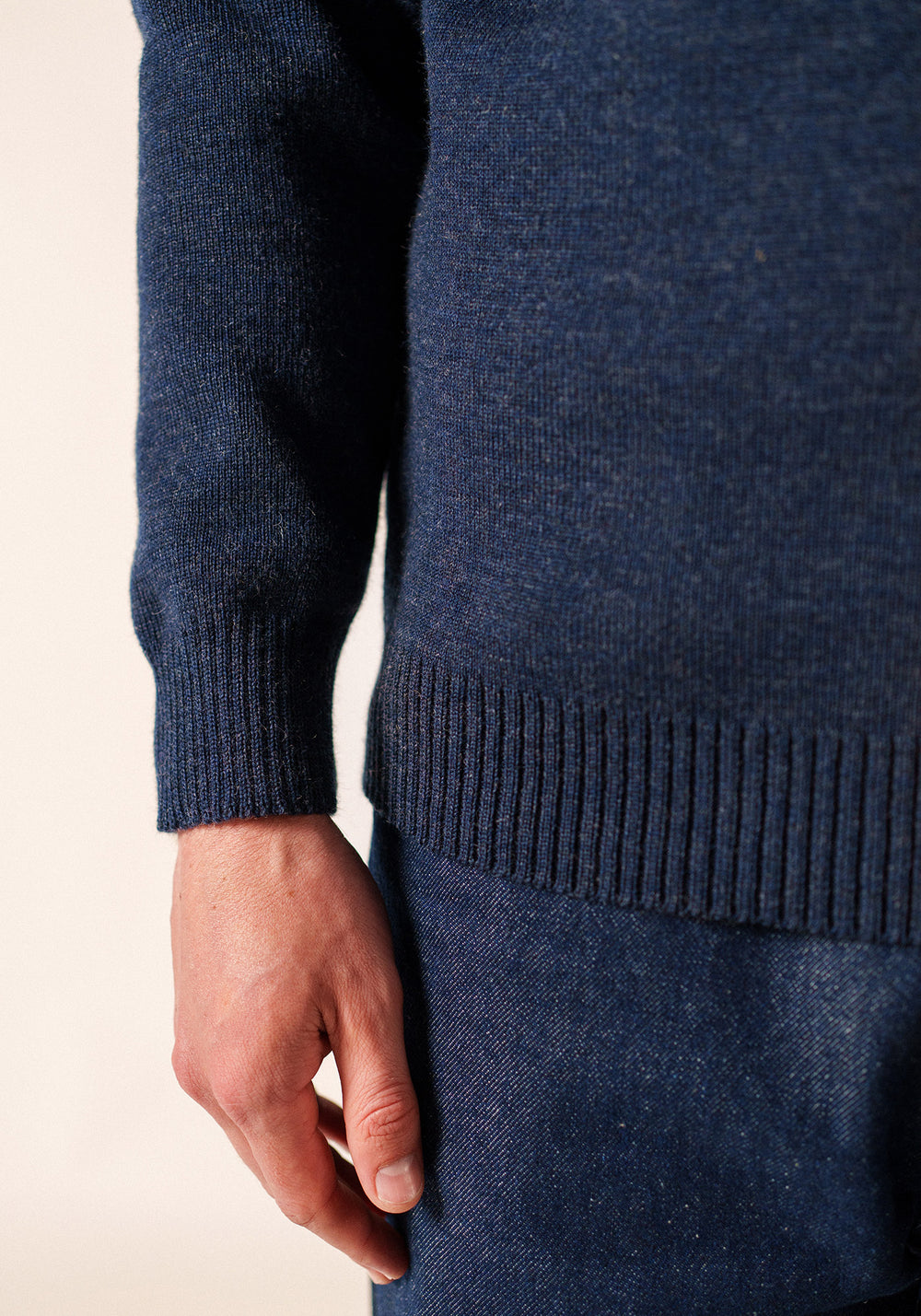
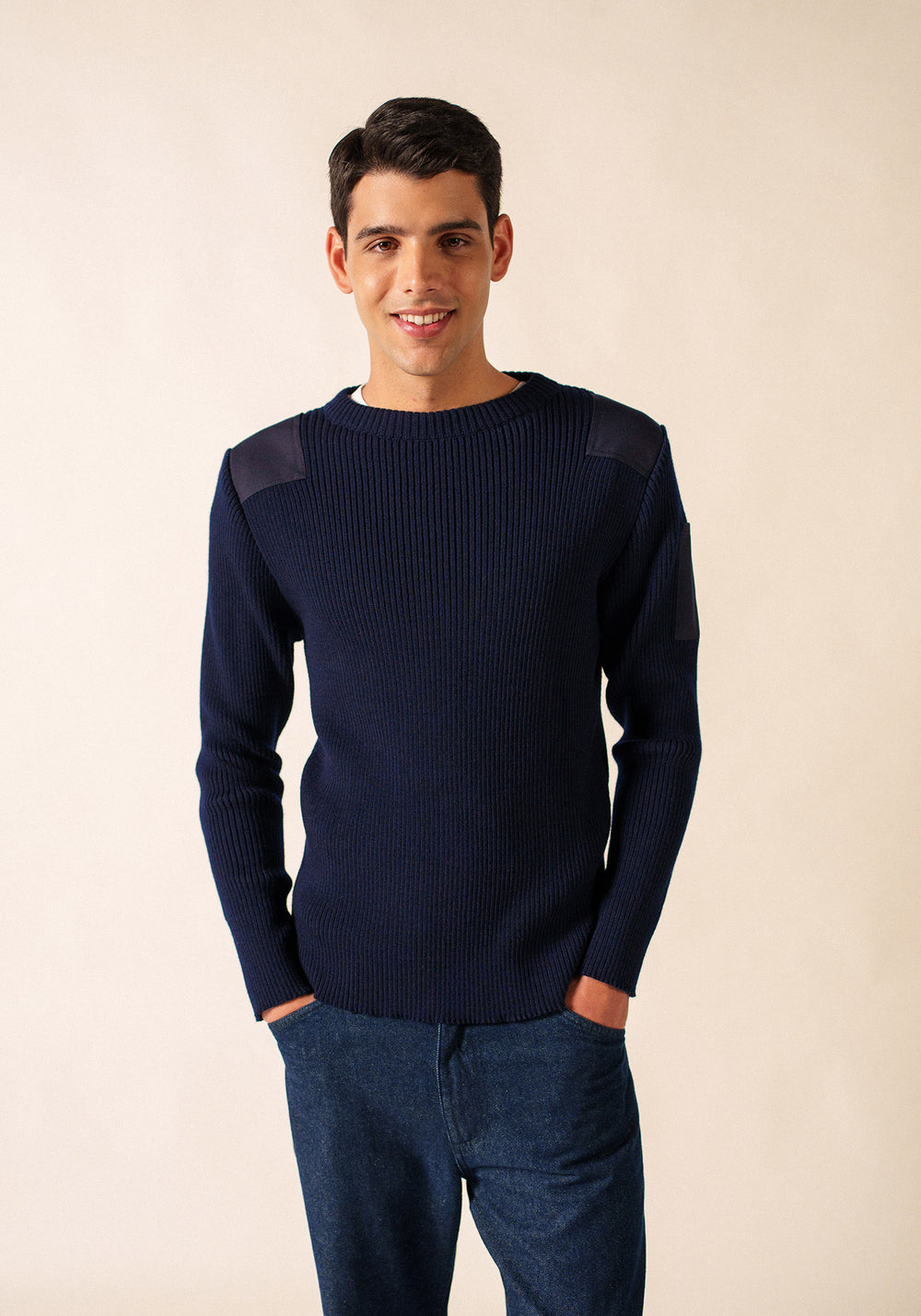
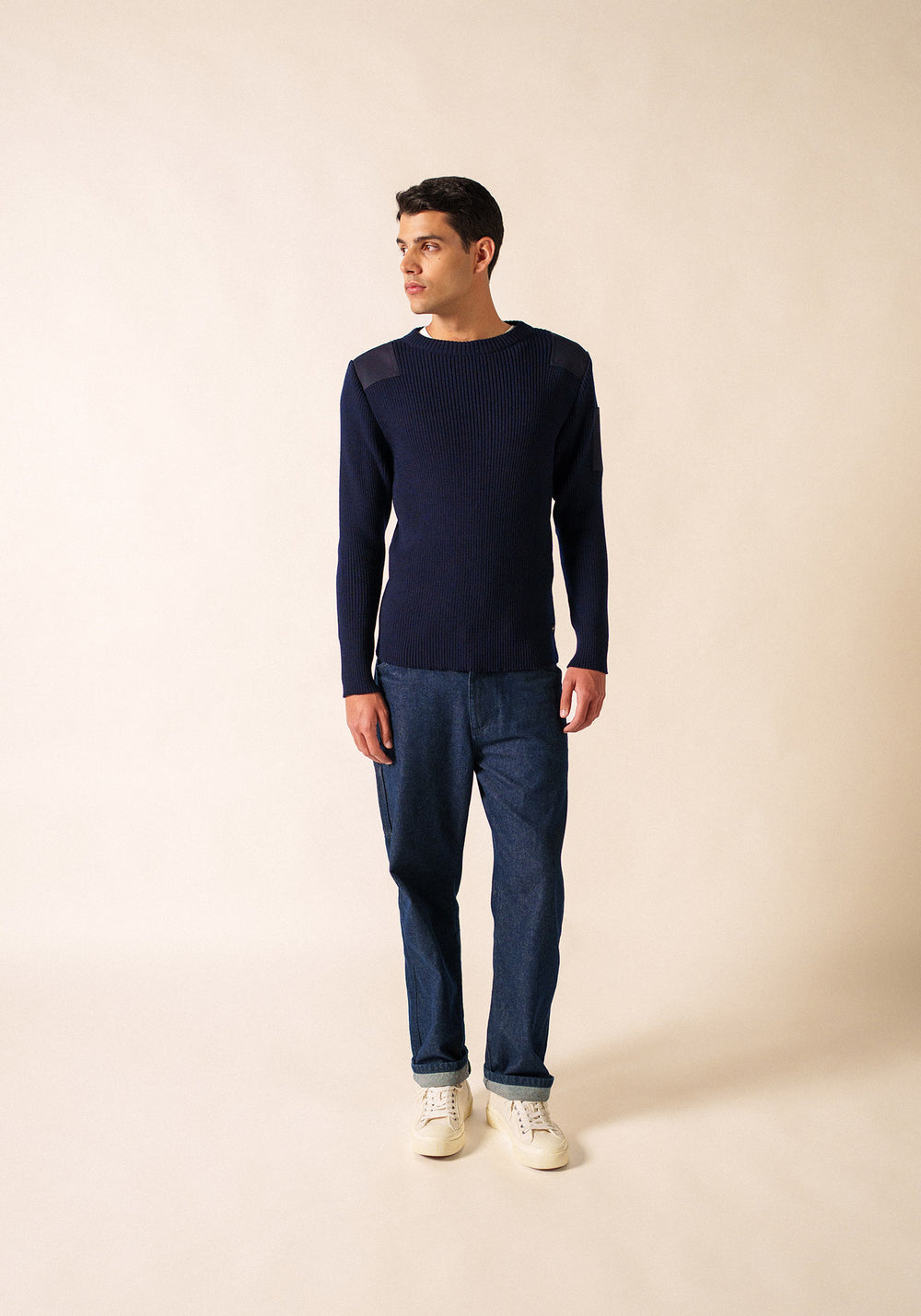
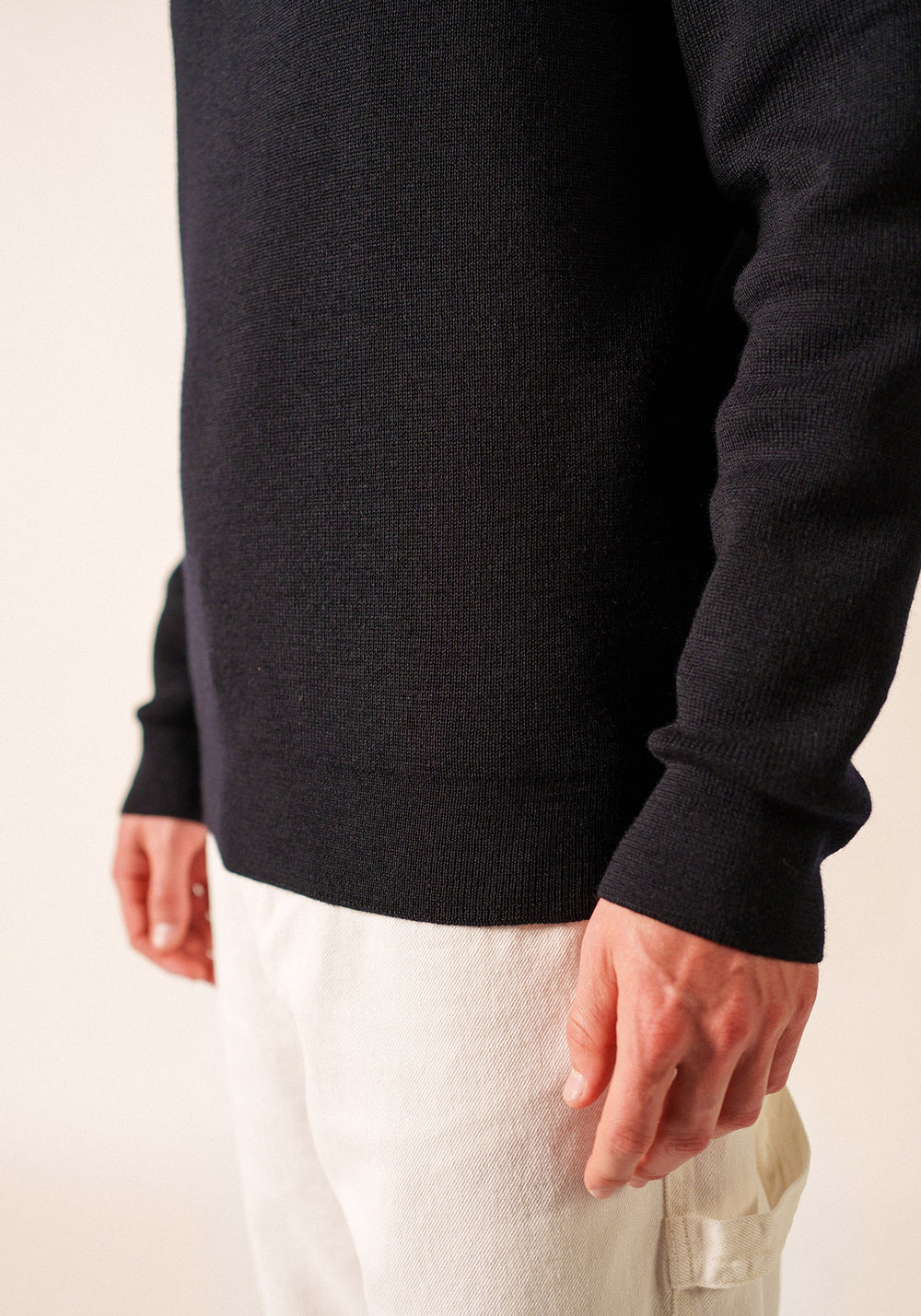
Suitable for all seasons and body types, the SAINT JAMES sailor jumper is available in fine or thick wool; there are also cotton sailot jumpers. The authentic model has a straight, close-fitting cut and comes in longer or wider versions, with a ribbed finish at the bottom for certain models.
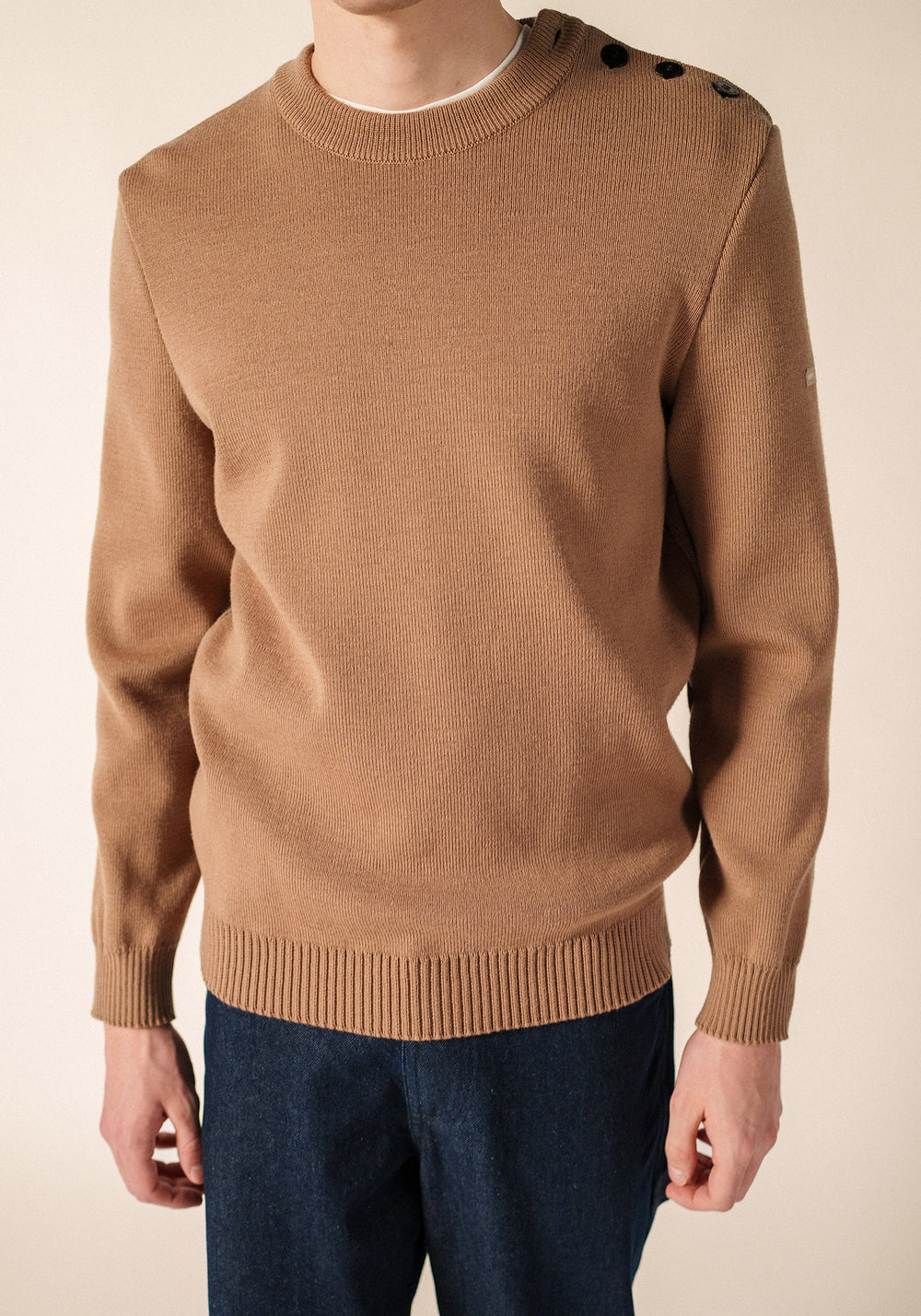
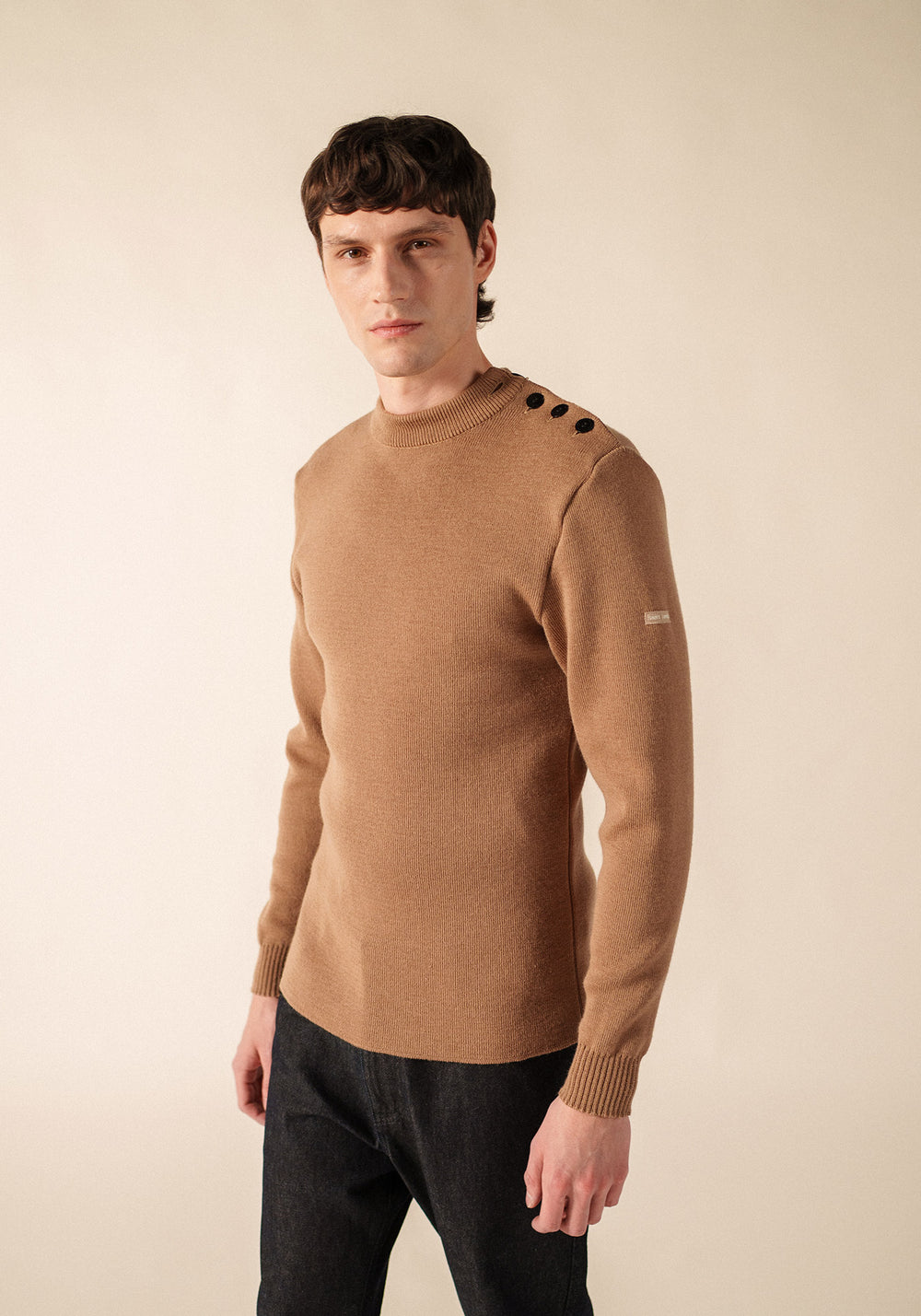
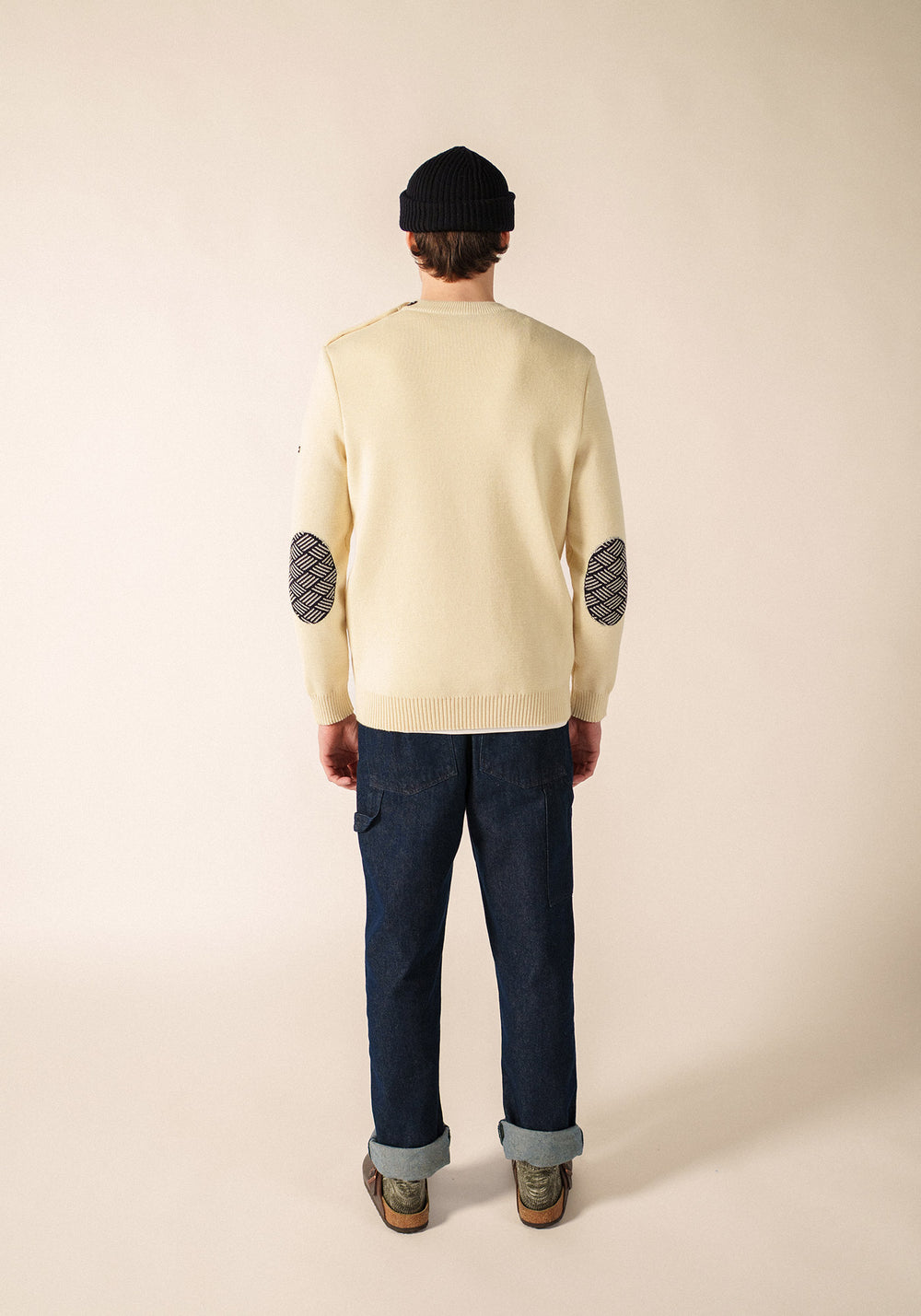
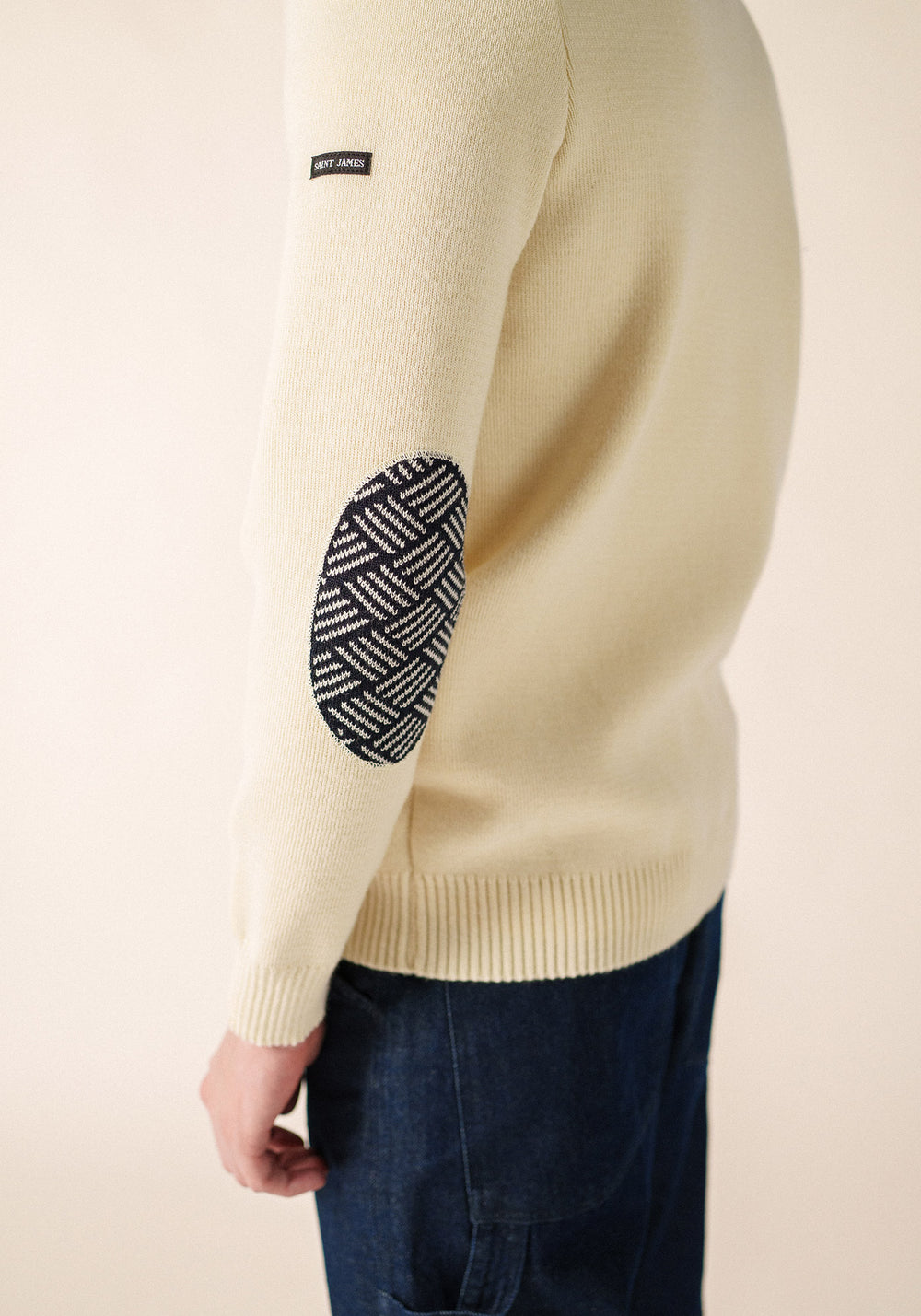
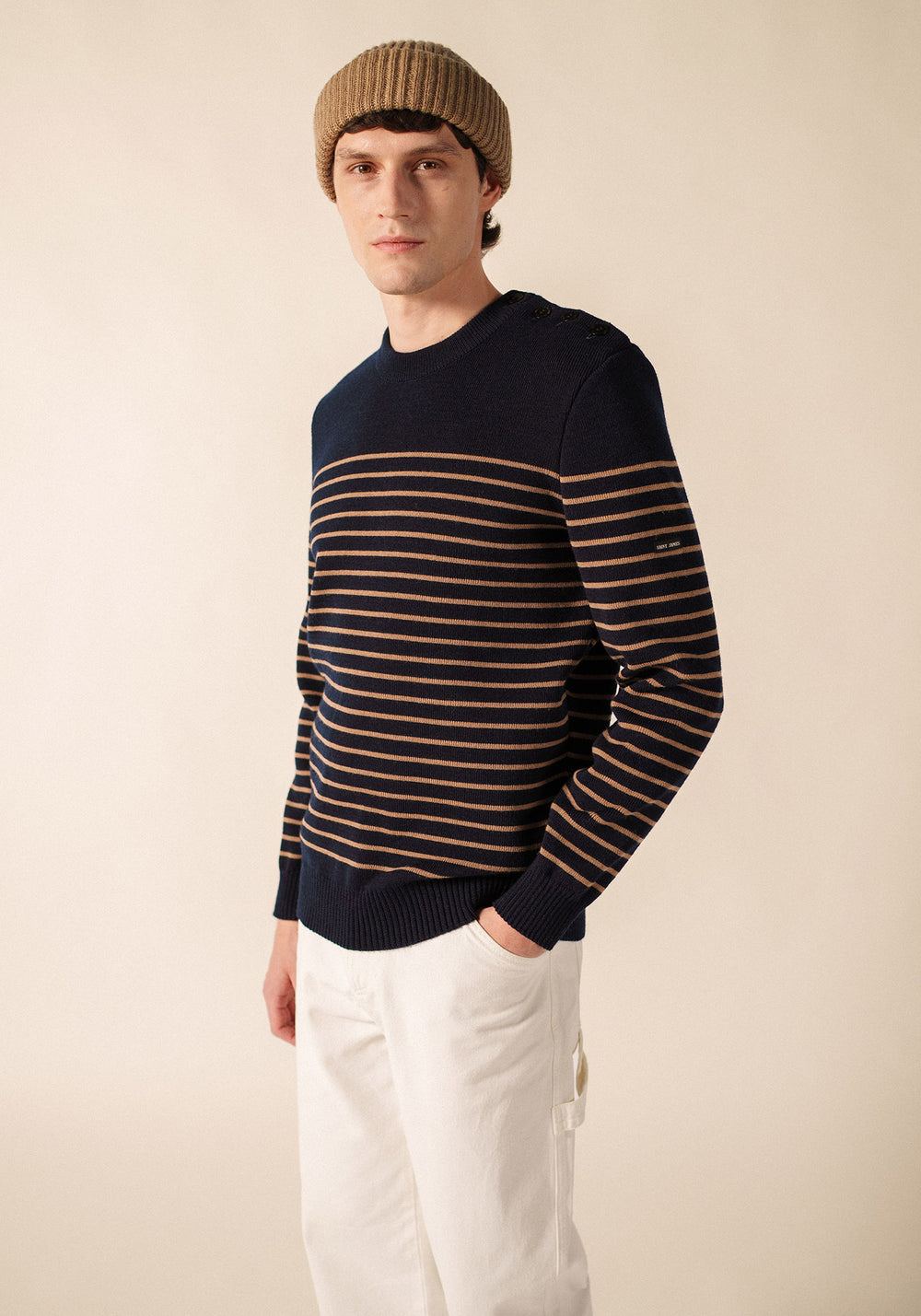
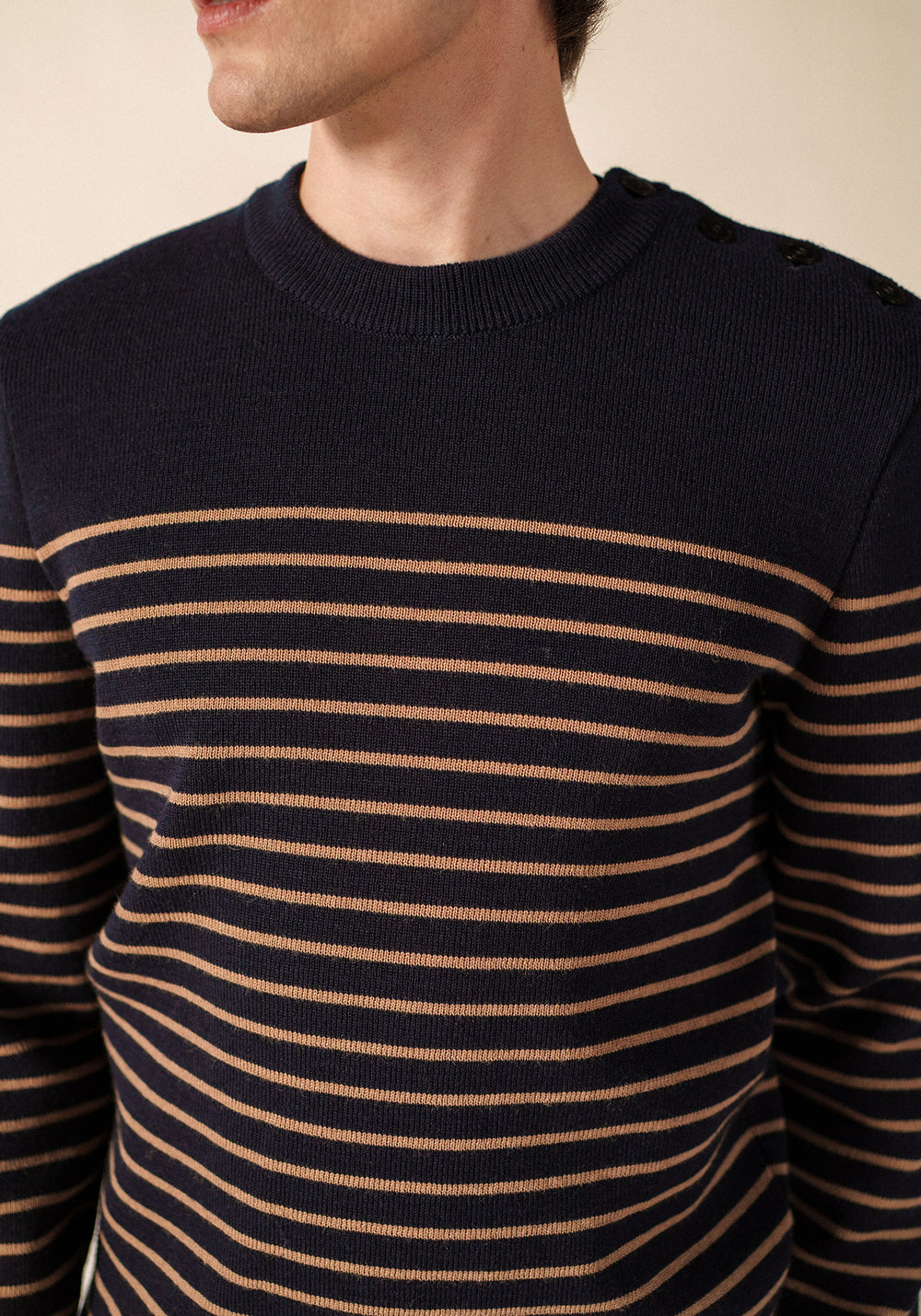
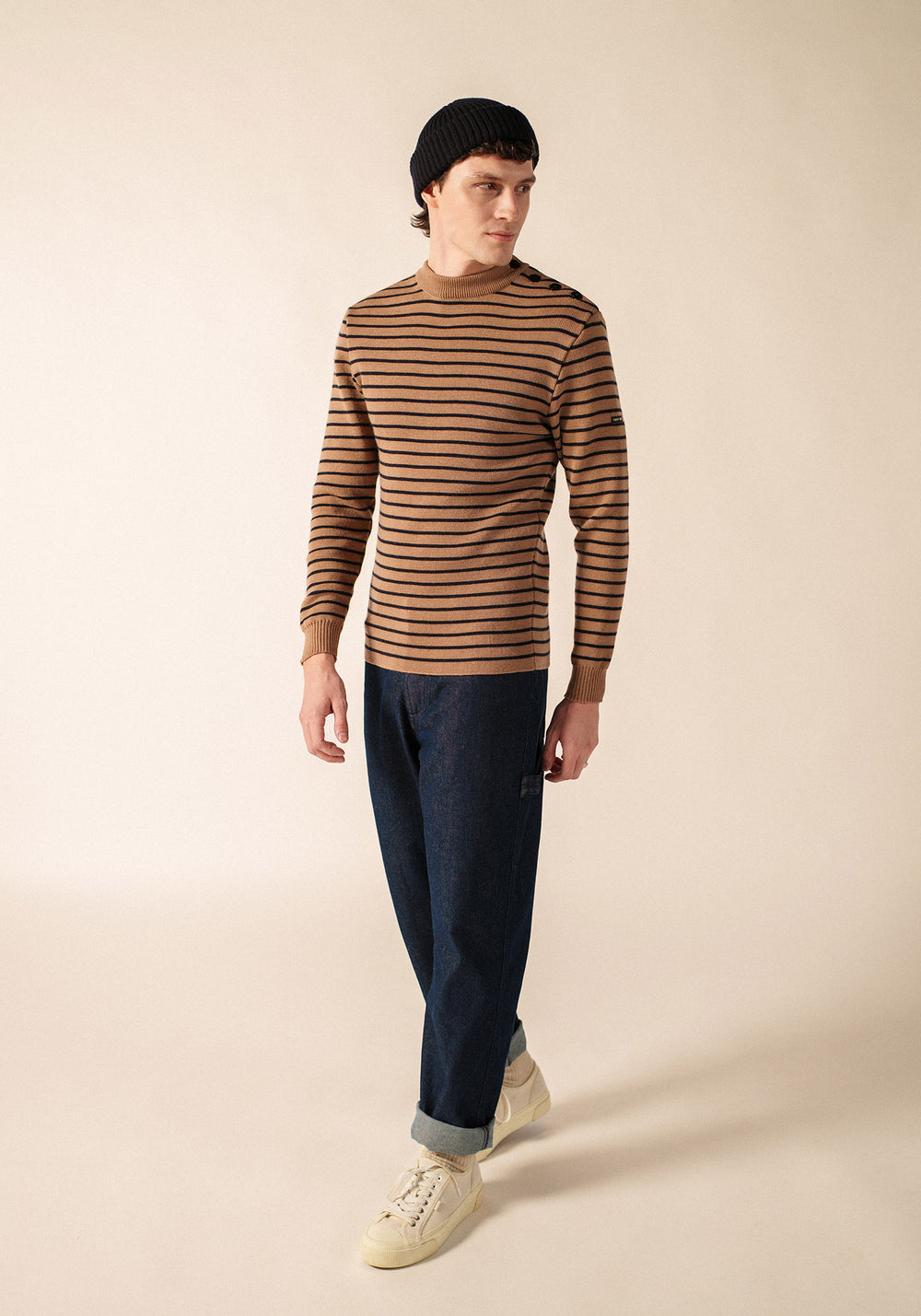
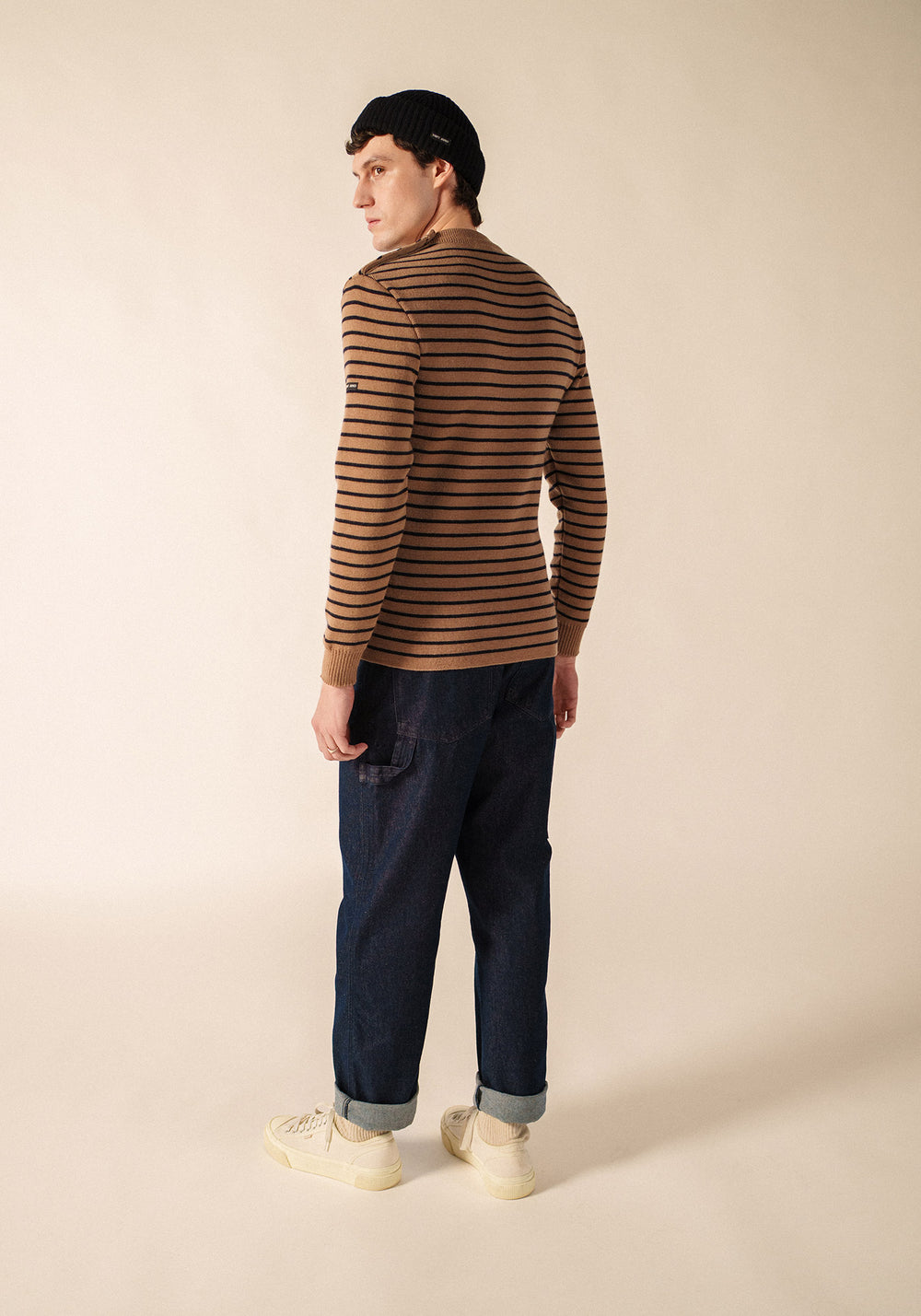
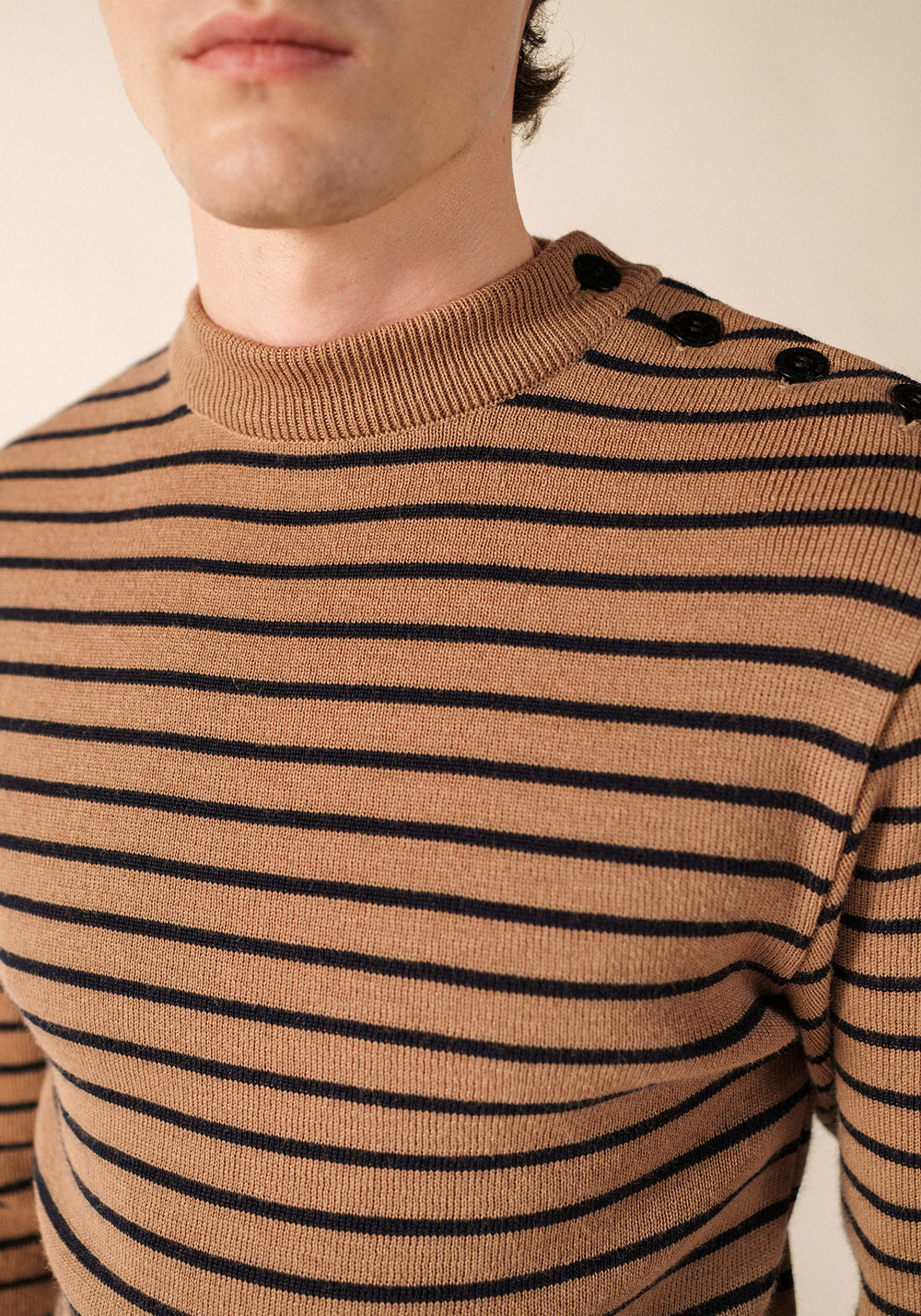
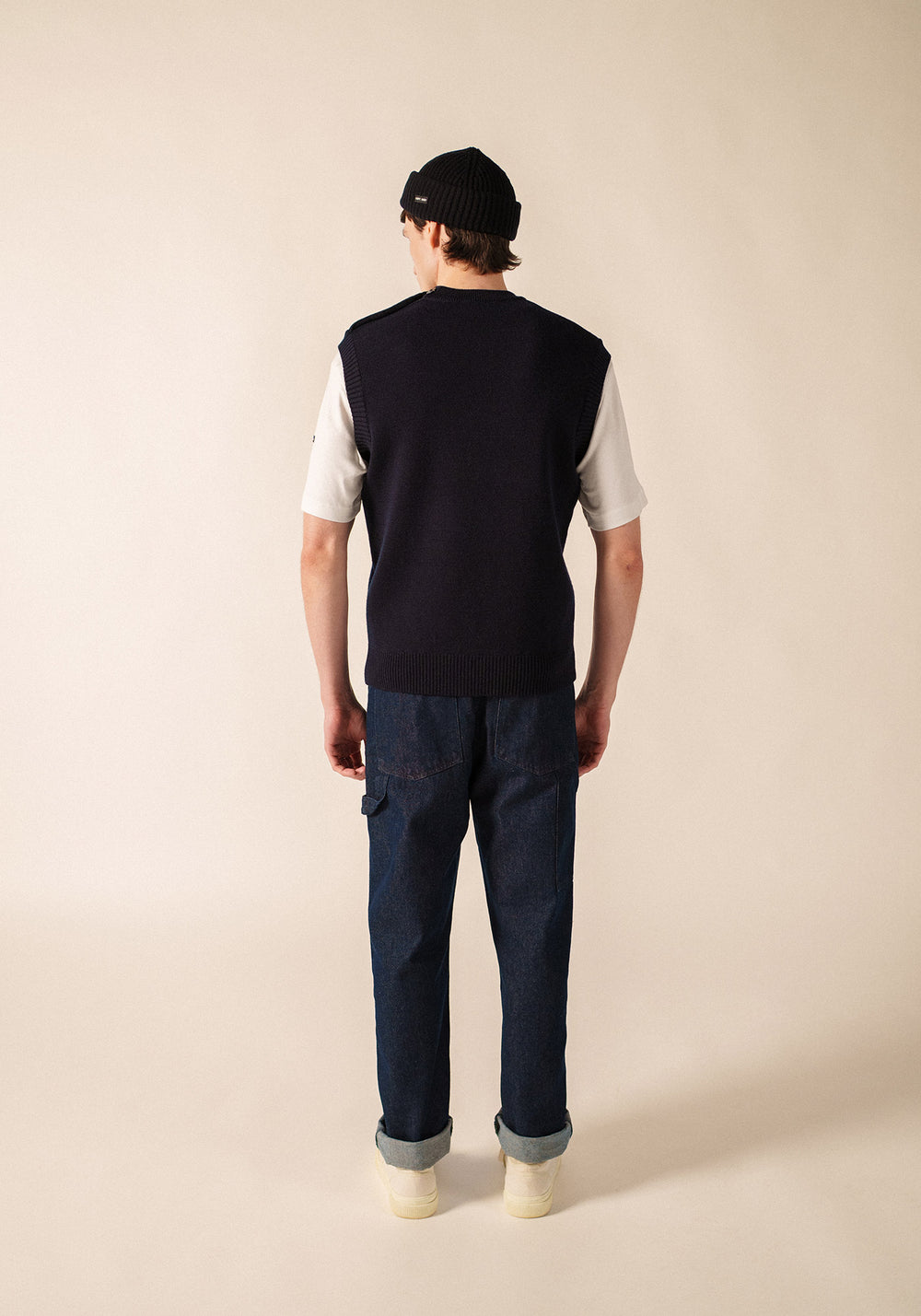
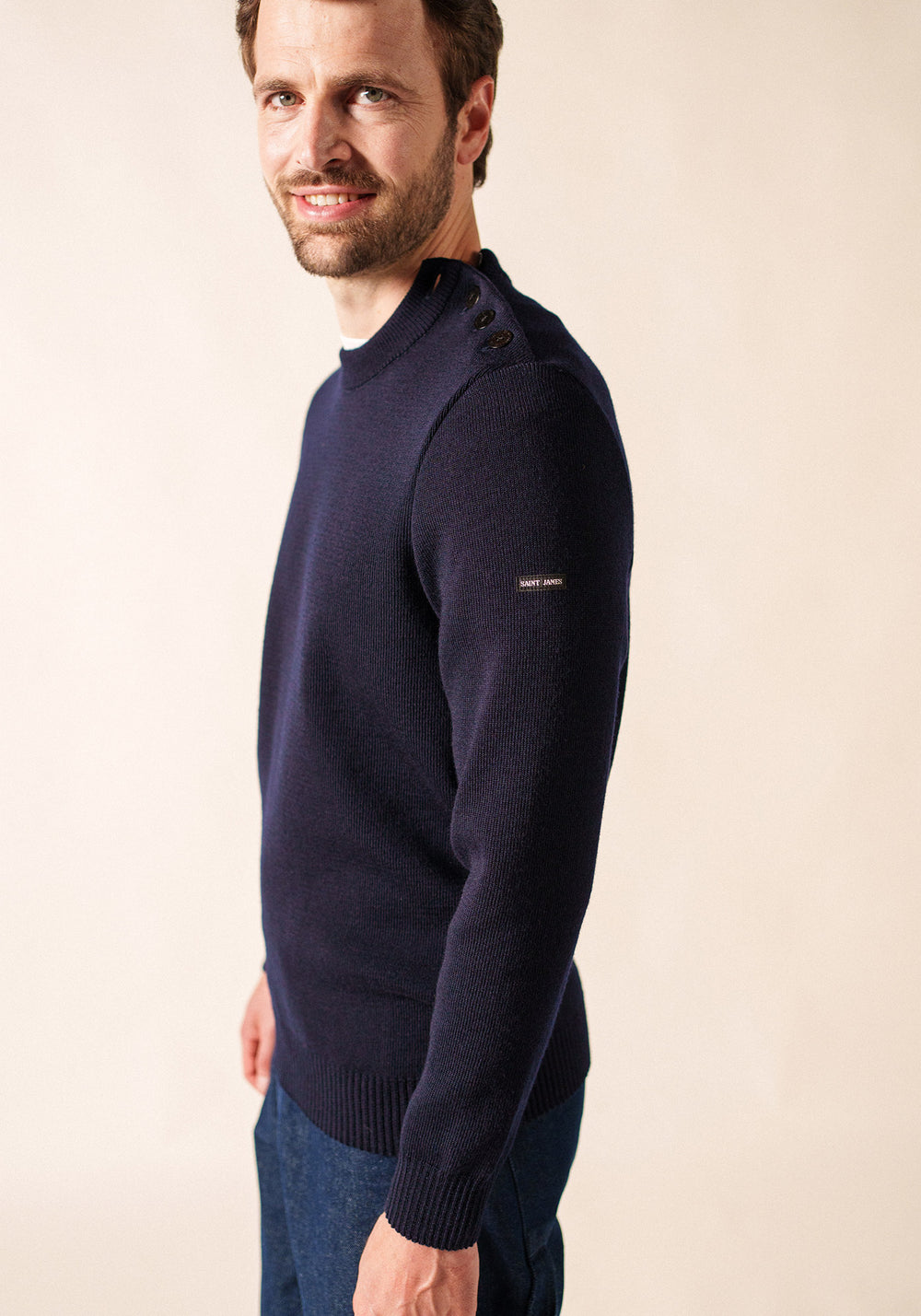
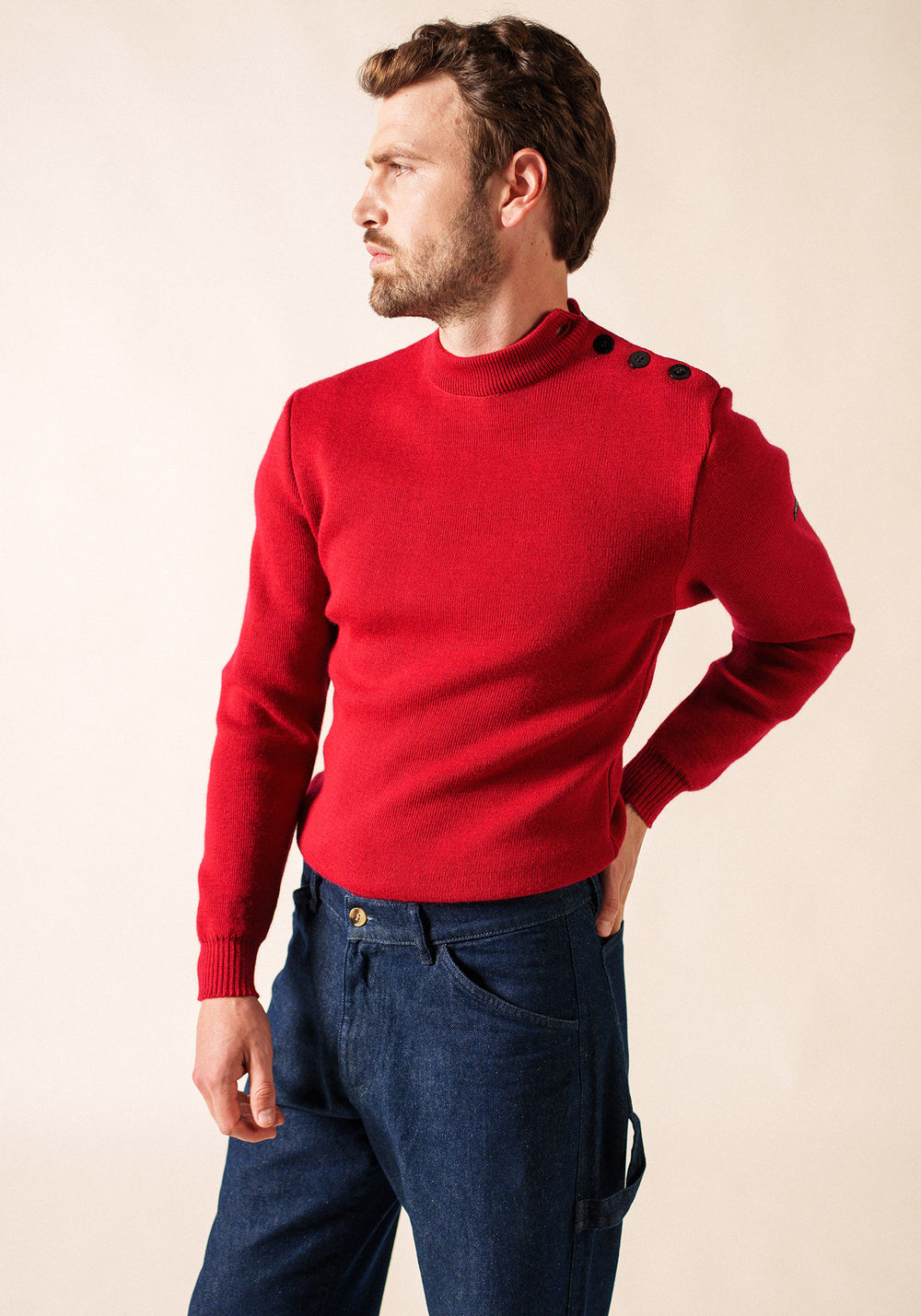
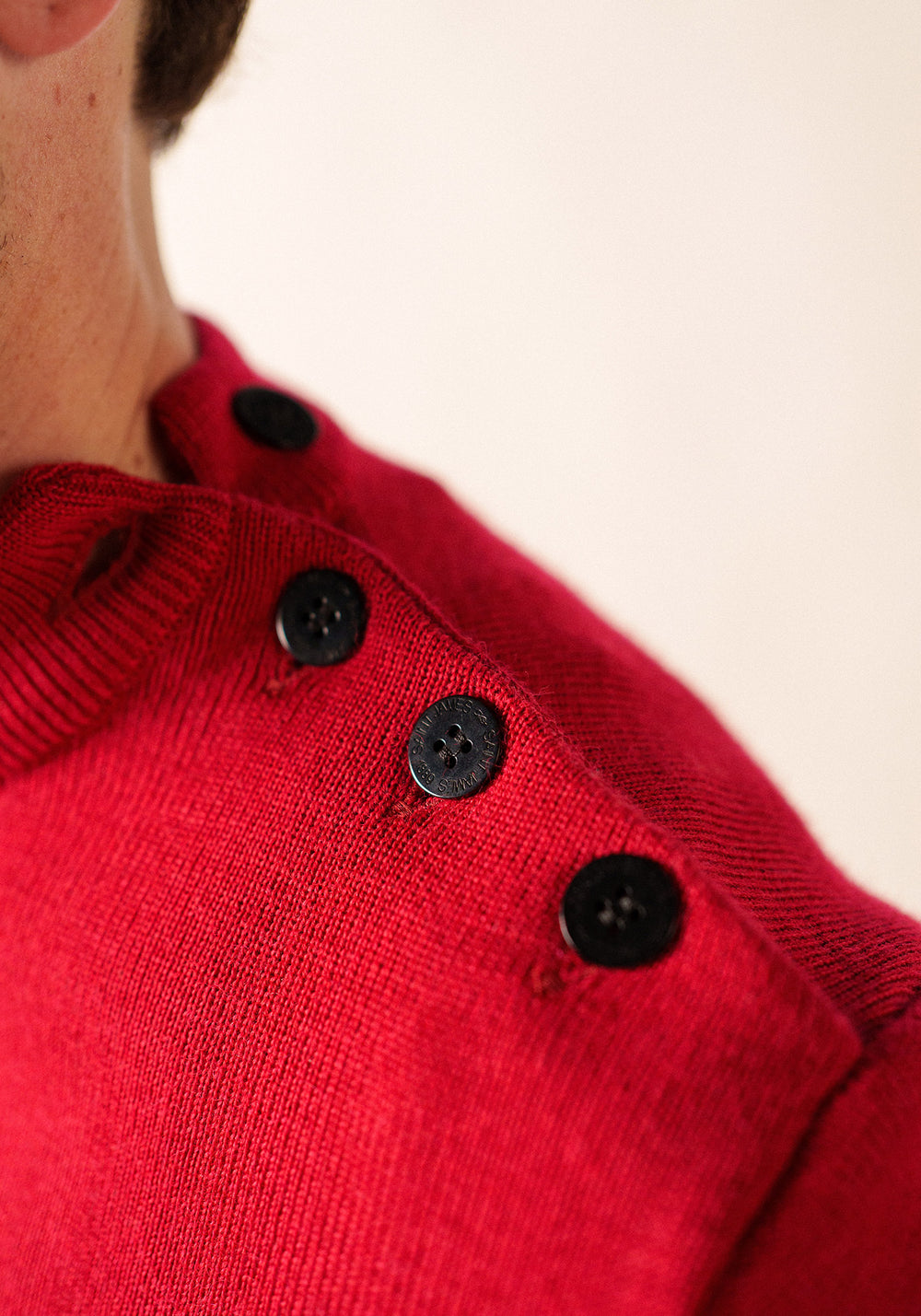
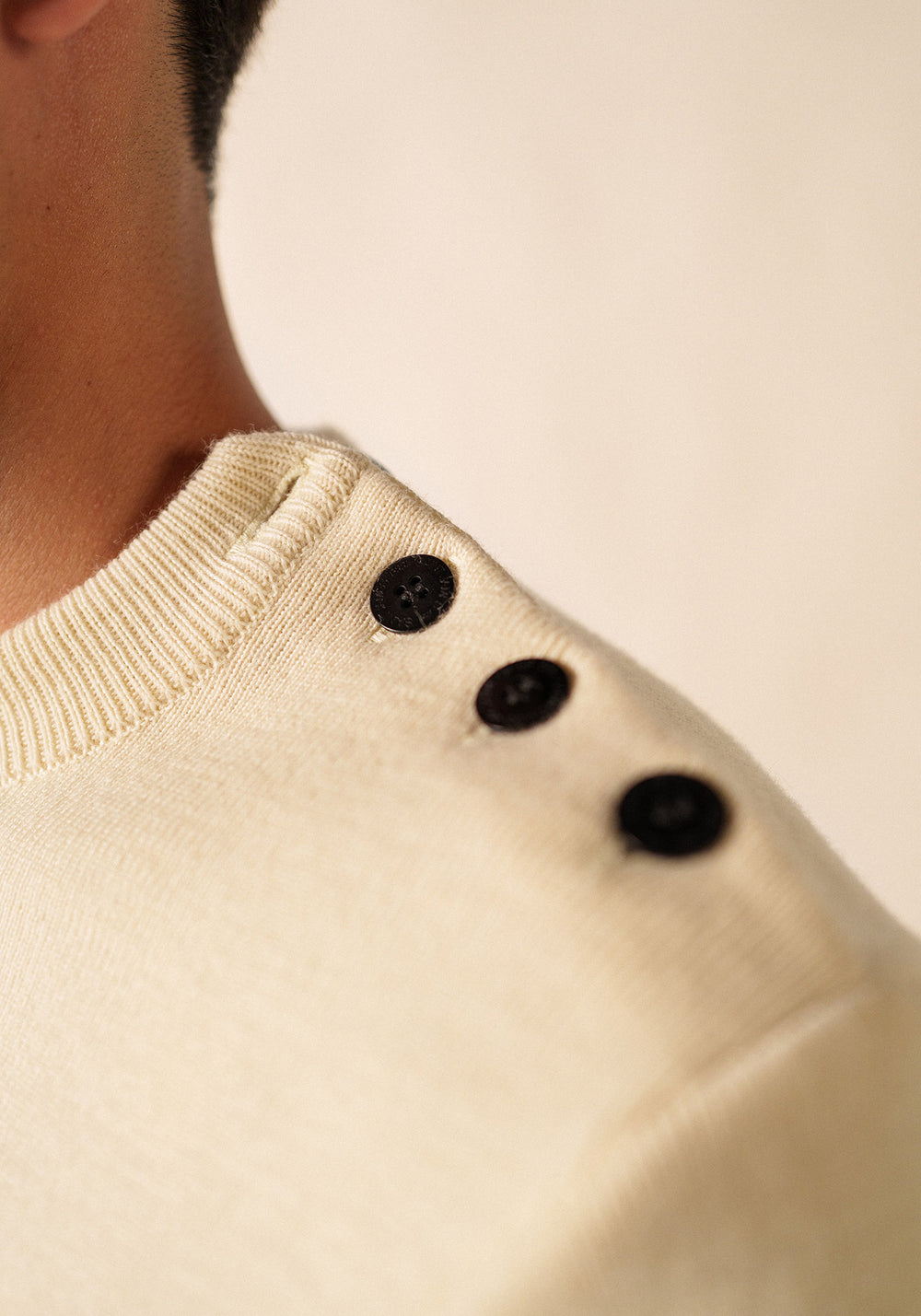
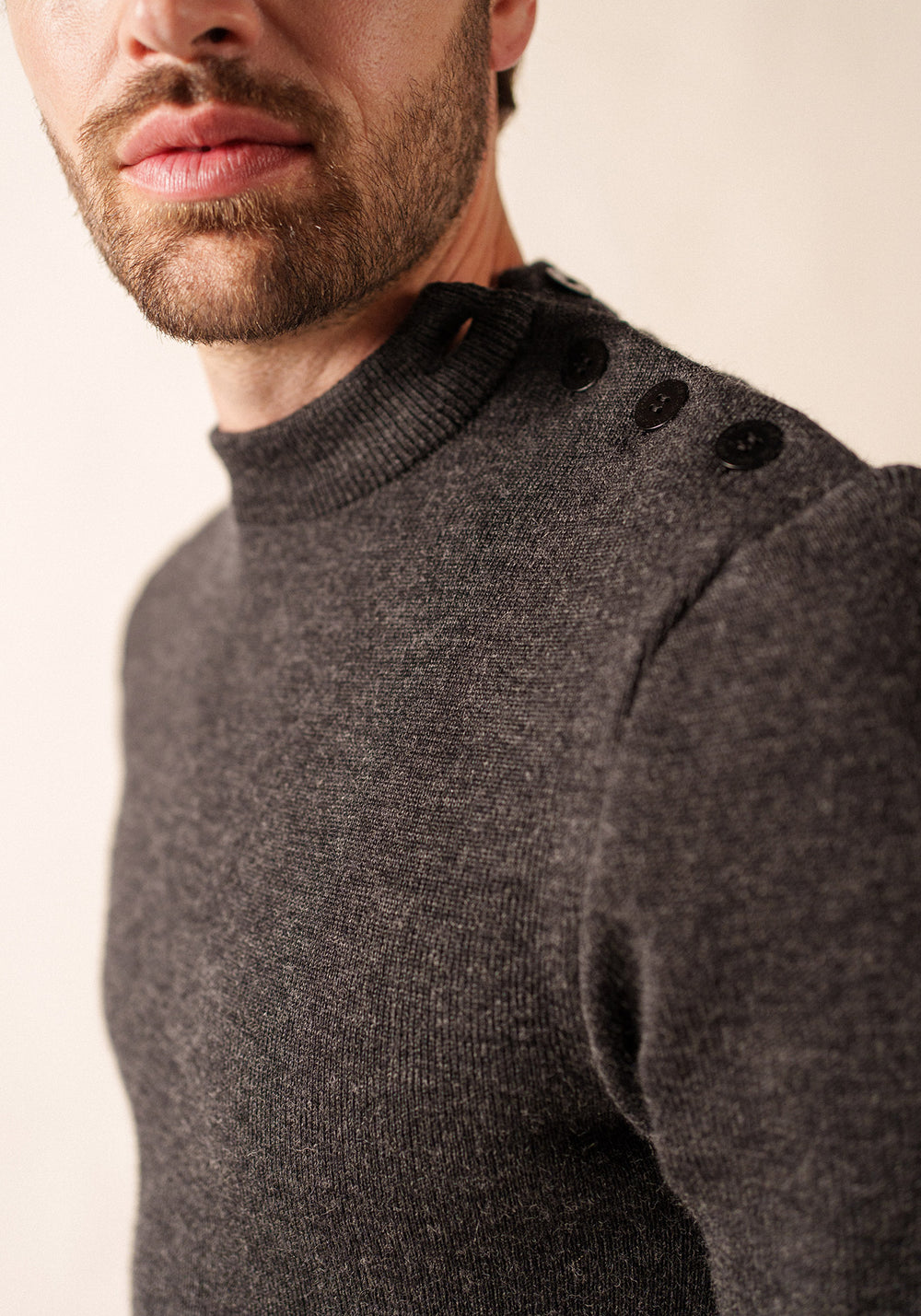
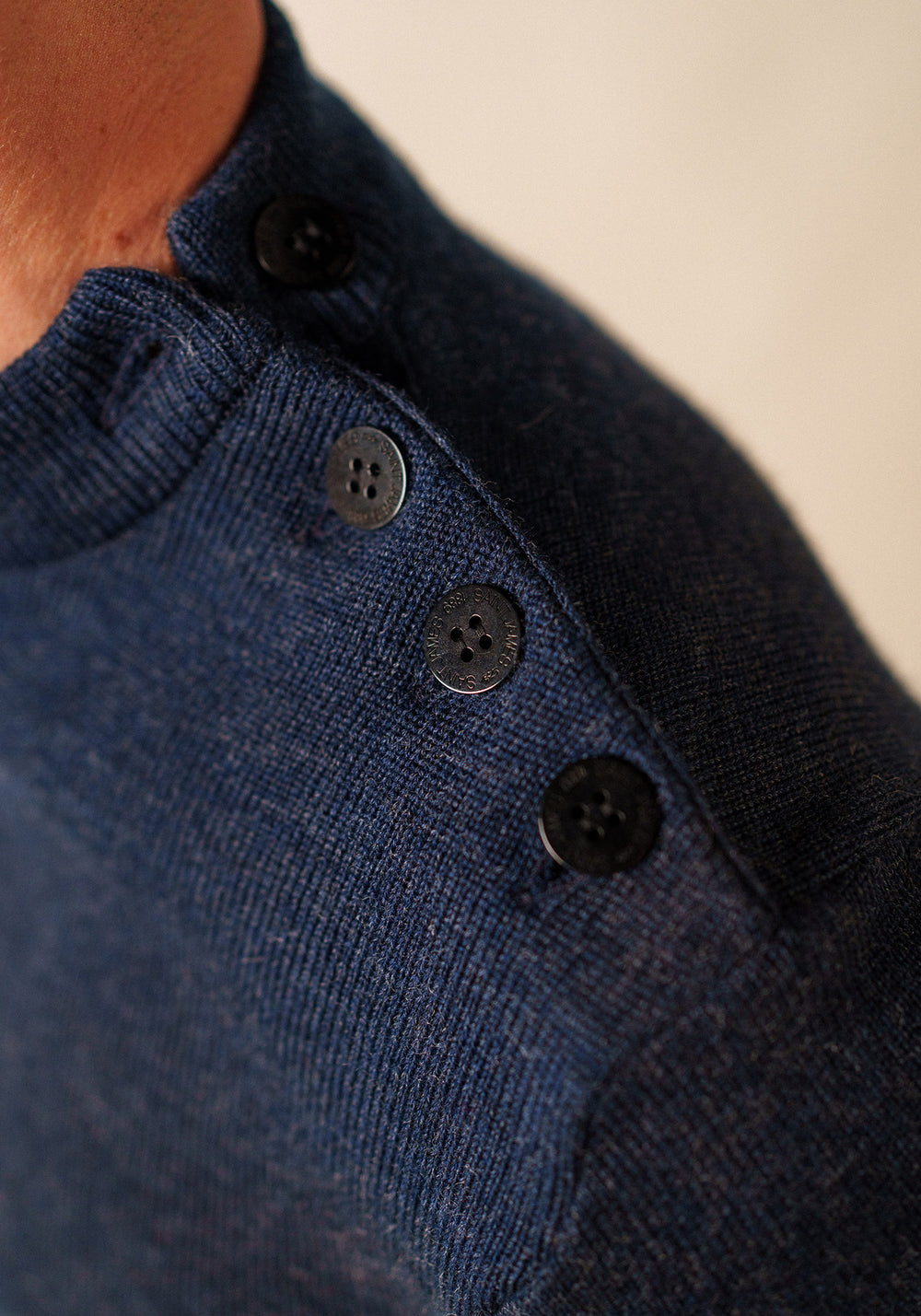
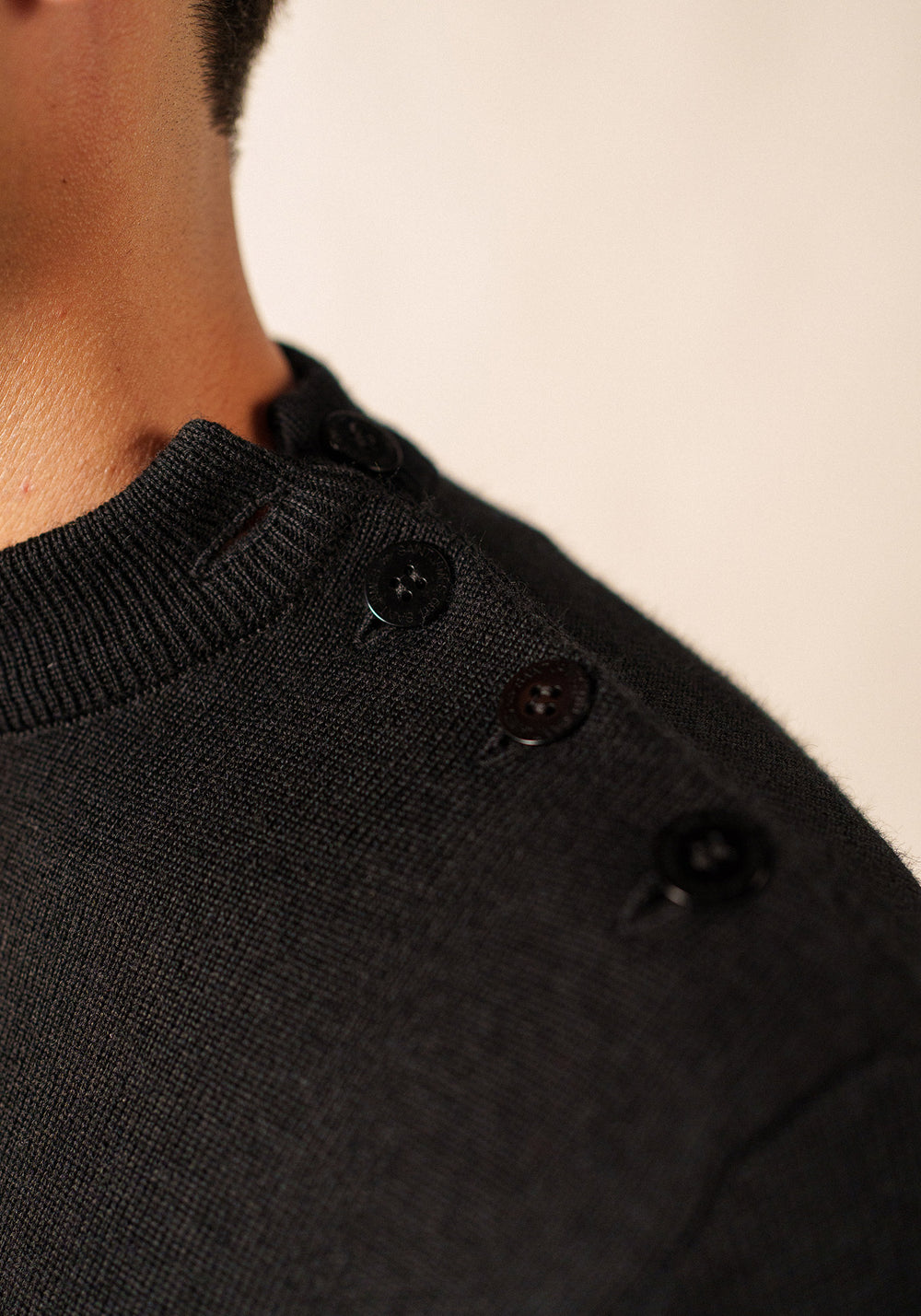
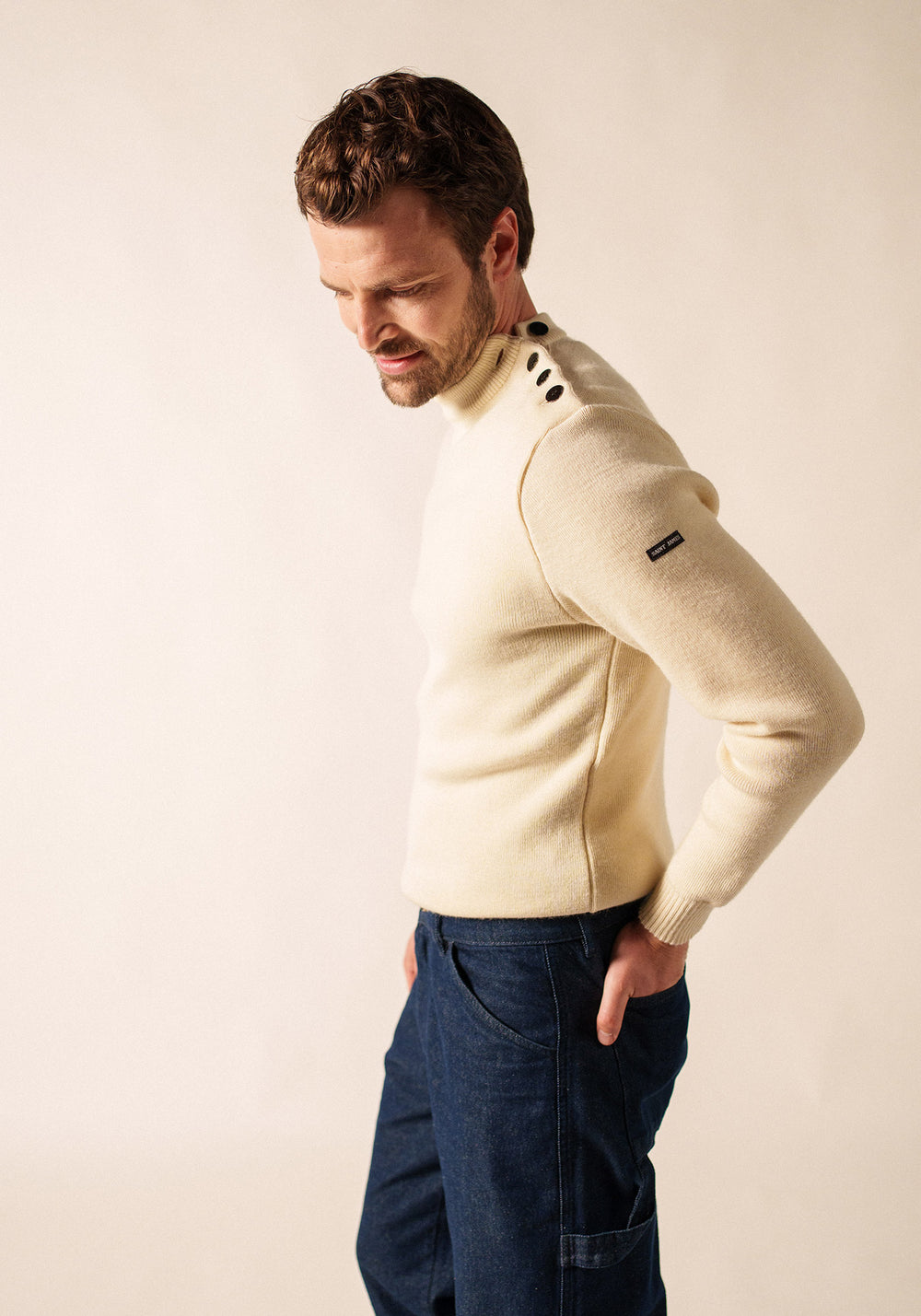
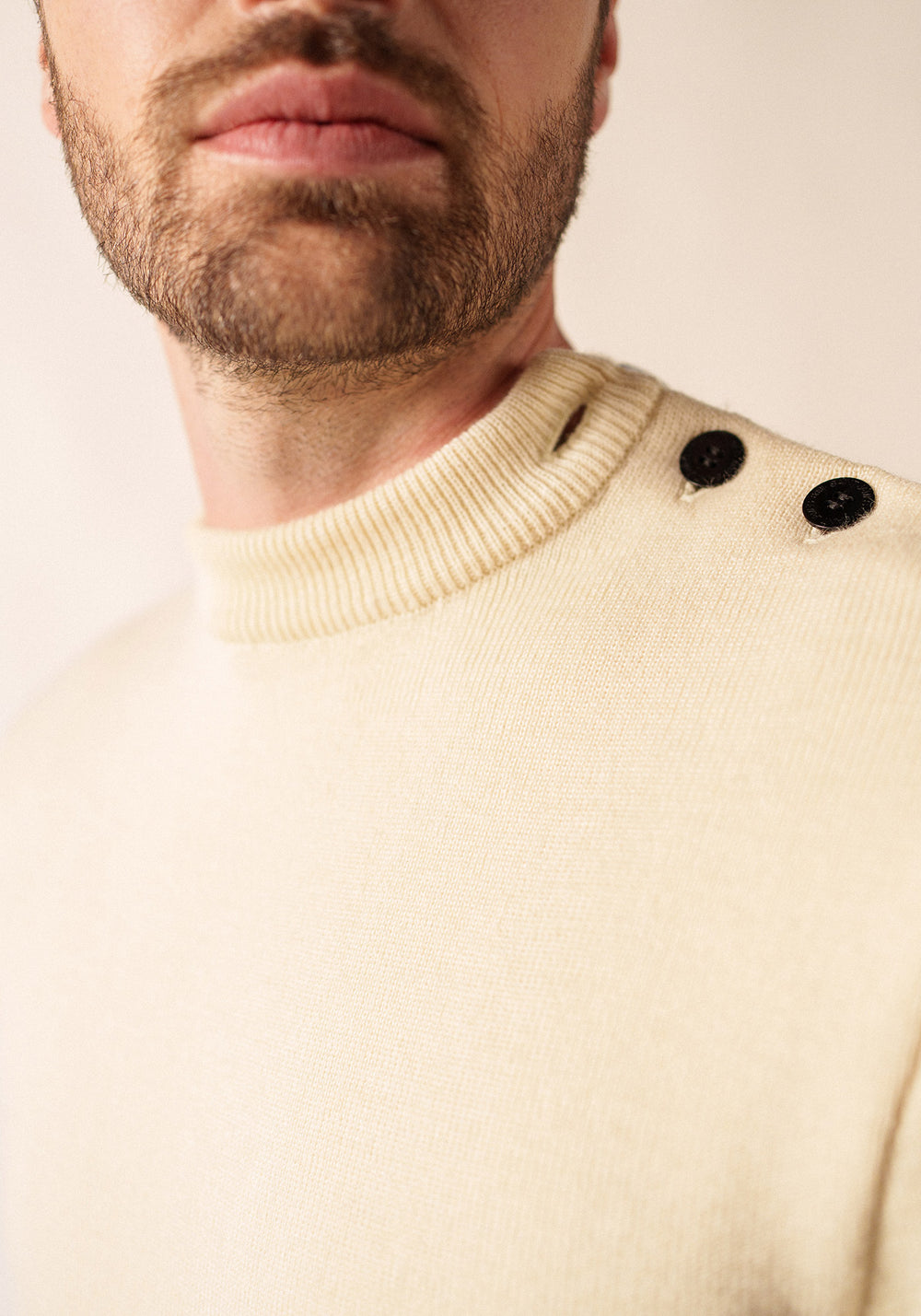
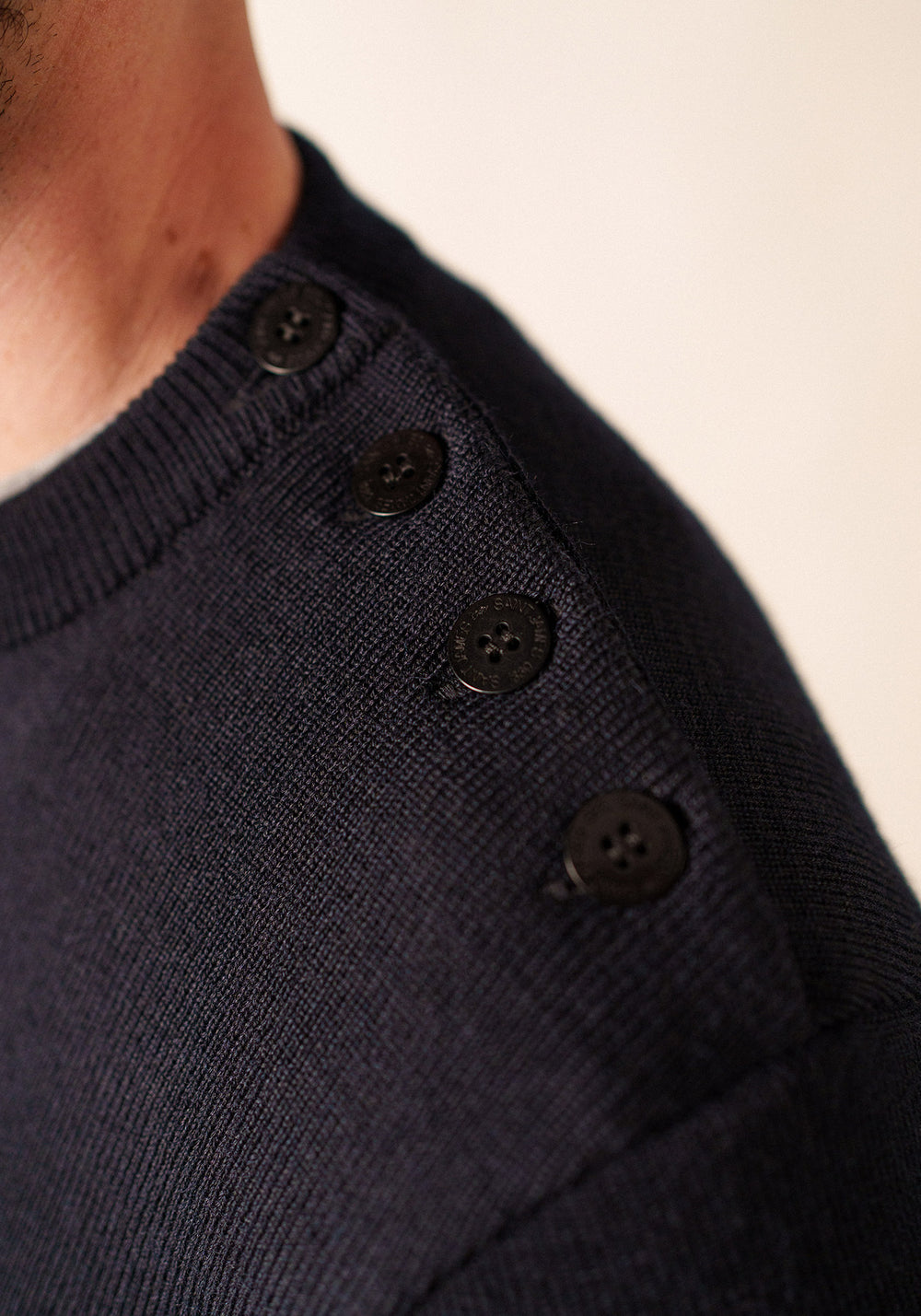
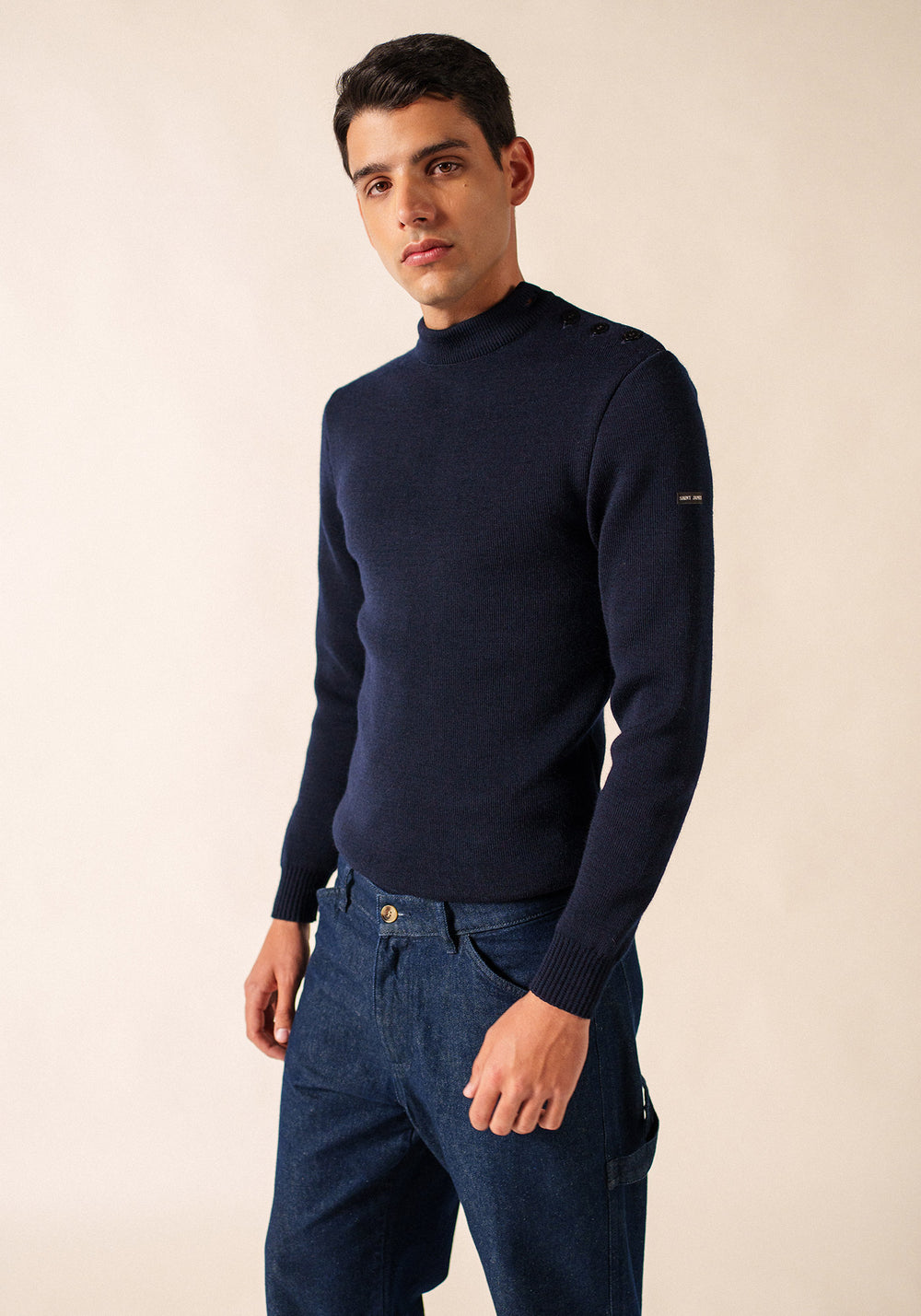
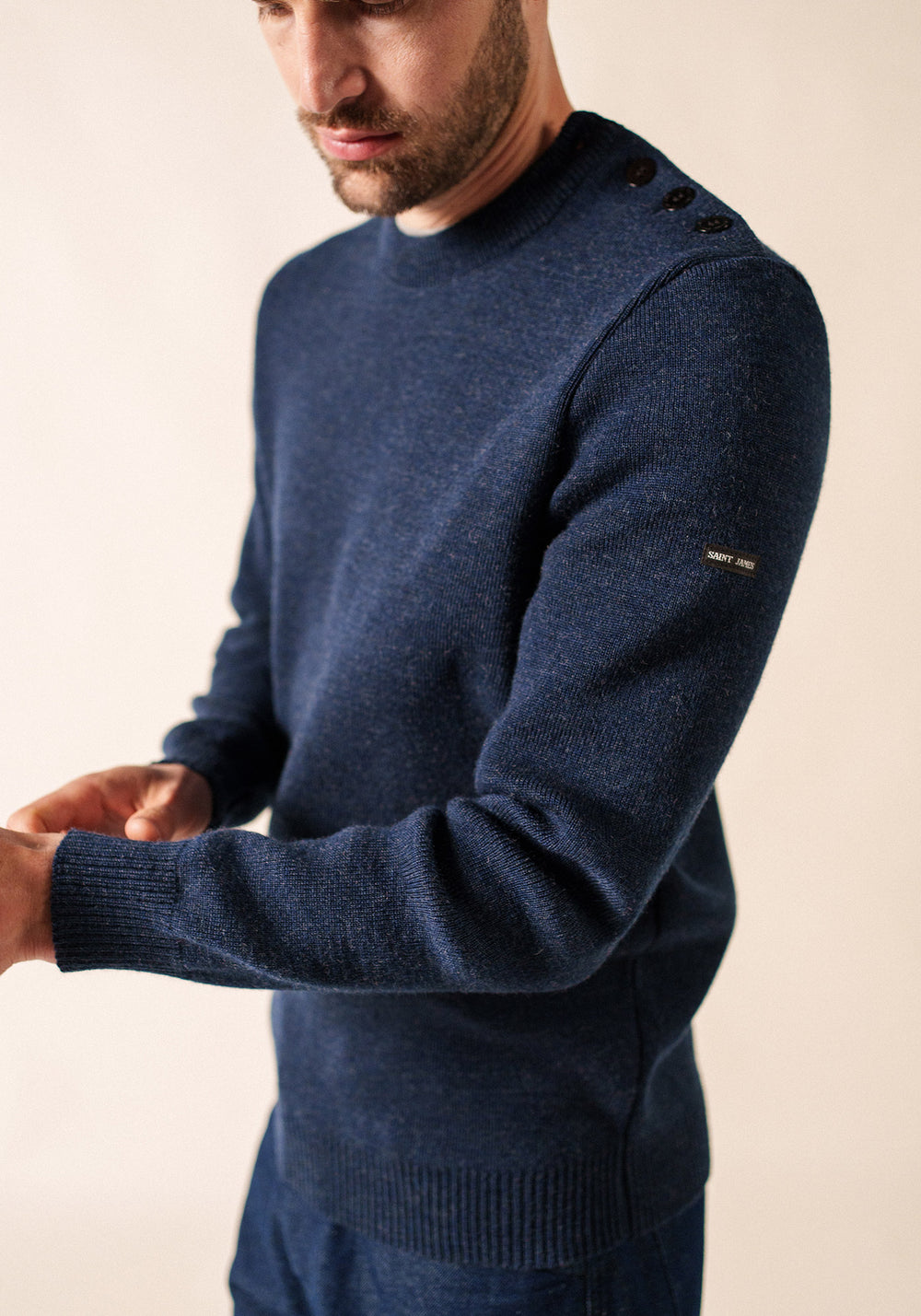
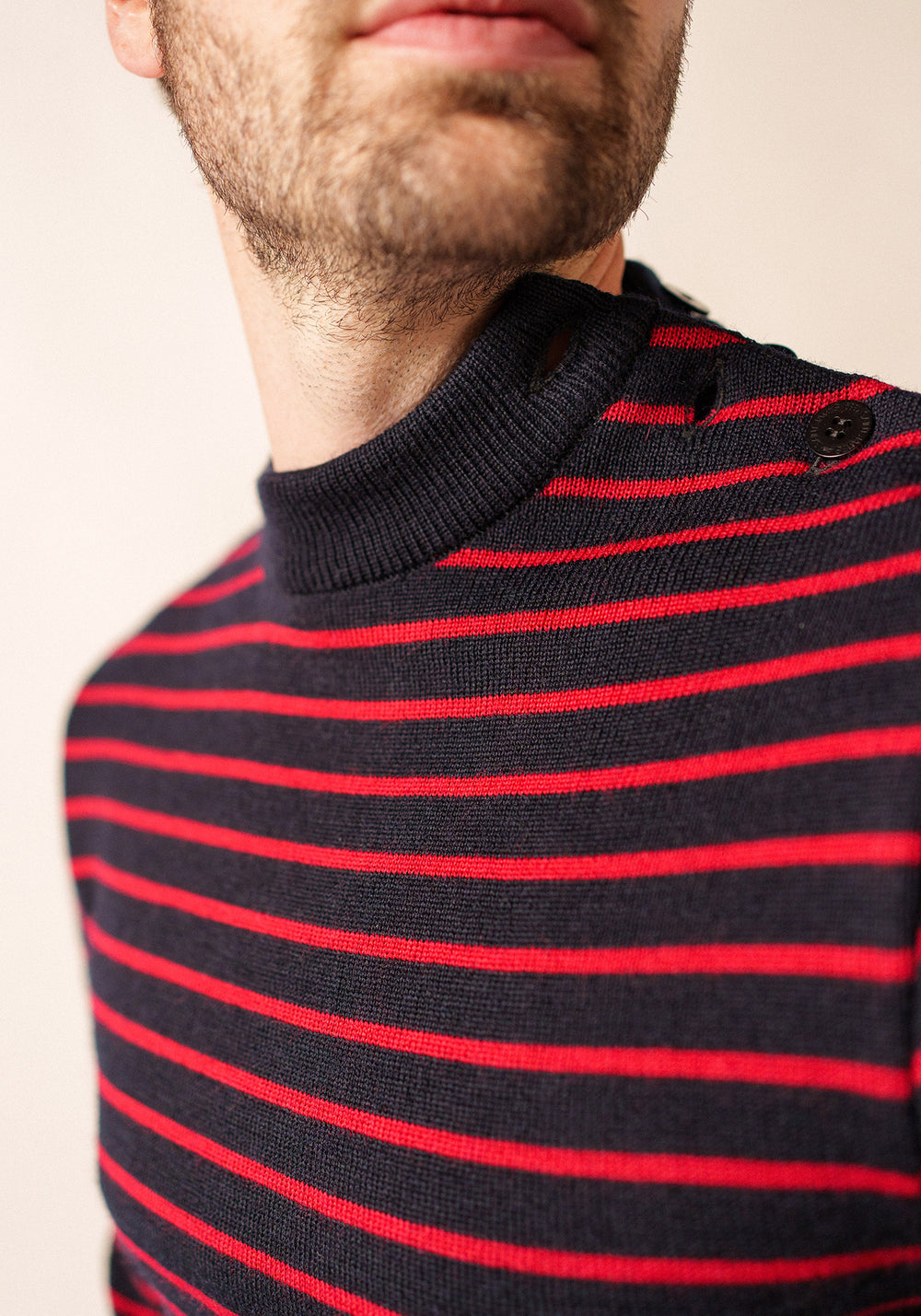
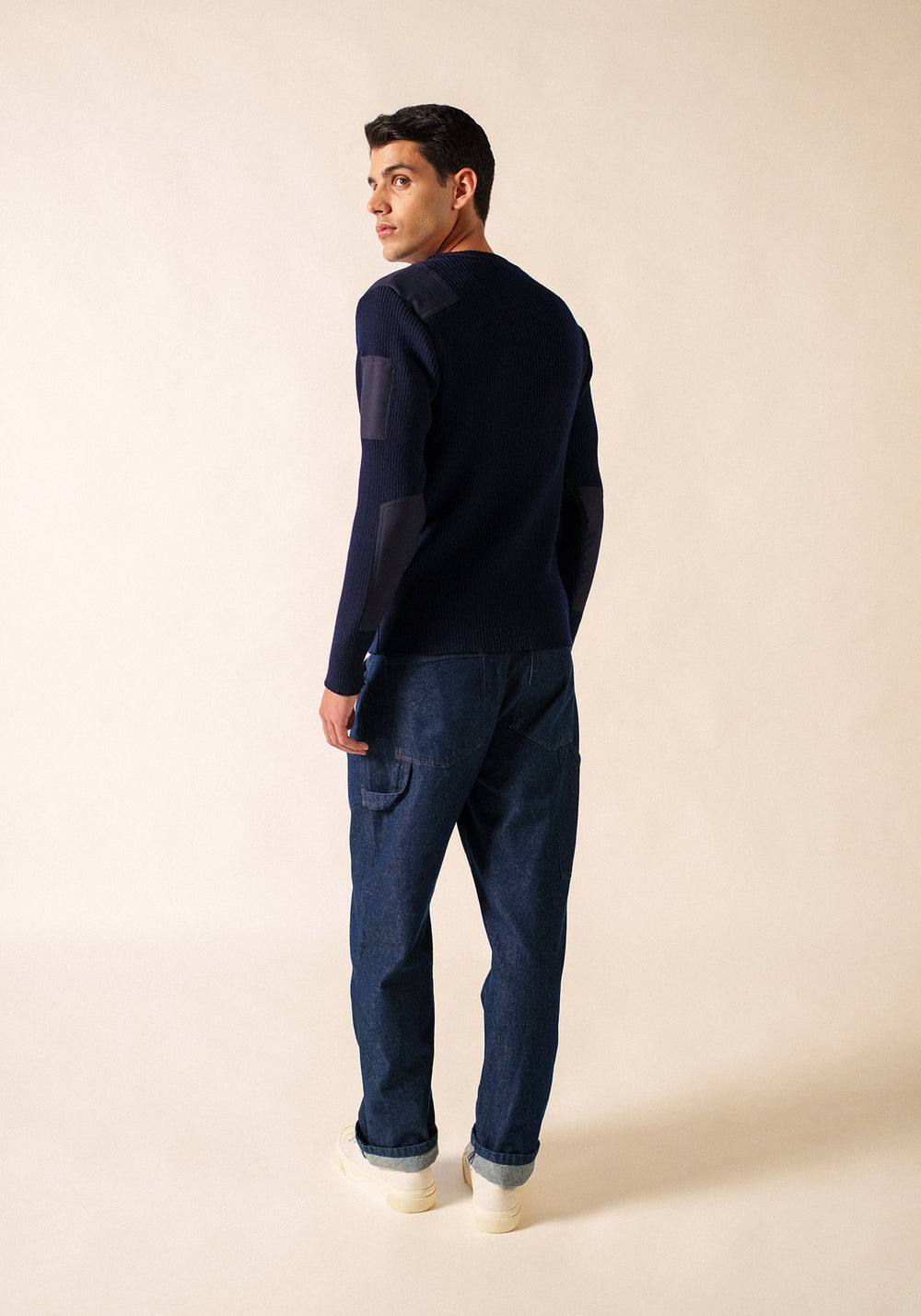
Available in many cuts, styles, and colours, the men's sailor jumper revisits a great nautical classic, combining elegance and everyday comfort. From traditional blue and white stripes to jacquard patterns, including graphic lines with a more contemporary look or easy-to-pair plain shades, each model offers a unique interpretation of this warm and timeless piece. Some feature a stand-up collar for extra protection, while others favour an elegant V-neck or a bold half-zip collar, with or without shoulder buttons.
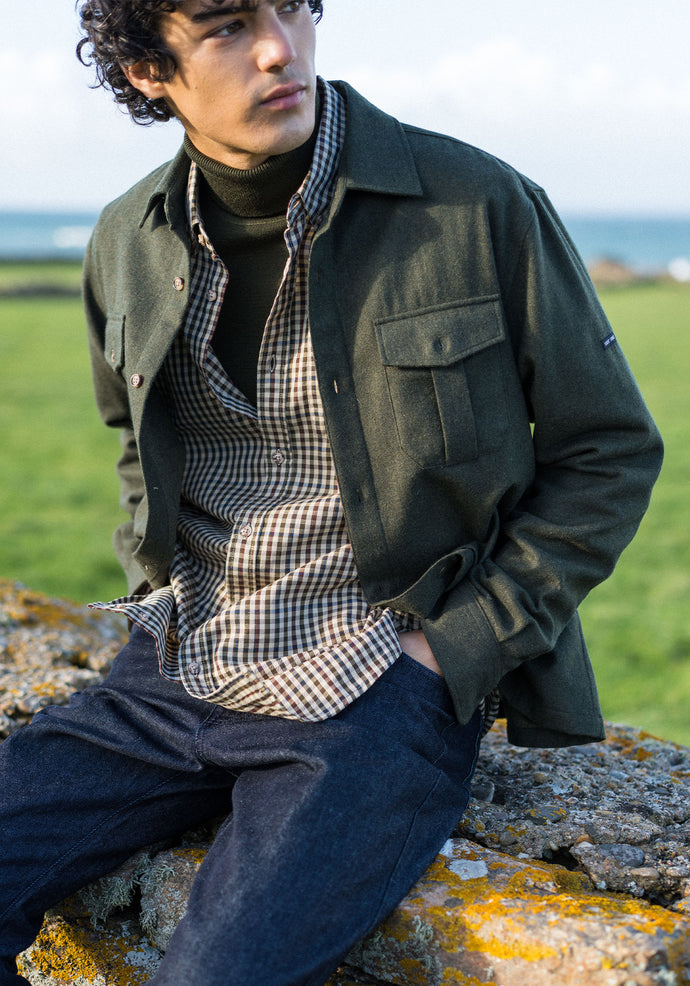
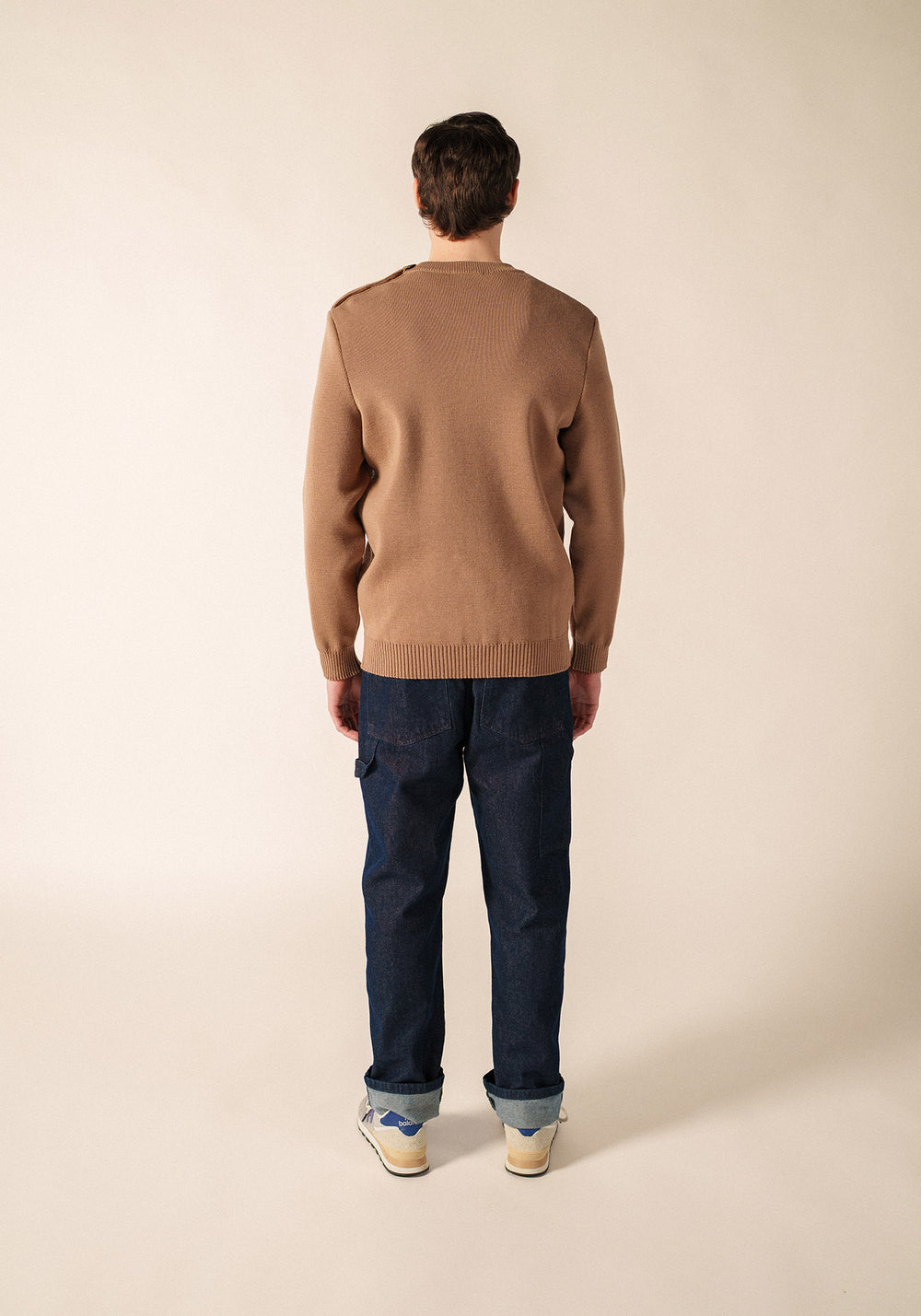
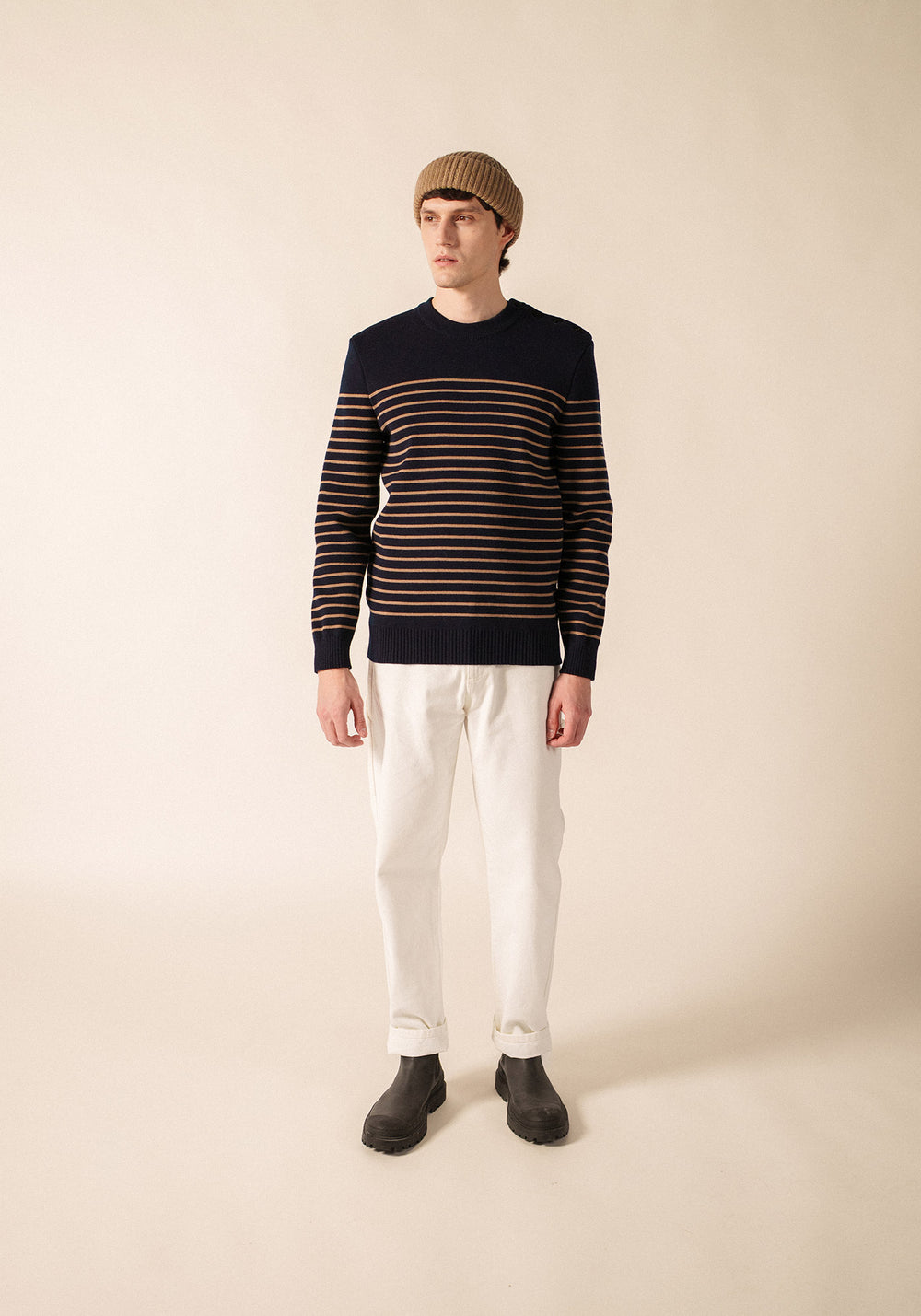
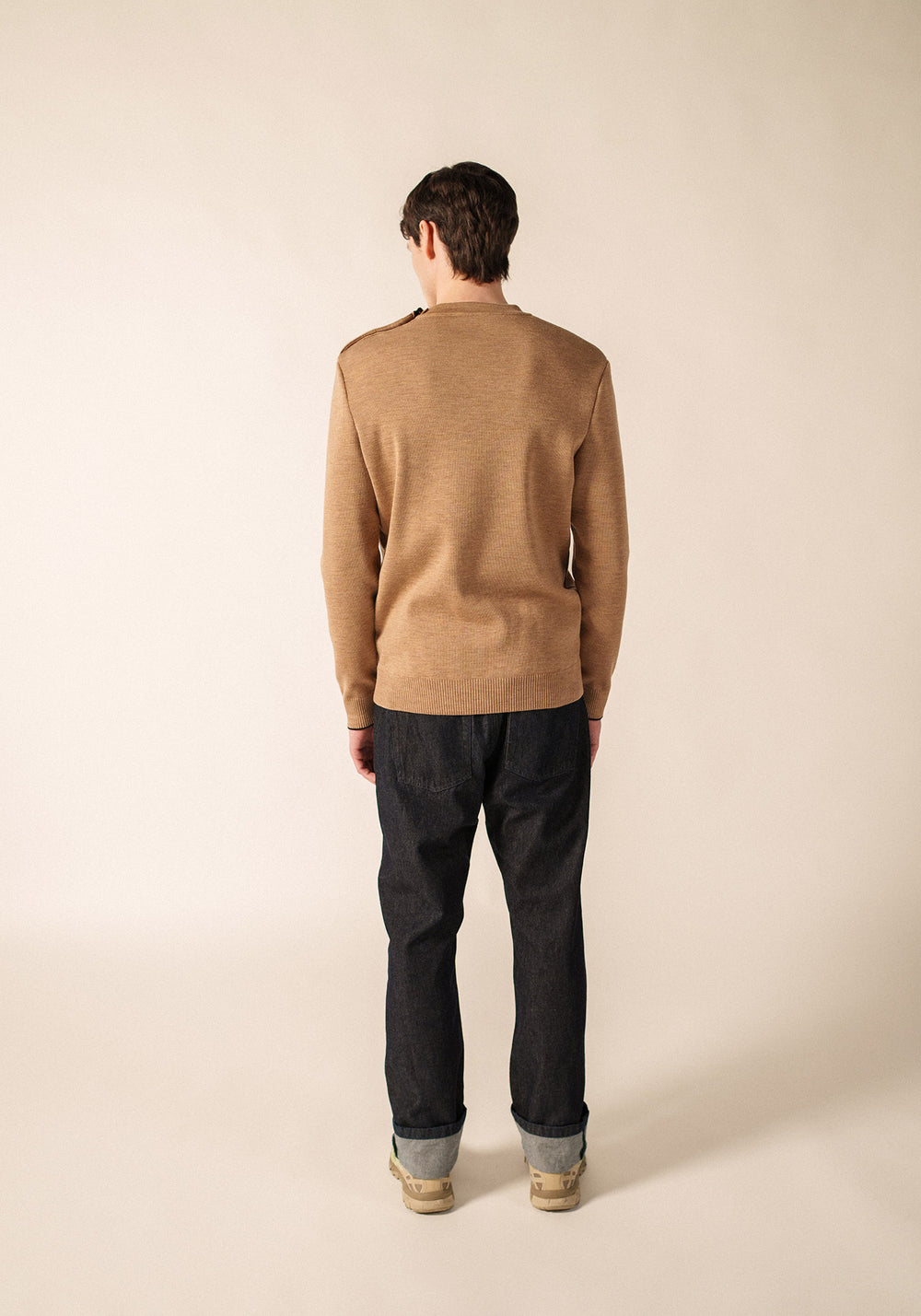
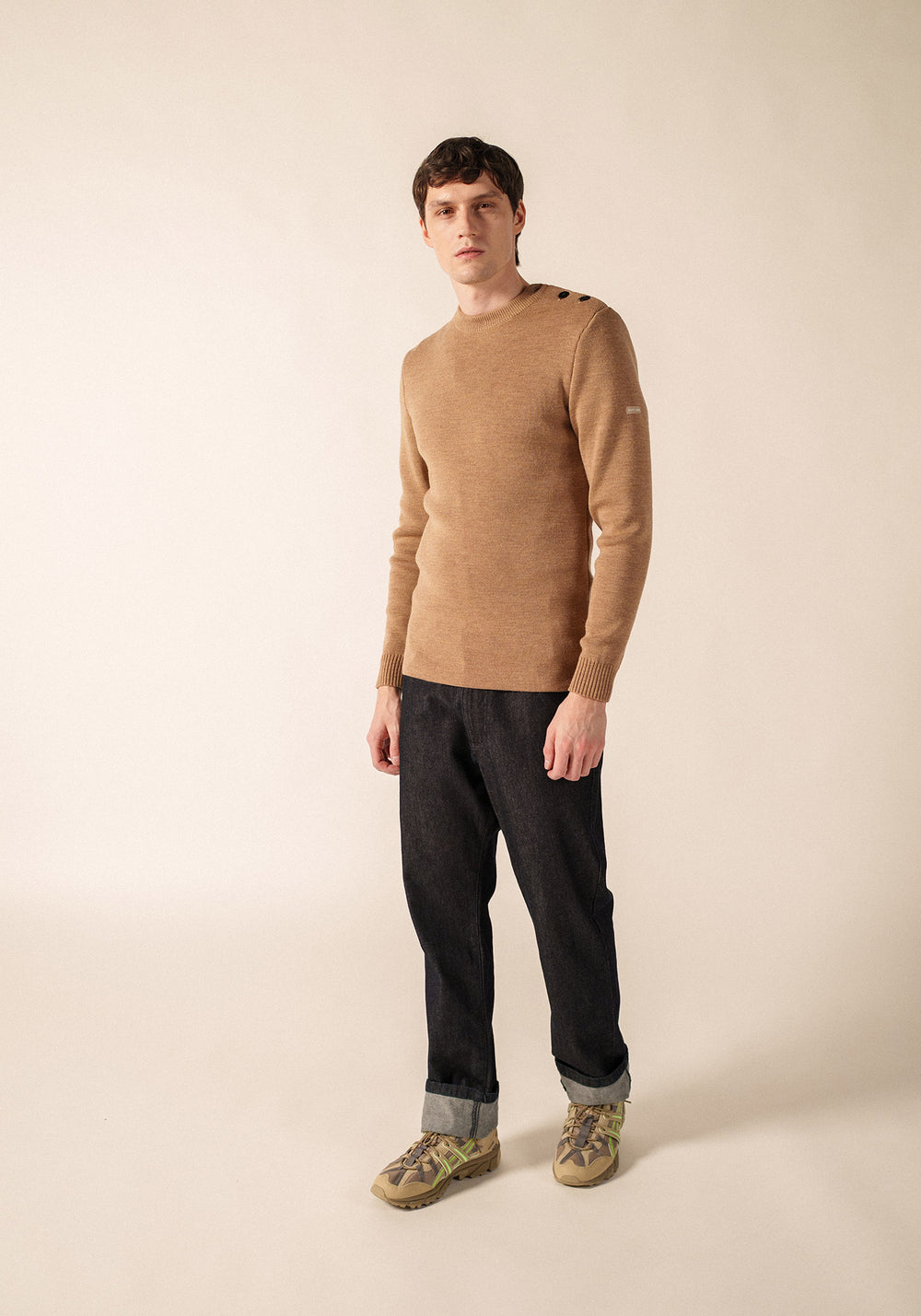
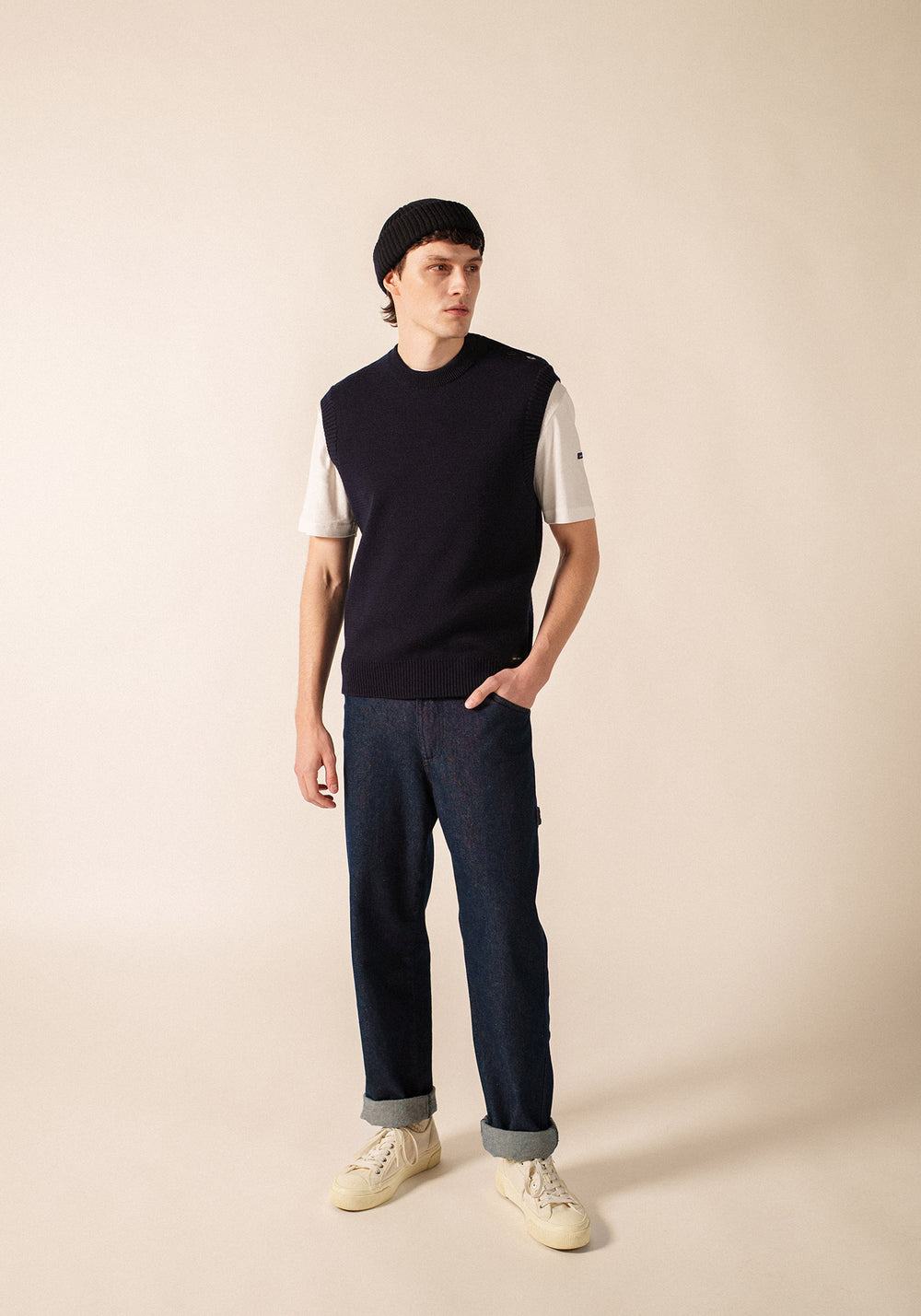
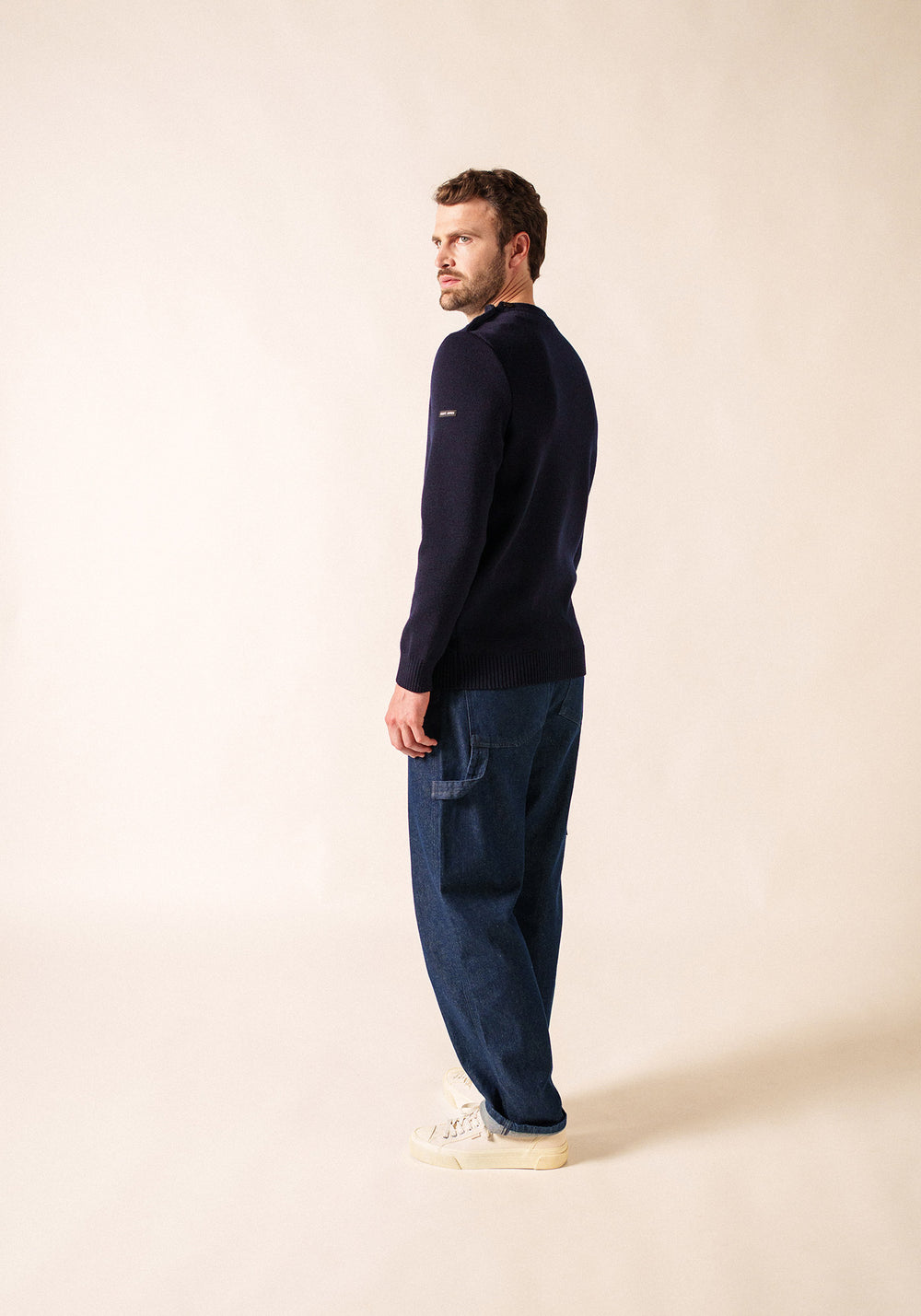
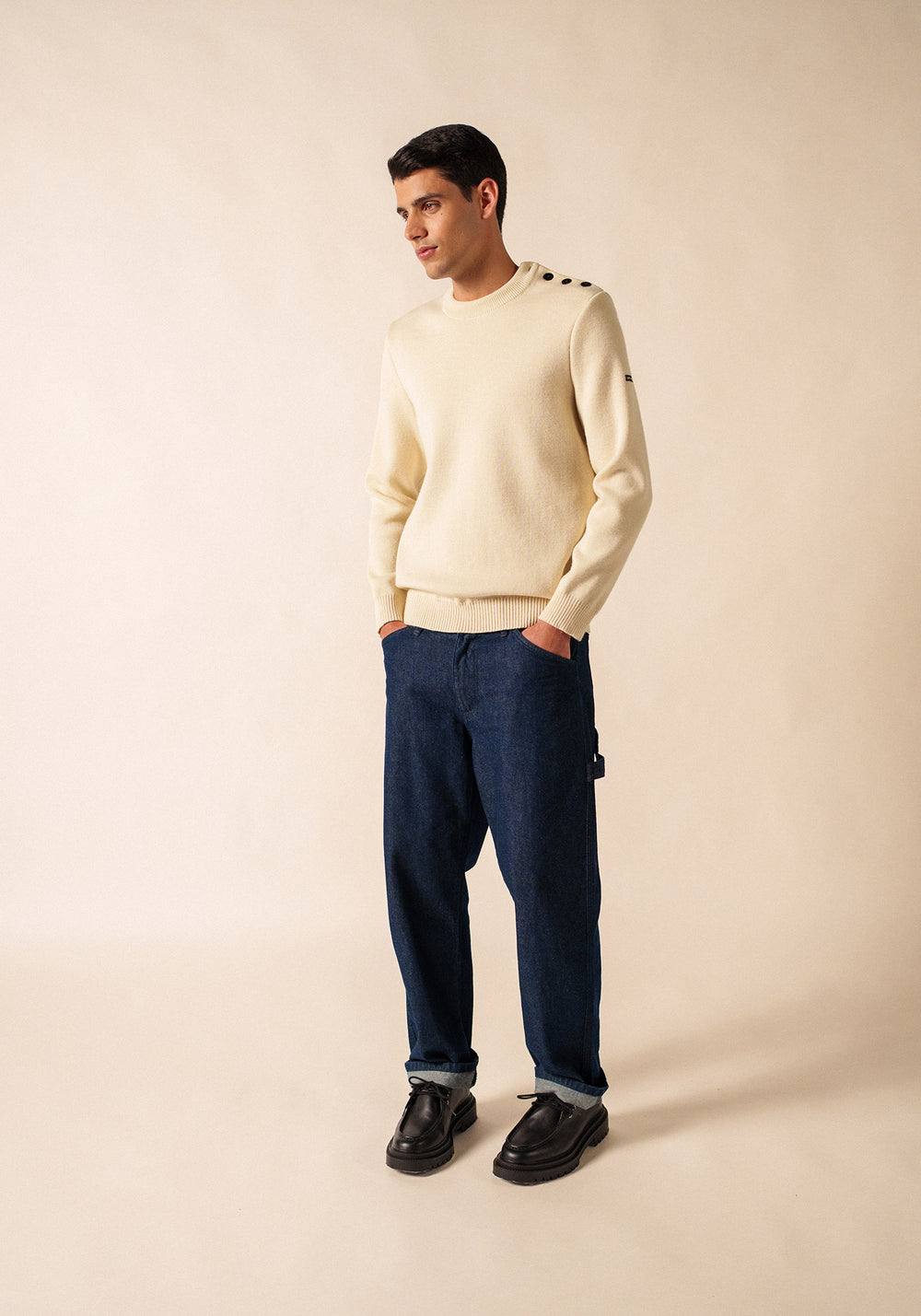
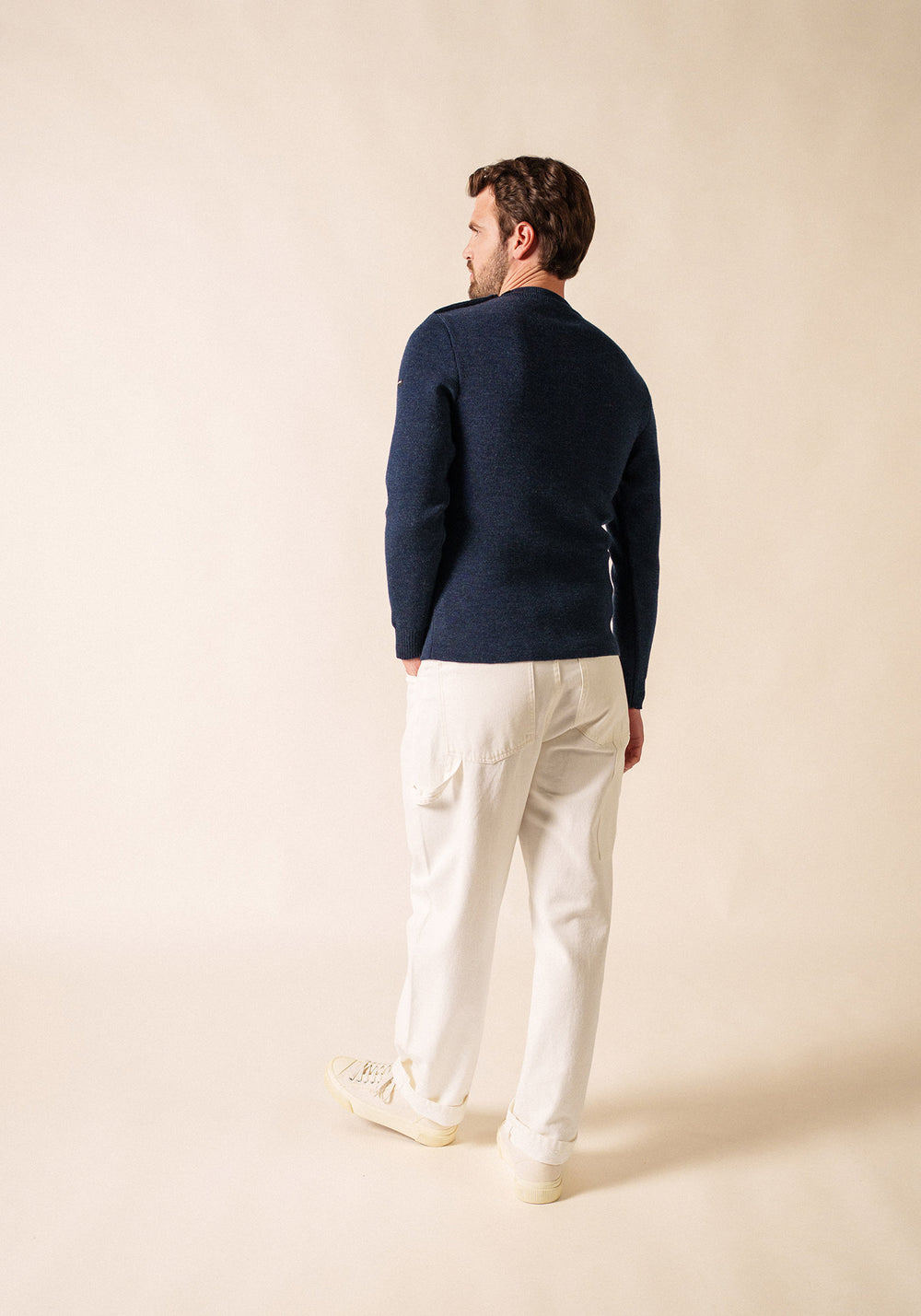
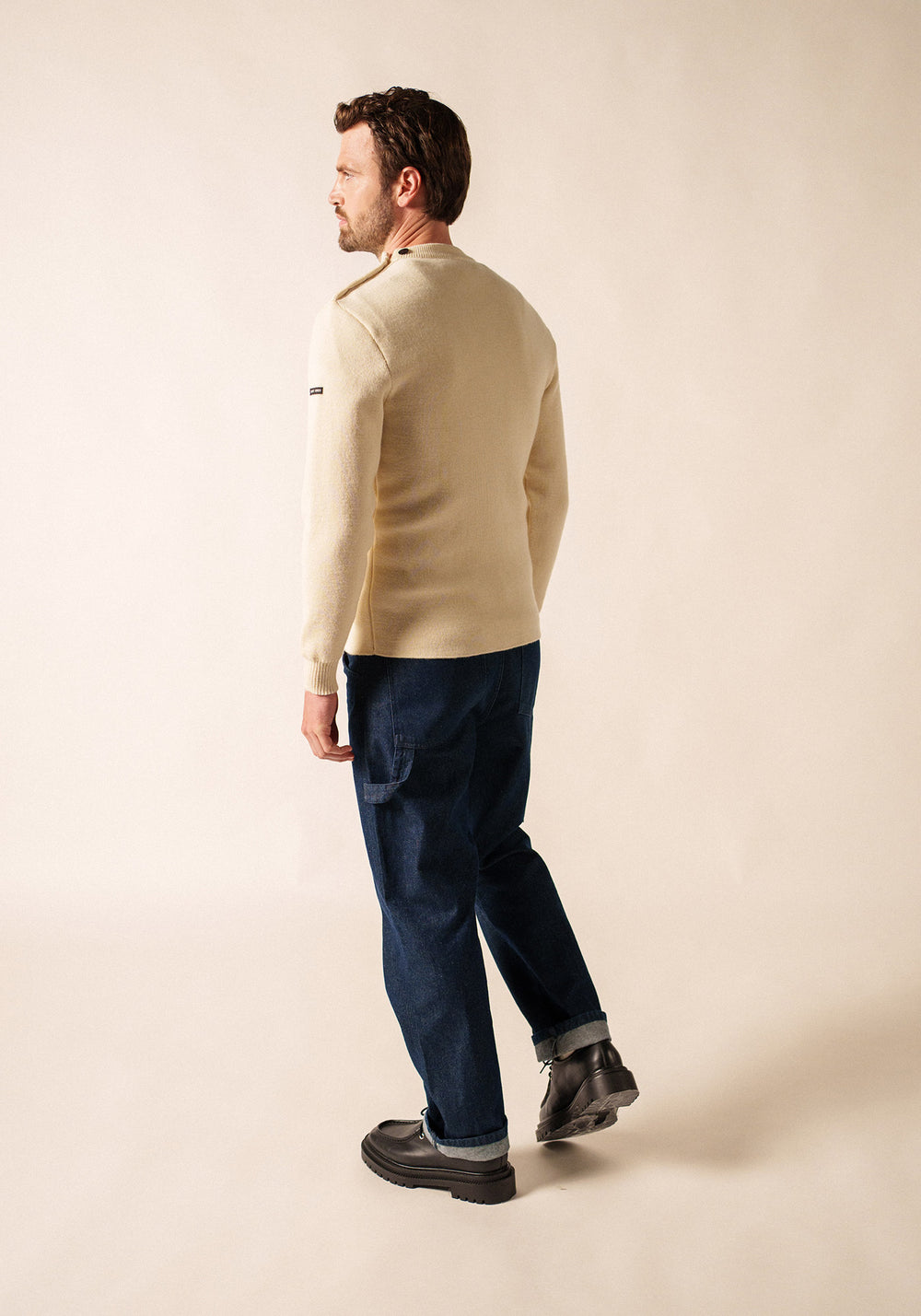
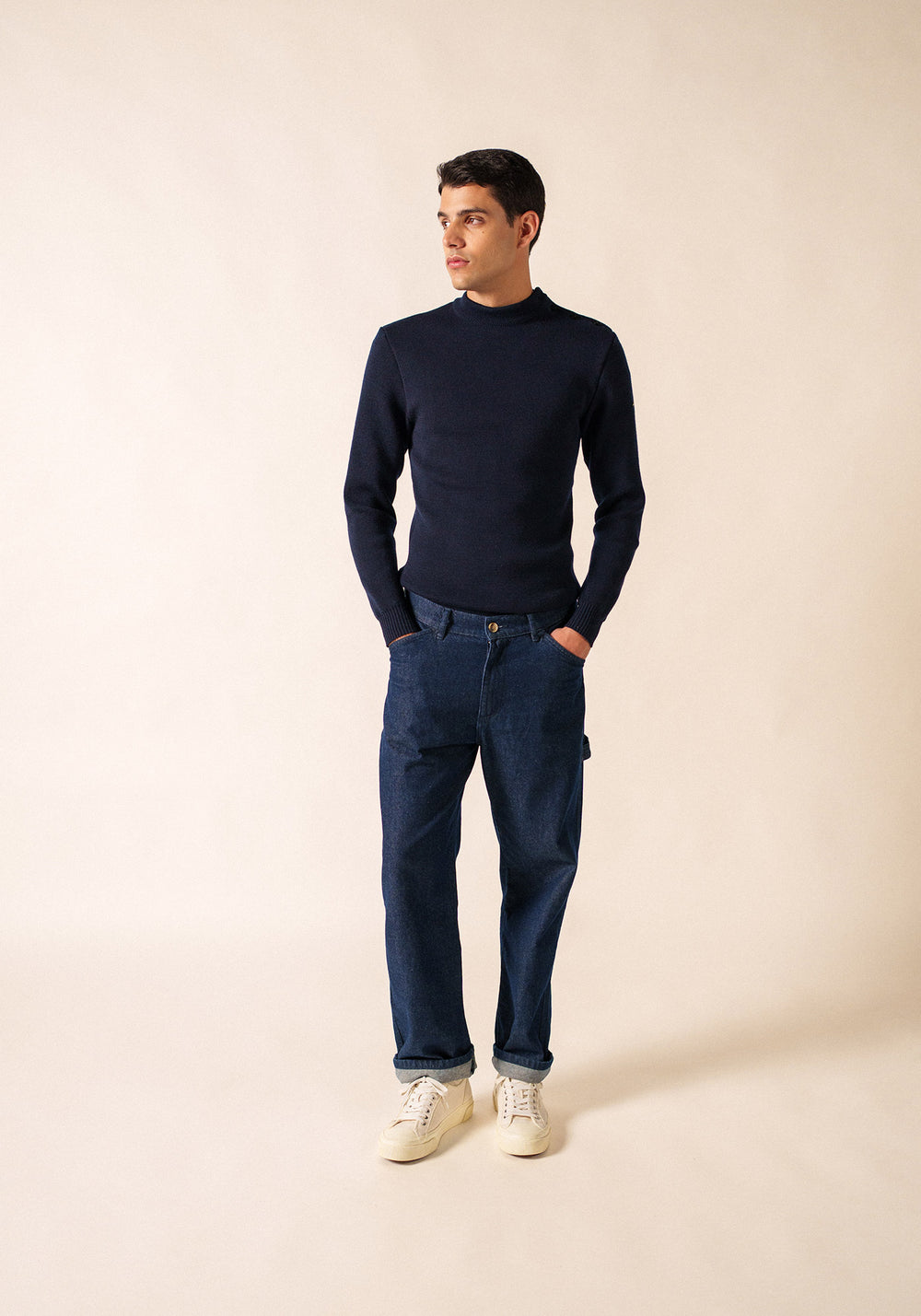
Whether it adopts a classic, refined look or a more urban, sweatshirt-like spirit, the sailor jumper adapts to a wide variety of silhouettes. The authentic model with horizontal stripes is ideally worn with a denim overshirt for a casual look, or slipped under a pea coat for an elegant, warm, and timeless outfit. It pairs as well with raw denim—skinny or loose—as it does with long navy blue or beige chinos, ensuring a perfect balance between style and comfort.
To complete the look, deck shoes will recall the maritime inspiration, while trainers or boots will add a touch of modernity or refined elegance.
How to care for a SAINT JAMES men's sailor jumper?
To avoid damaging the textile fibres and prevent pilling, SAINT JAMES men's wool jumpers should ideally be washed inside out. Contrary to popular belief, the inside of a garment is the dirtiest side, as it is the one exposed to perspiration.
To better protect the men's sailor jumper in the washing machine, it is possible to use a laundry bag, which will prevent rubbing against certain items that could damage the wool after several wash cycles, such as jean buttons or zips.
They must be washed using a special wool or delicates programme. If the washing machine used does not have such a programme, it is recommended to choose a maximum temperature of 30 degrees (30°C) and set the spin cycle to the minimum, between 400 and 600 revolutions per minute.
Good to know: for a special wool cycle, it is important not to completely fill the drum so that the various wool garments are not crushed against each other. A load of one to two kilos is more than enough.
The detergent should ideally be a special wool detergent, with a composition adapted to avoid damaging the fibres, prevent felting, and maintain their radiance.
SAINT JAMES men's wool jumpers must then be dried flat: due to the weight of the water, they could lose their shape if hung on a hanger. Clothes pegs should also be avoided: they mark the fibres and leave an imprint that can be difficult to remove.
Once washed and spun, the men's sailor jumper should be laid flat on a terry towel: the towel will absorb the excess water and the garment will dry naturally, retaining its original shape.
Wool sailor jumper generally do not need to be ironed. However, if the garment has a crease, it is recommended to use a pressing cloth—a piece of damp fabric placed between the iron (set to medium temperature) and the wool—to avoid the risk of burning the fibres.
Maintained in this way, SAINT JAMES men's jumpers have a very long lifespan. Just as breton shirts have survived ages and fashions, these can be worn without losing quality or style.
The history of the sailor jumper, from its origins to the present day
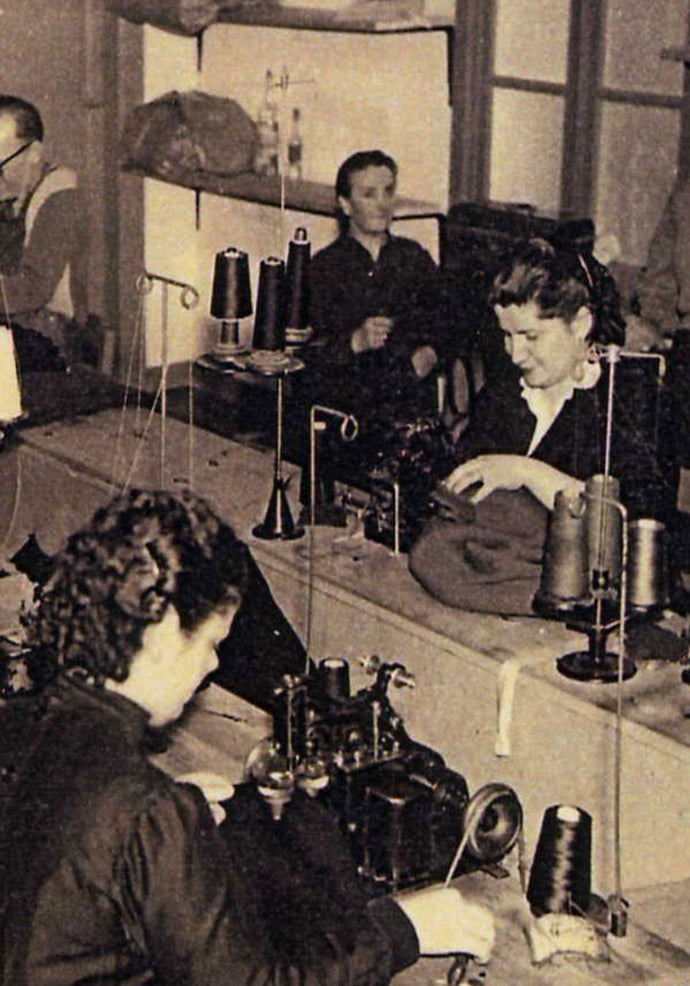
The sailor jumper appeared as early as the 19th century in the form of a wool shirt worn by the Terre-Neuvas—the Breton sailors who embarked for months to fish for cod in the Atlantic.
In 1850, Léon Legallais, mayor of the commune of Saint-James, located in what is now the Manche department in Normandy, founded a spinning mill to knit balls and skeins intended for haberdasheries in Brittany. It was not until 1889 that the first SAINT JAMES garment appeared.
Today, sailor jumpers are available in various cuts and shades, dressing the modern man with elegance while losing none of their comfort and warmth.