Sailor jumpers
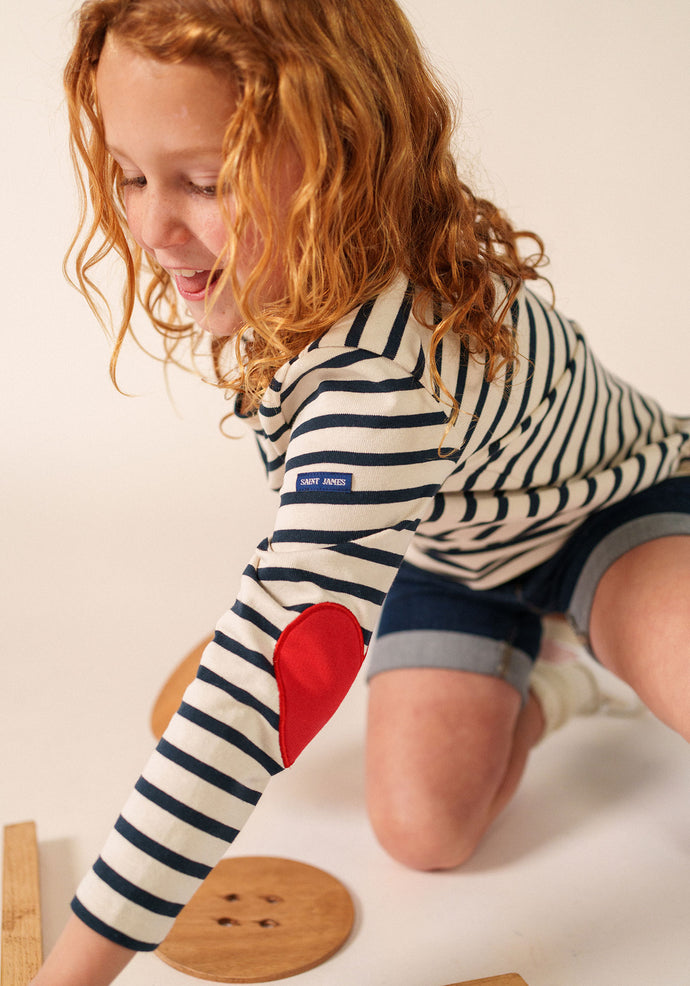
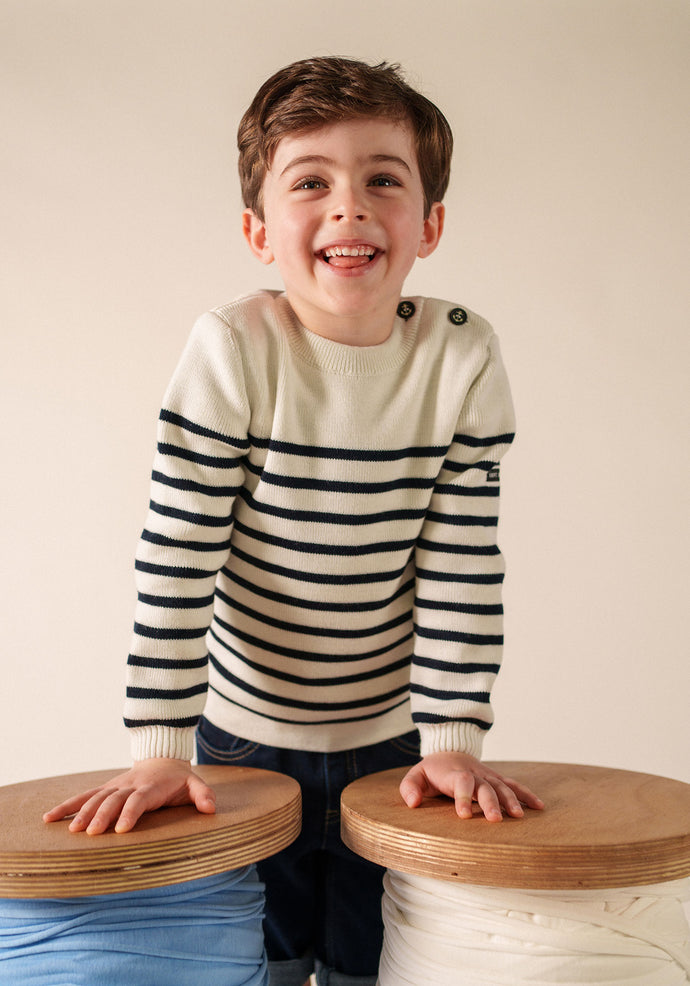
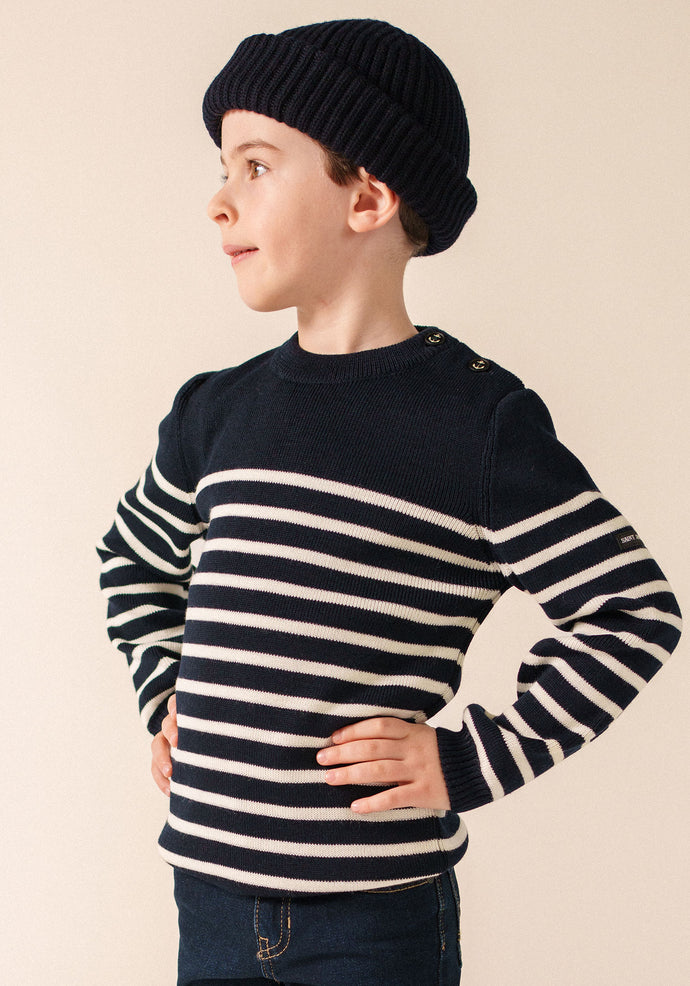
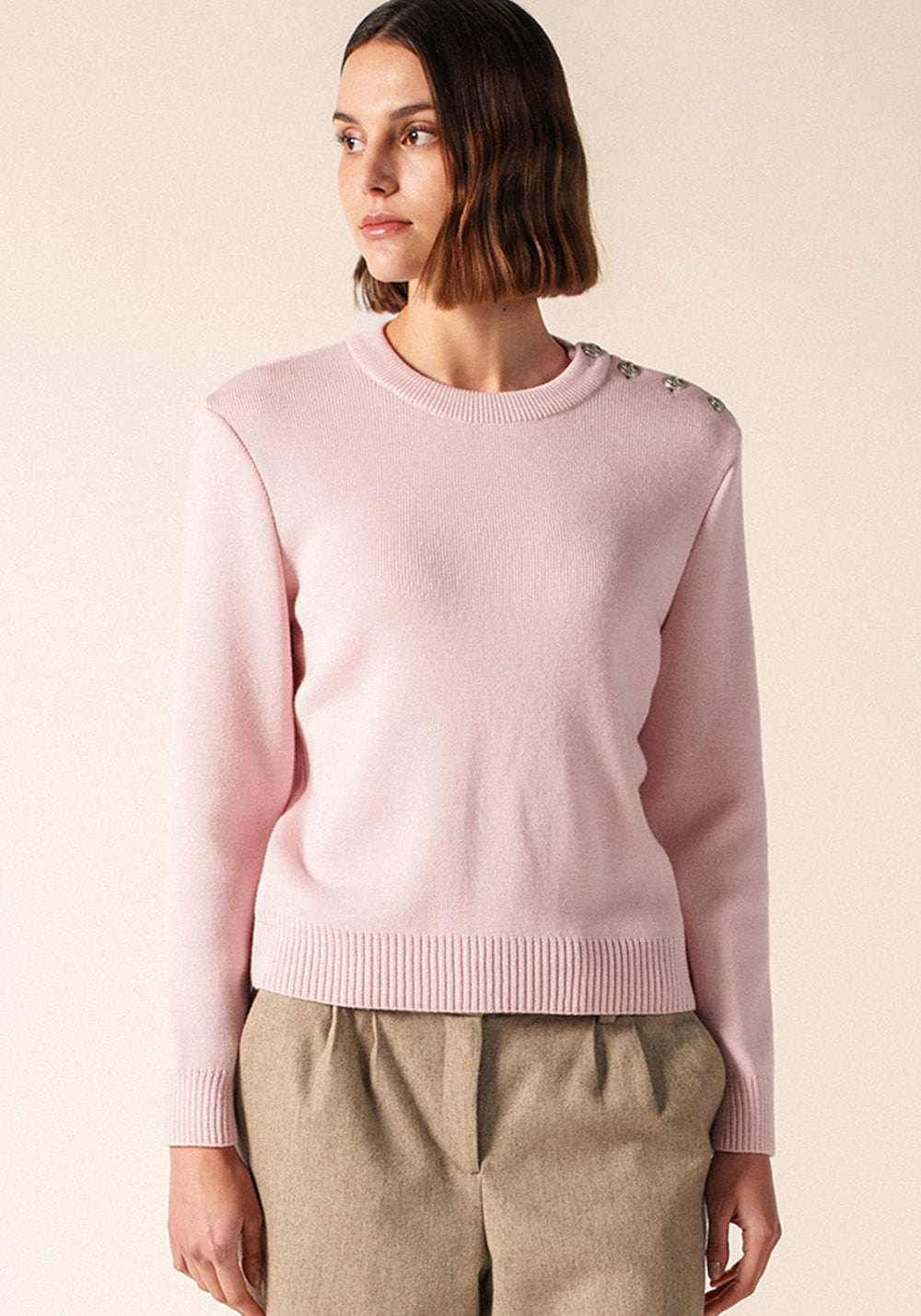
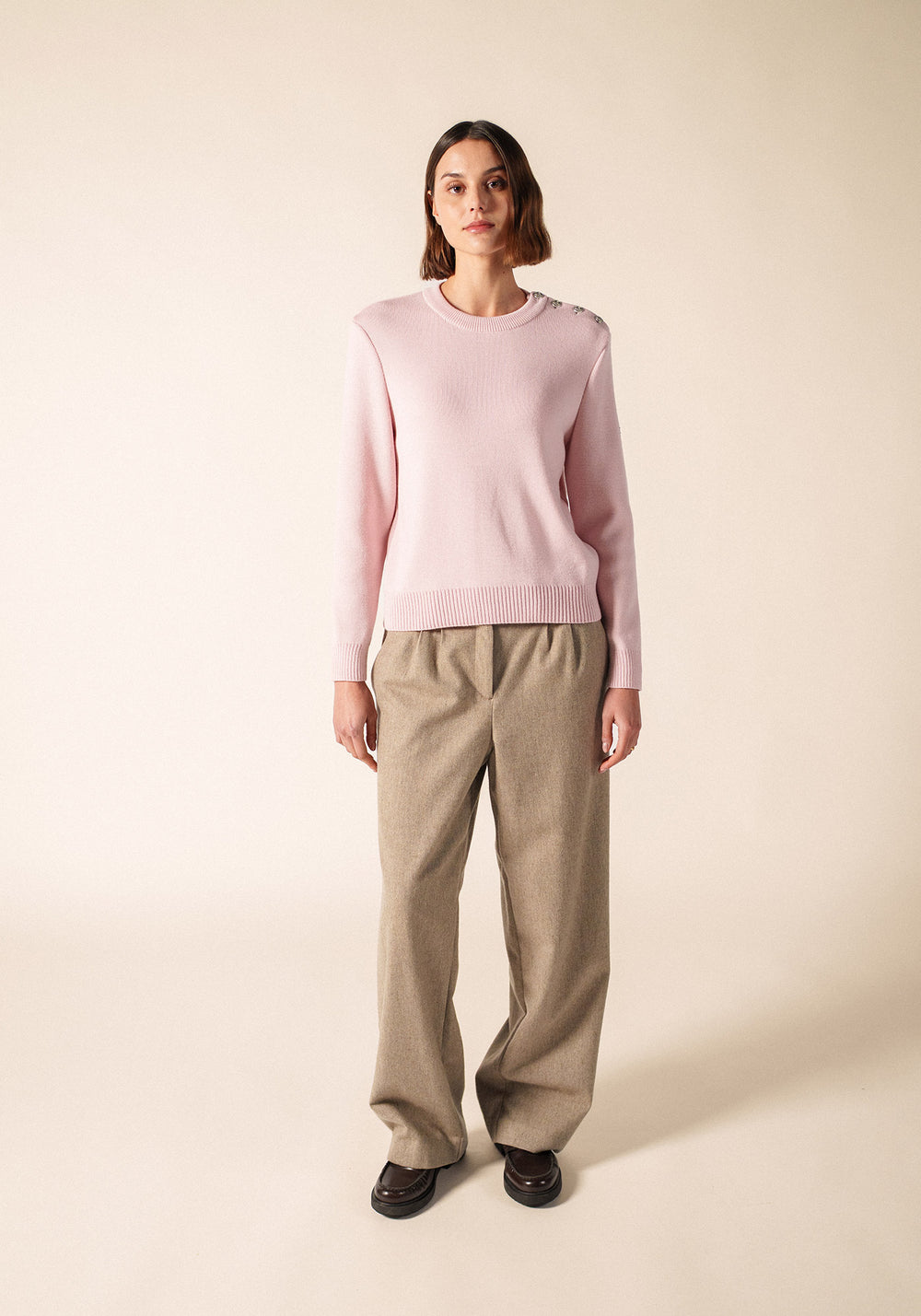
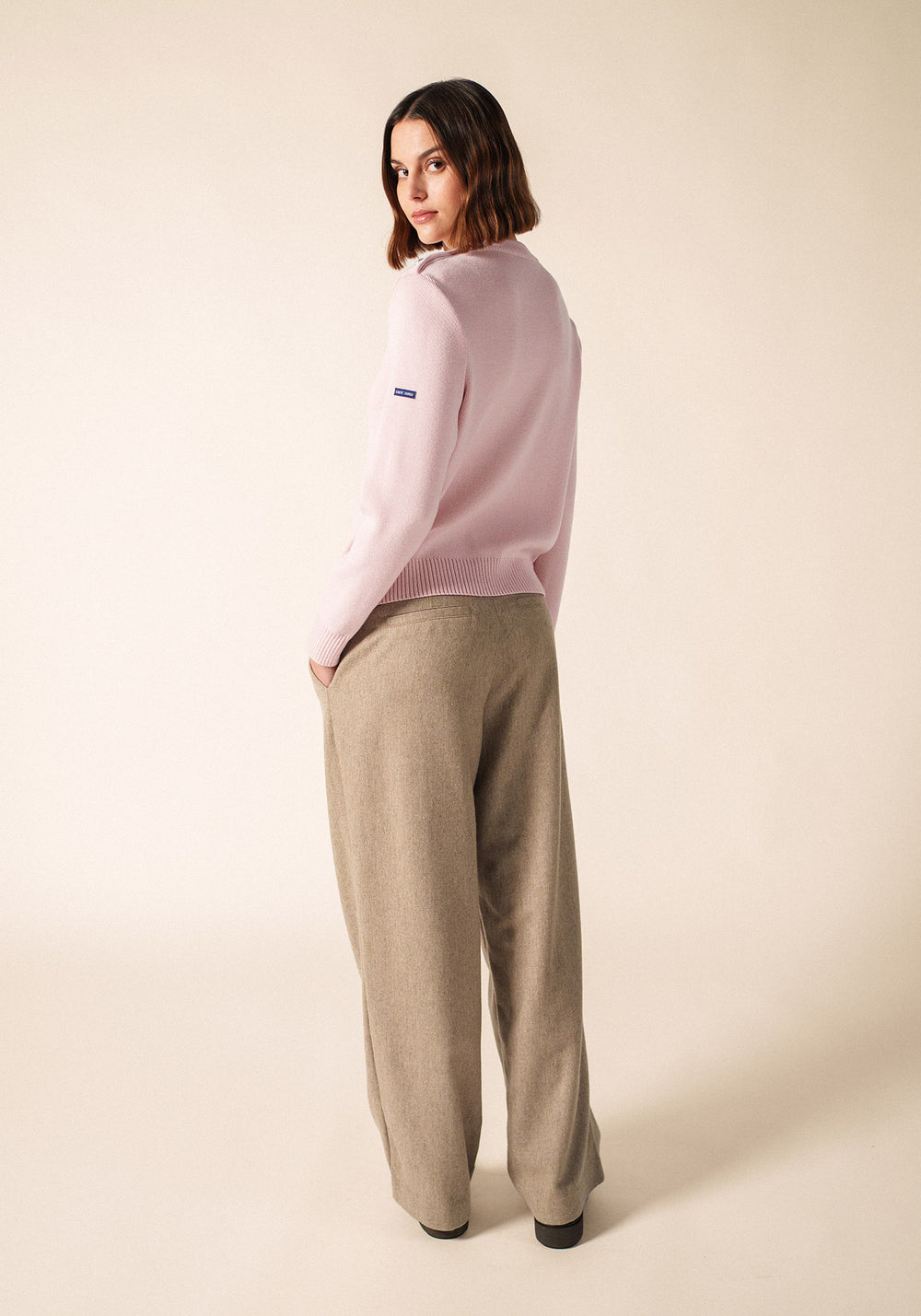
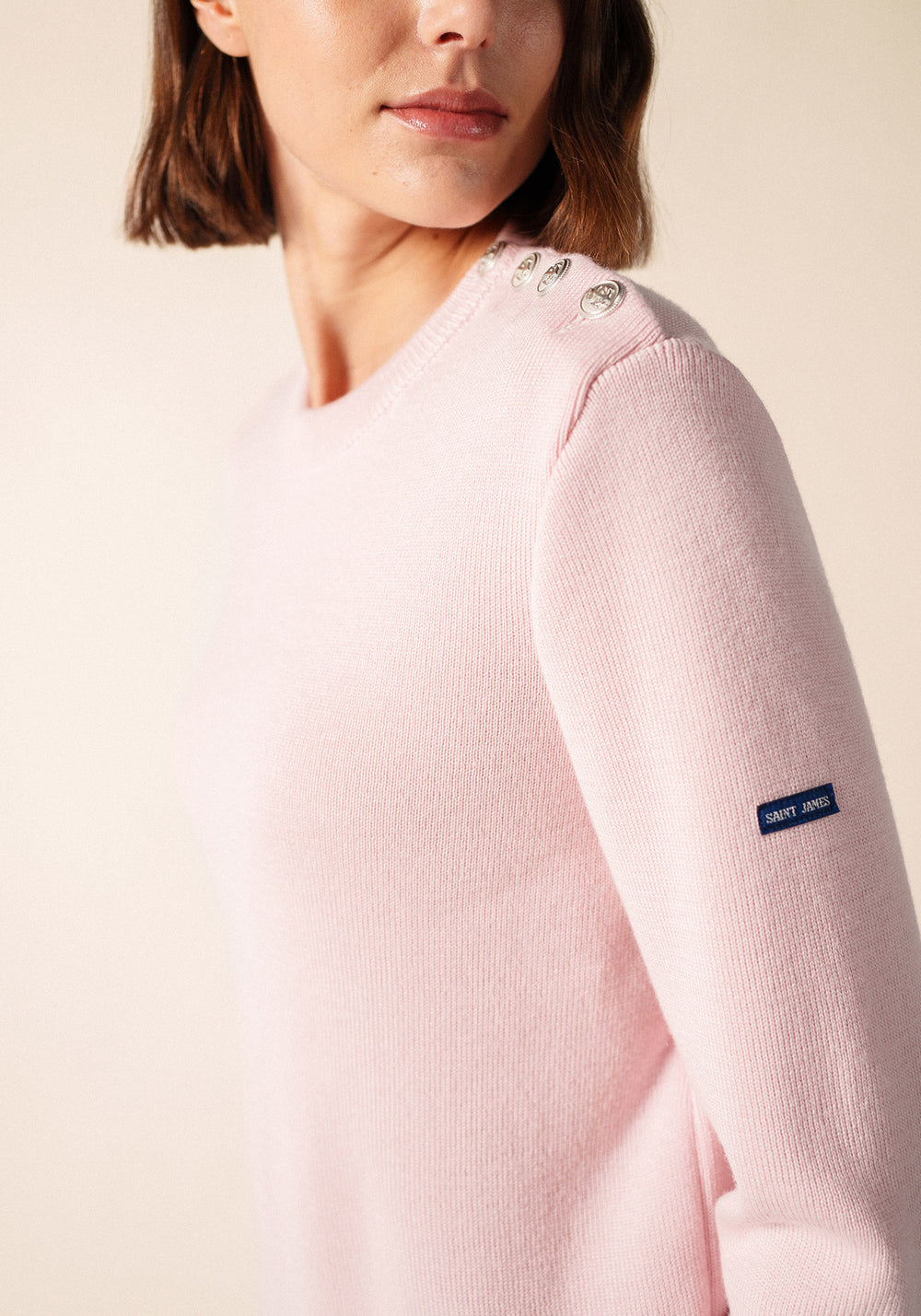
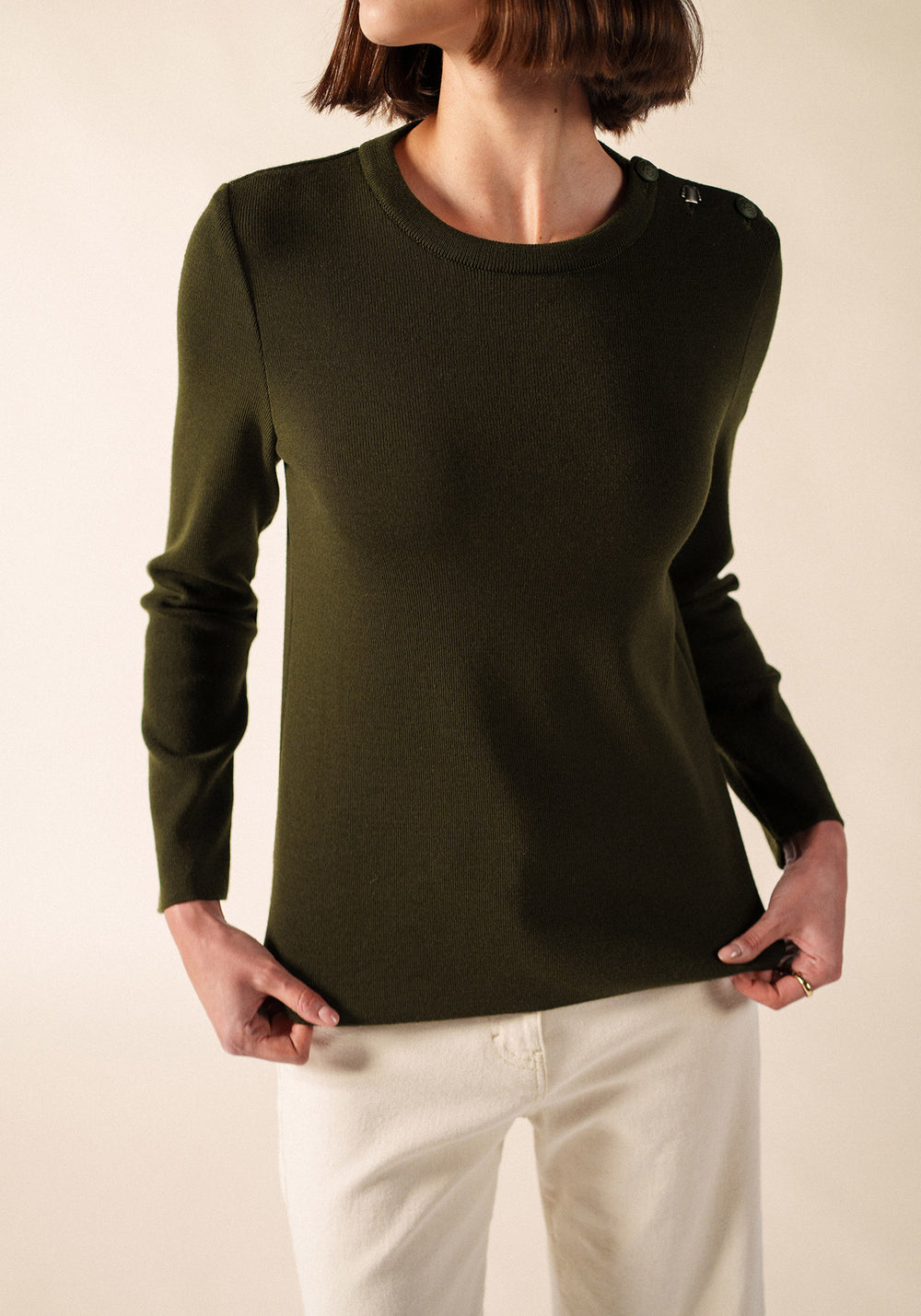
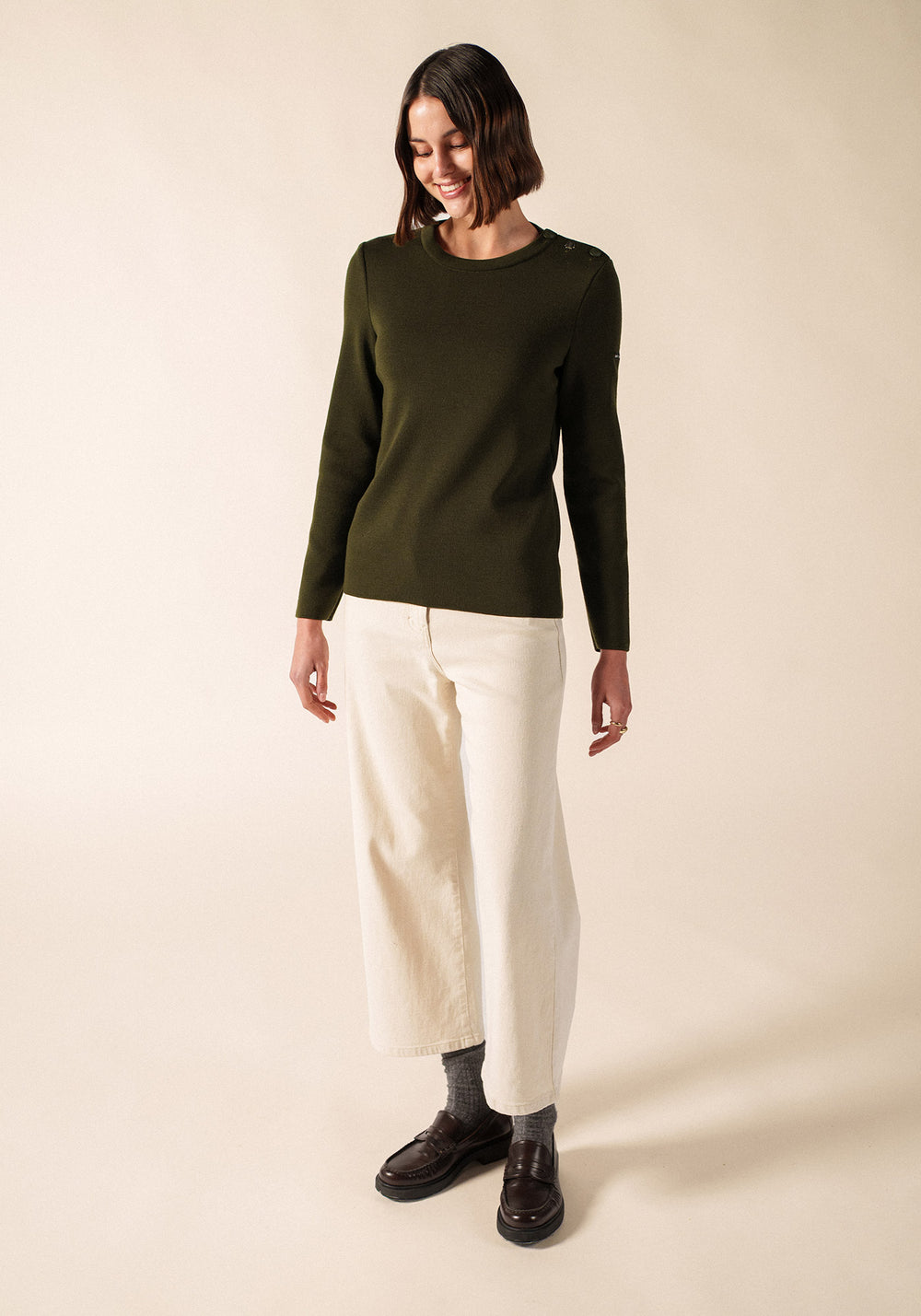
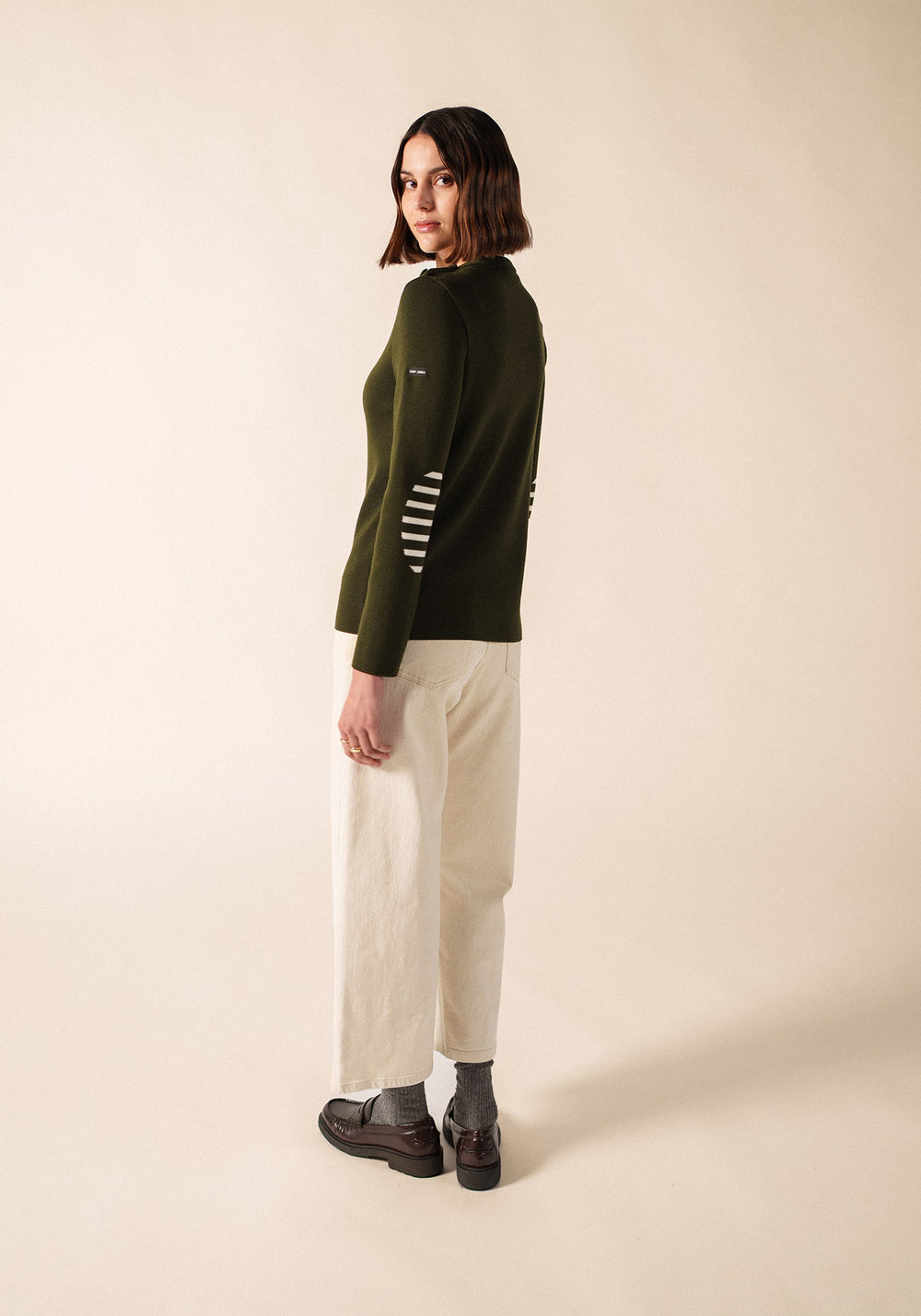
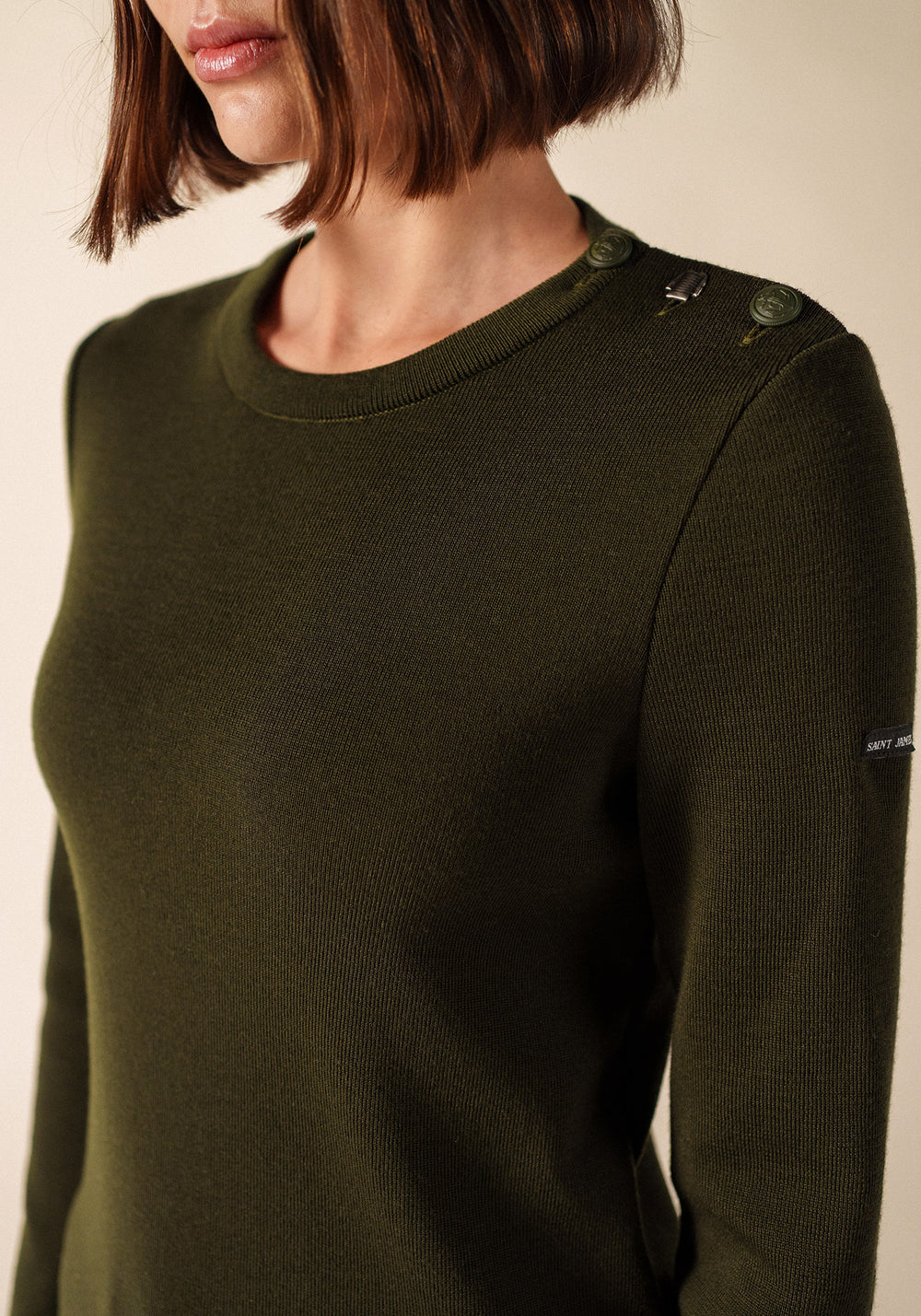
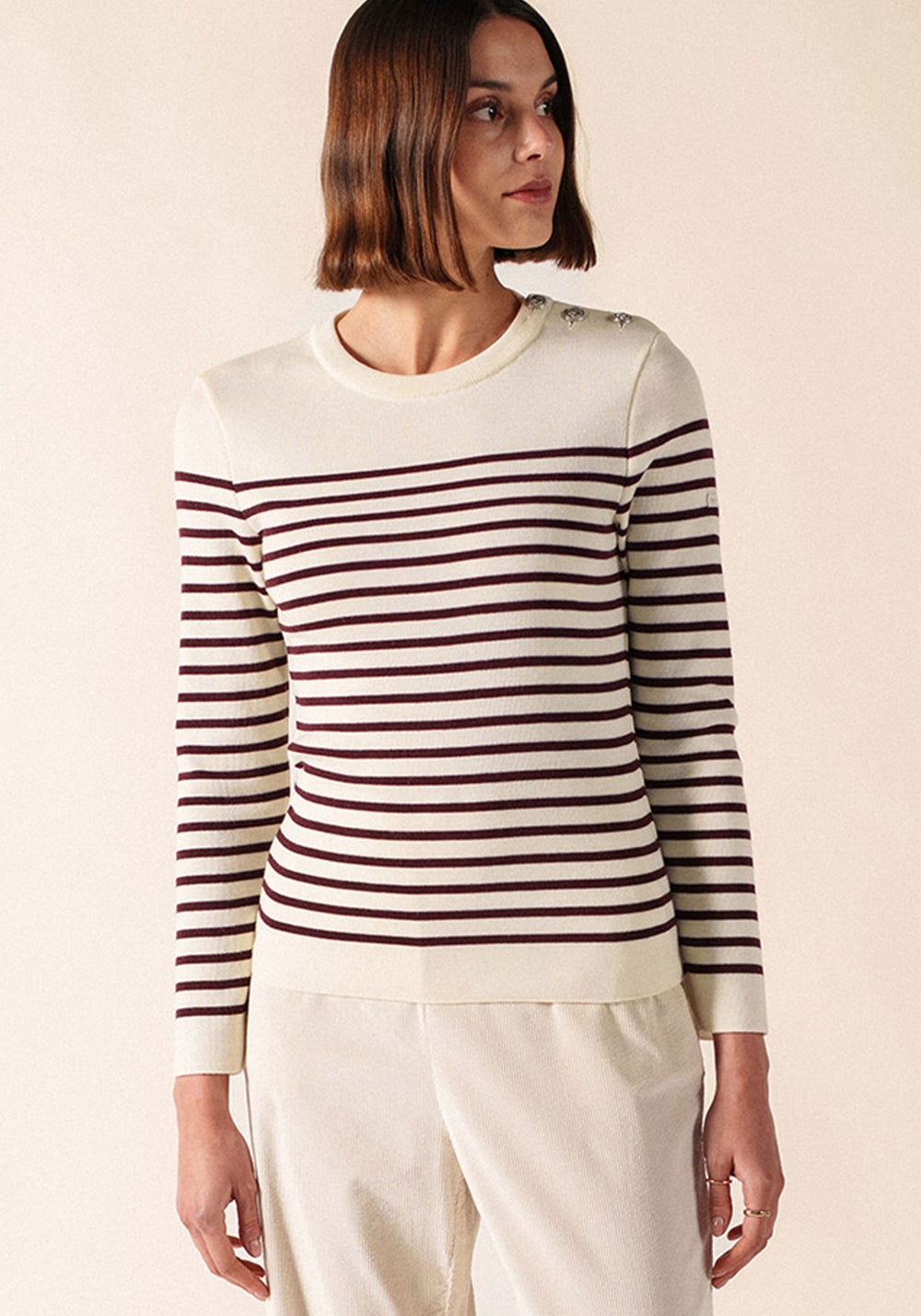
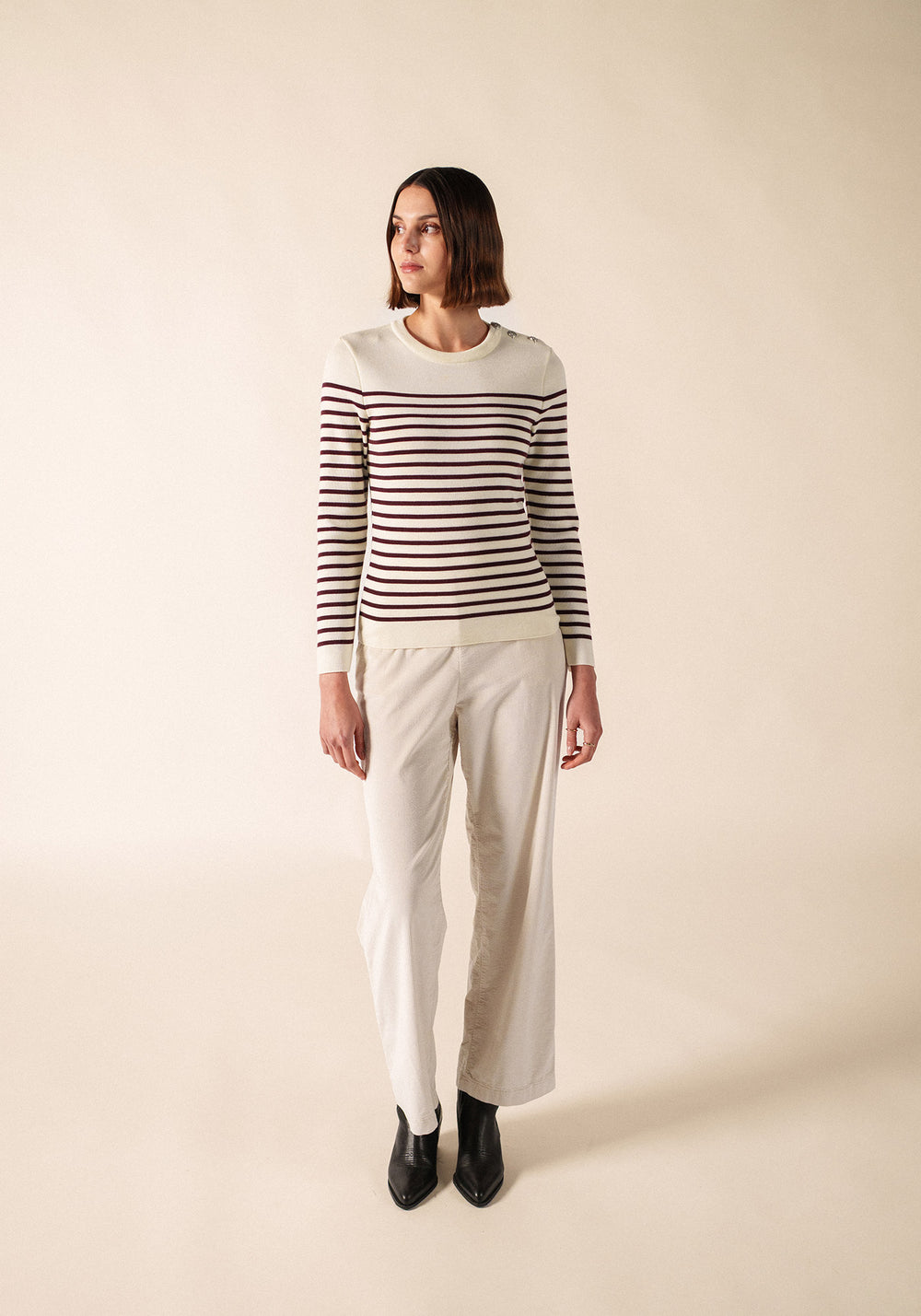
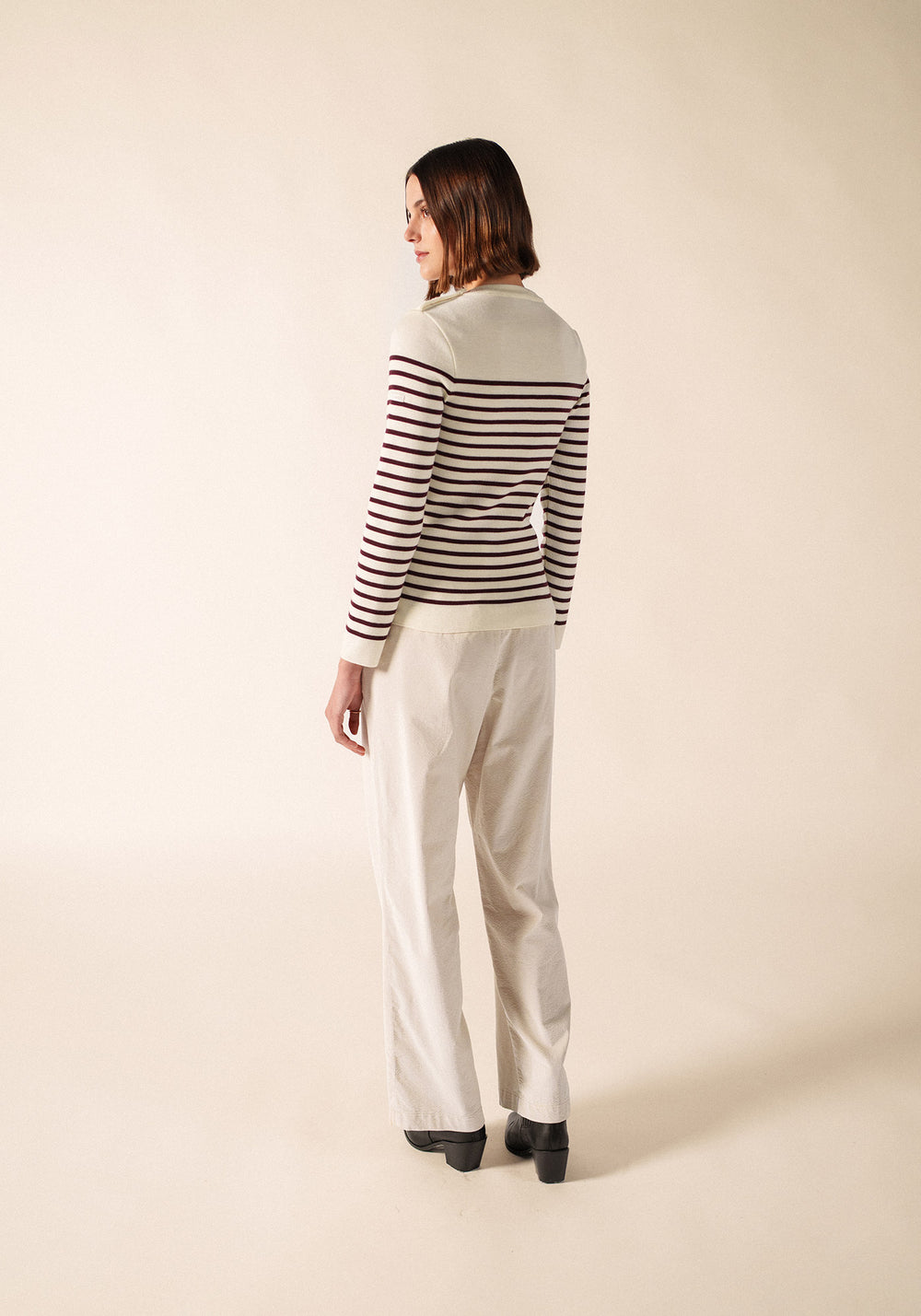
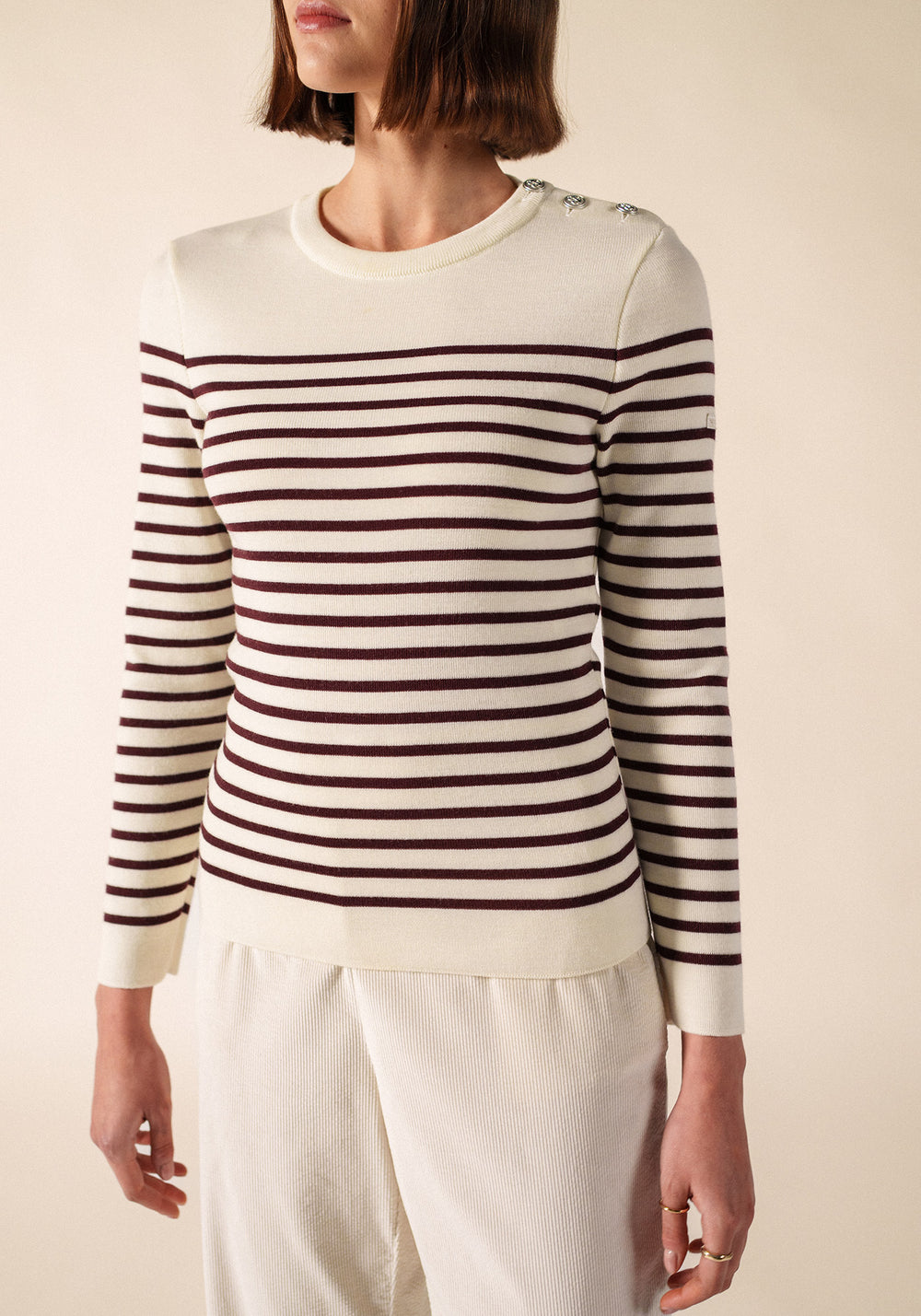
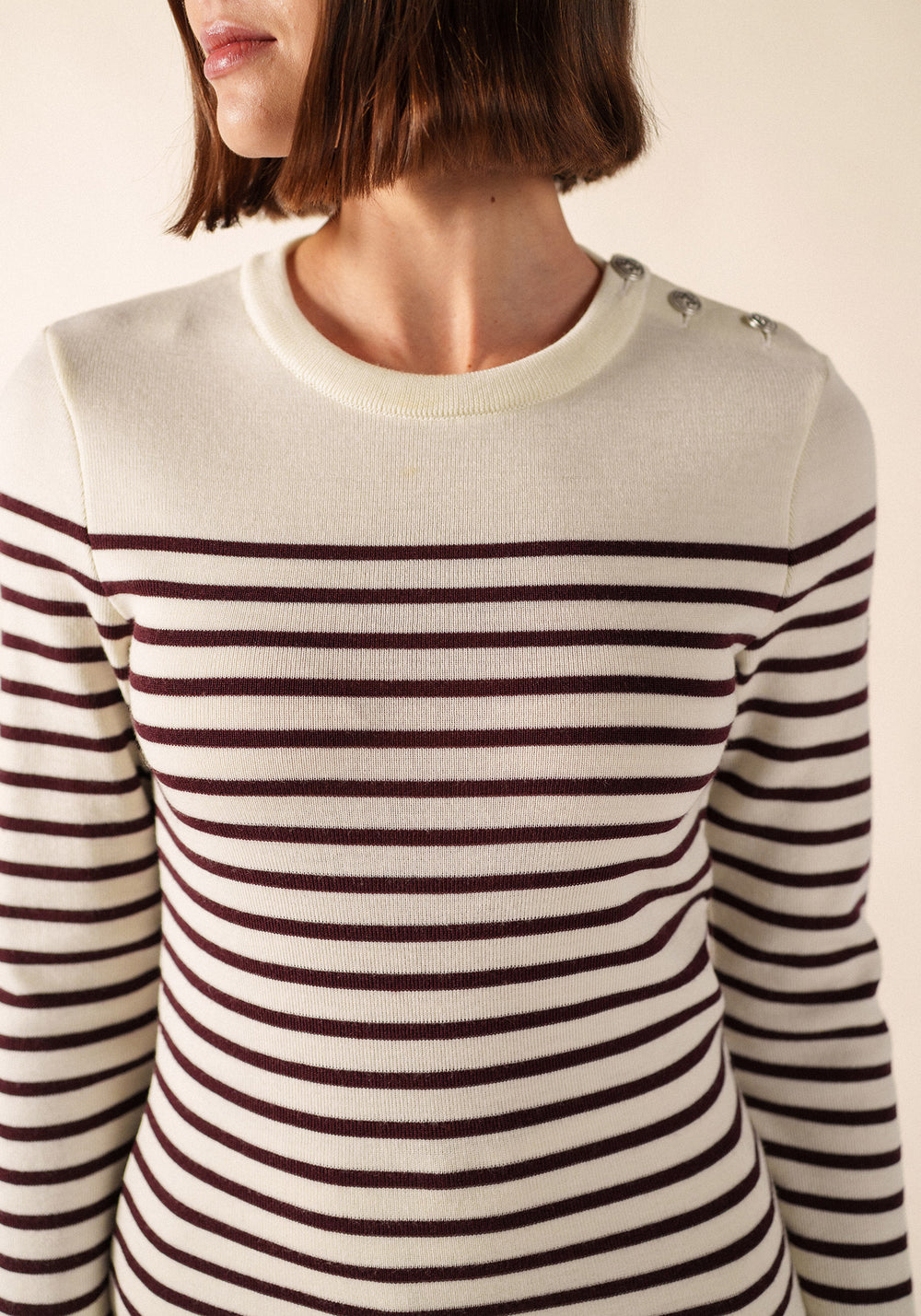
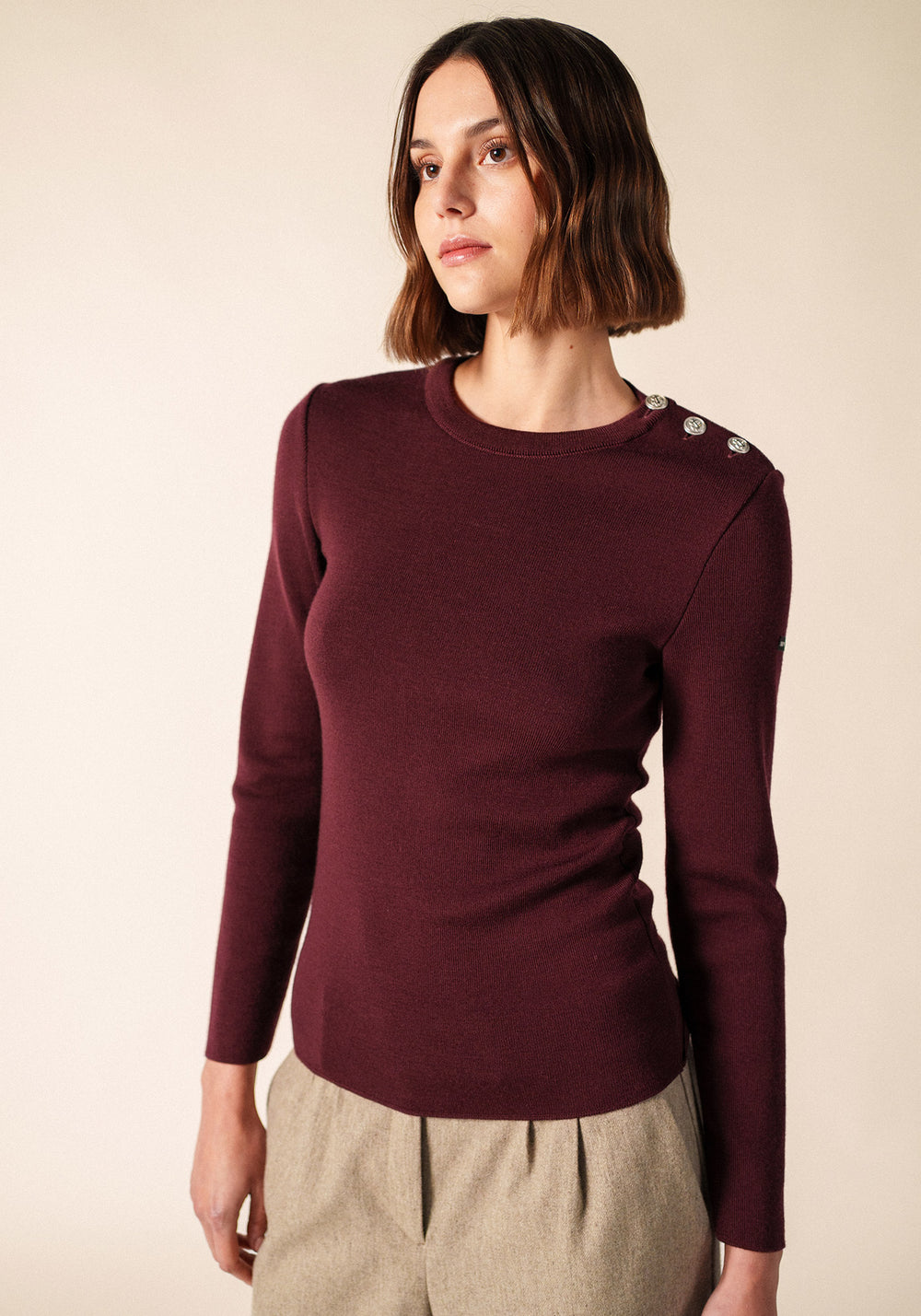
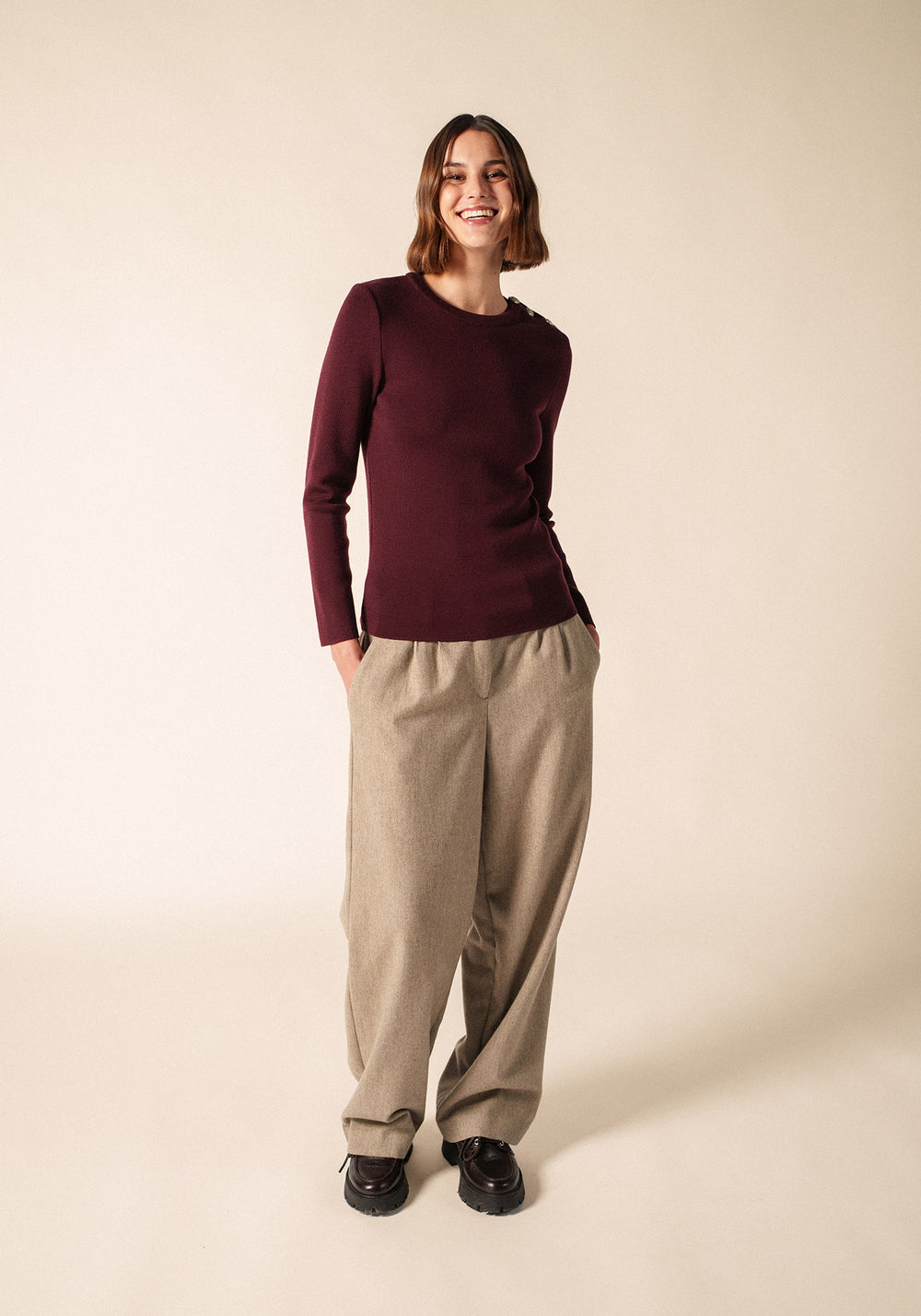
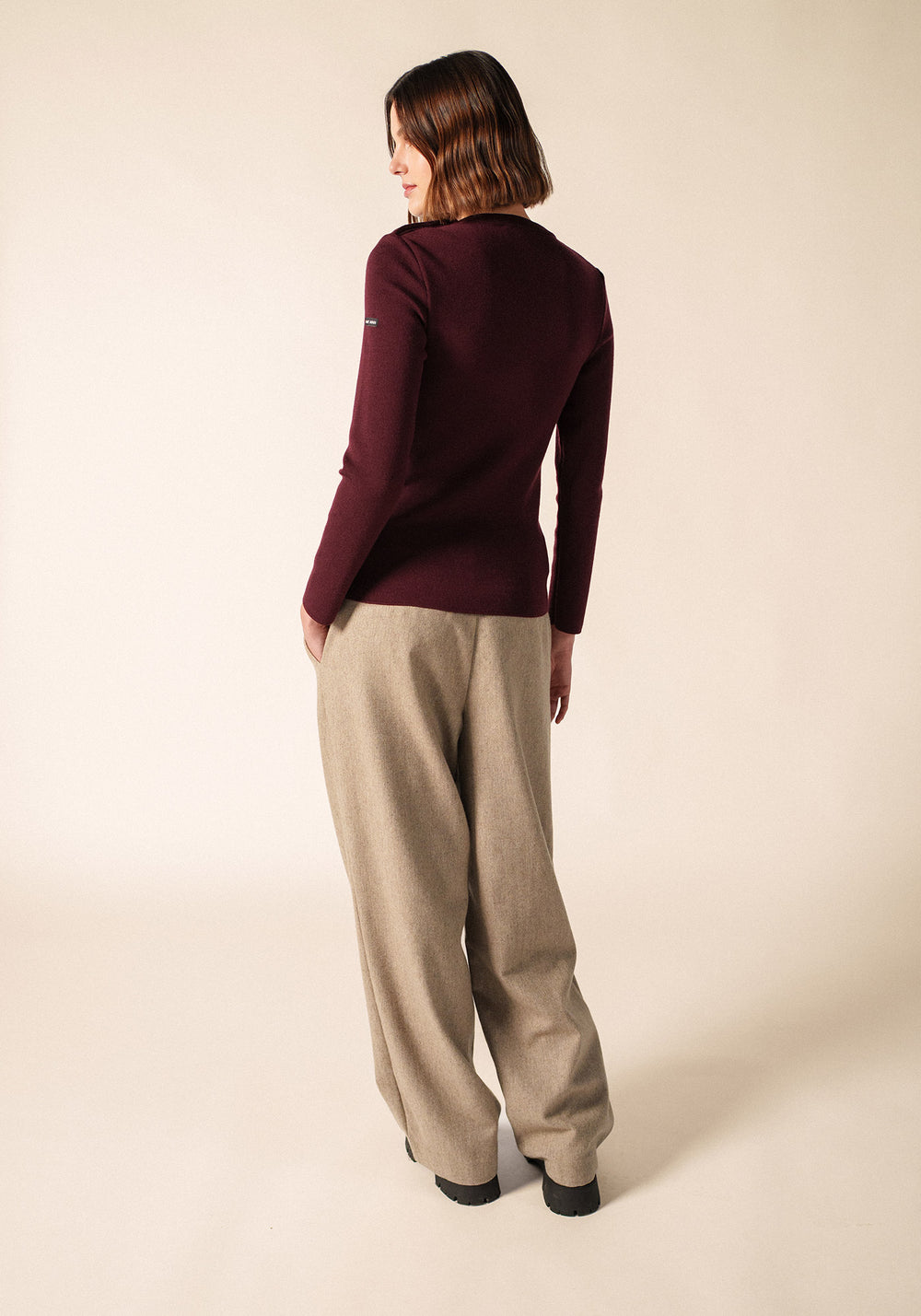
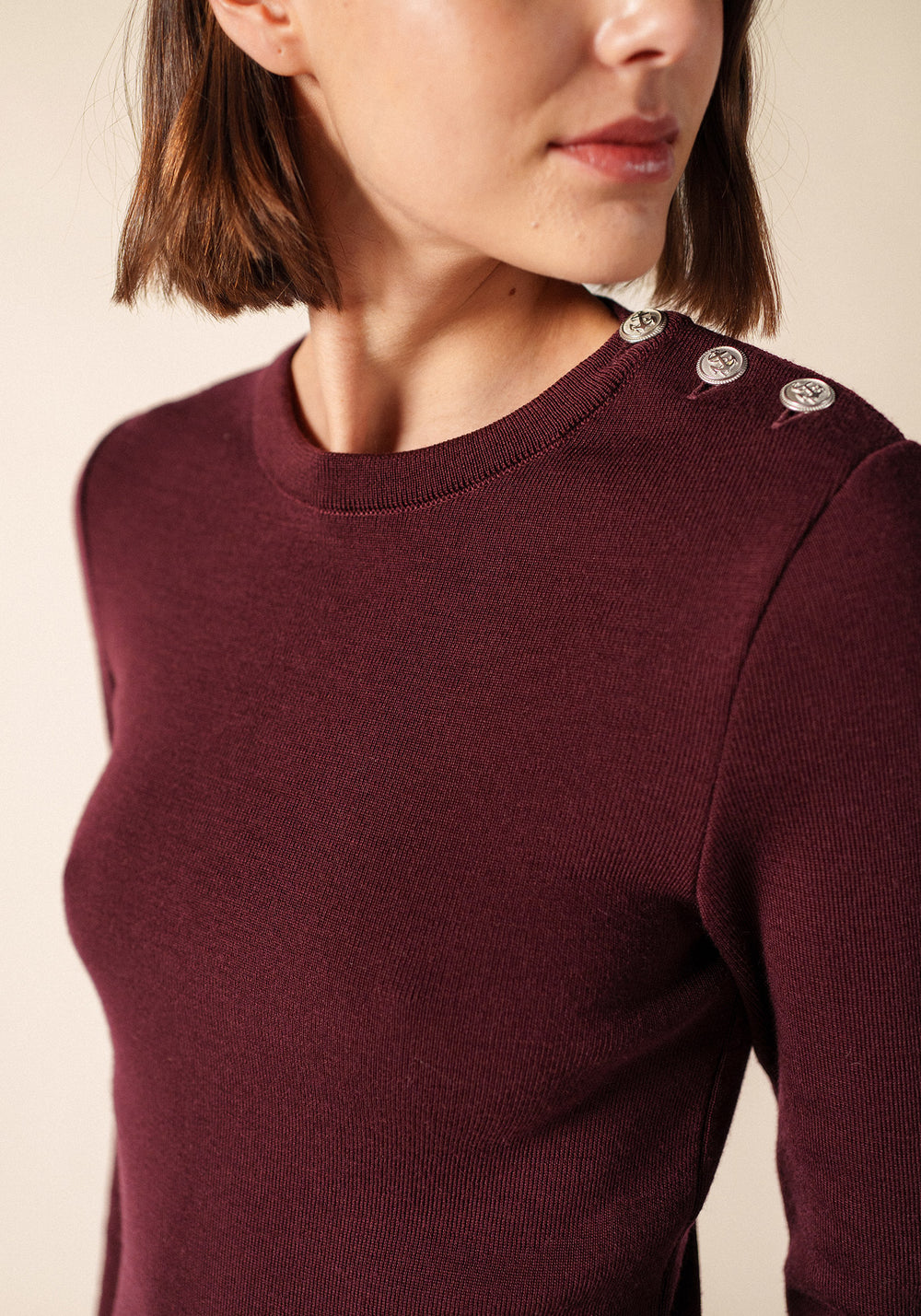
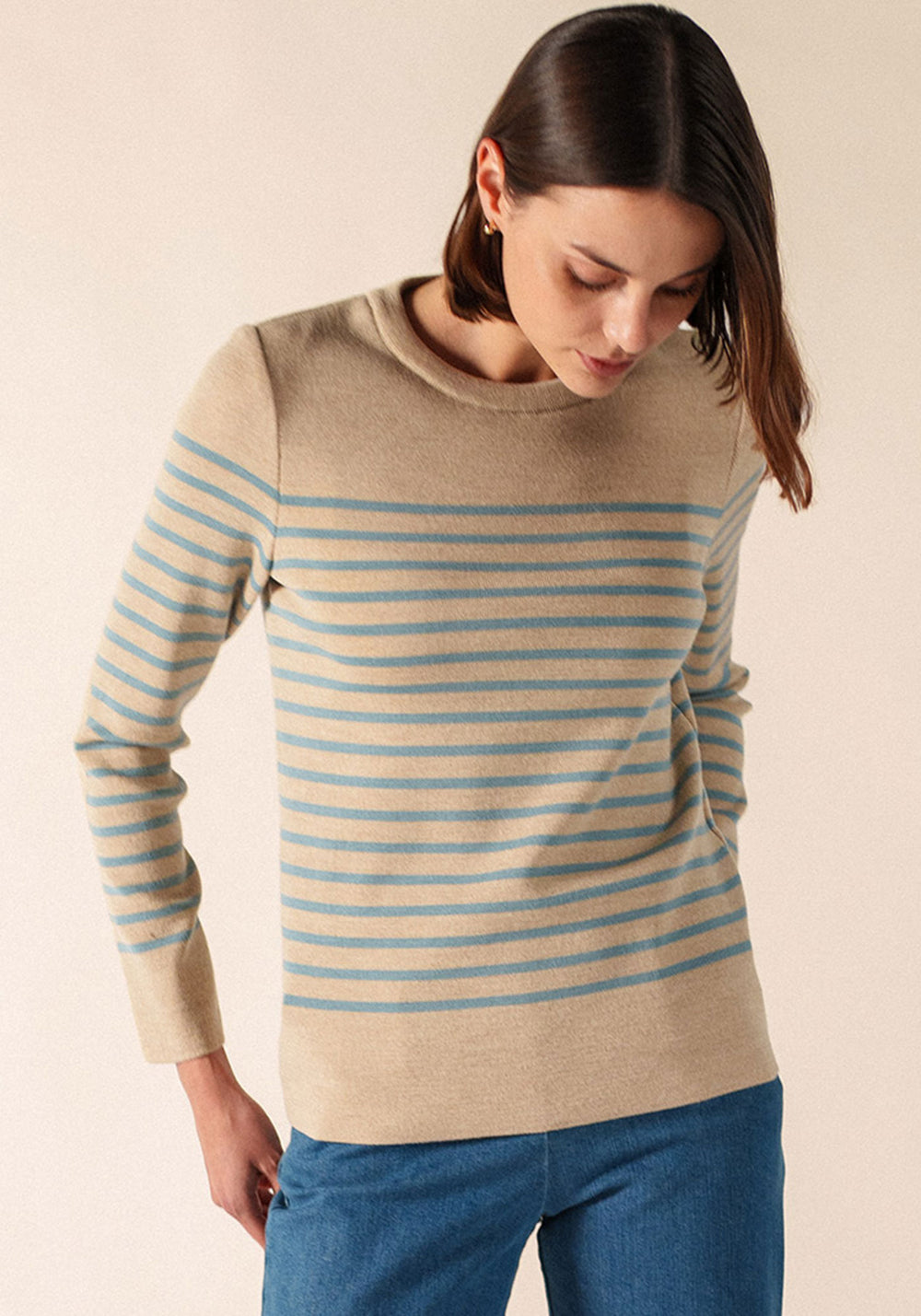
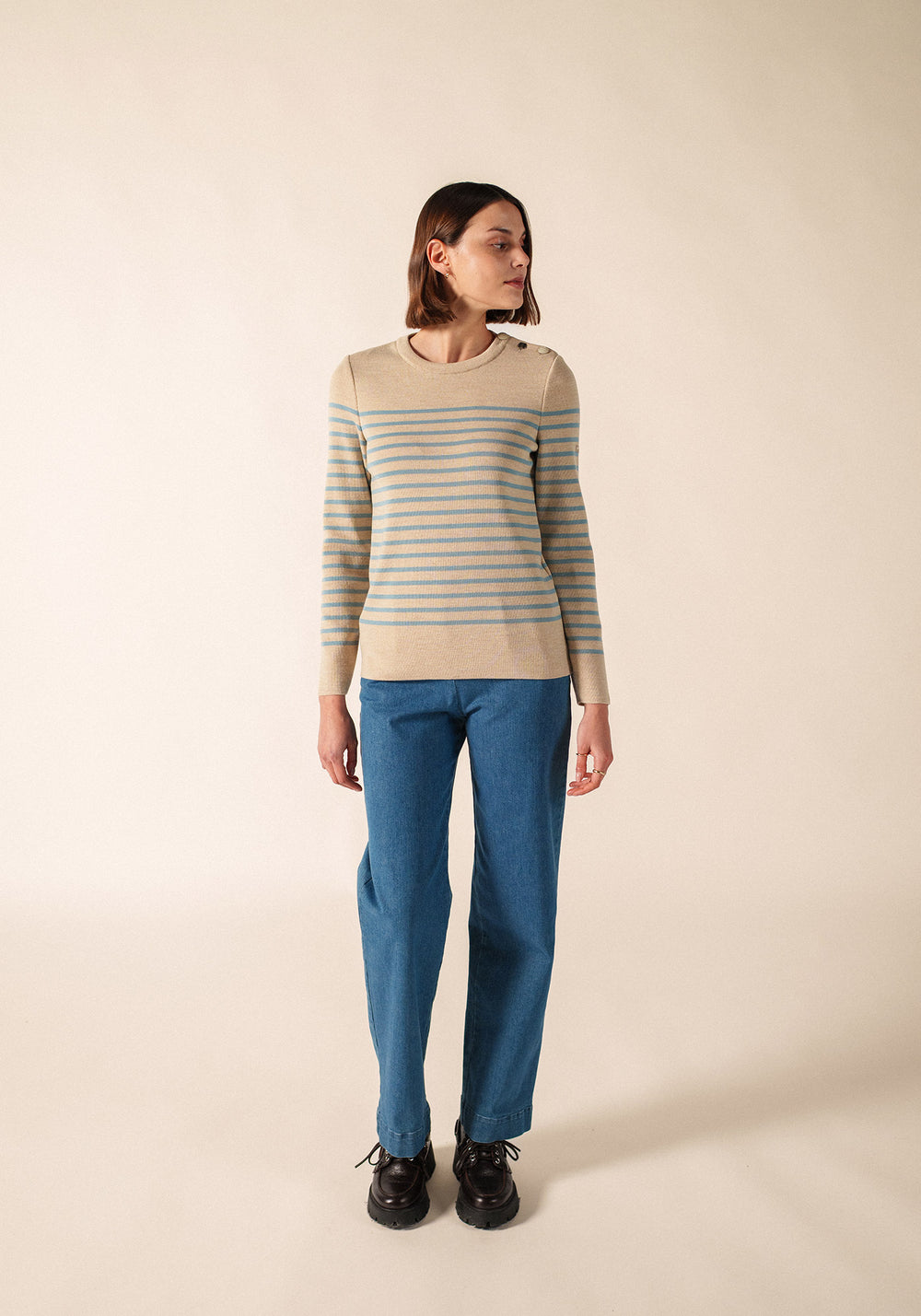
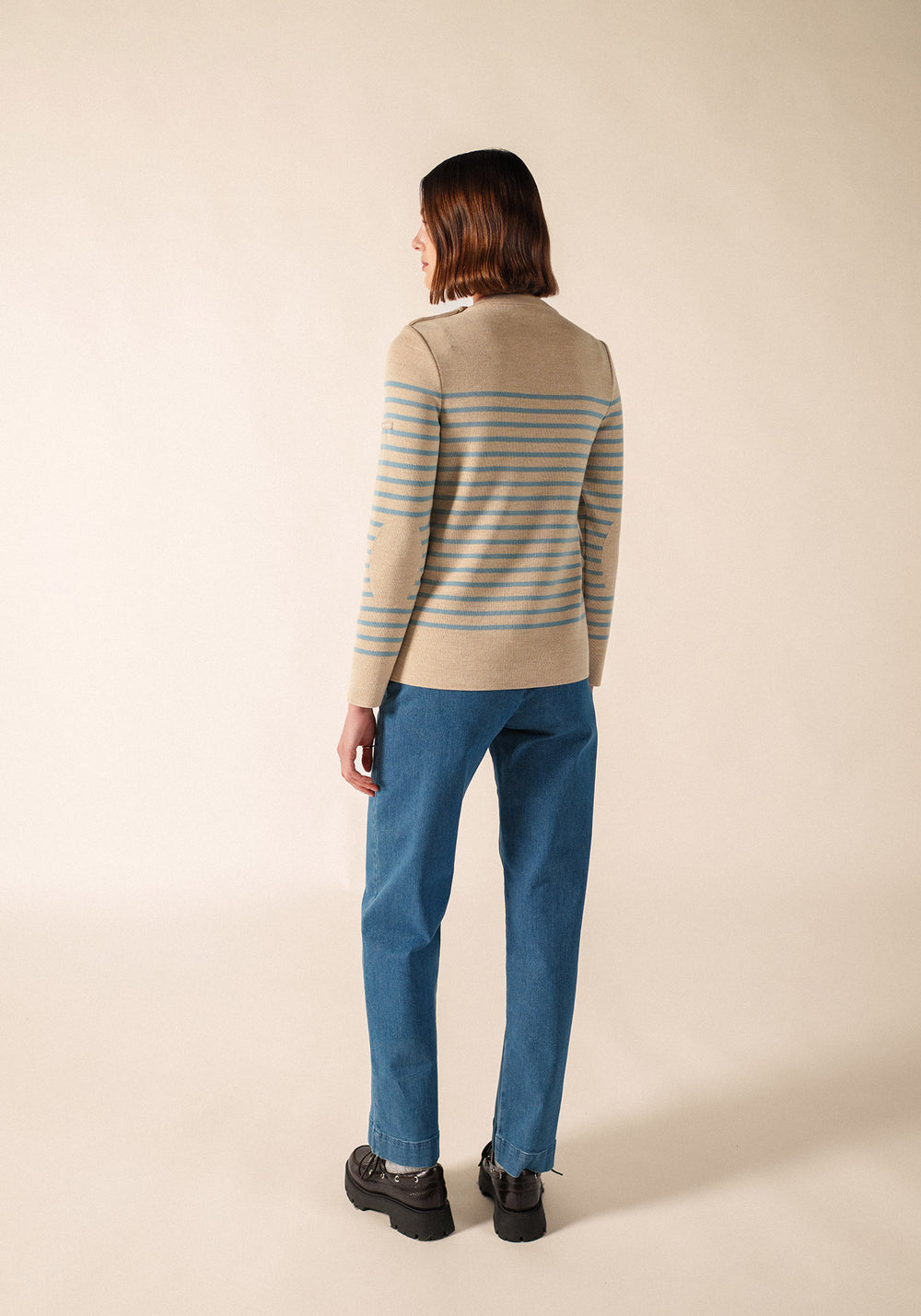
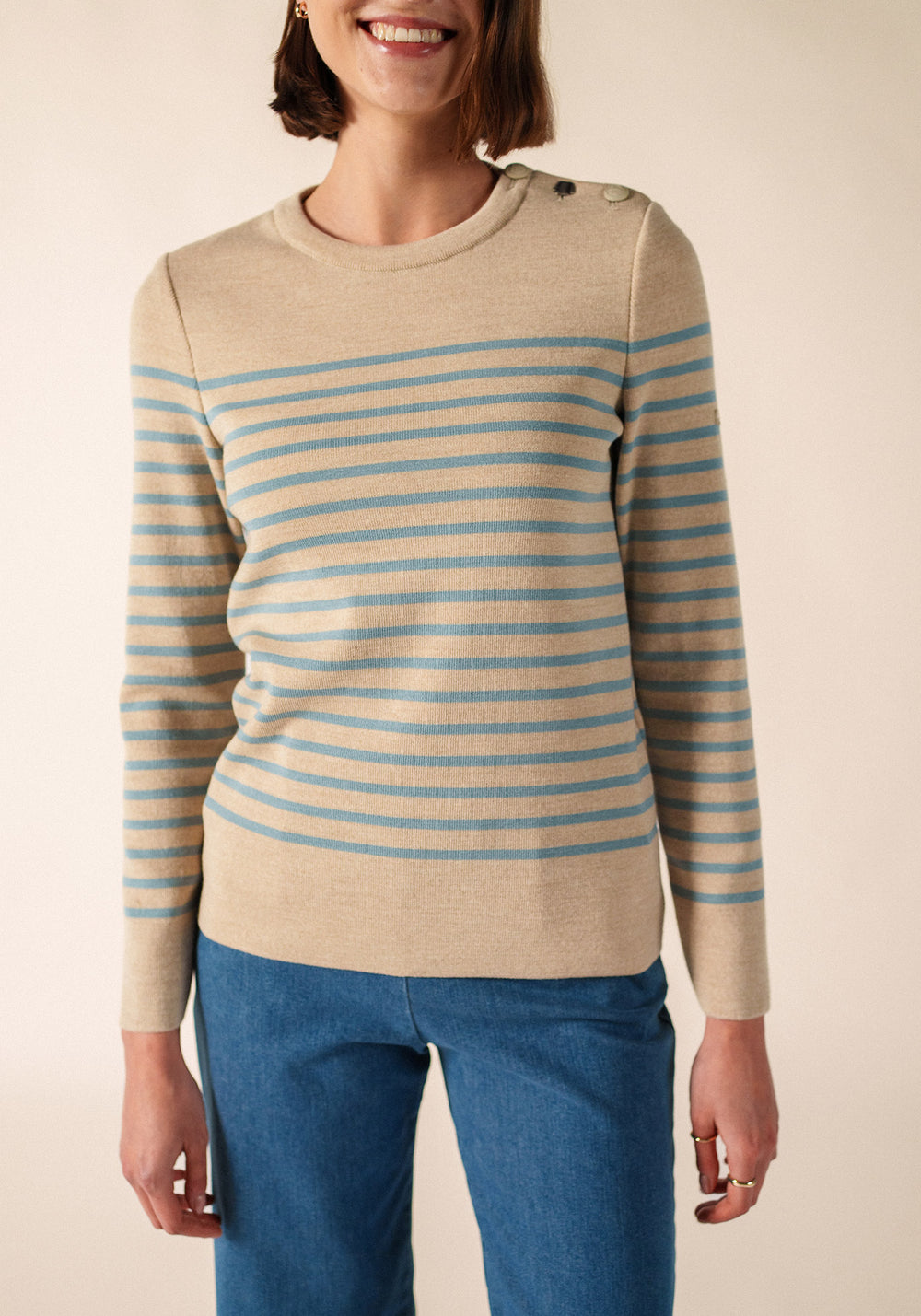
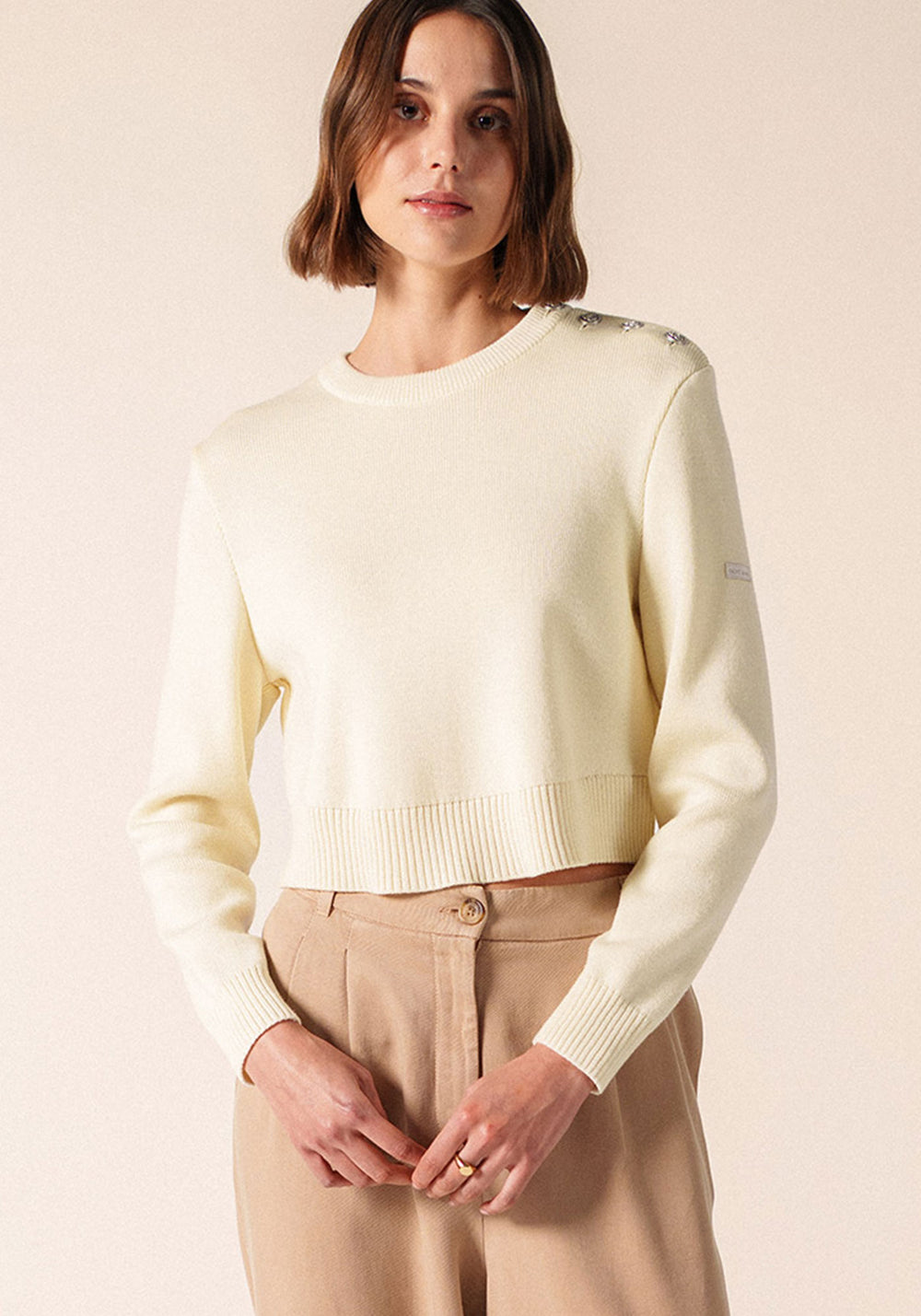
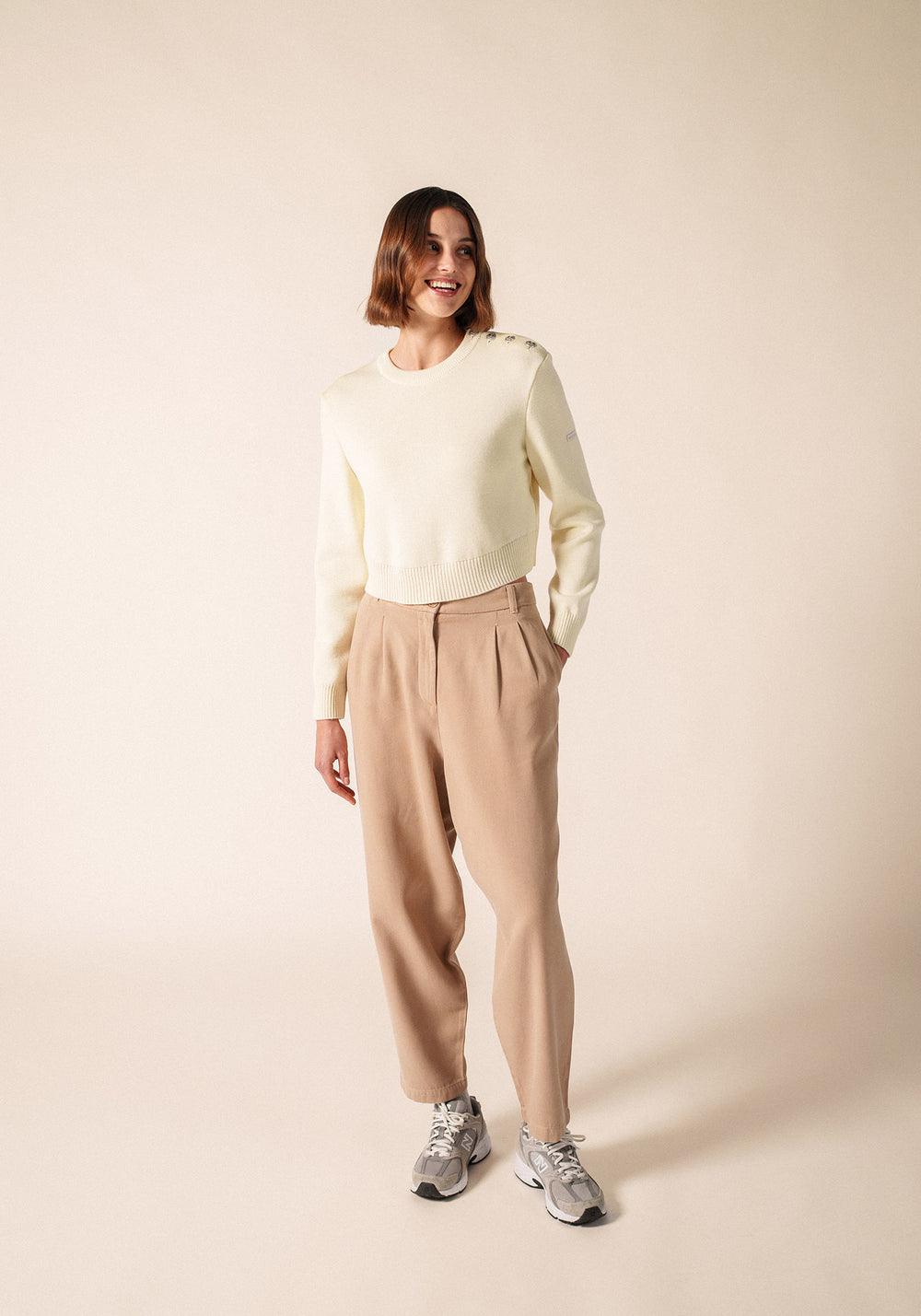
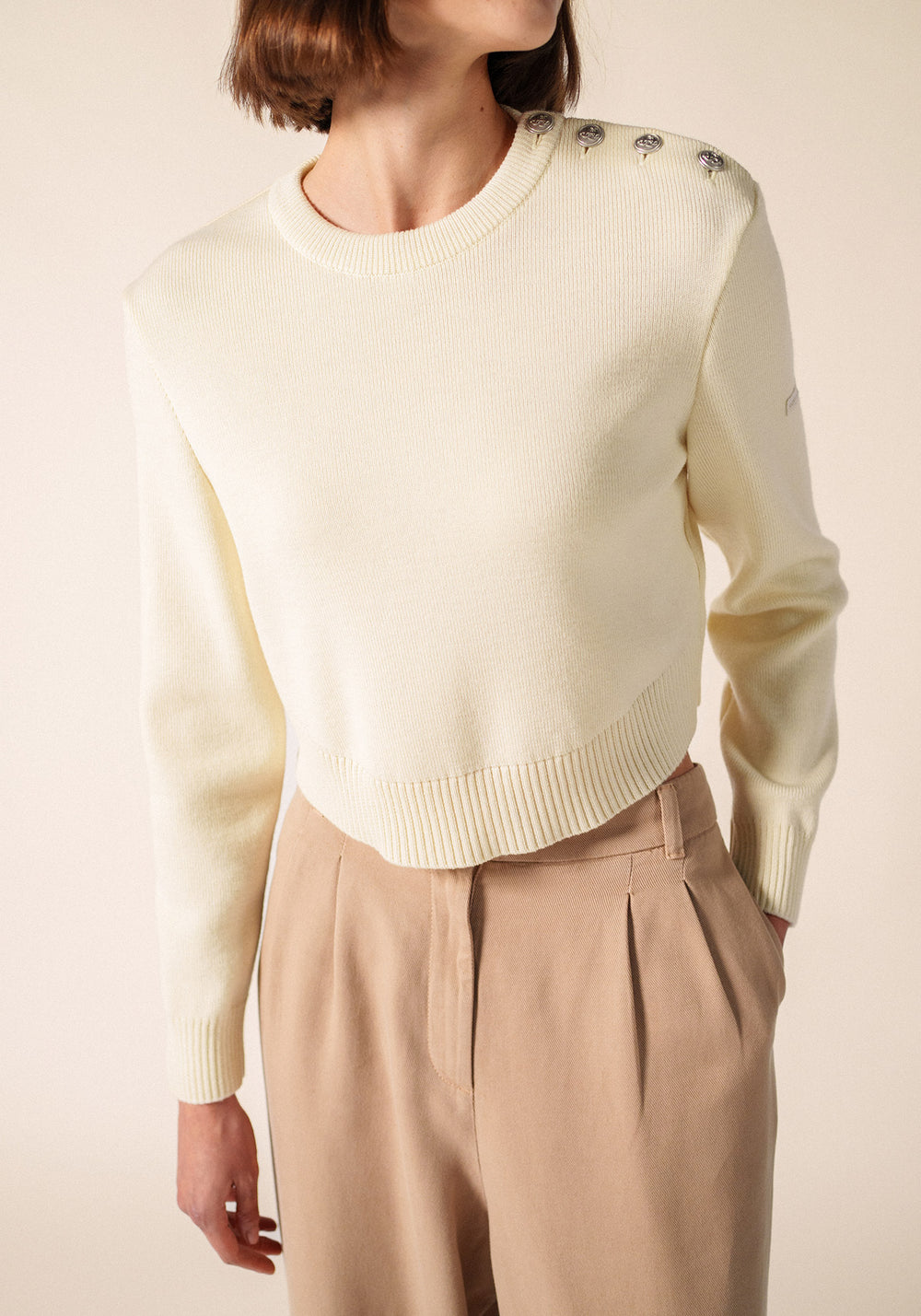
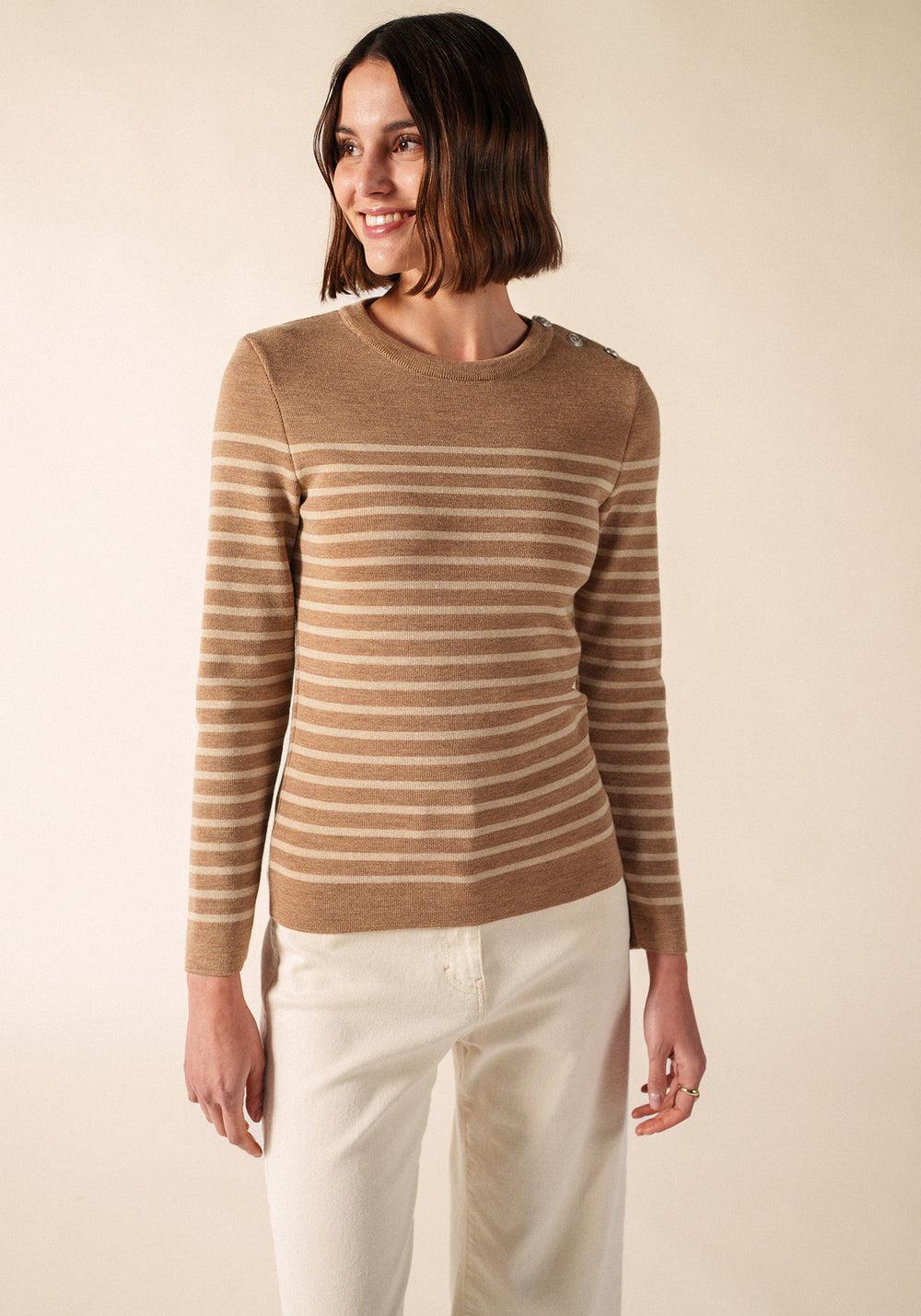
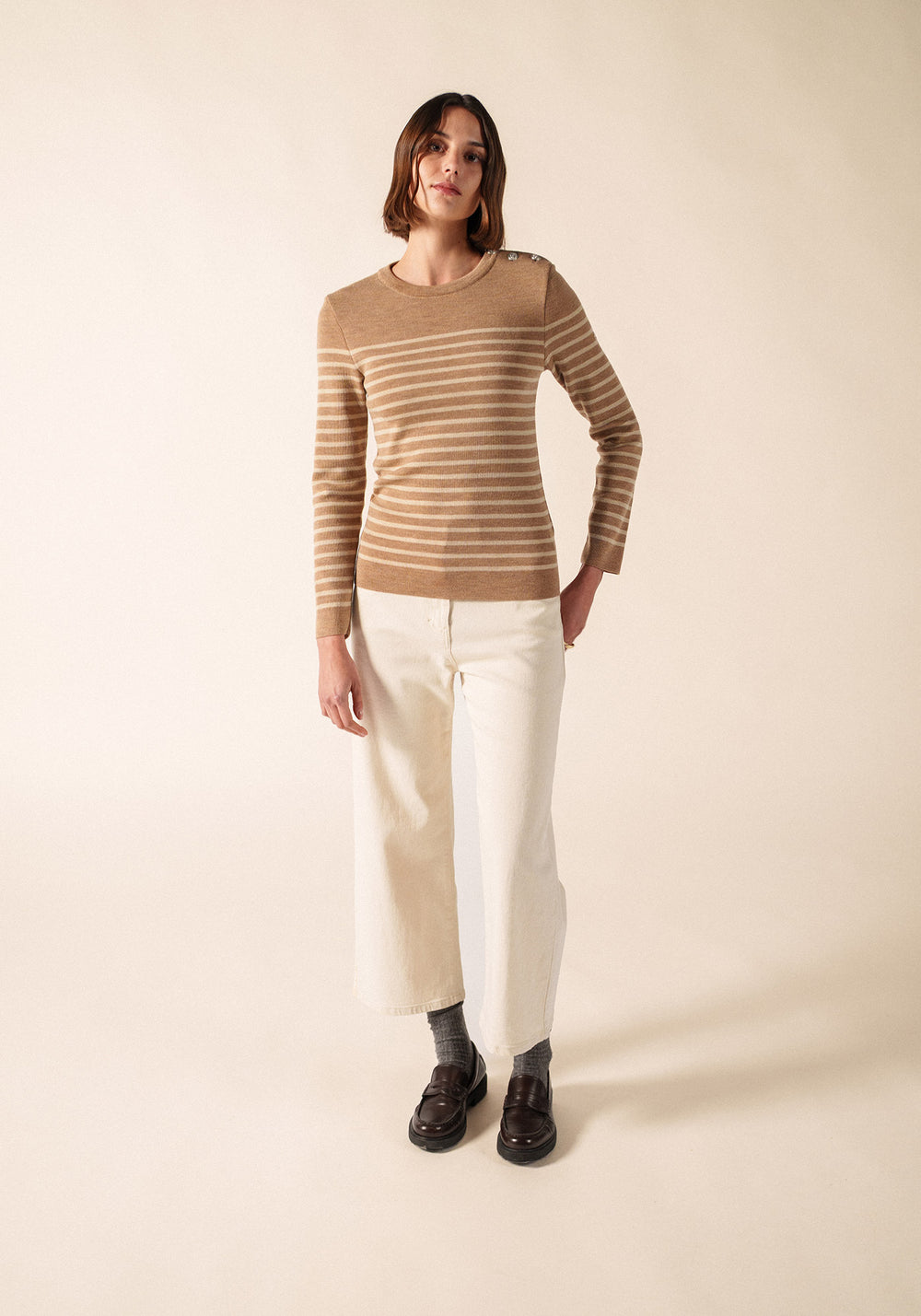
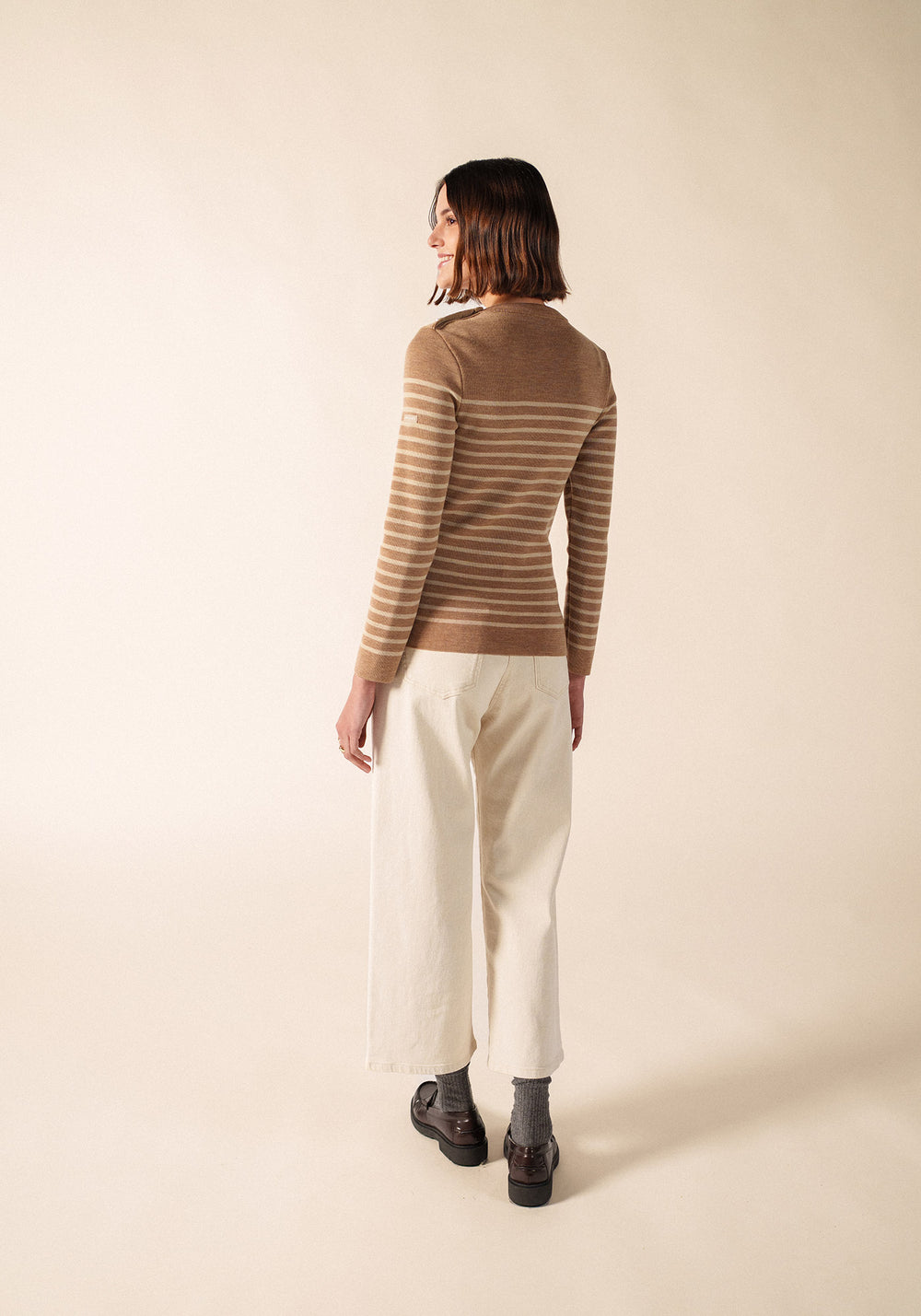
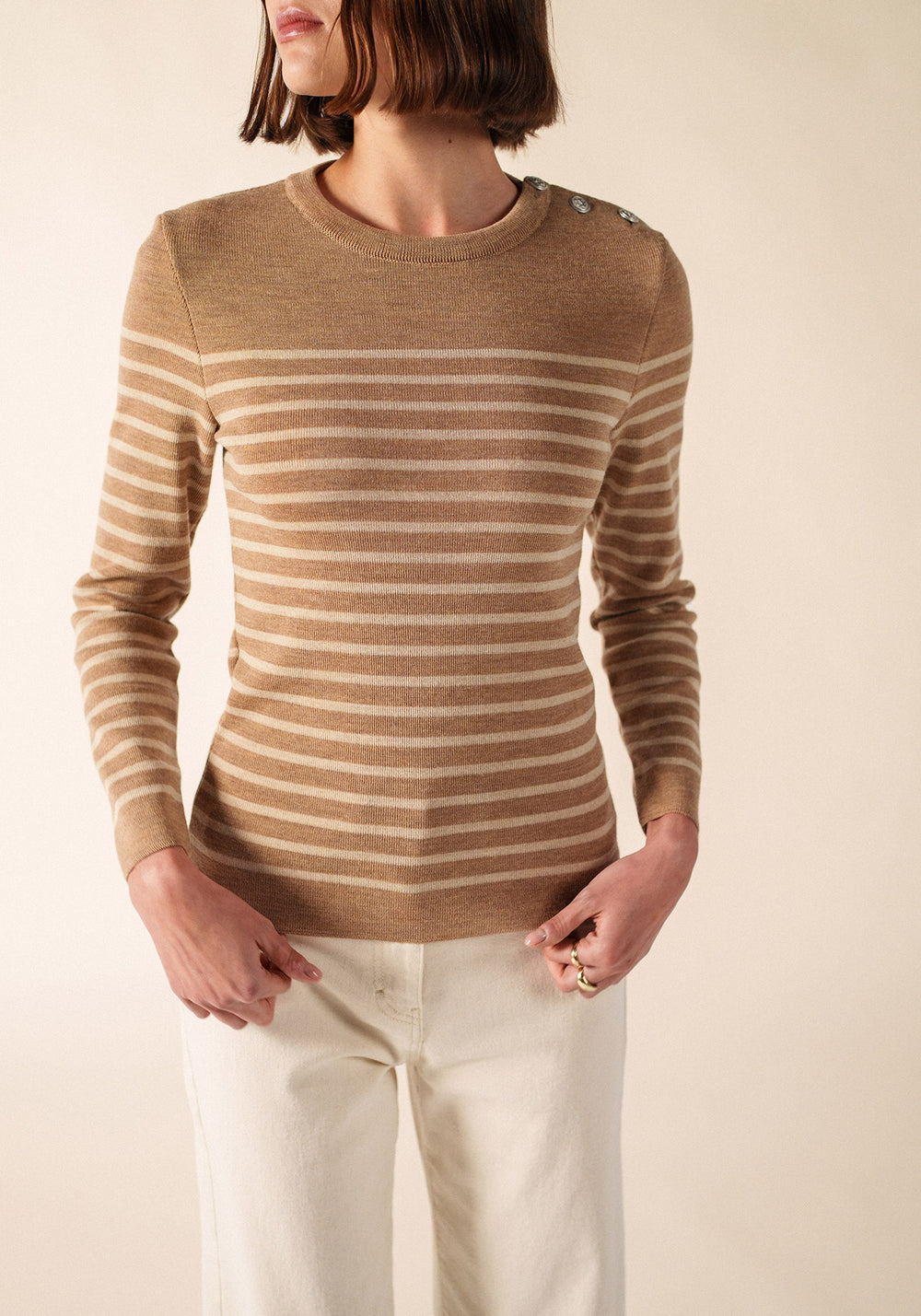
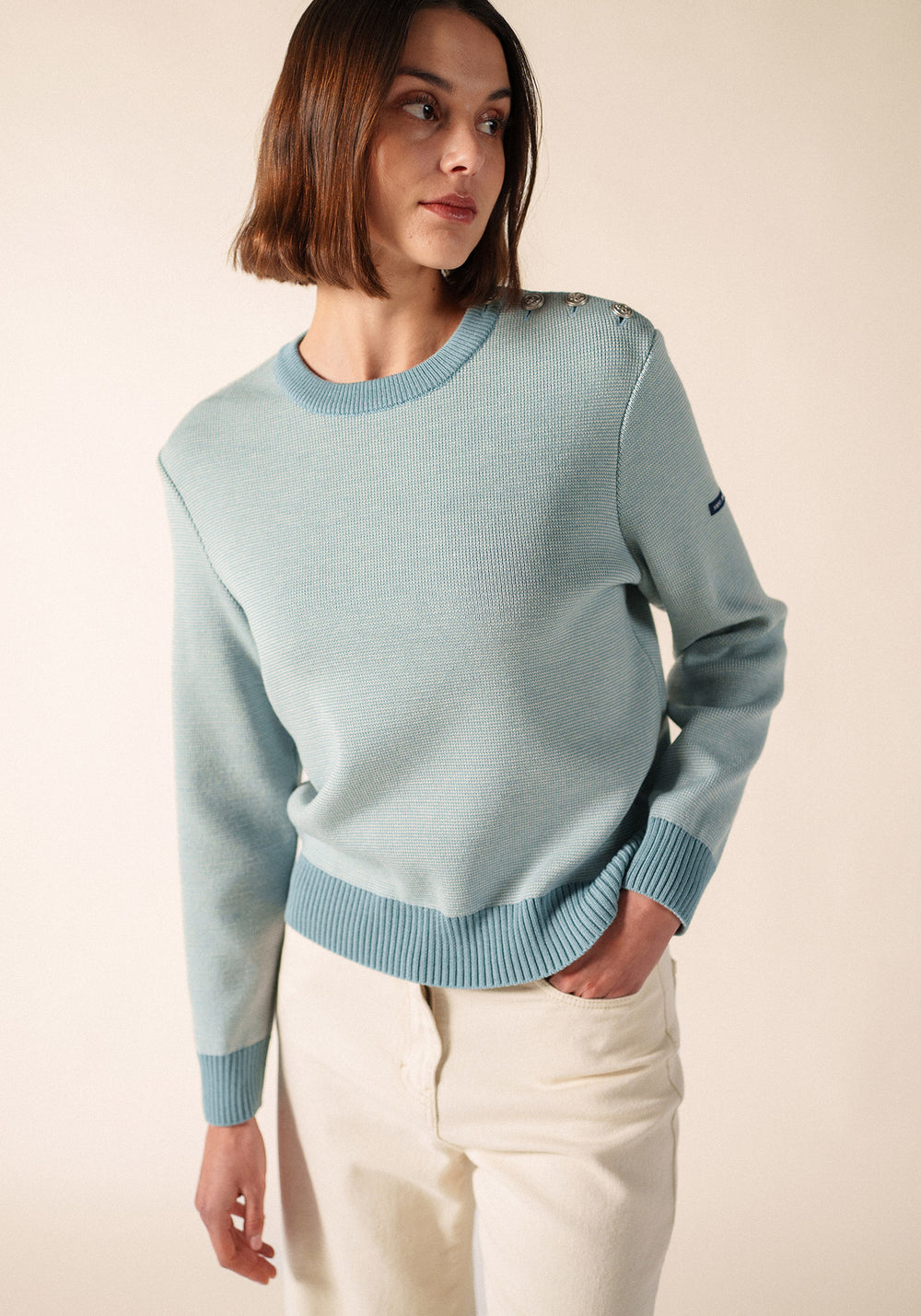
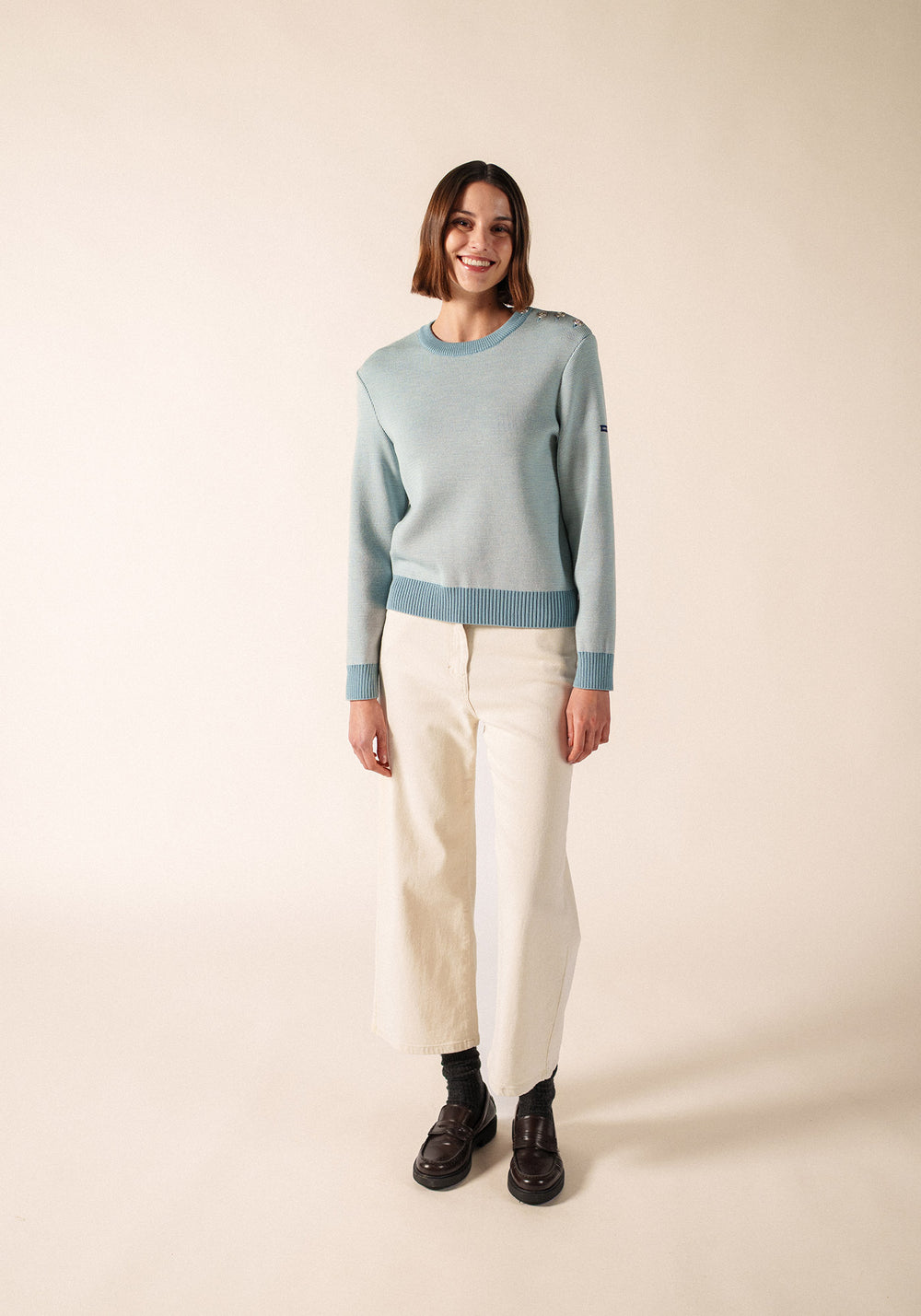
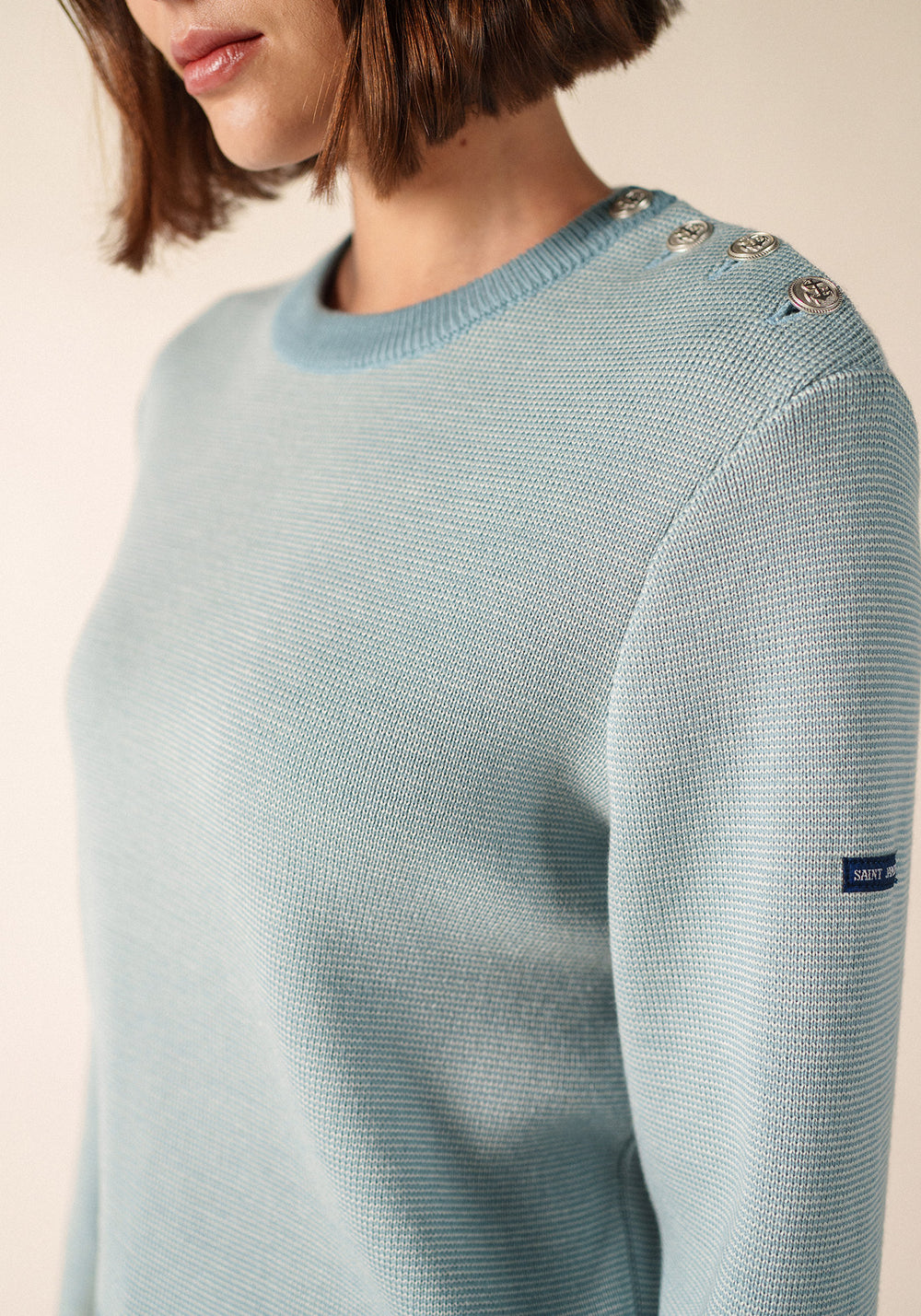
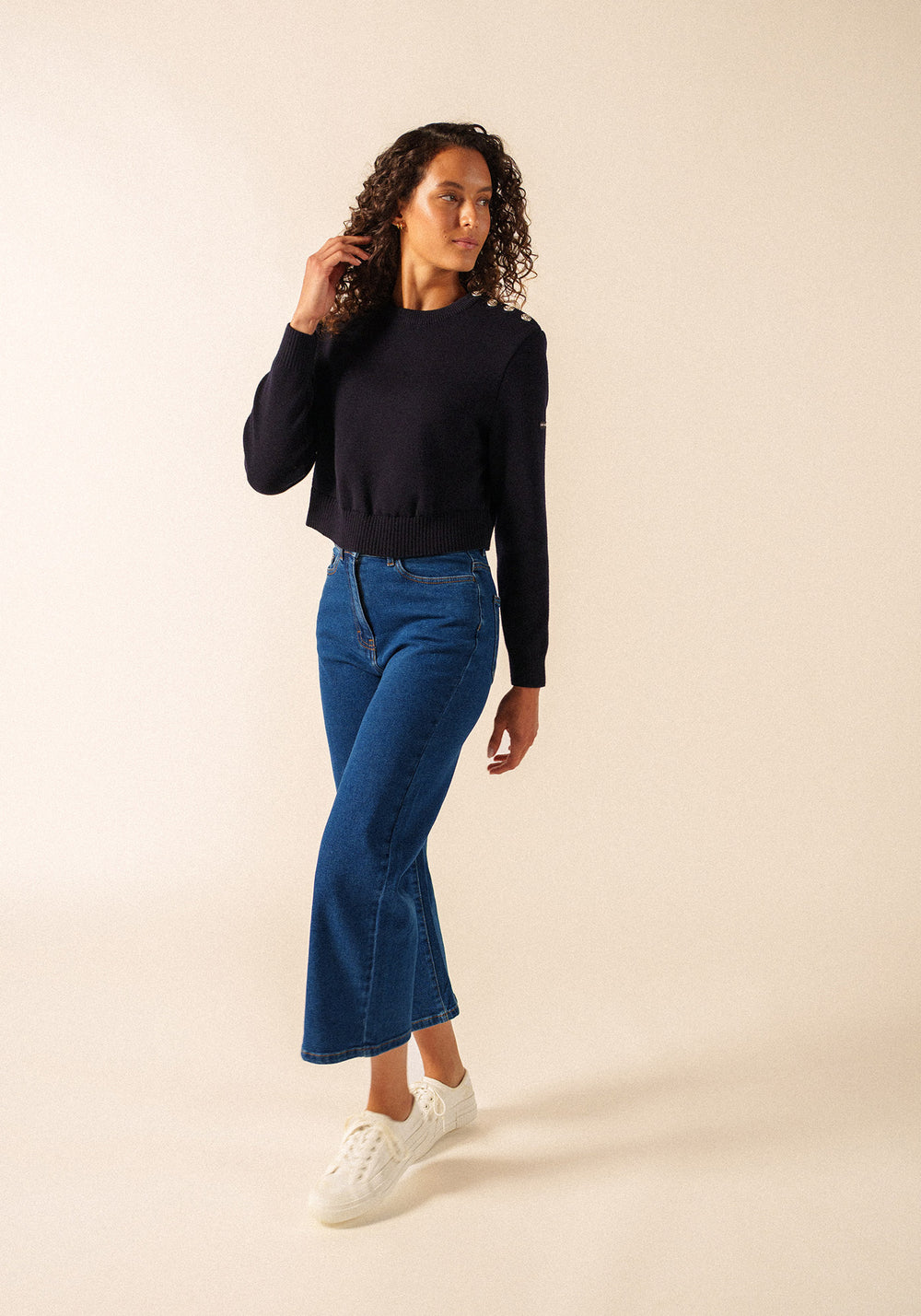
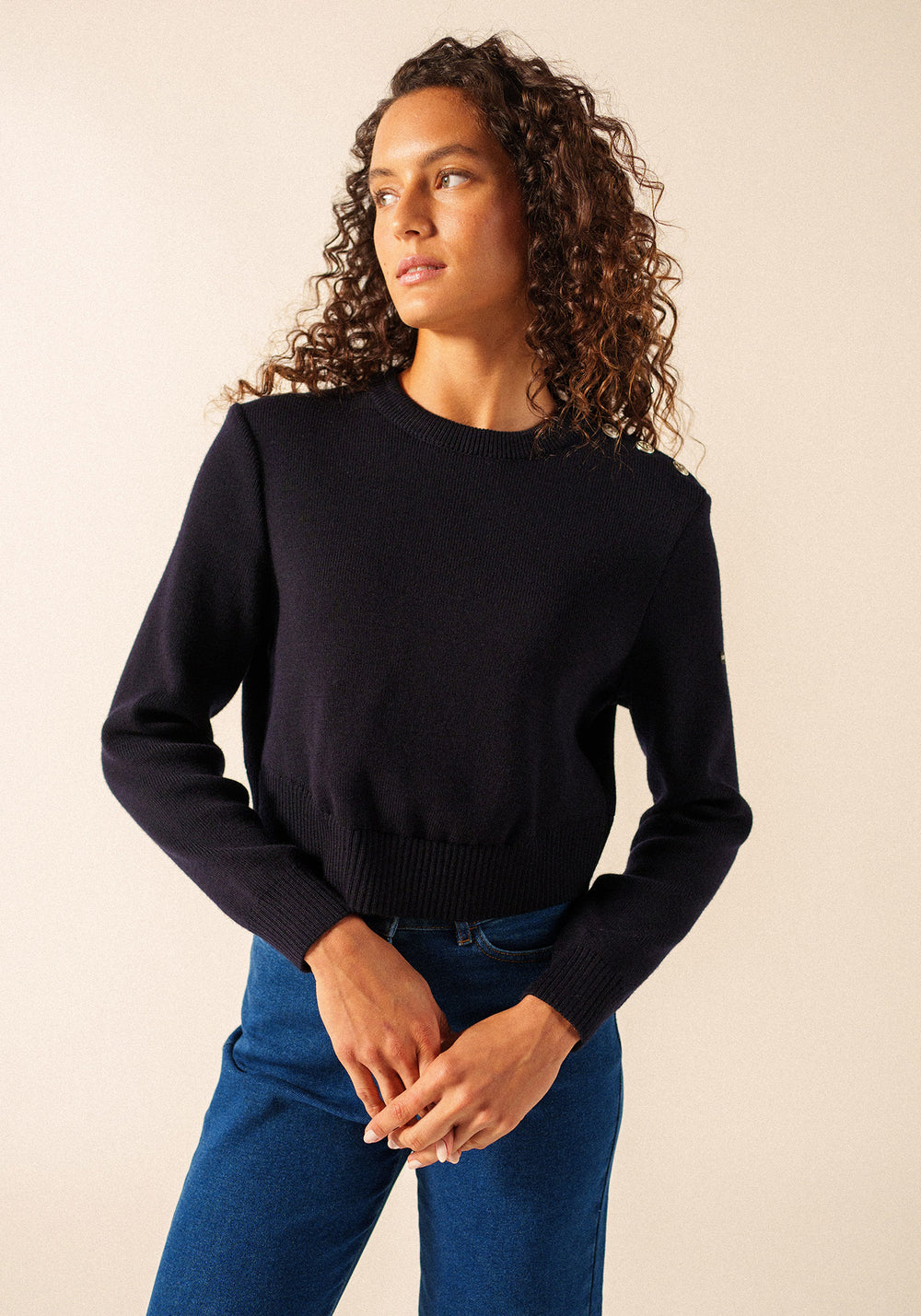
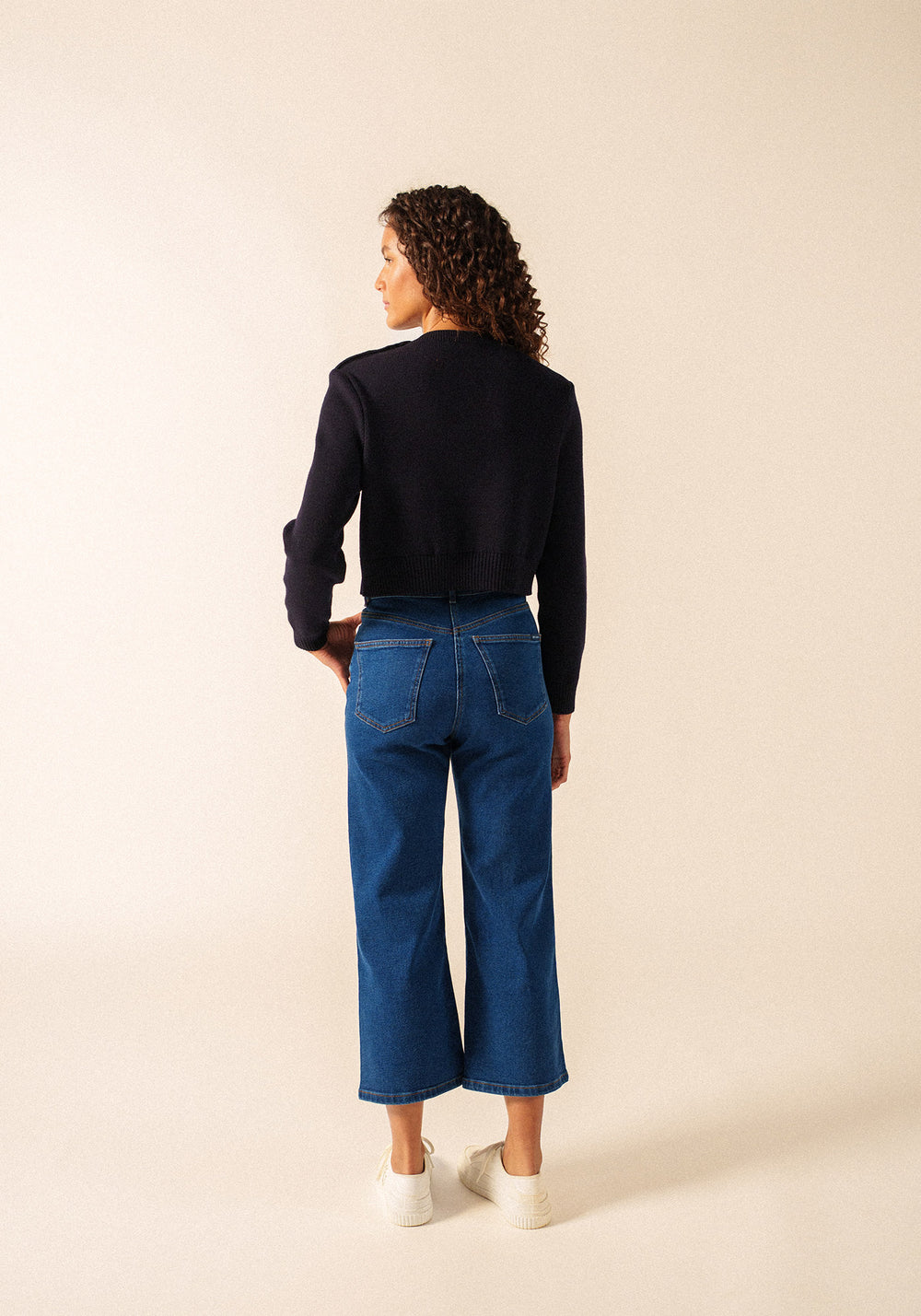
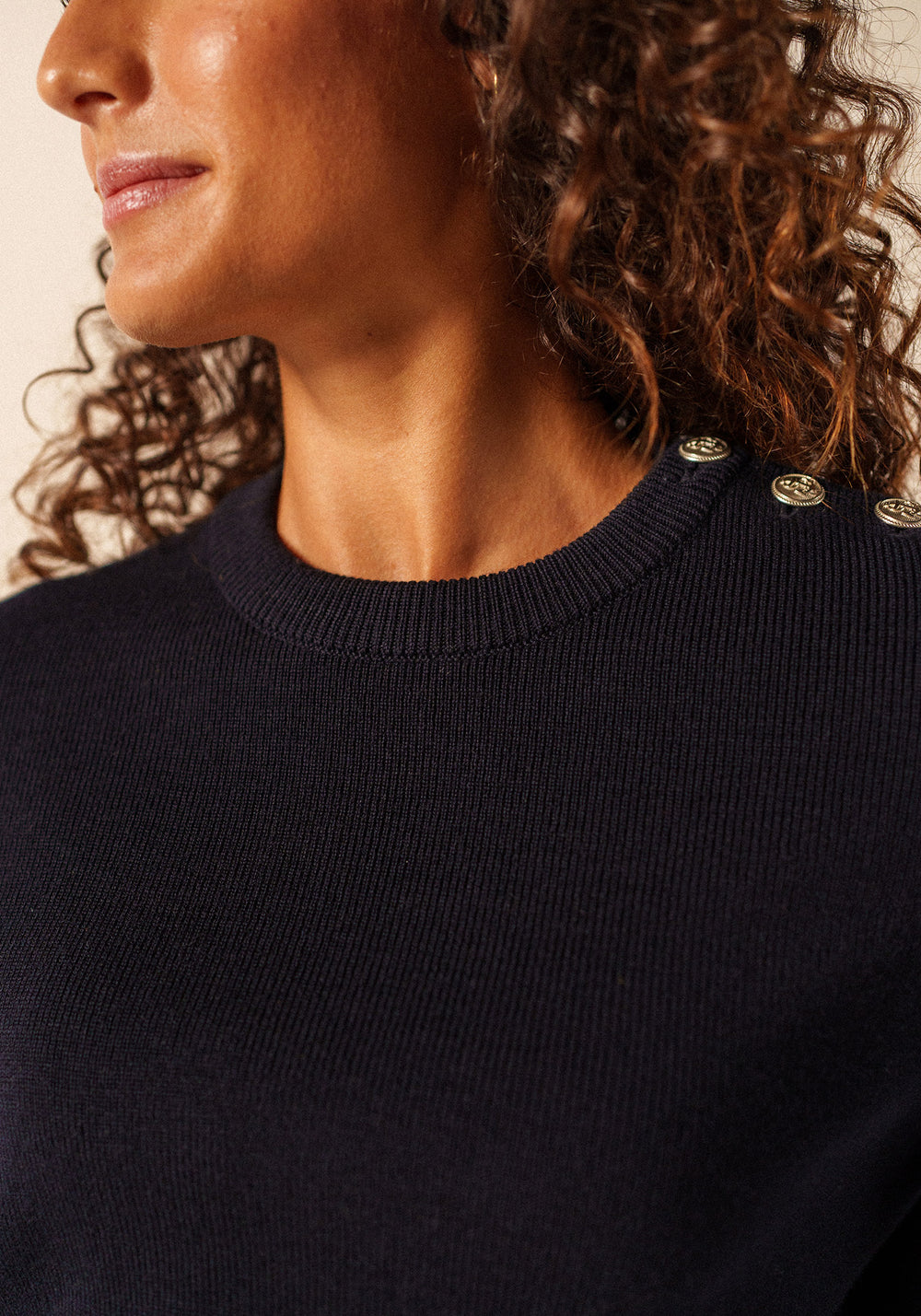
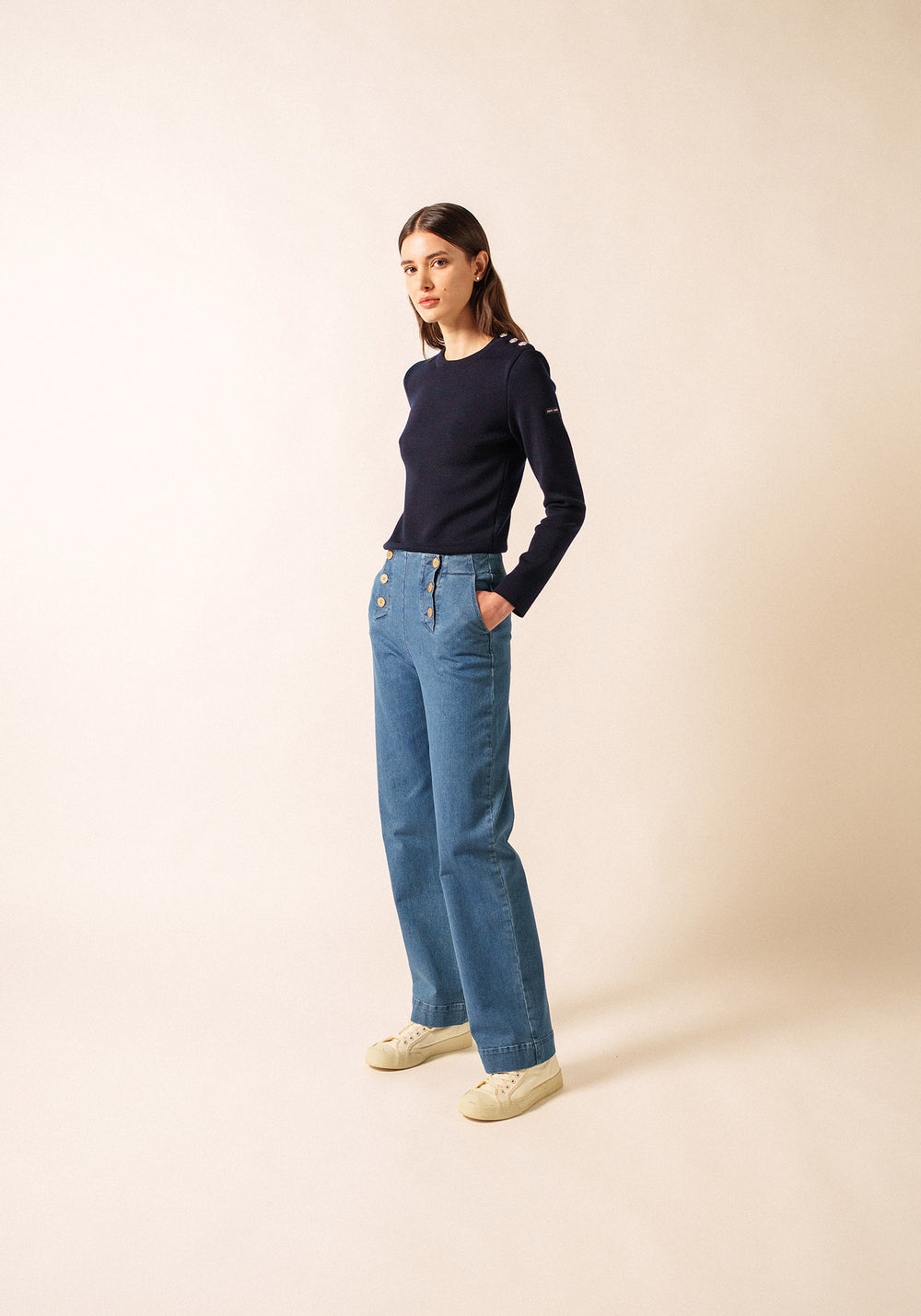
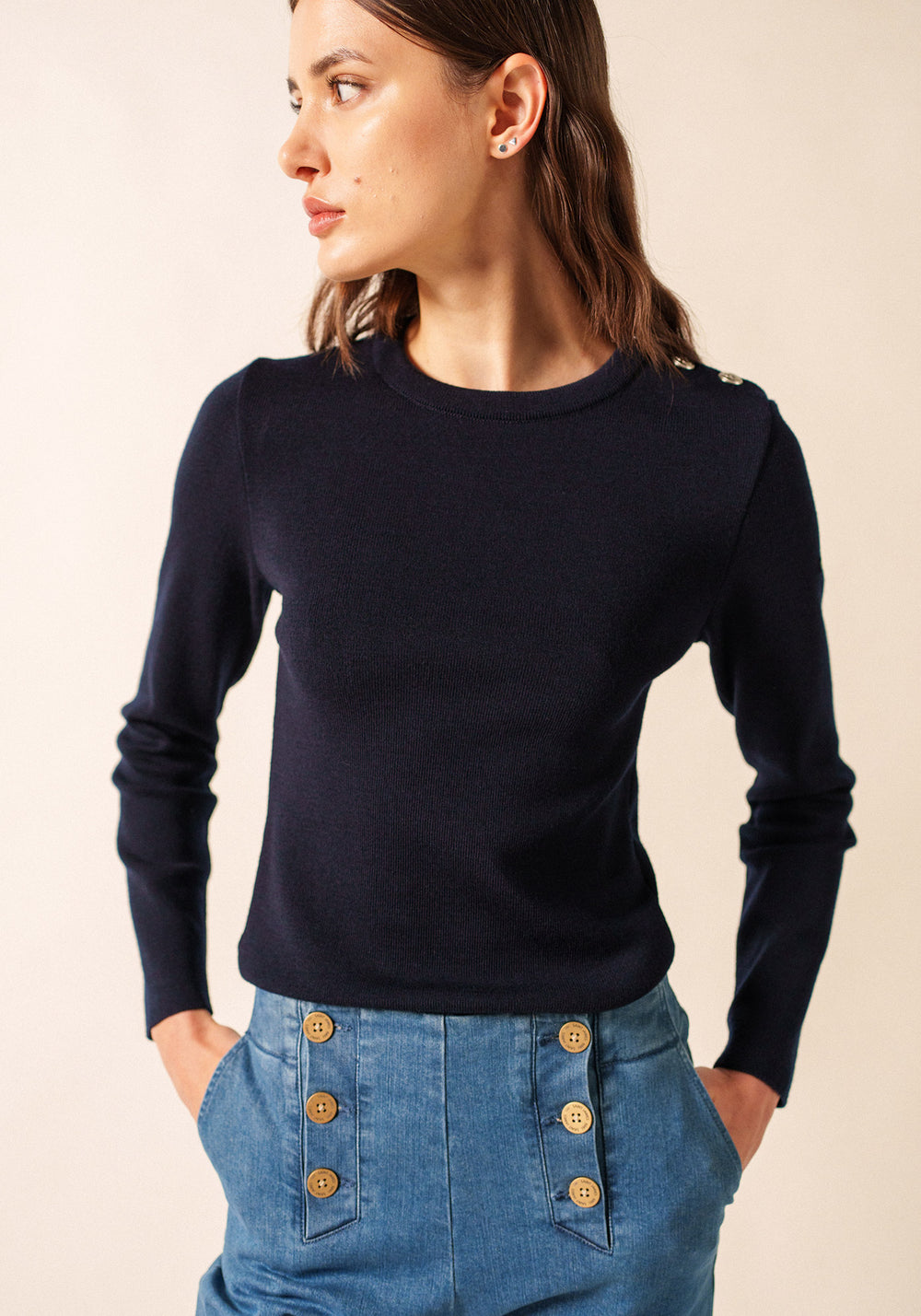
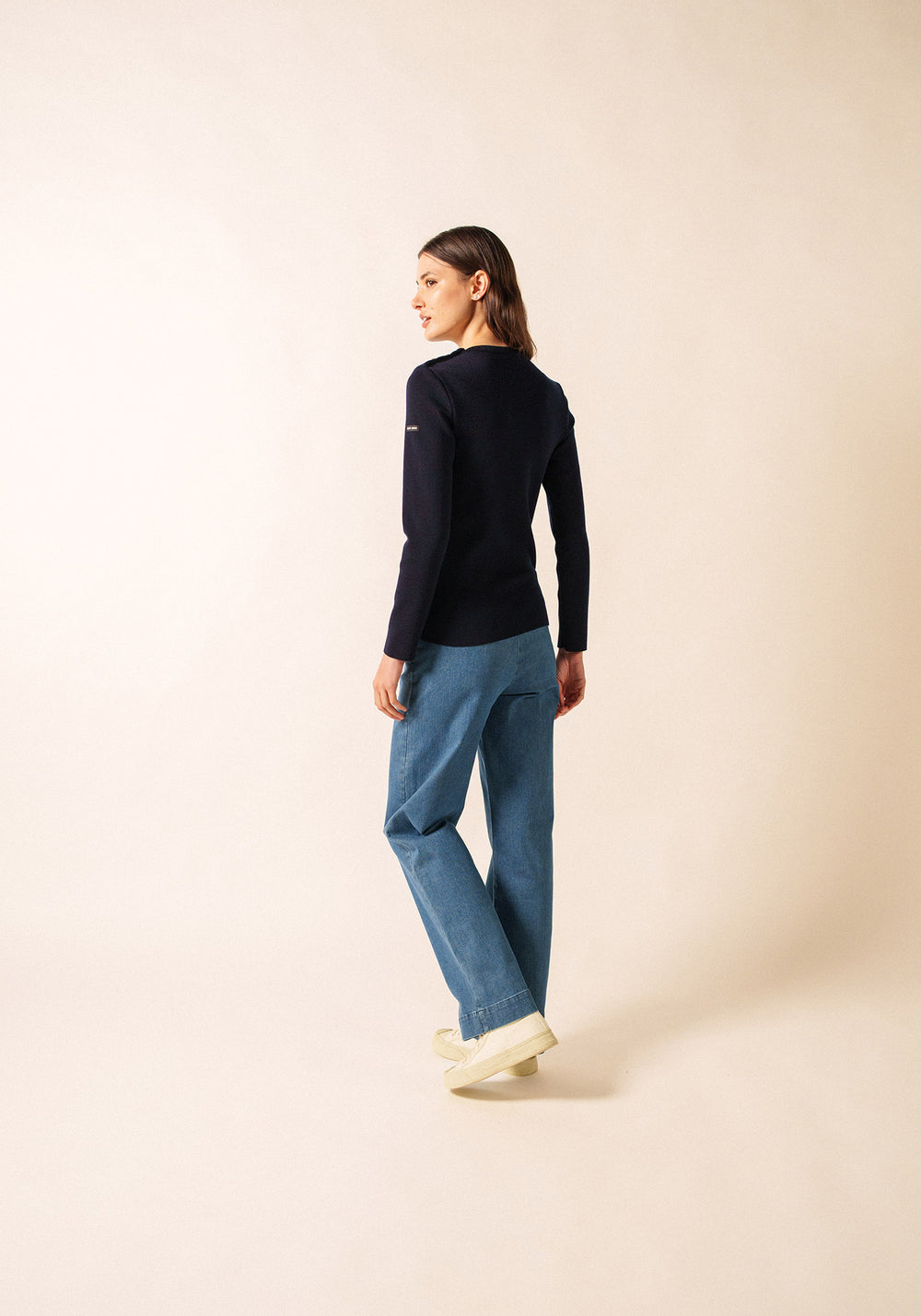
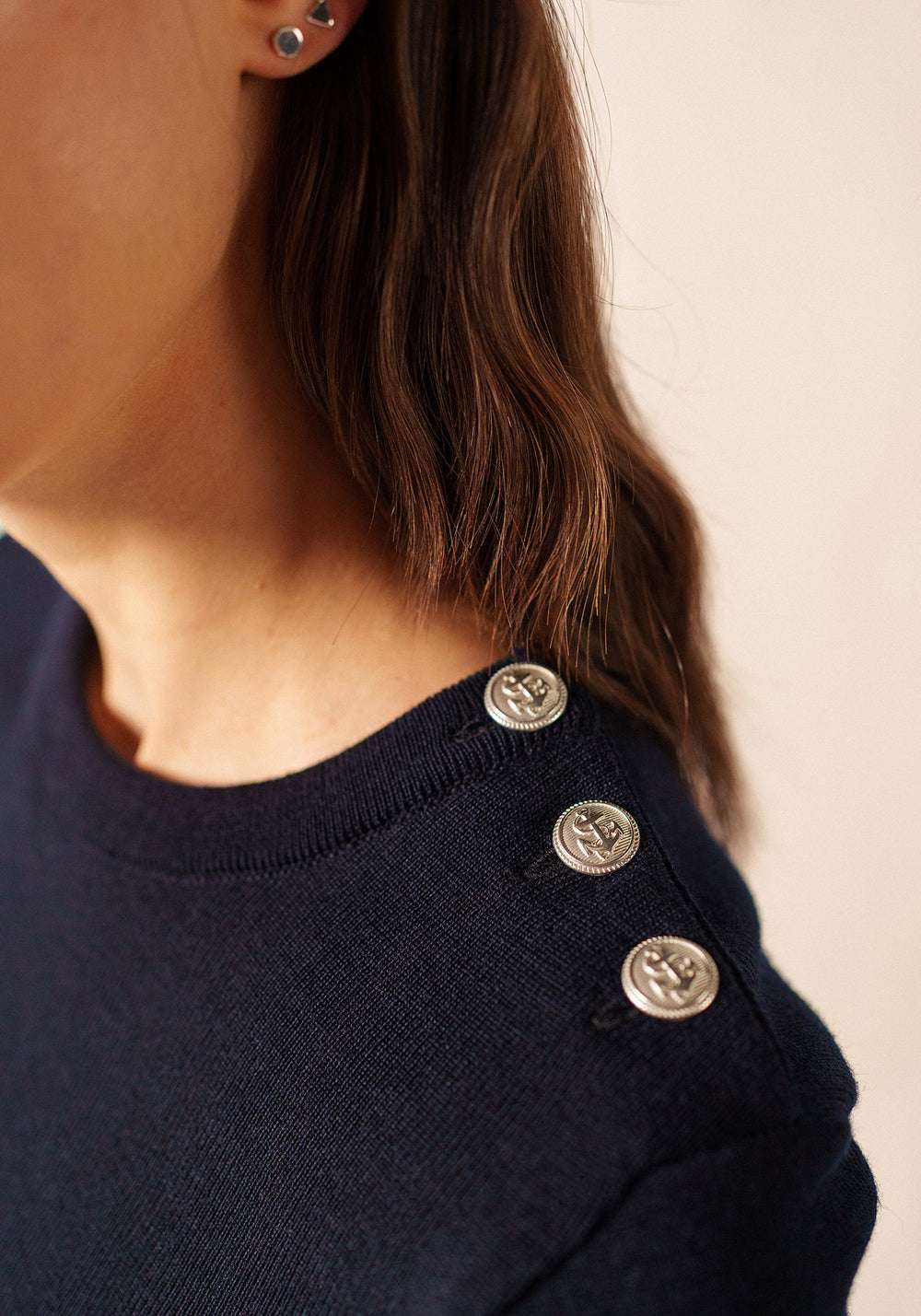
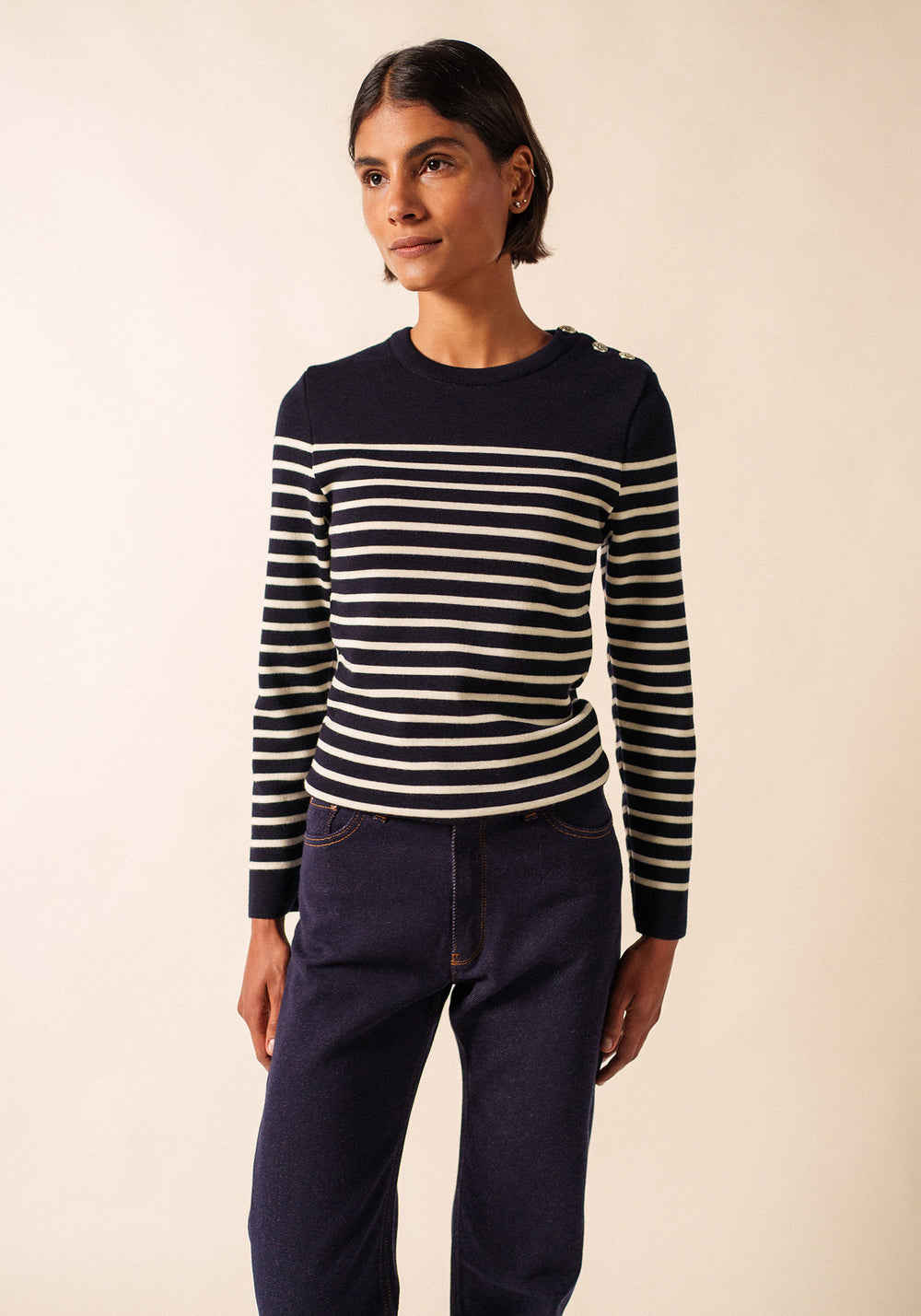
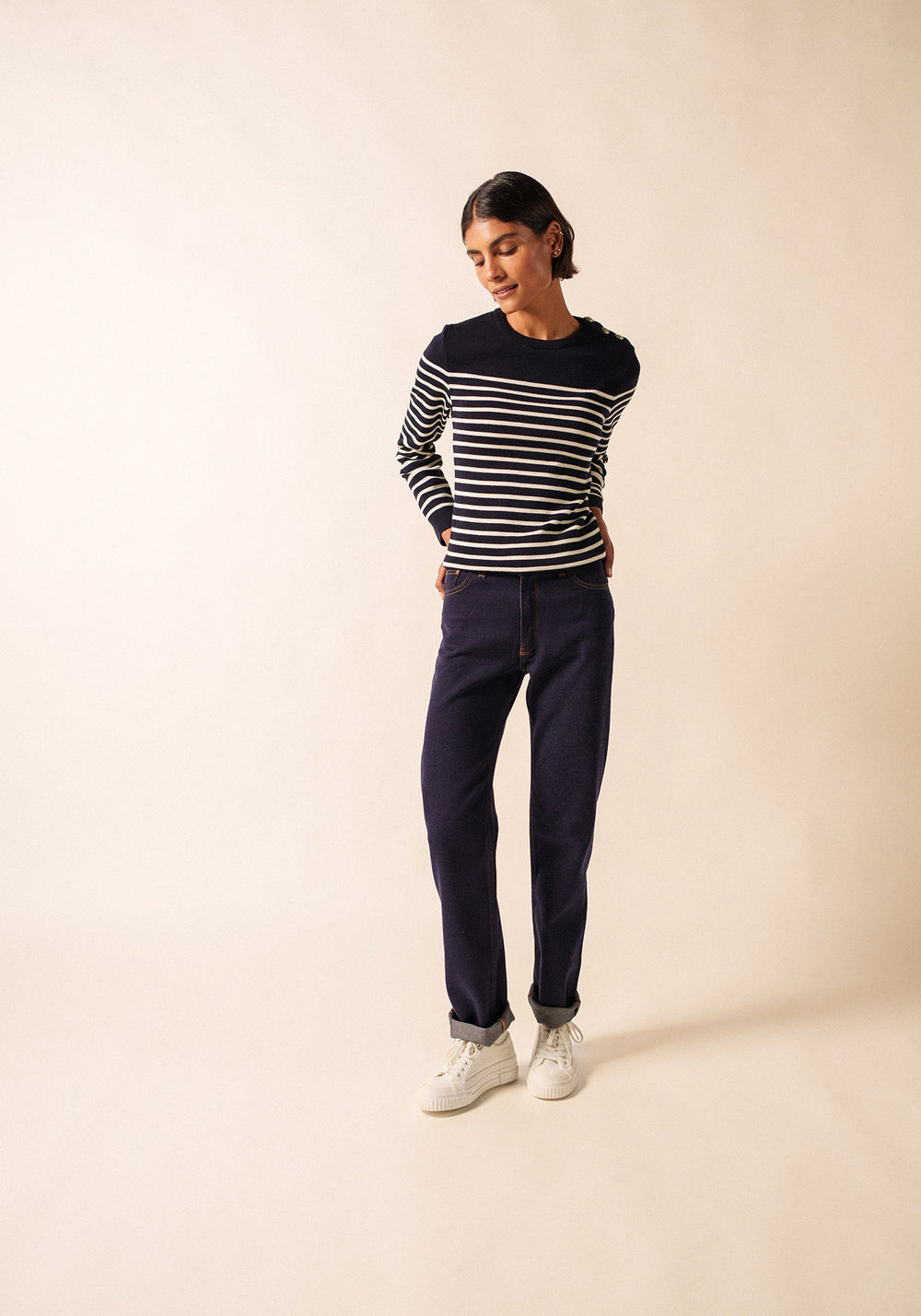
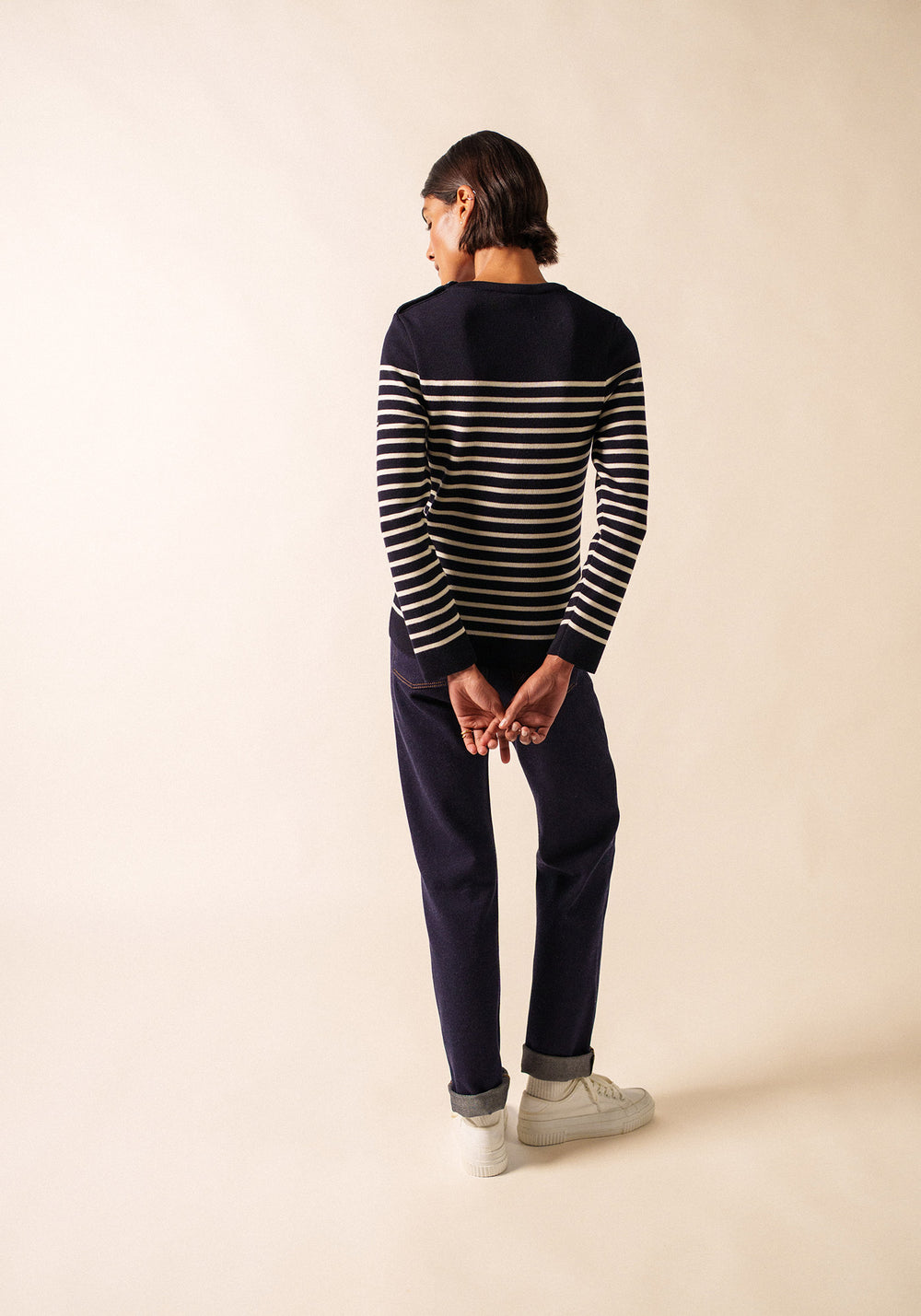
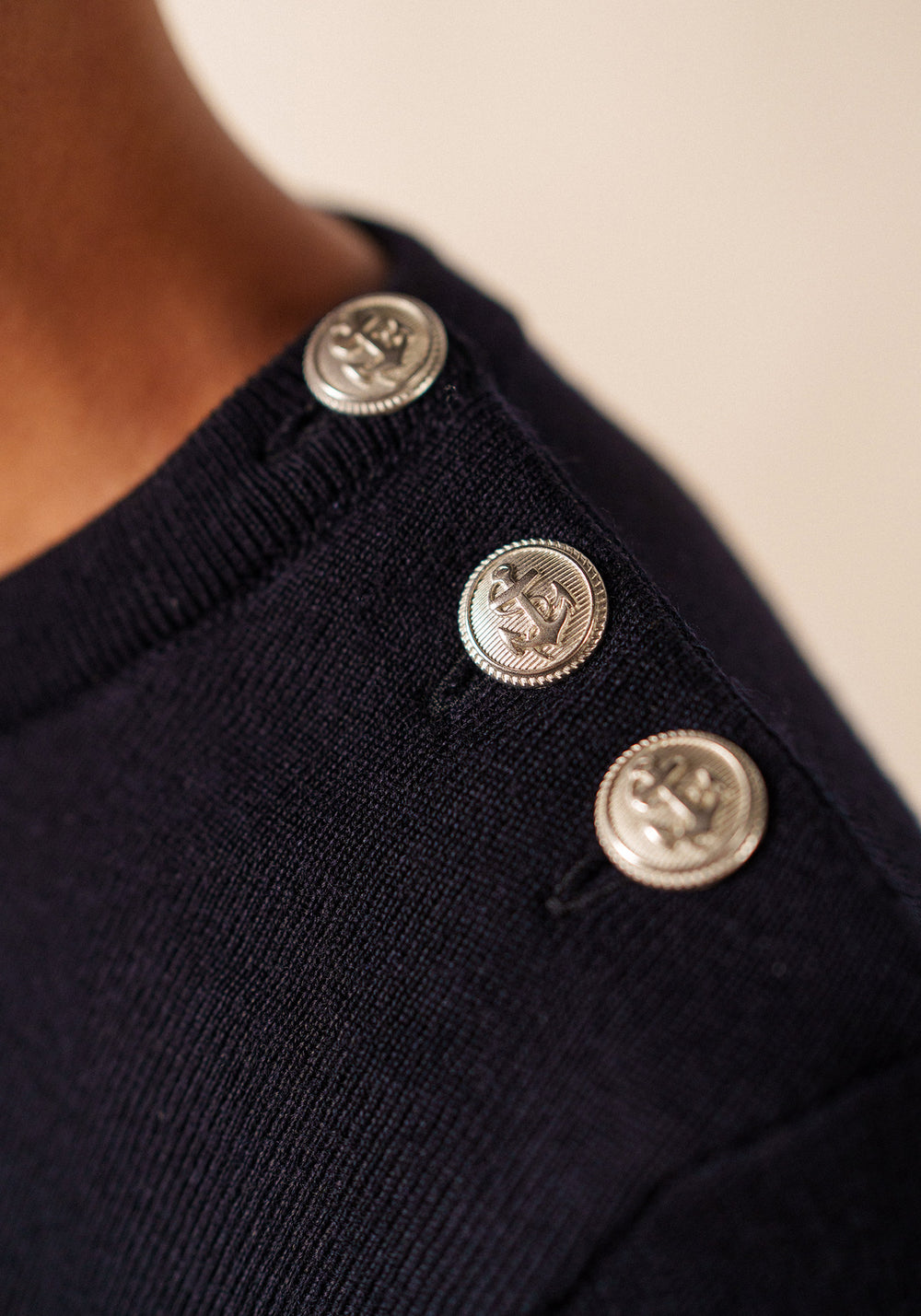
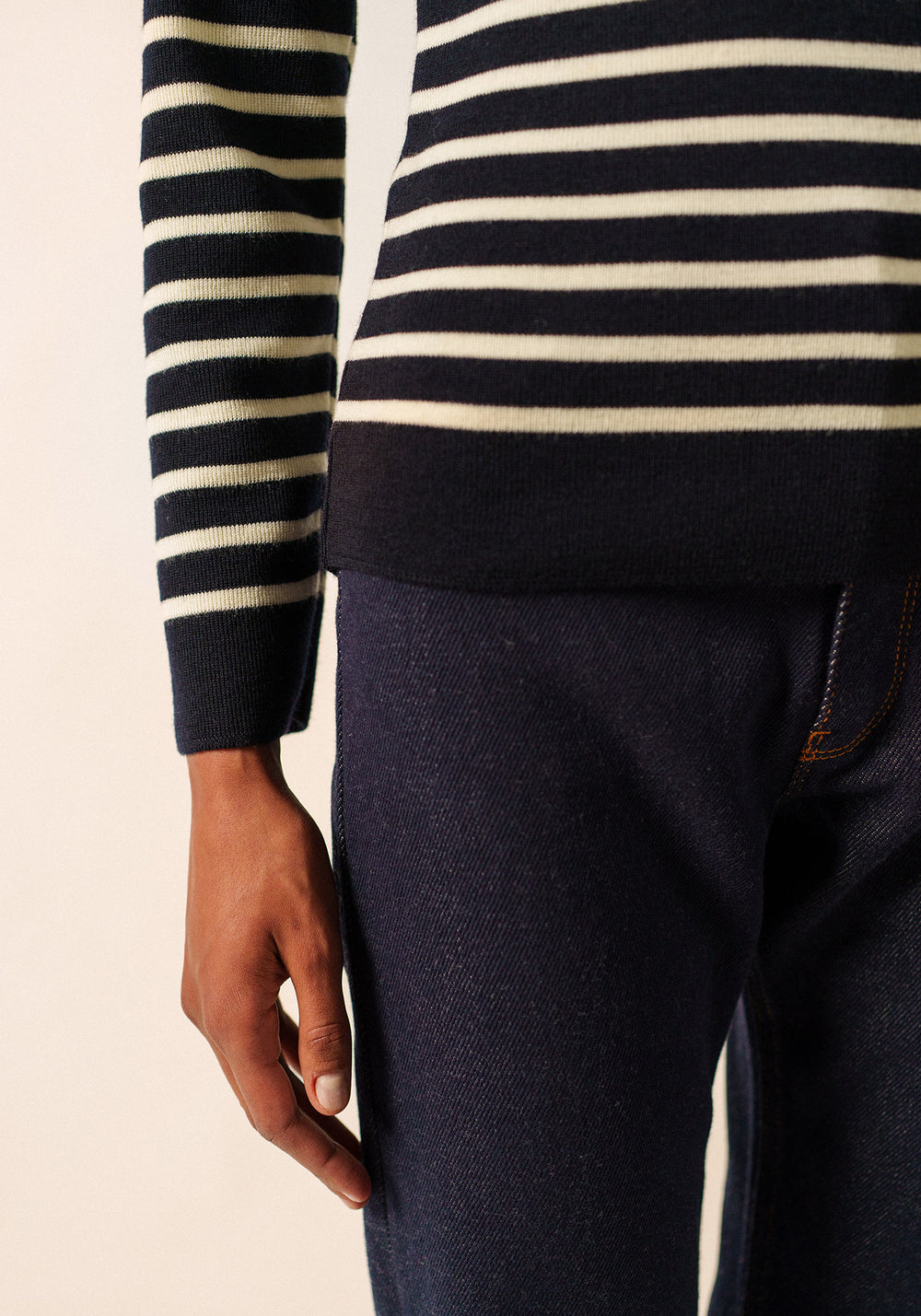
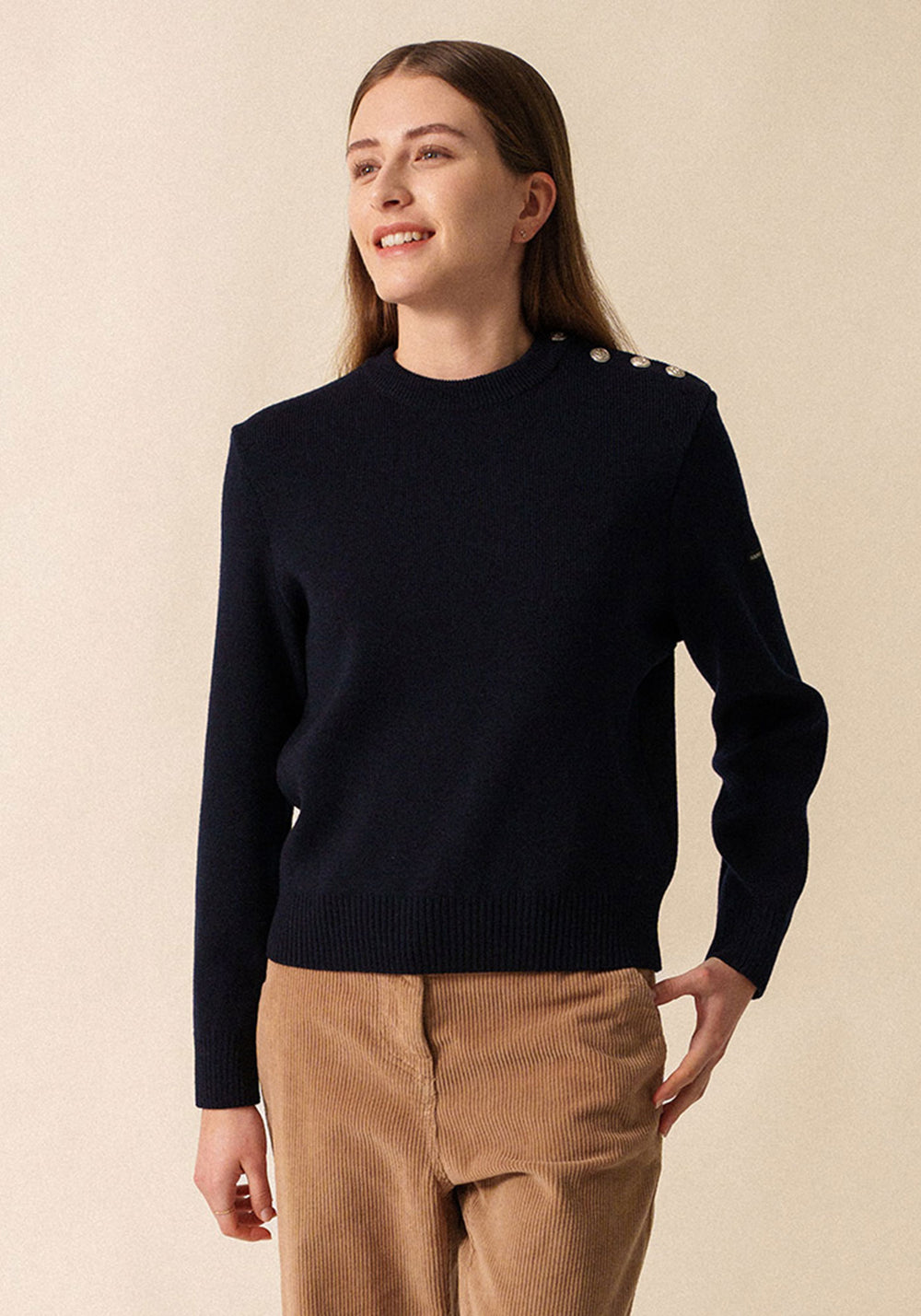
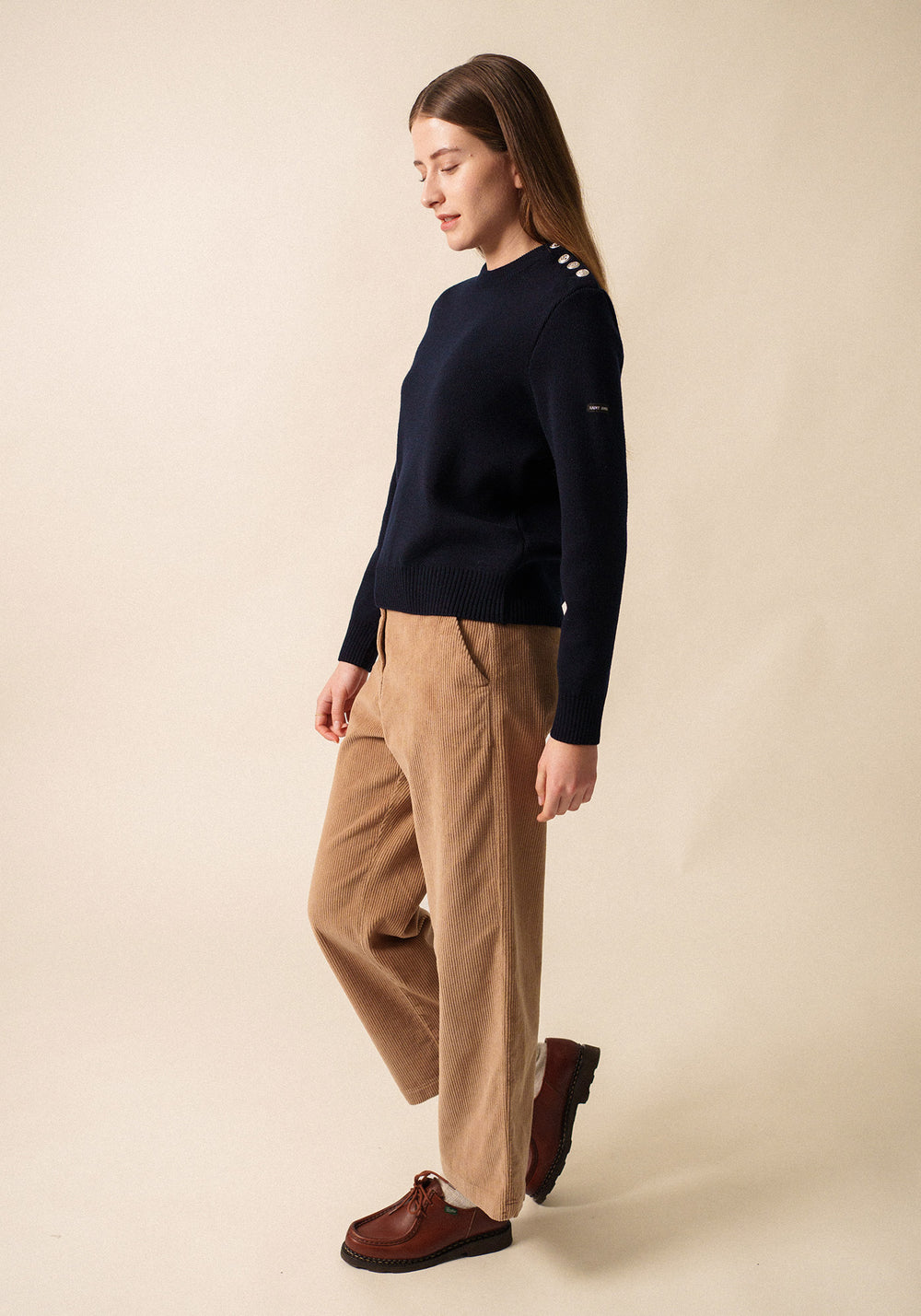
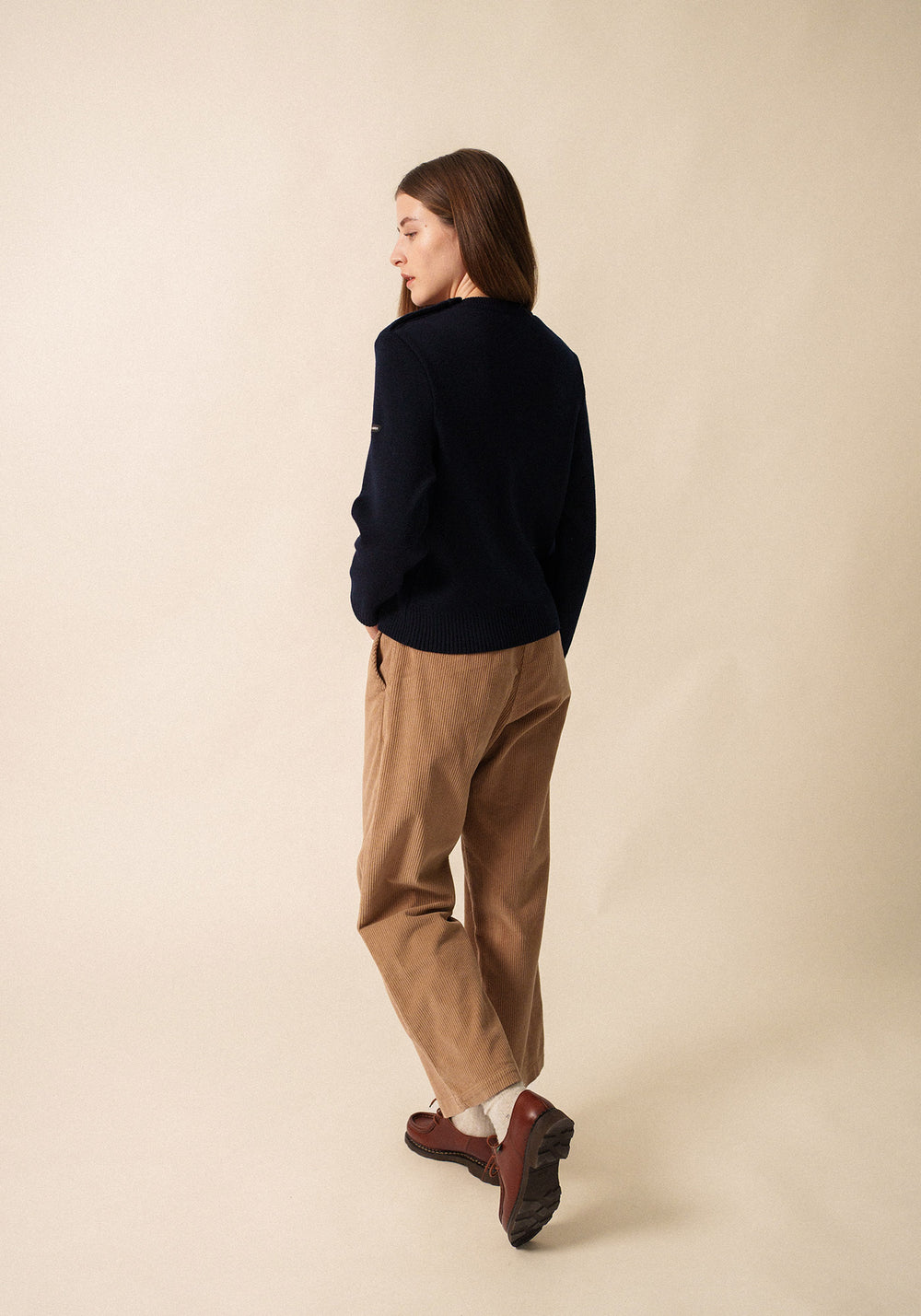
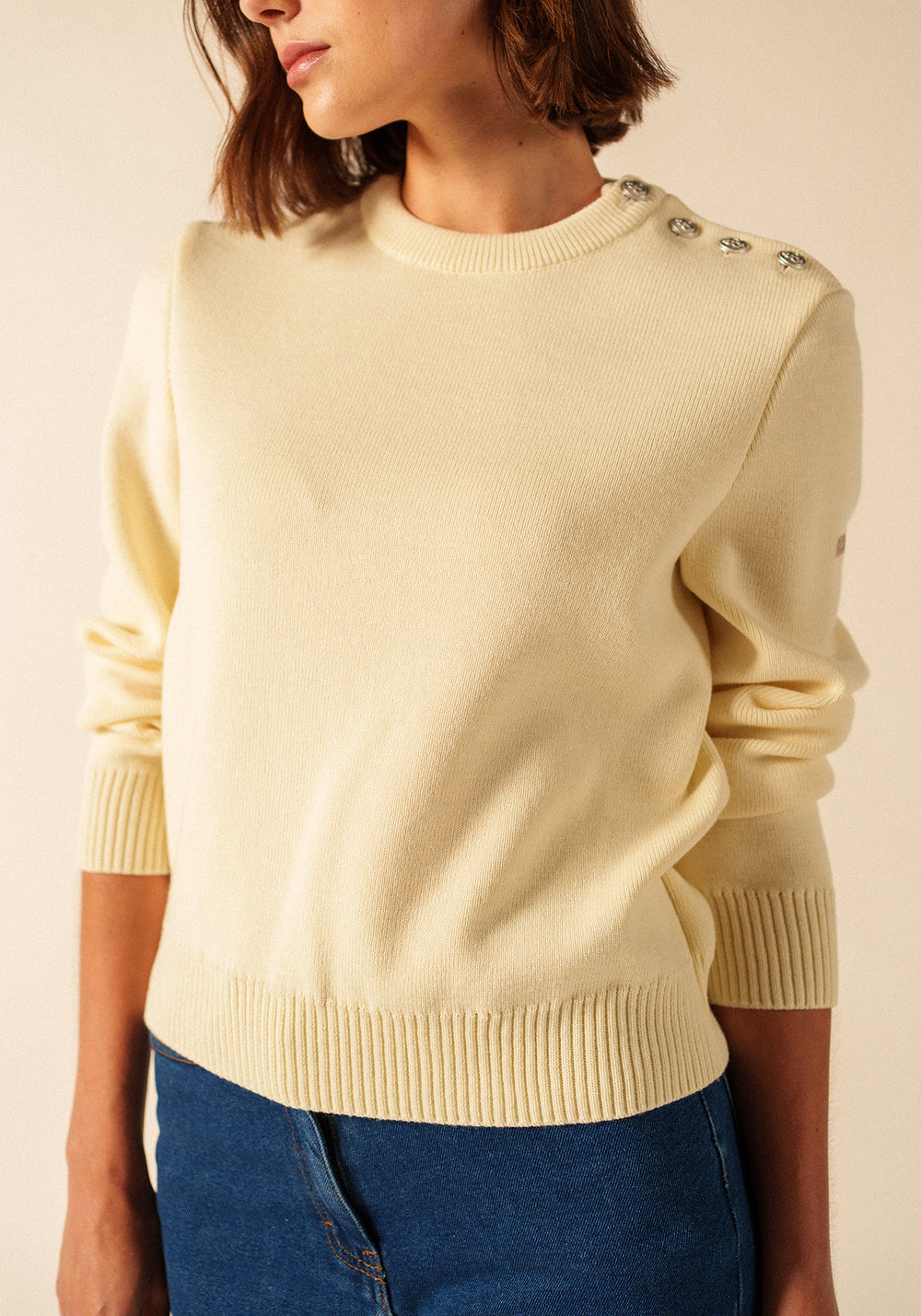
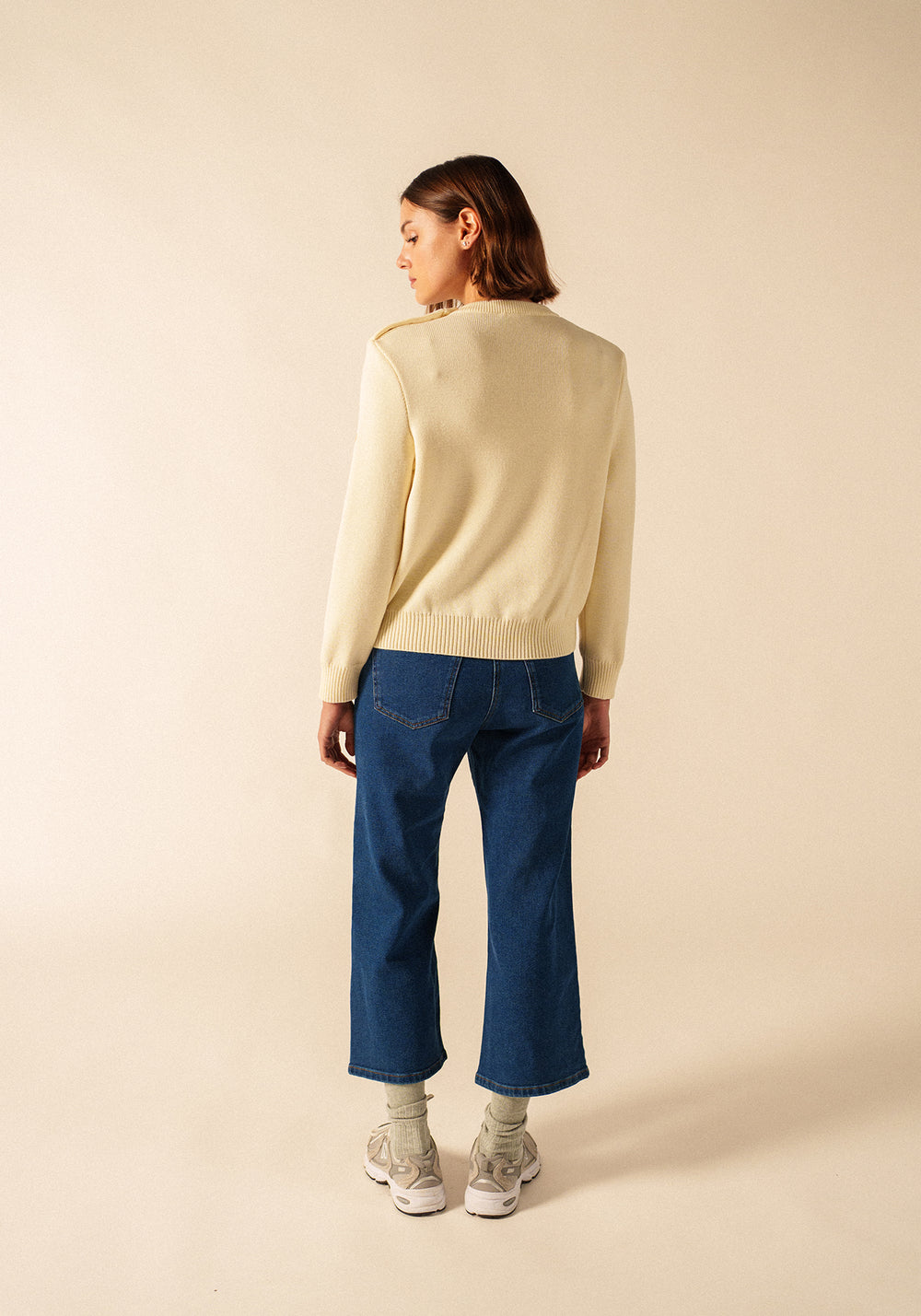
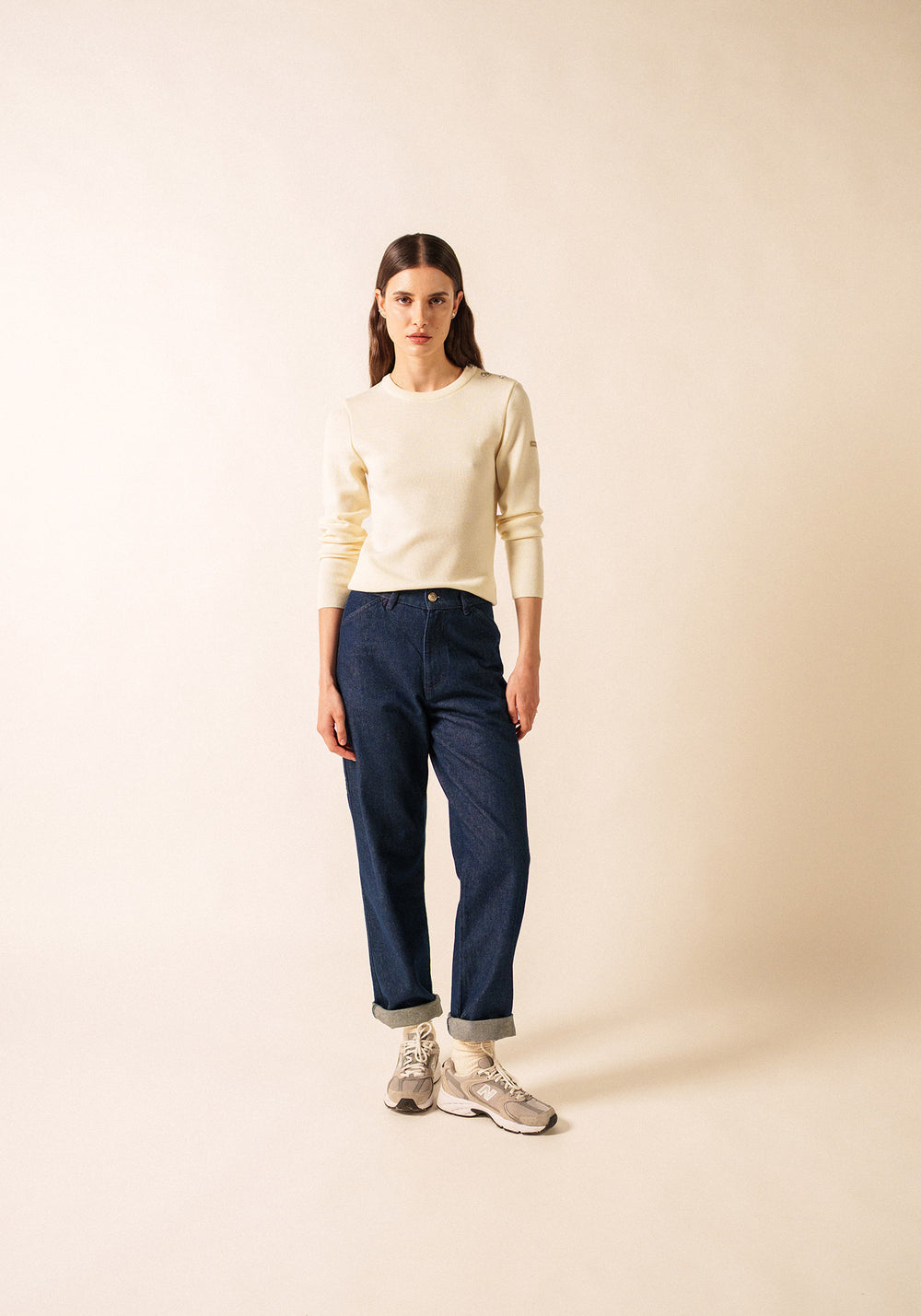
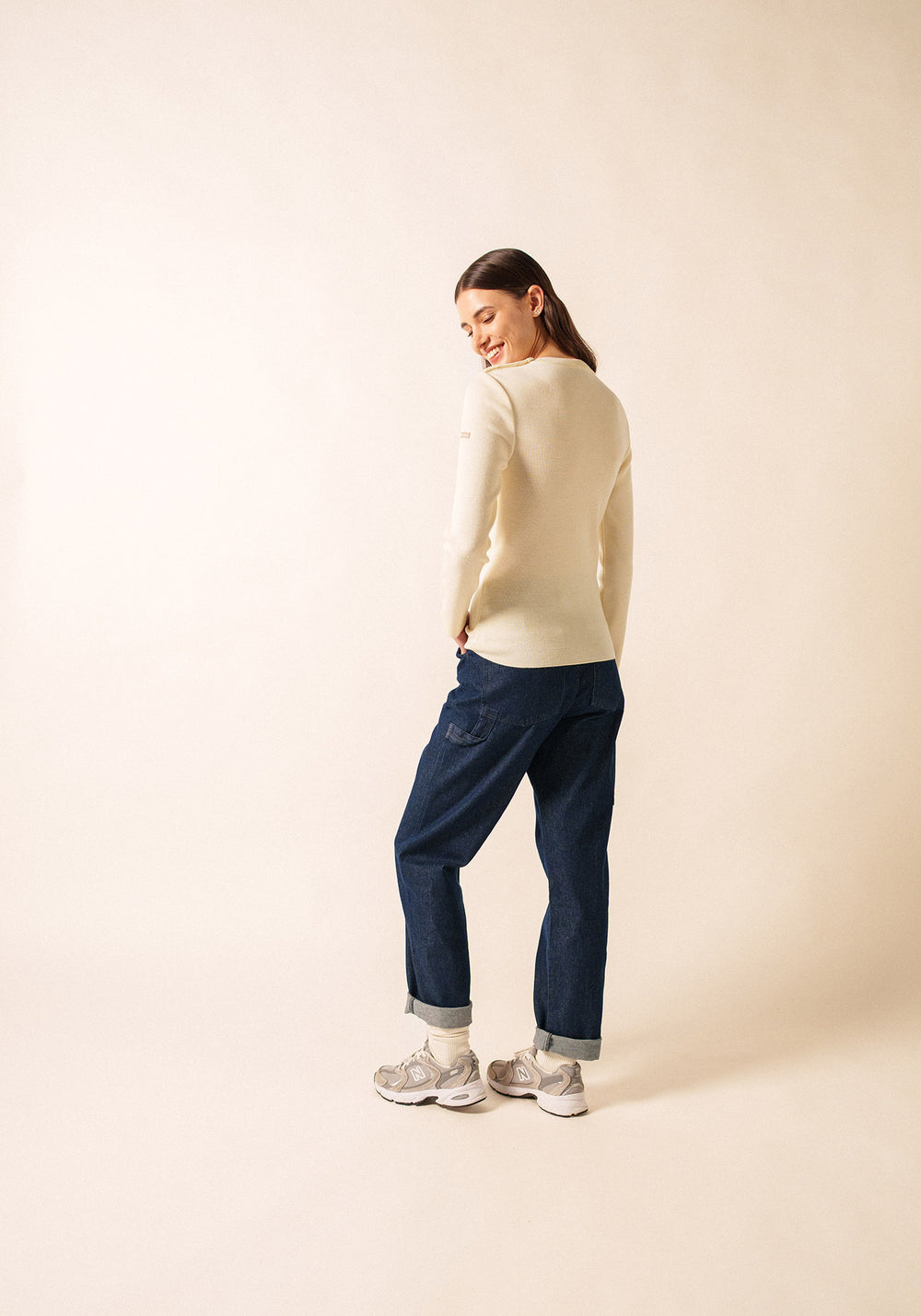
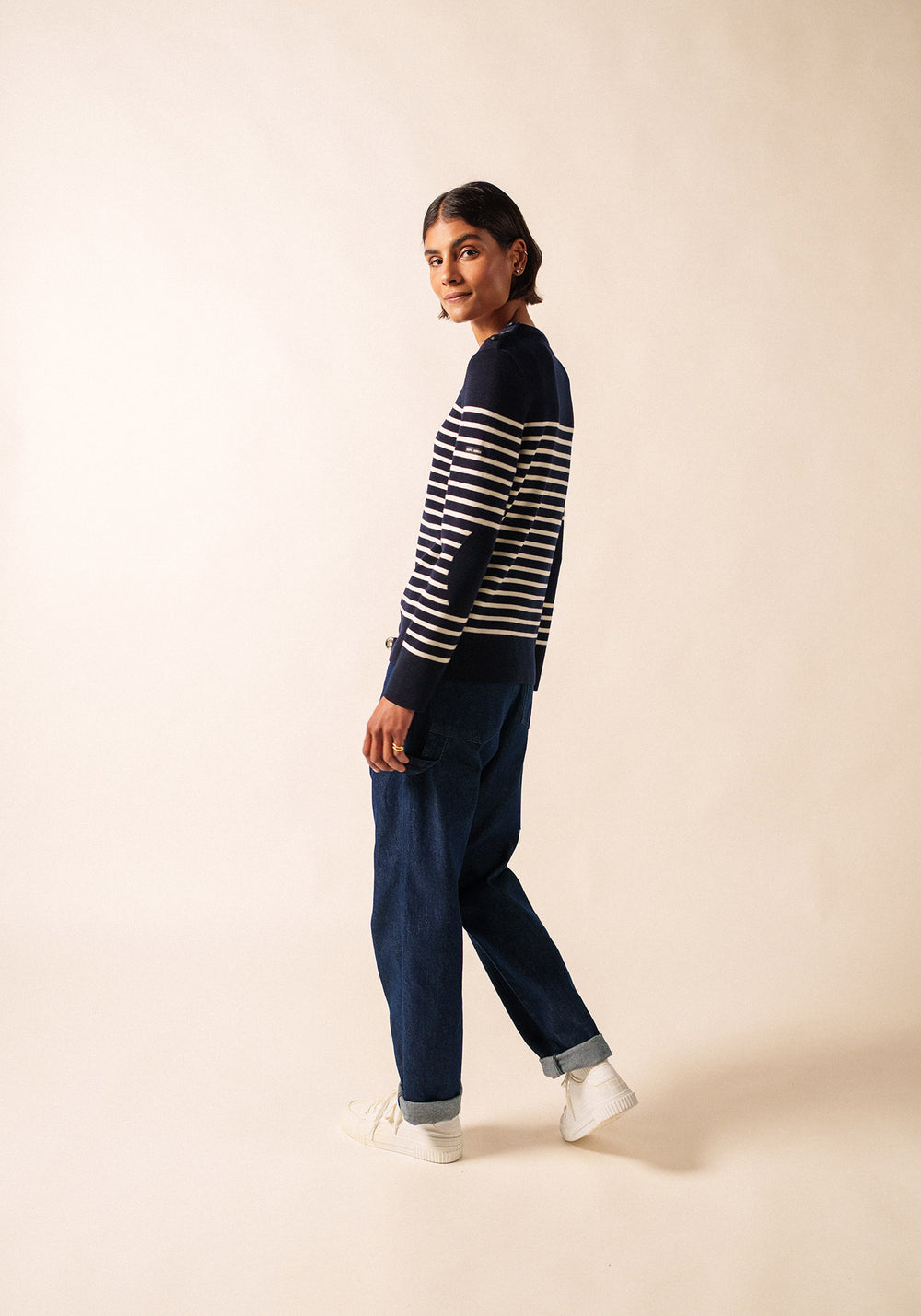
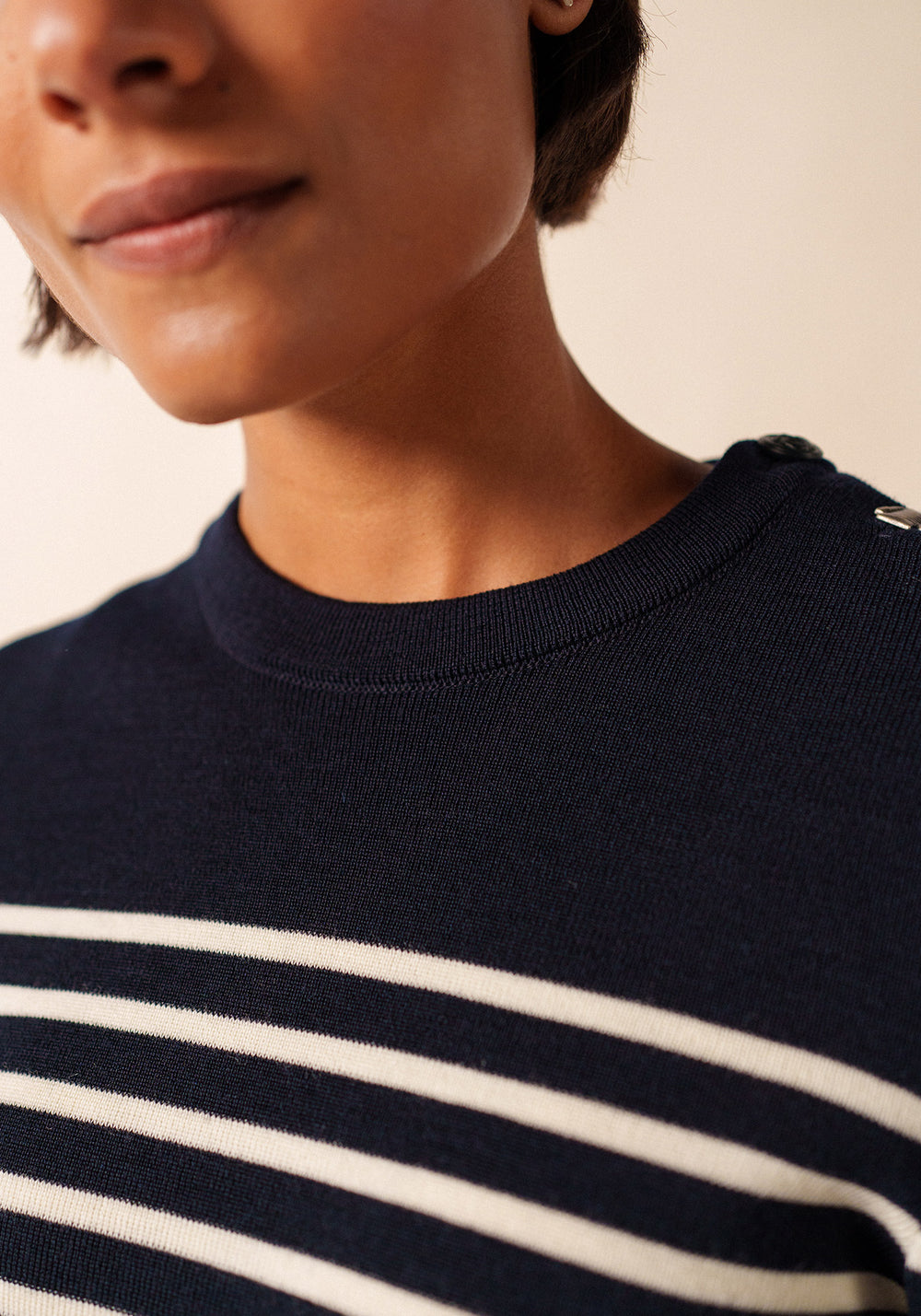
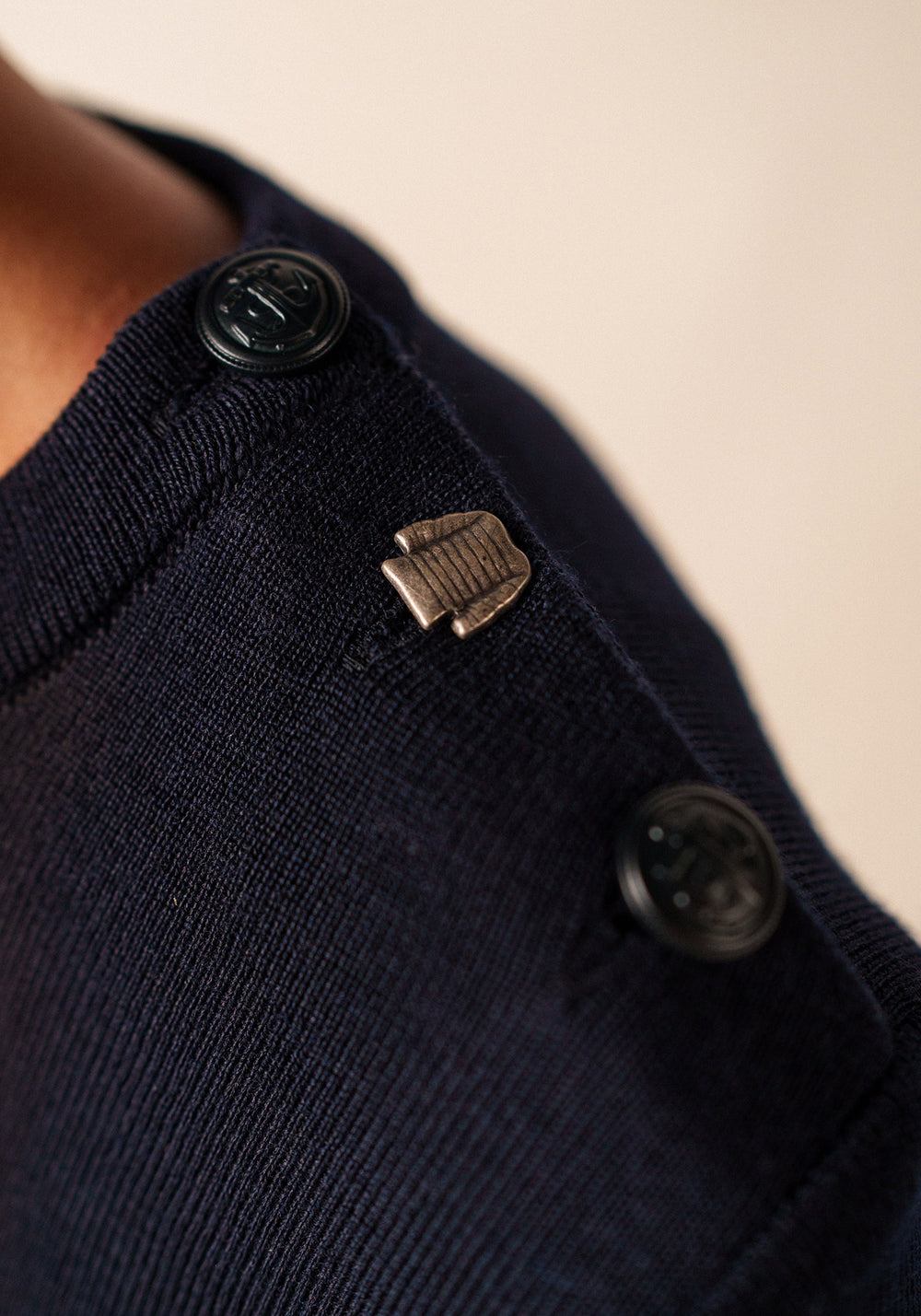
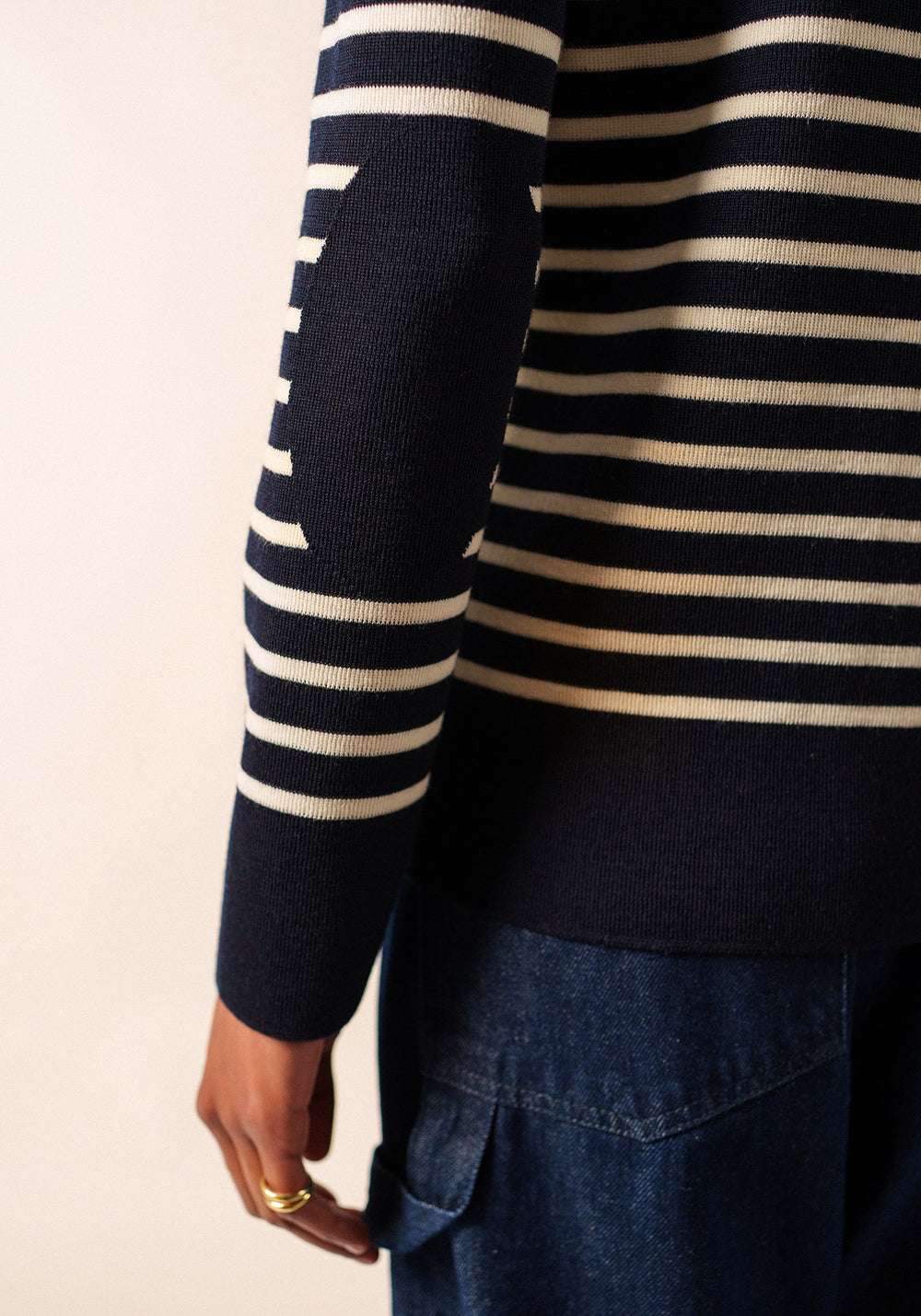
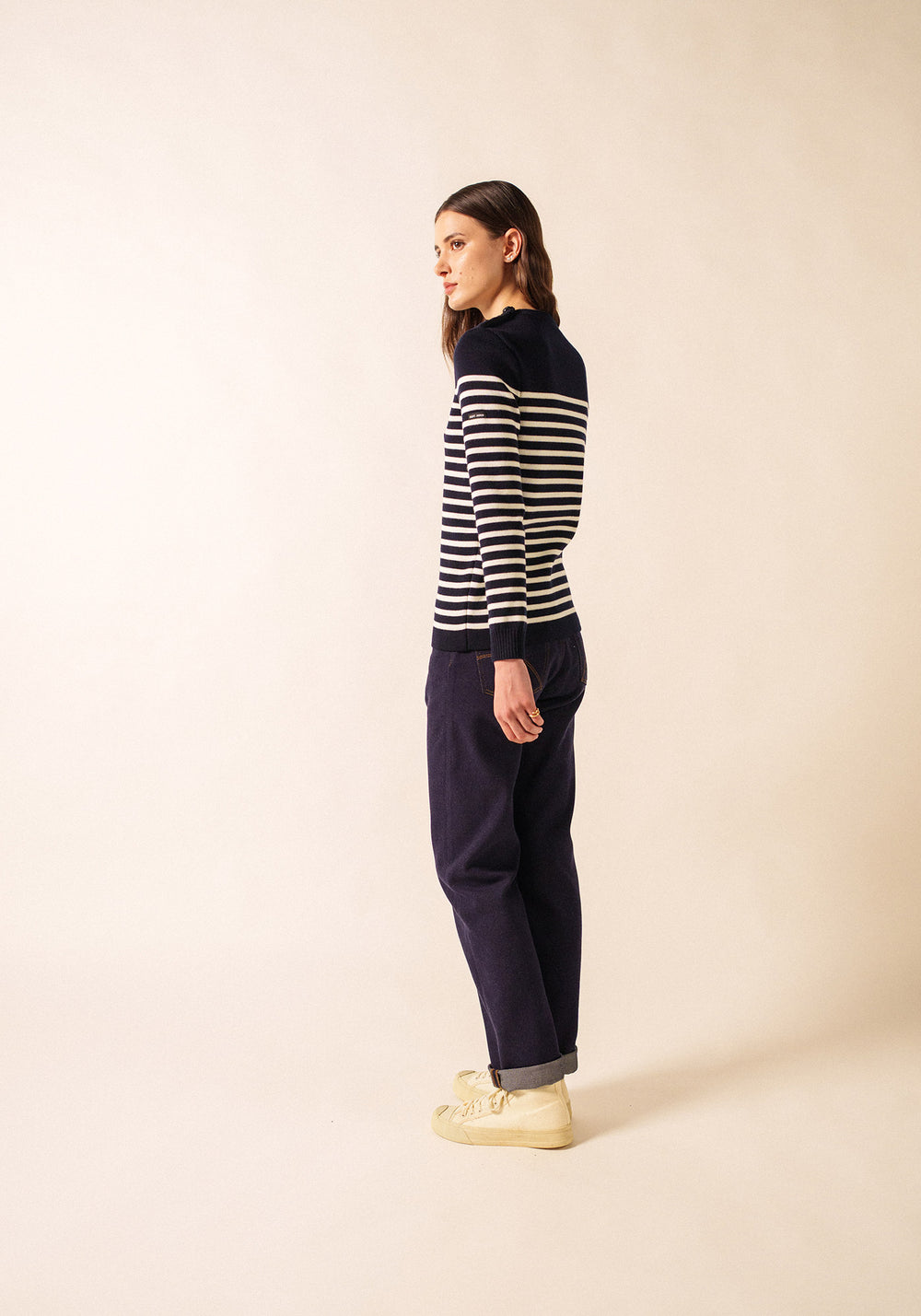
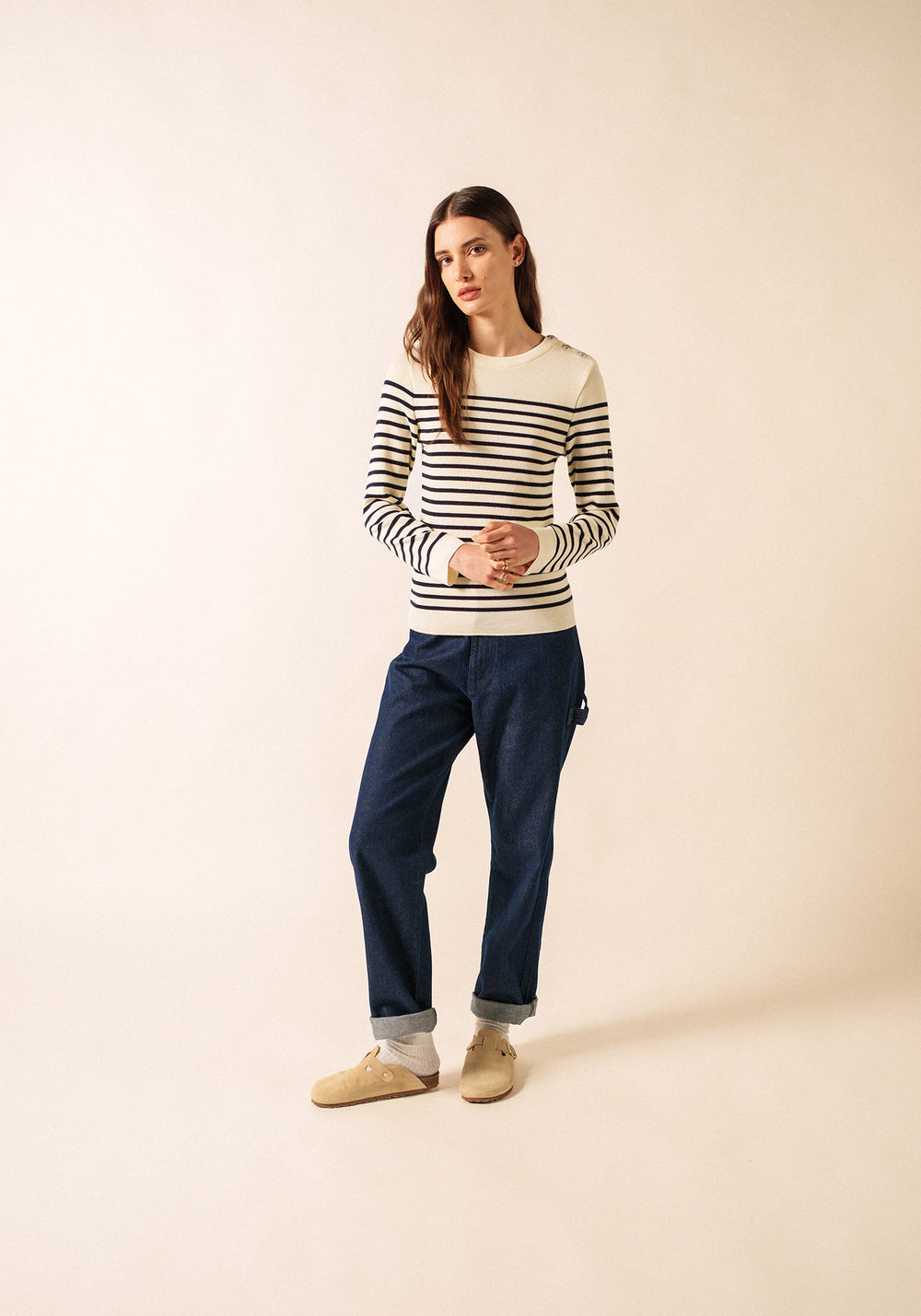
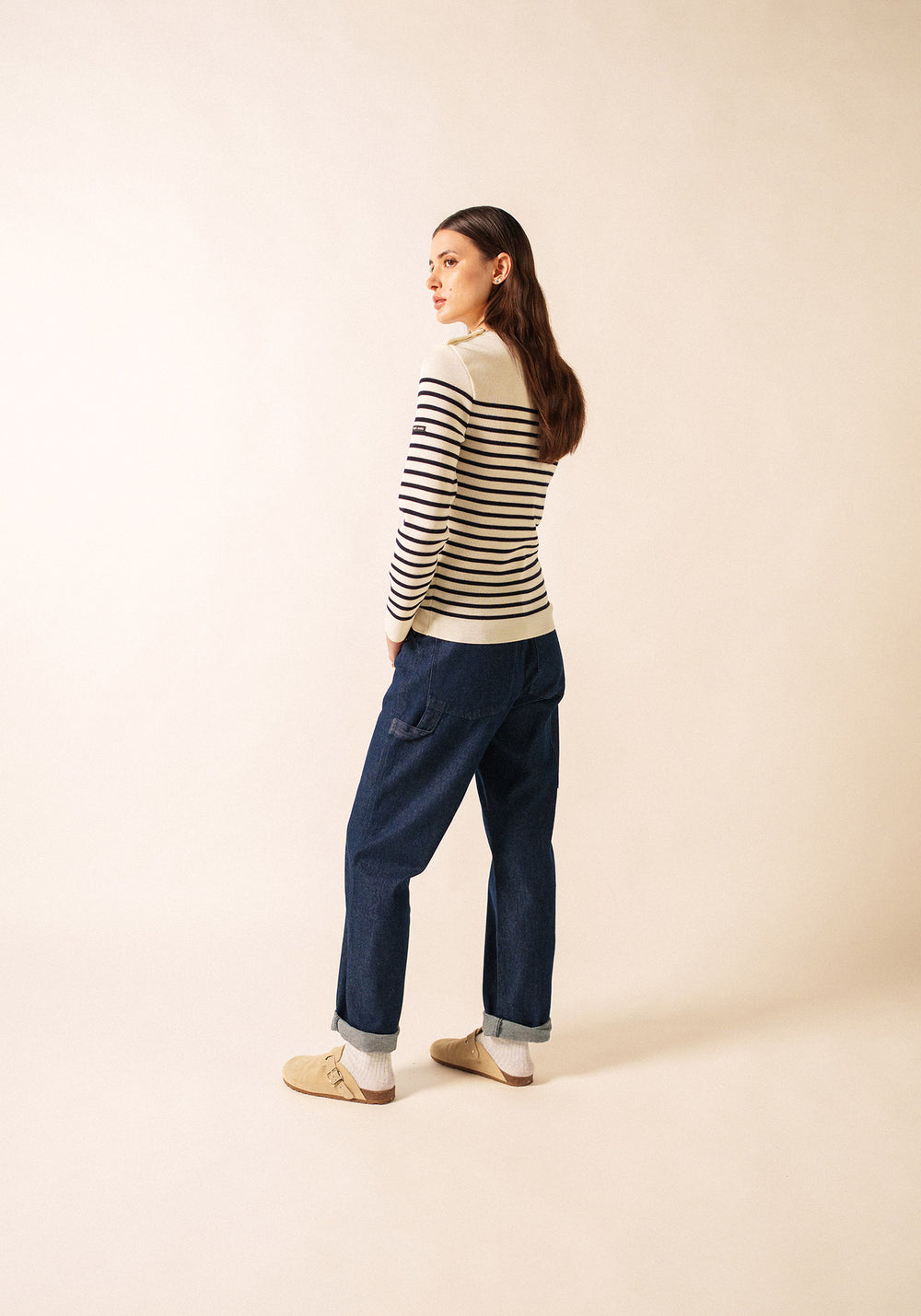
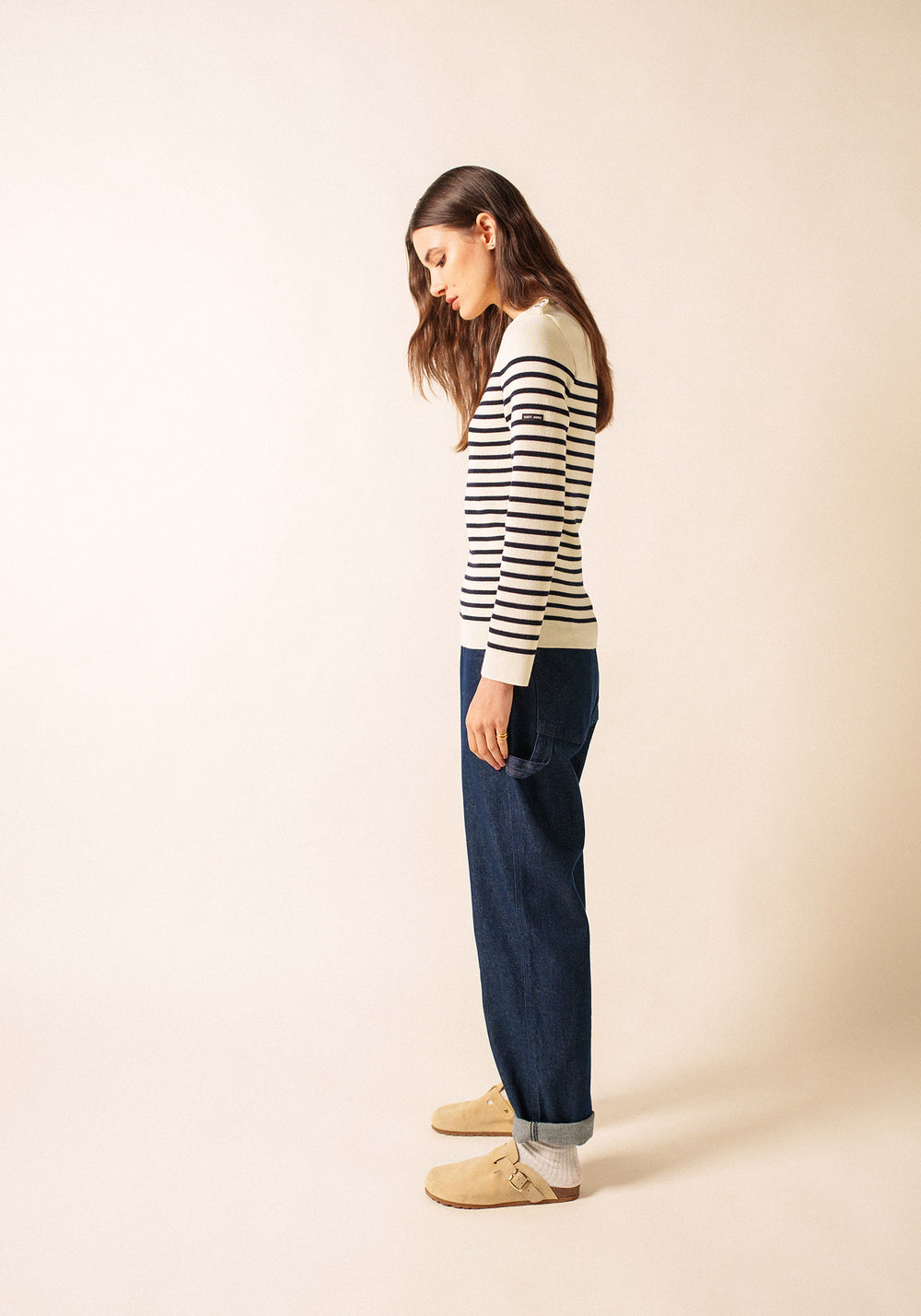
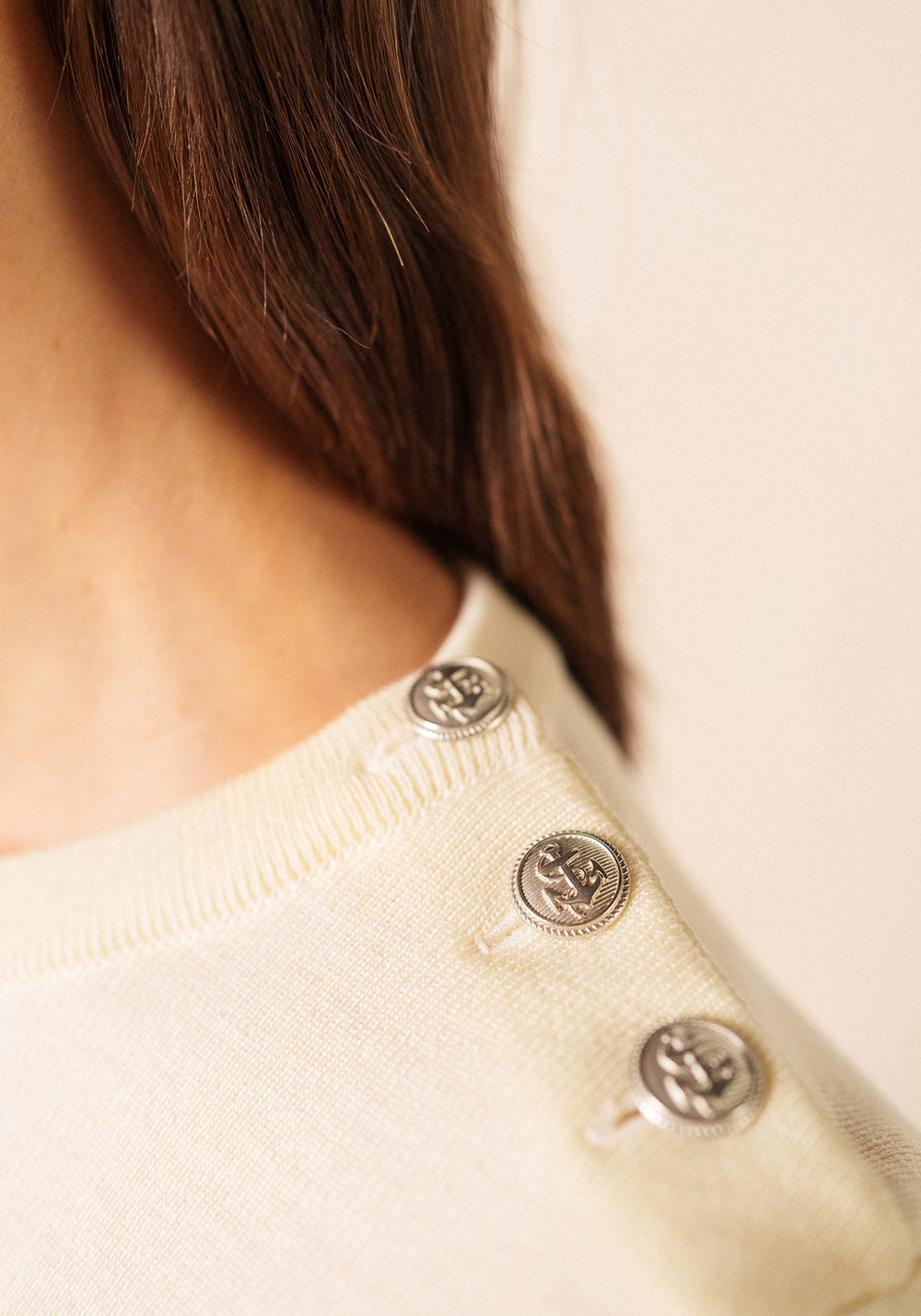
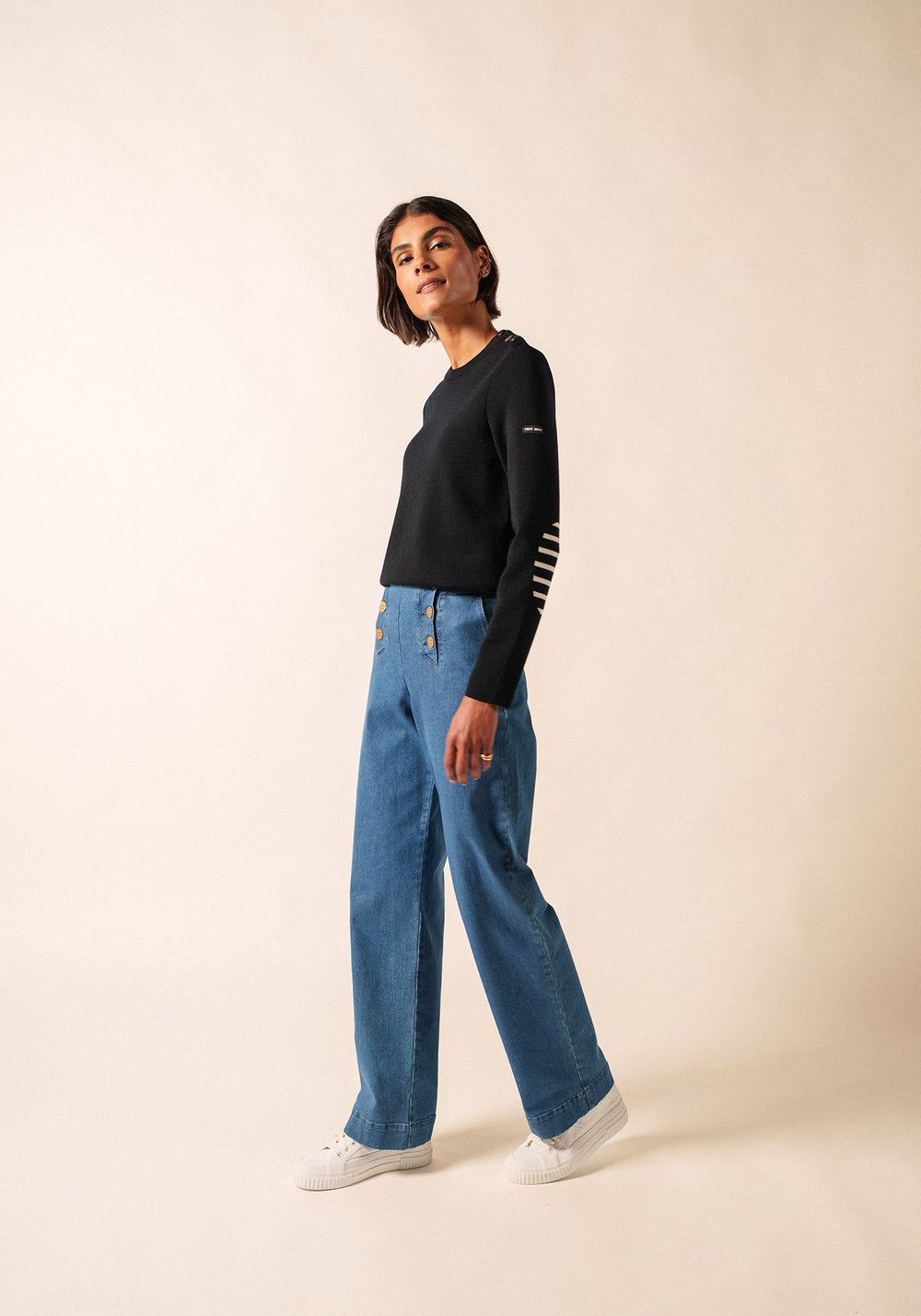
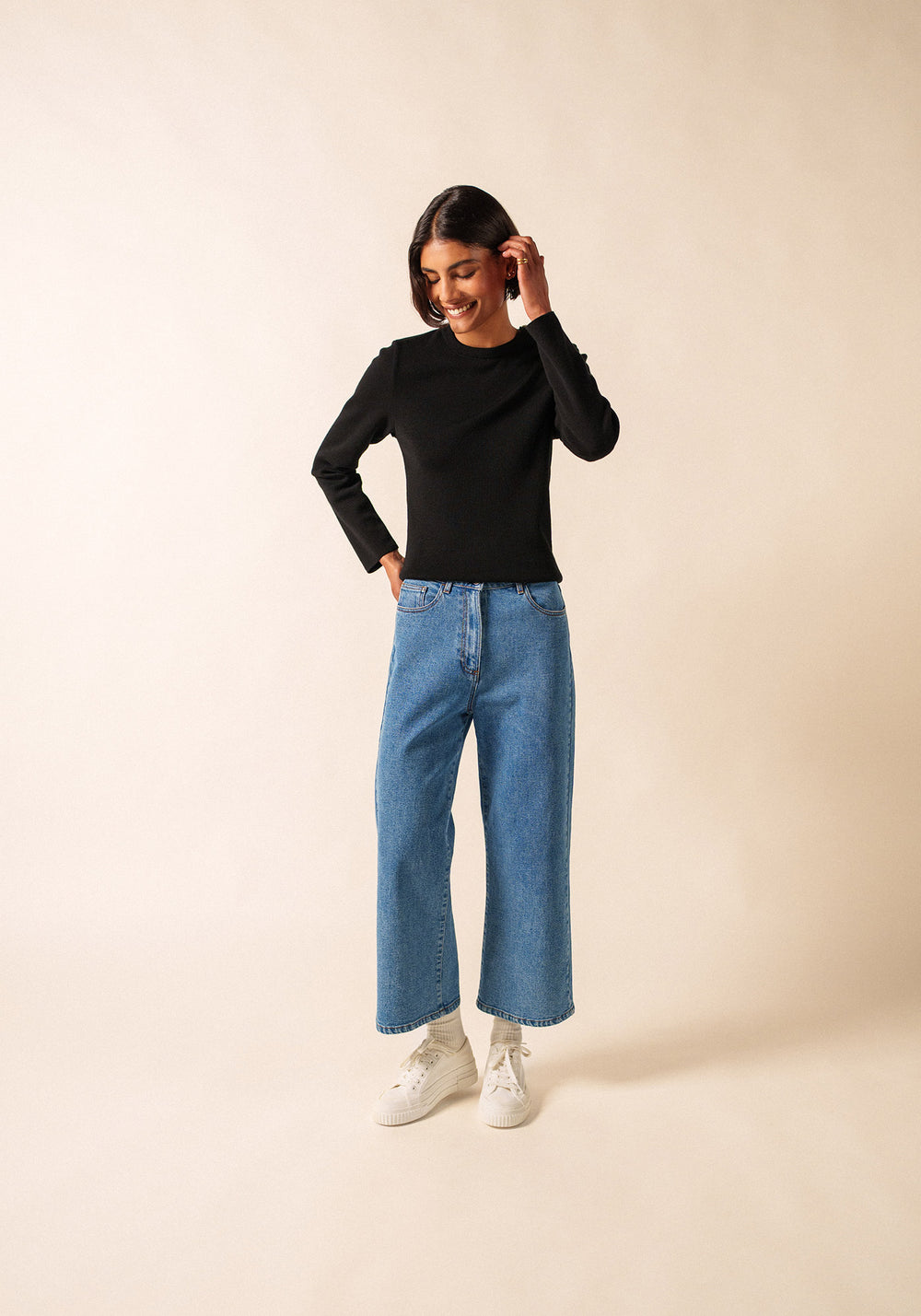
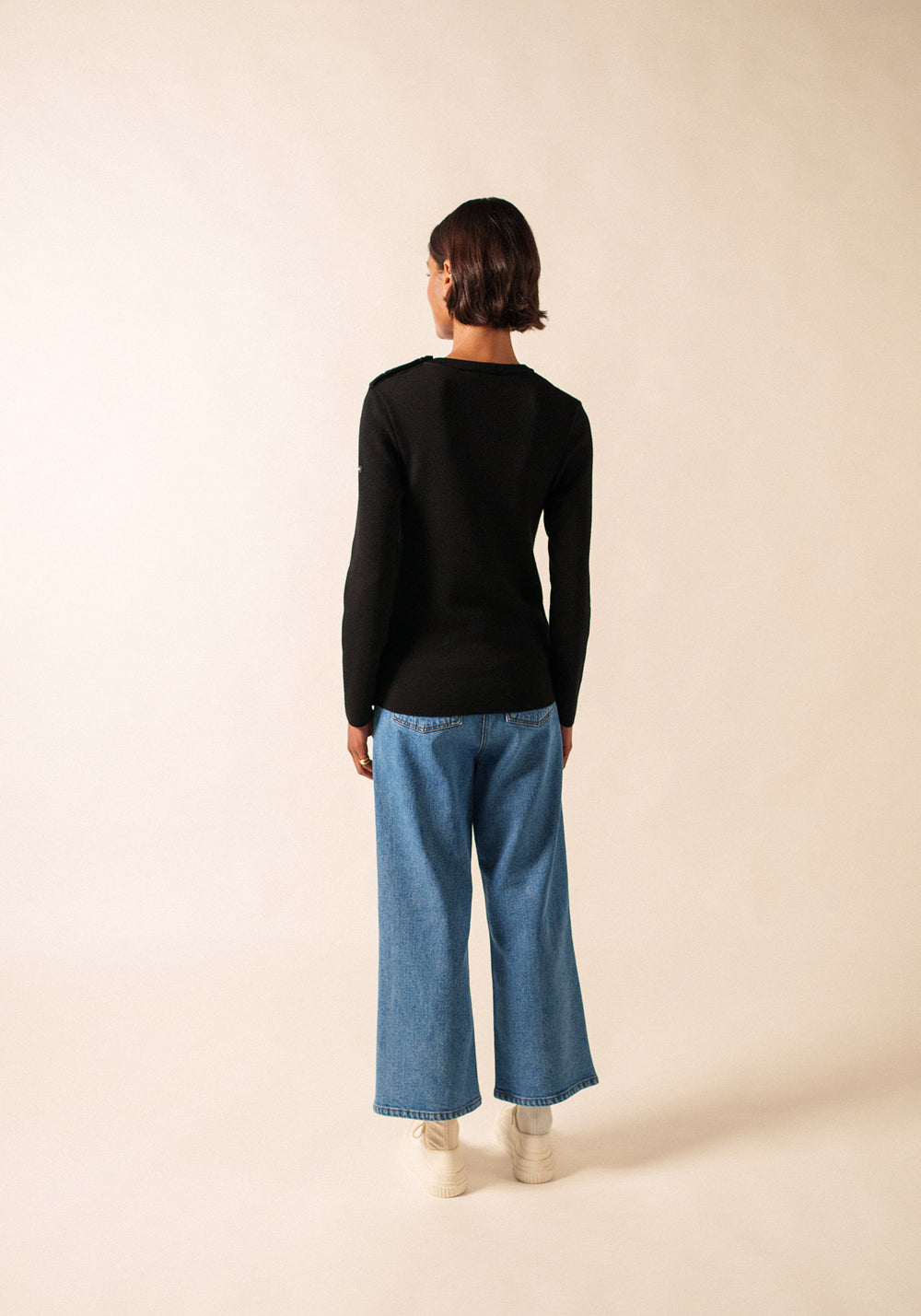
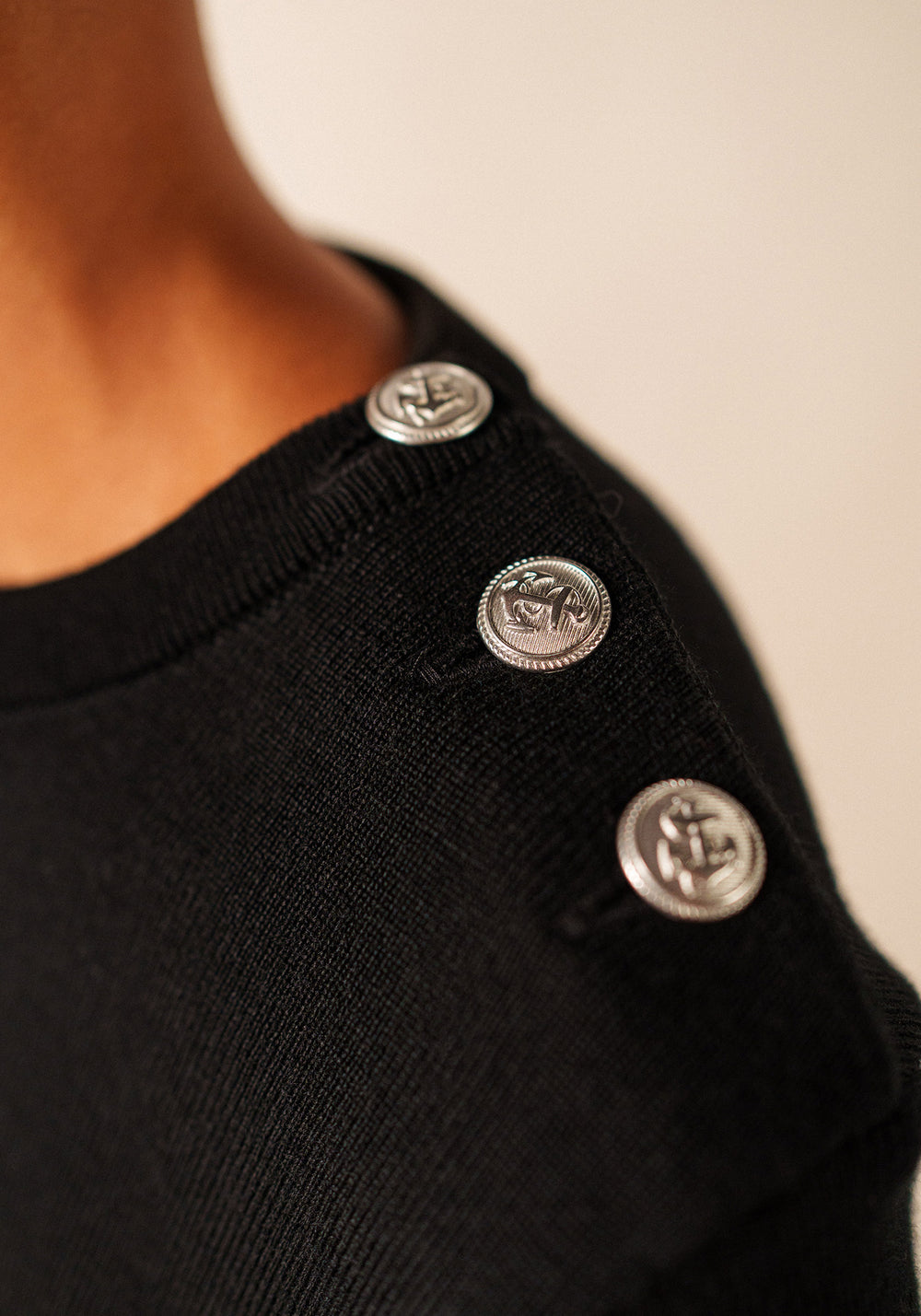
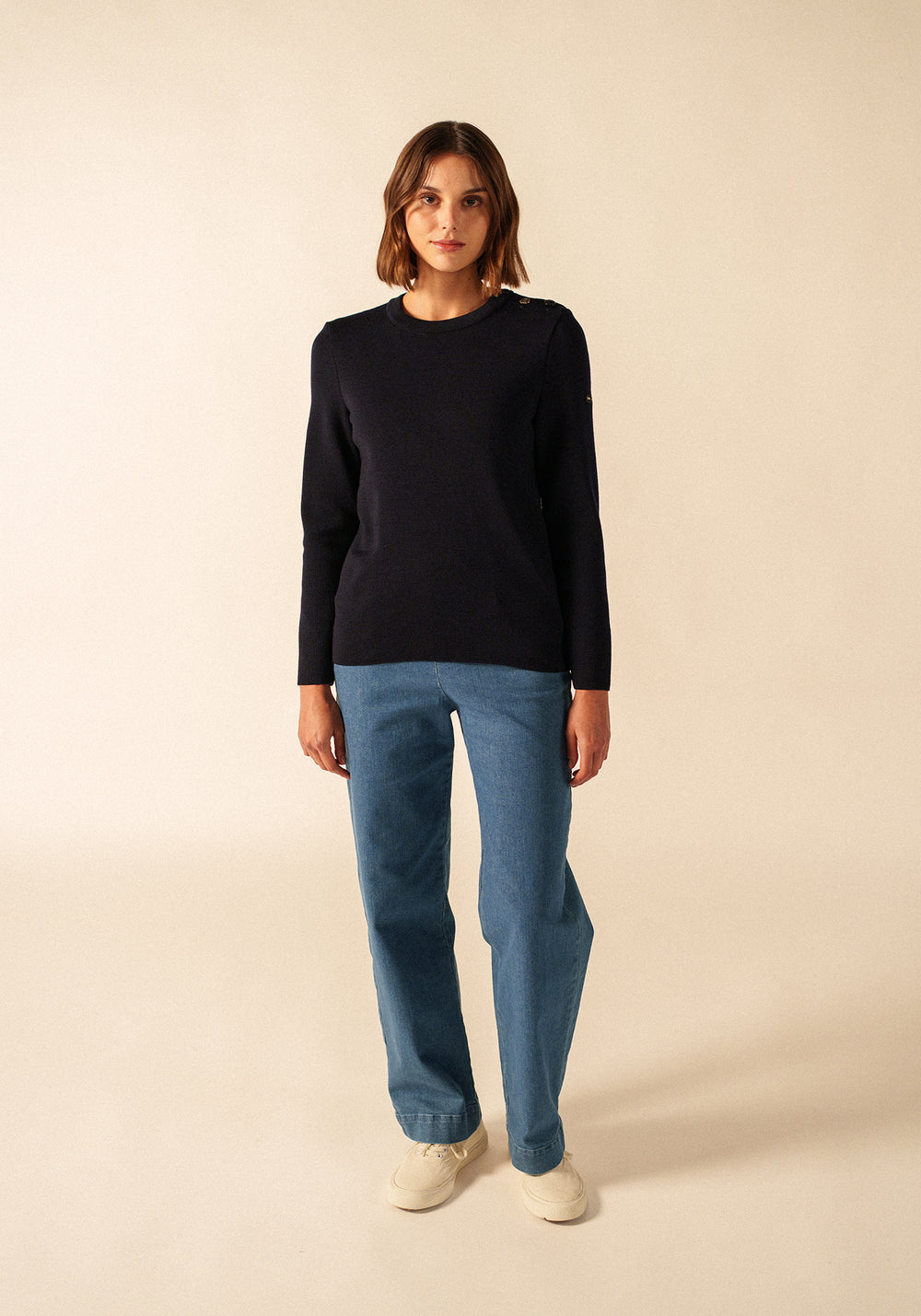
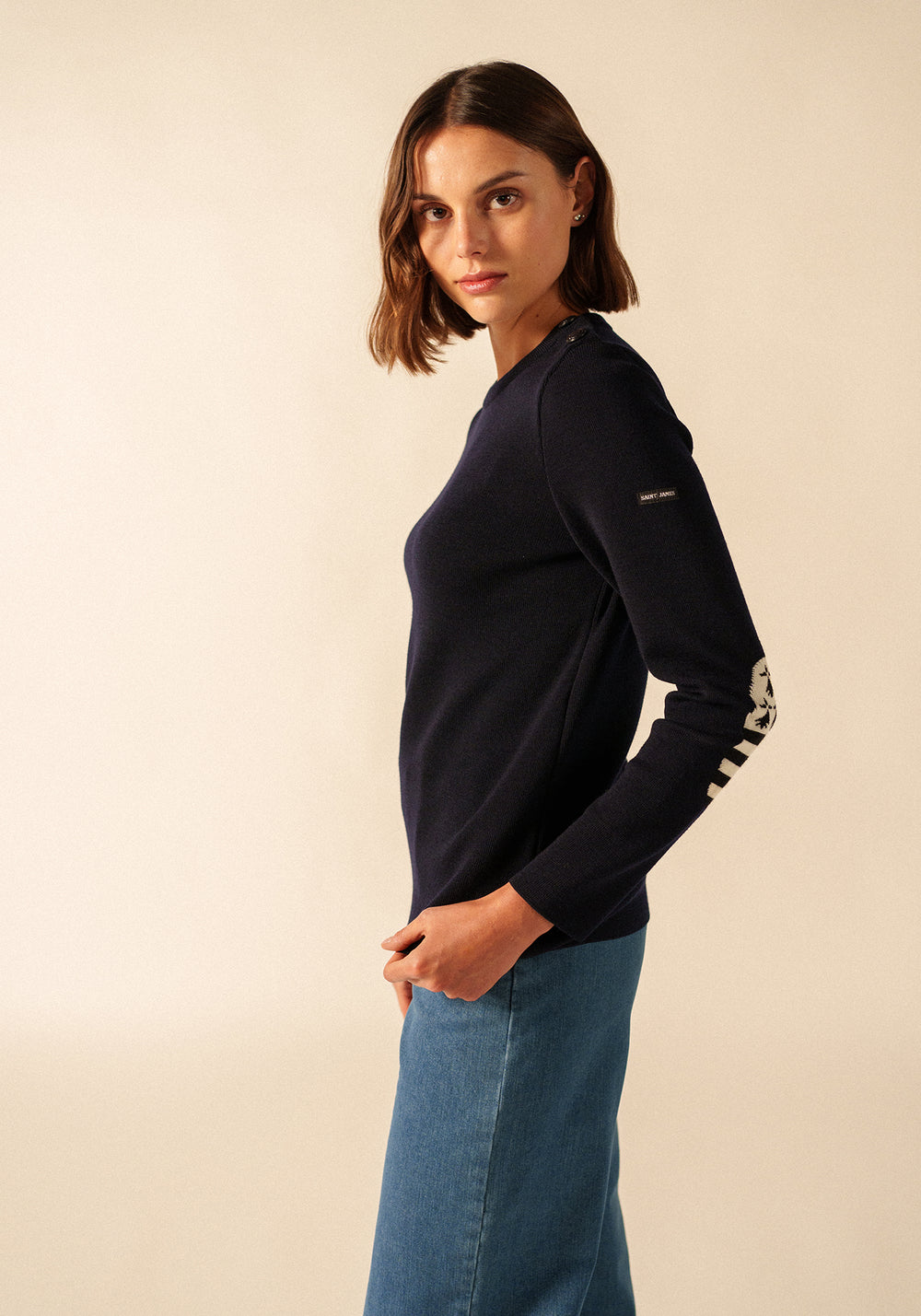
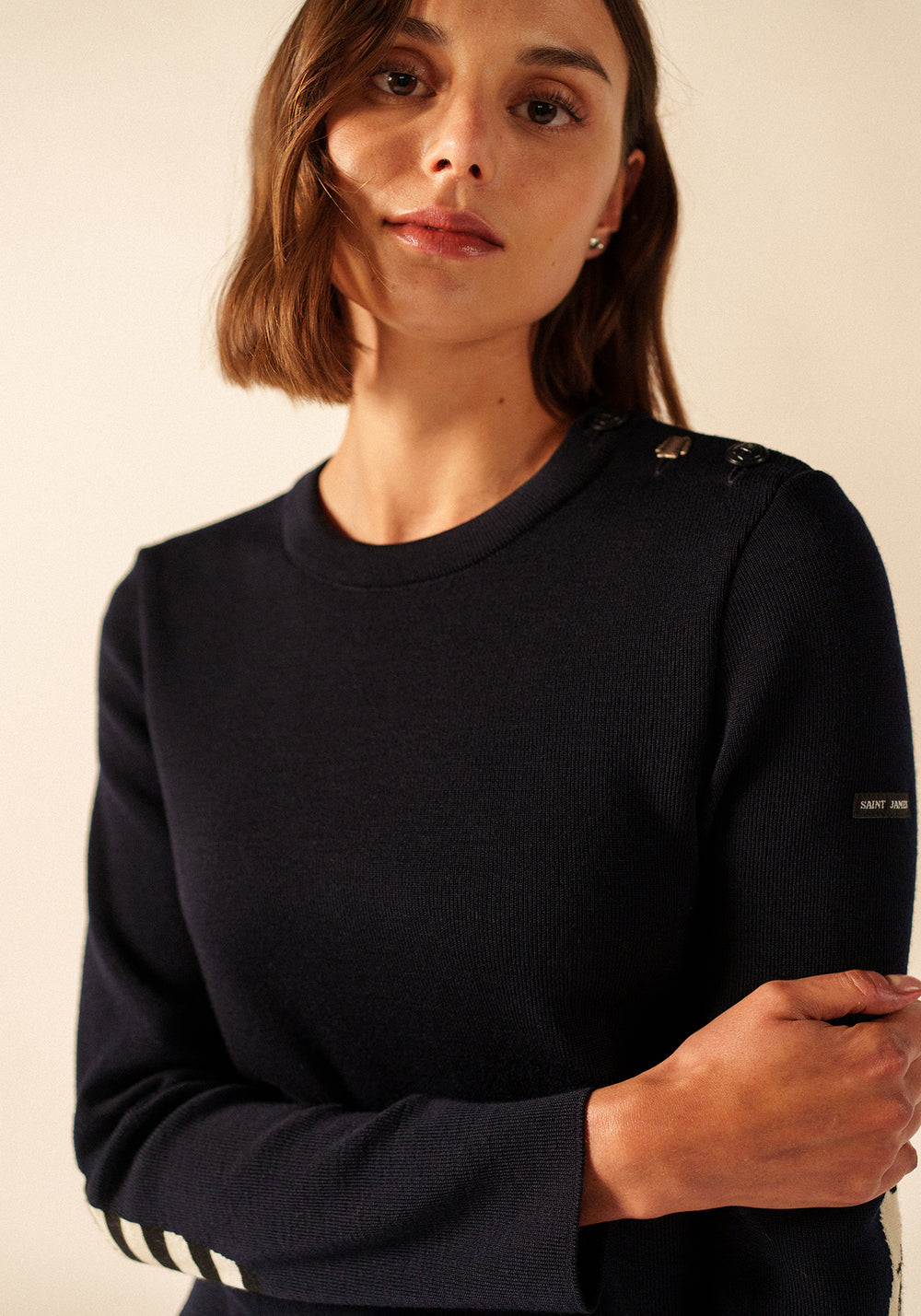
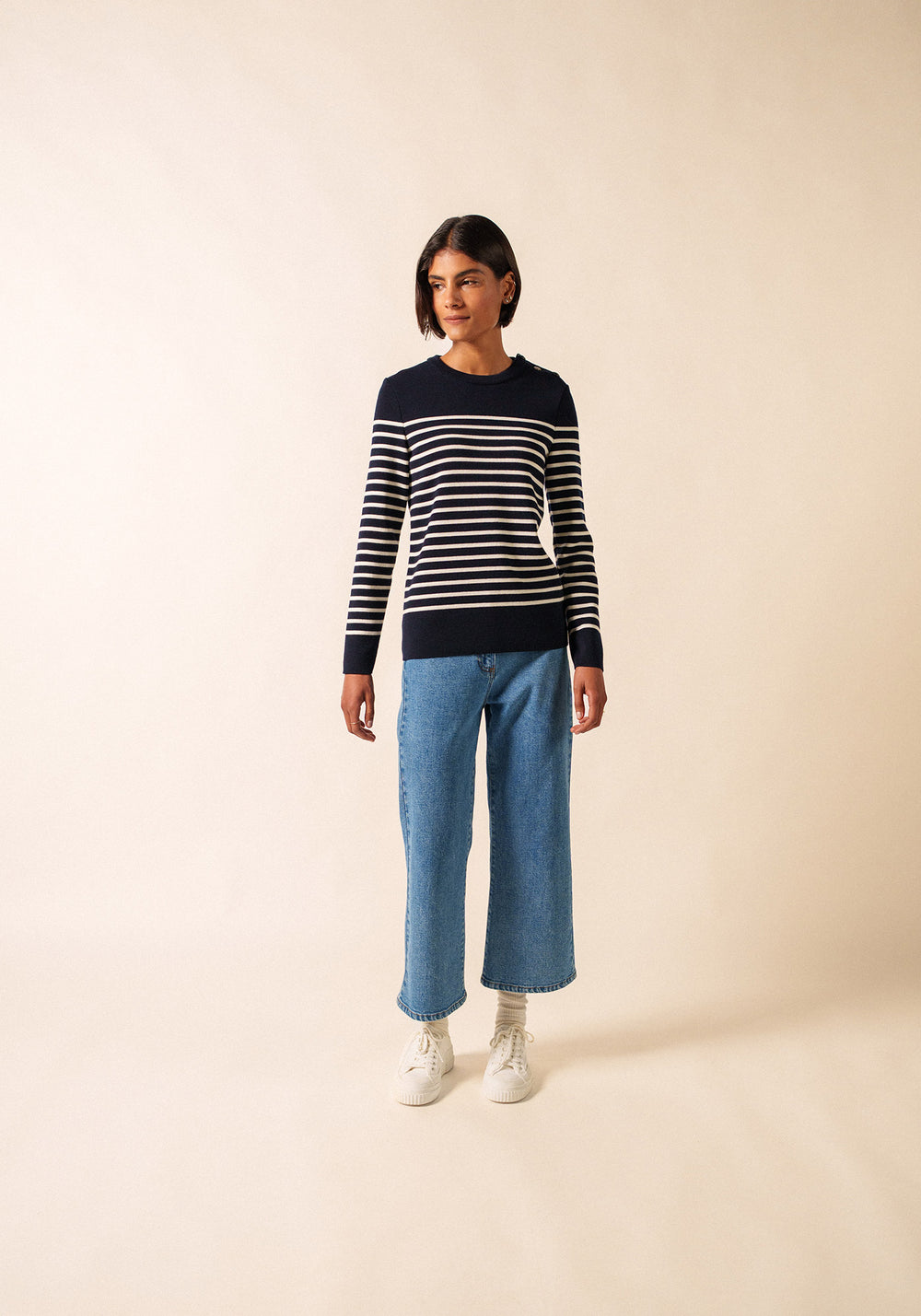
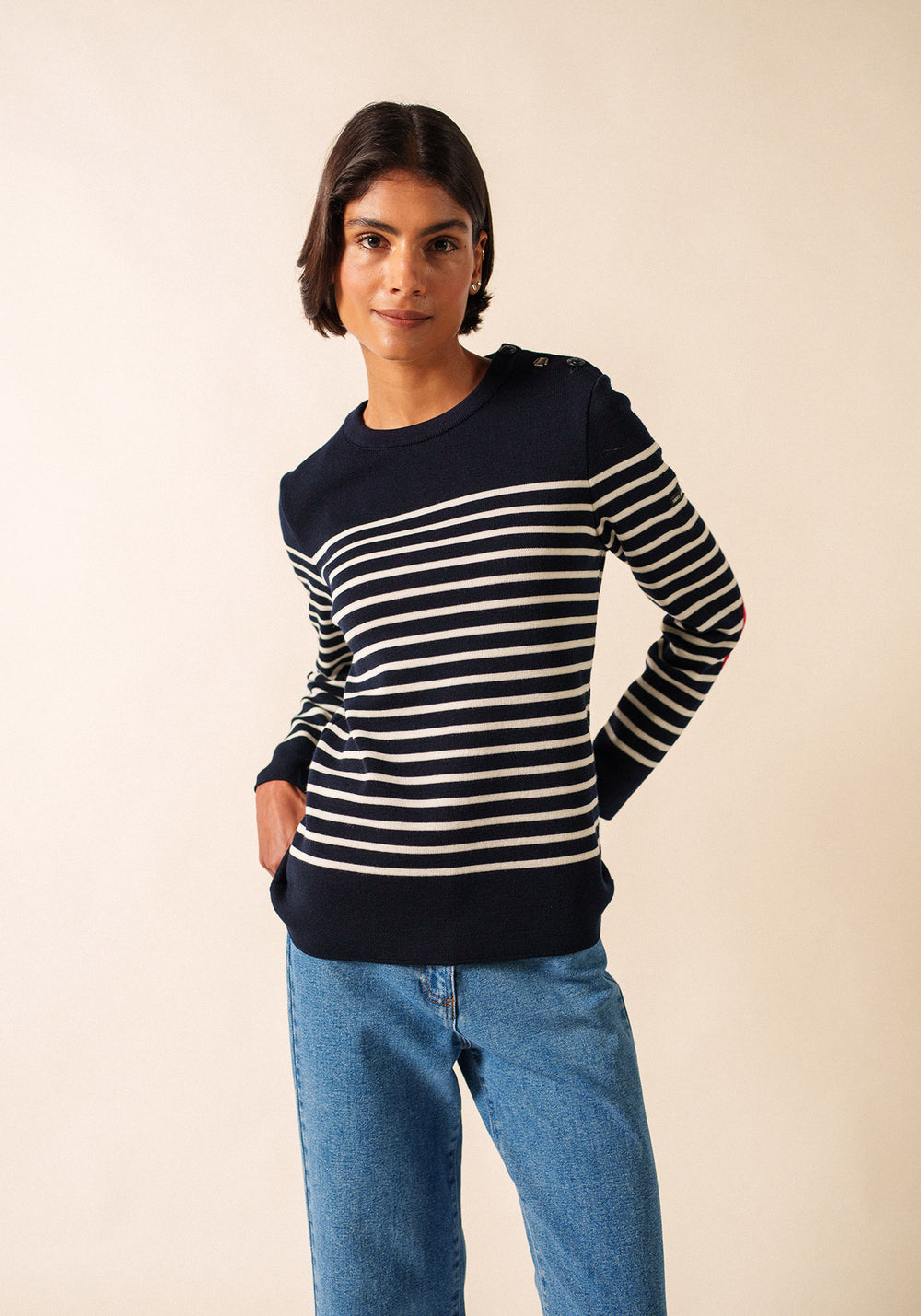
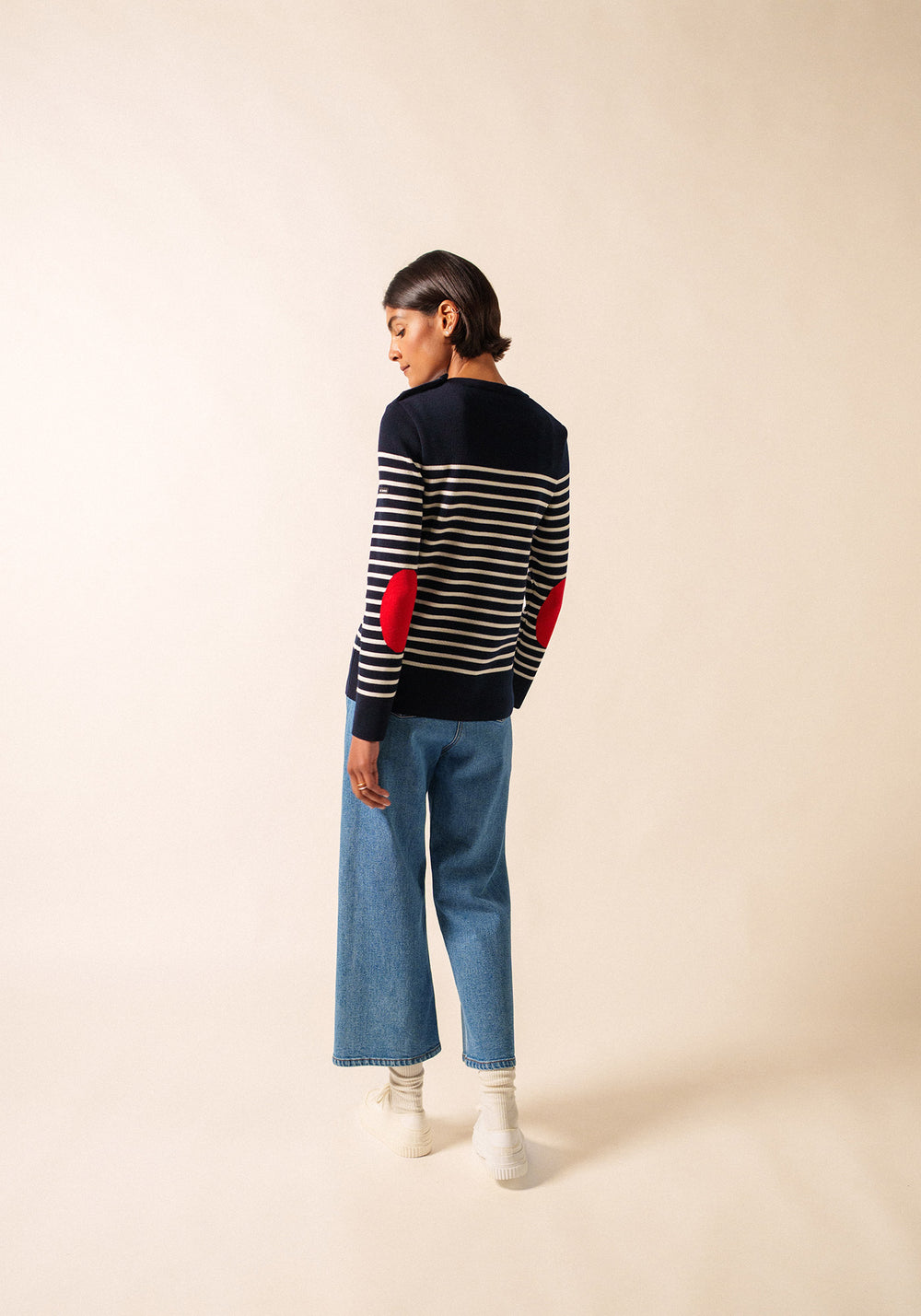
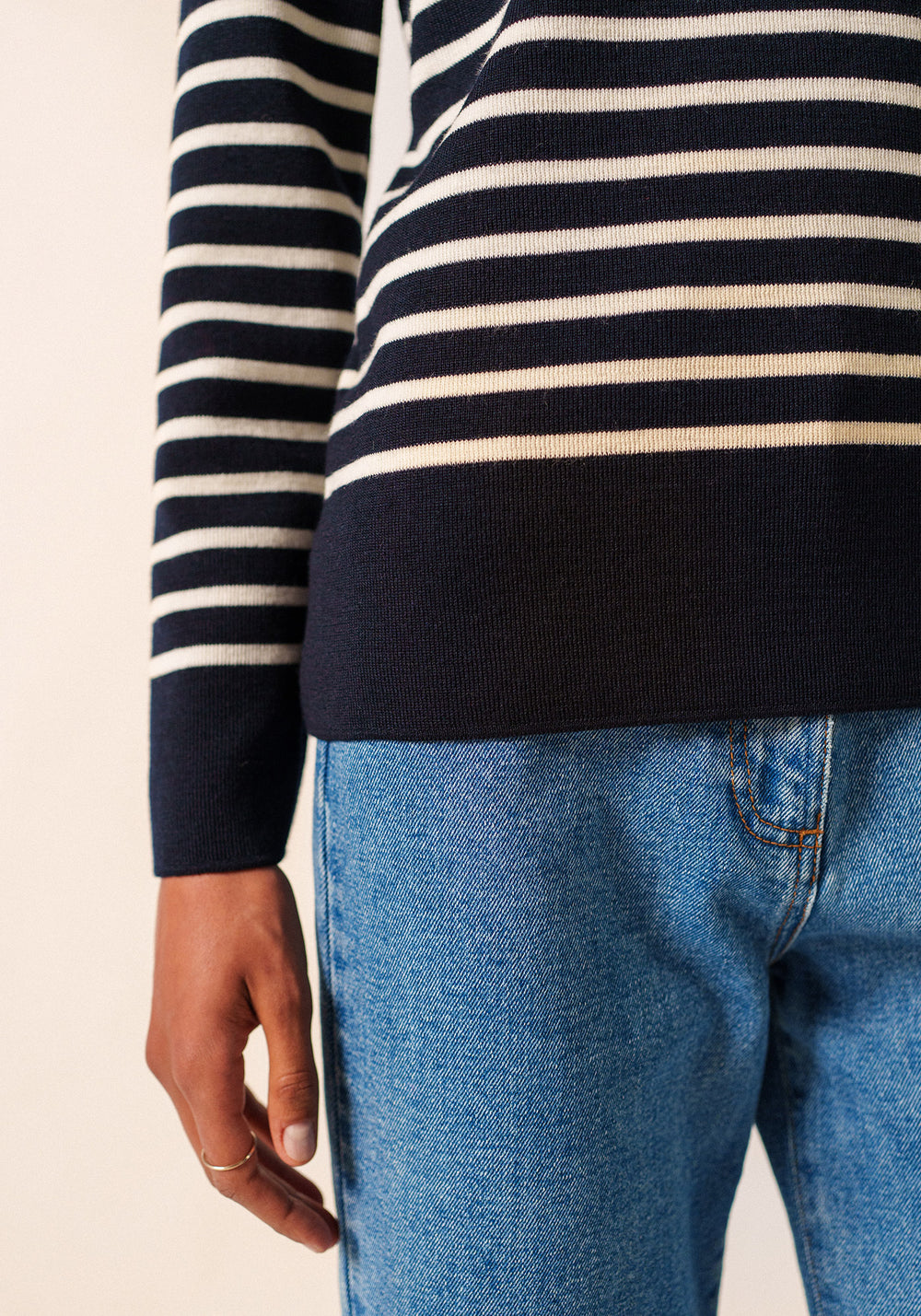
Whether plain or striped, in cotton knit or pure virgin wool, SAINT JAMES women's jumpers are the result of traditional craftsmanship passed down through generations. Remaining true to their maritime heritage while embracing modernity, they are crafted with great care and a high standard of quality.
Page n°1



































Previously checked
How are SAINT JAMES women’s jumpers made ?
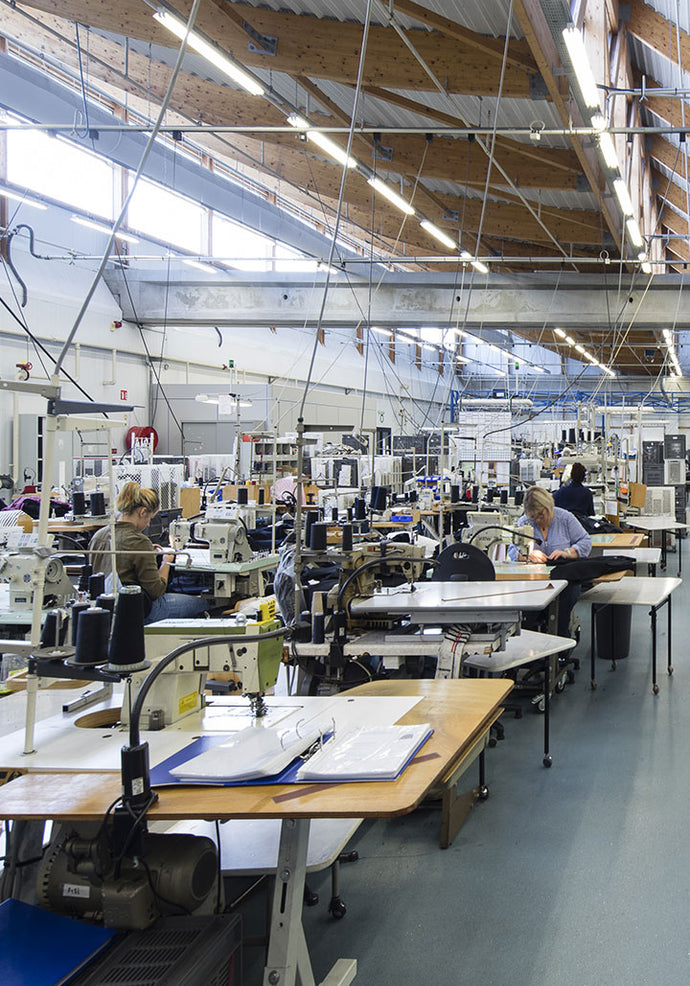
From the beginning to the end of the manufacturing process, a SAINT JAMES women’s jumper passes through 18 pairs of expert hands within our French workshops in Normandy.
There are the hands of the hosiery makers, also known as Master Knitters, who set up and supervise the knitting looms, inspect the work, and report any imperfections to the mending workshop. Their expertise allows them to know exactly which adjustments to make depending on the specific piece and the material used.
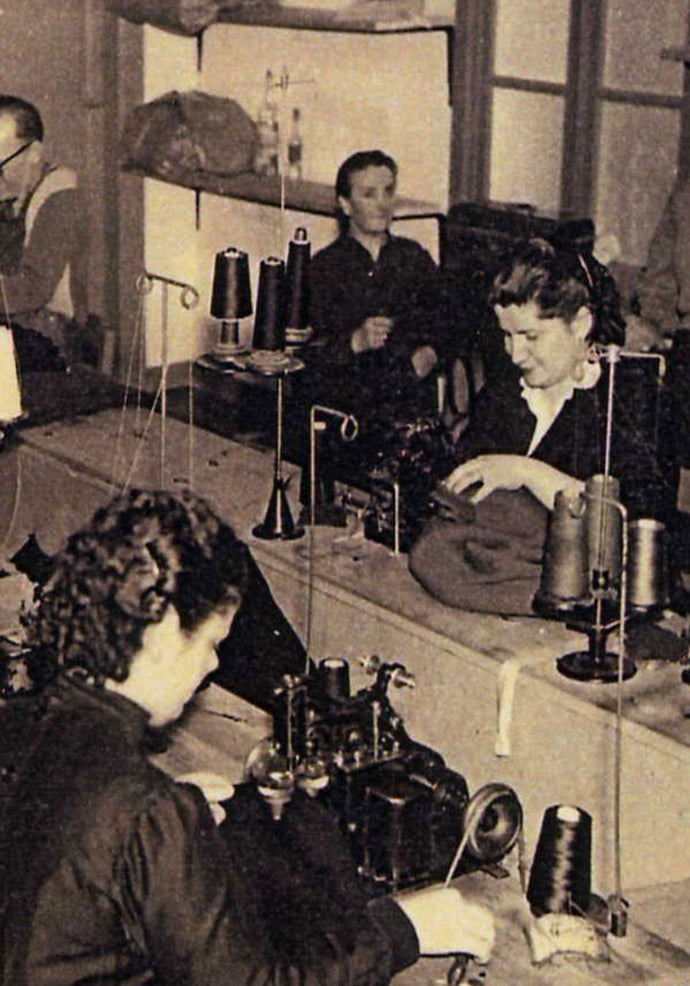
There are also the nimble fingers of our seamstresses, who assemble the various knitted pieces, known as panels, using construction techniques that can be highly complex. There are around a hundred of them, mostly women, working every day in the Normandy workshops located in Saint-James.
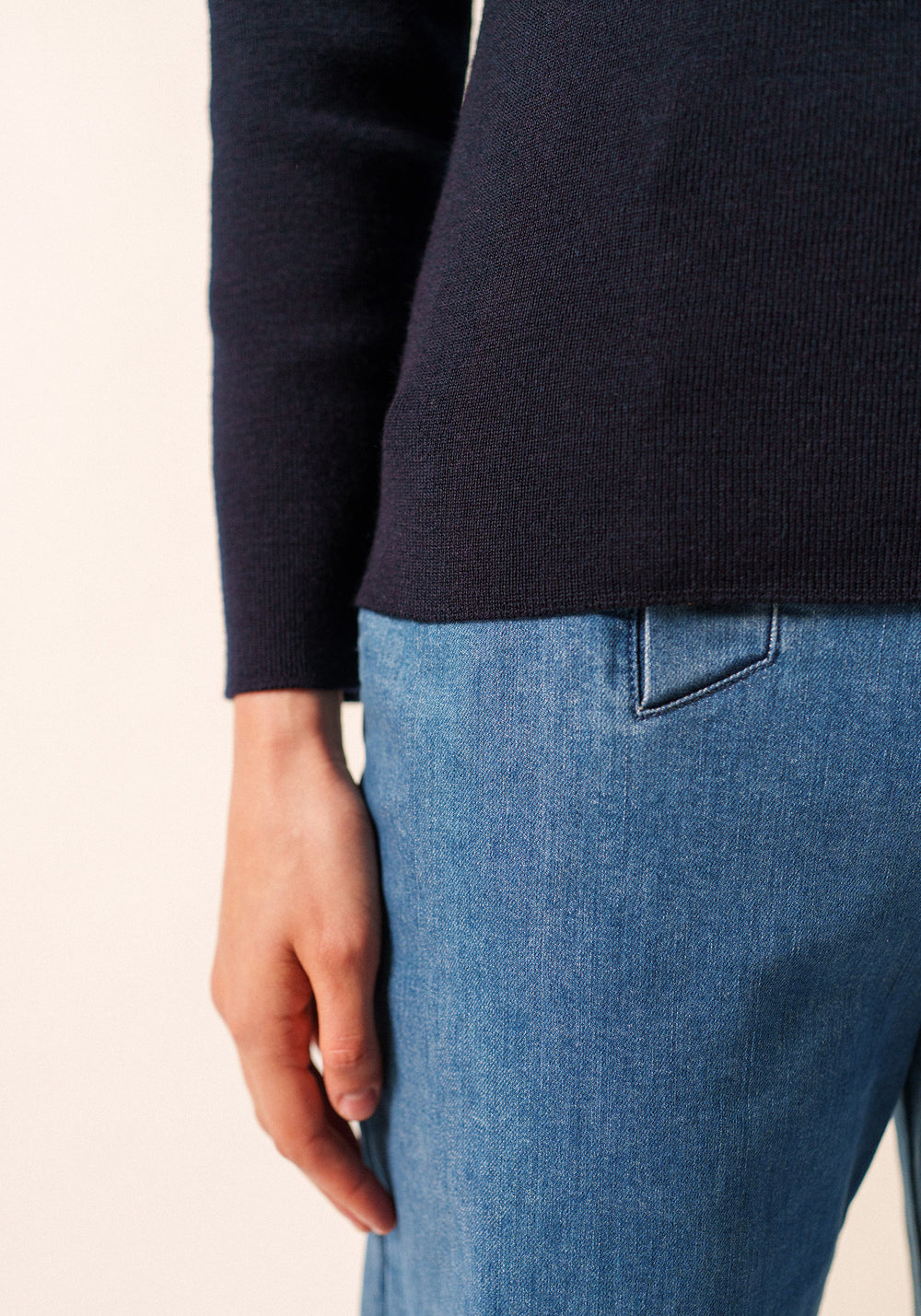
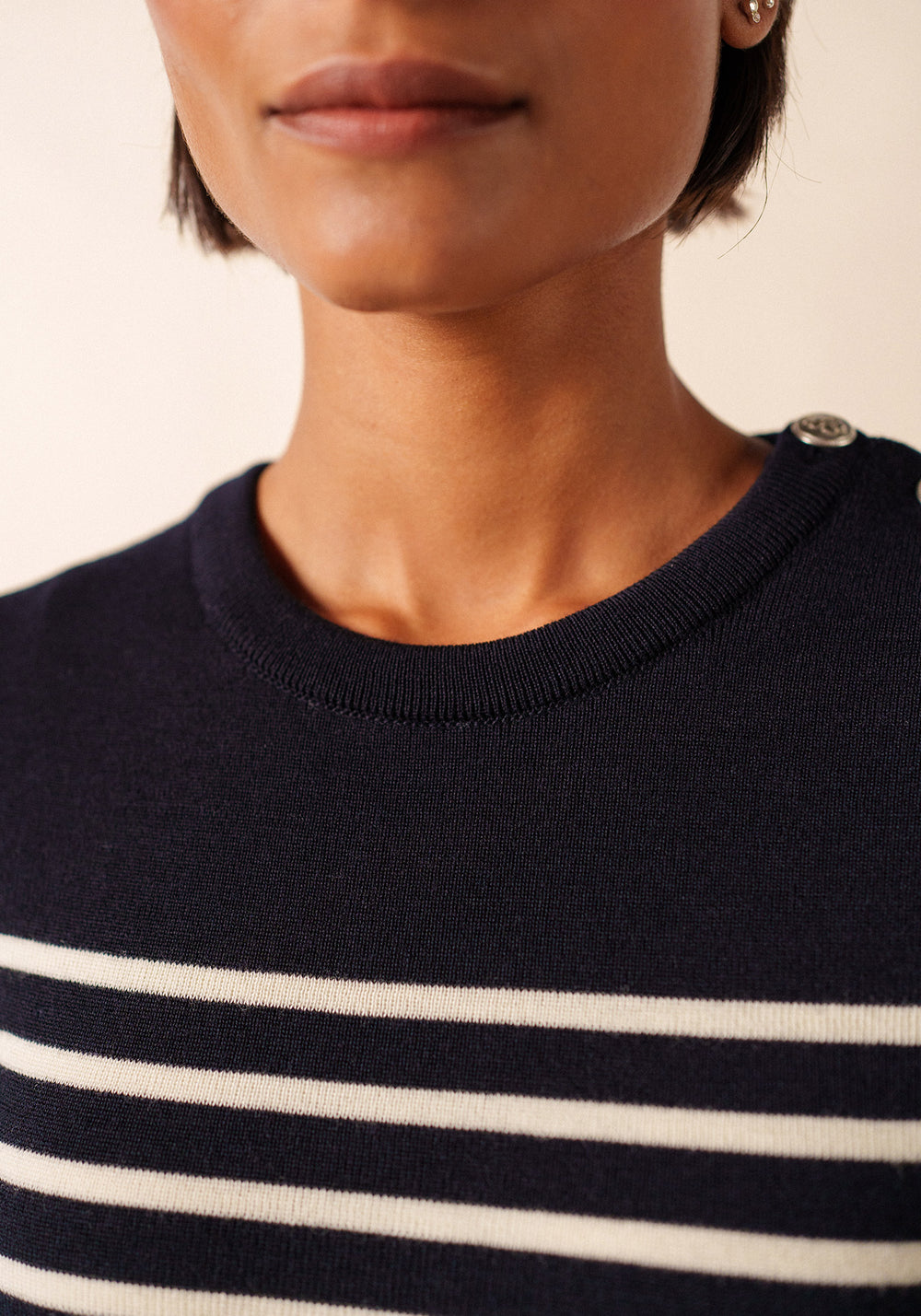
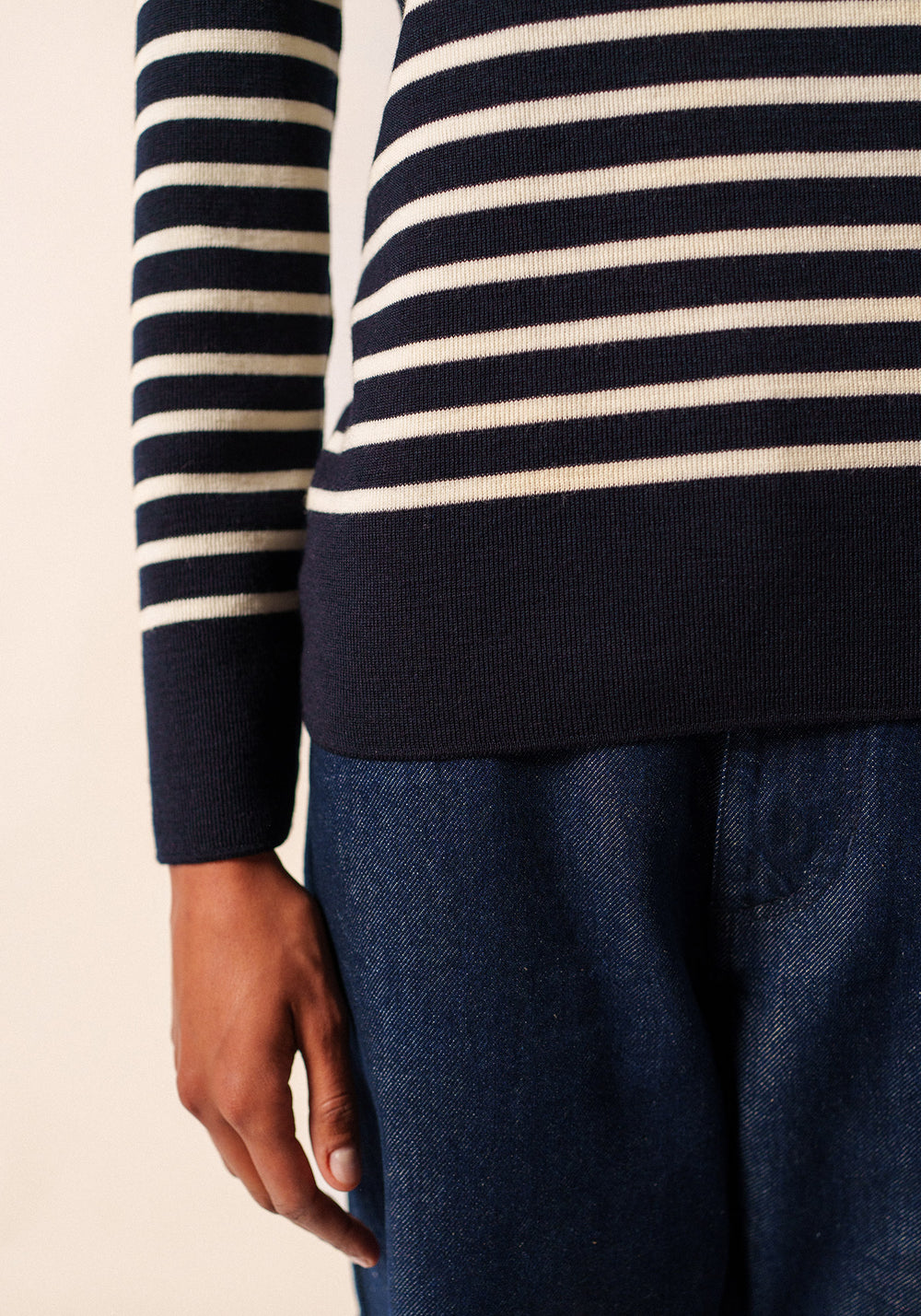
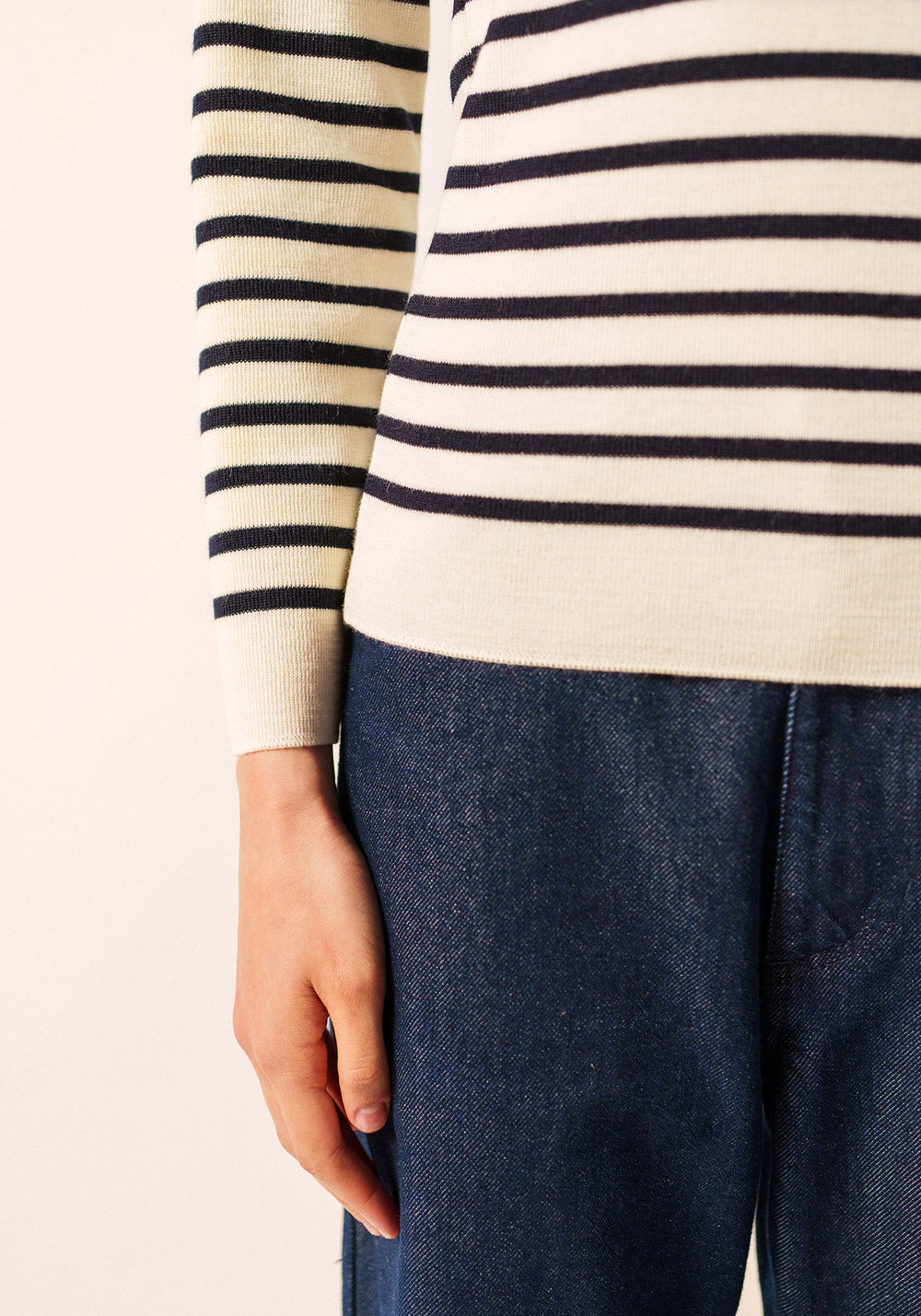
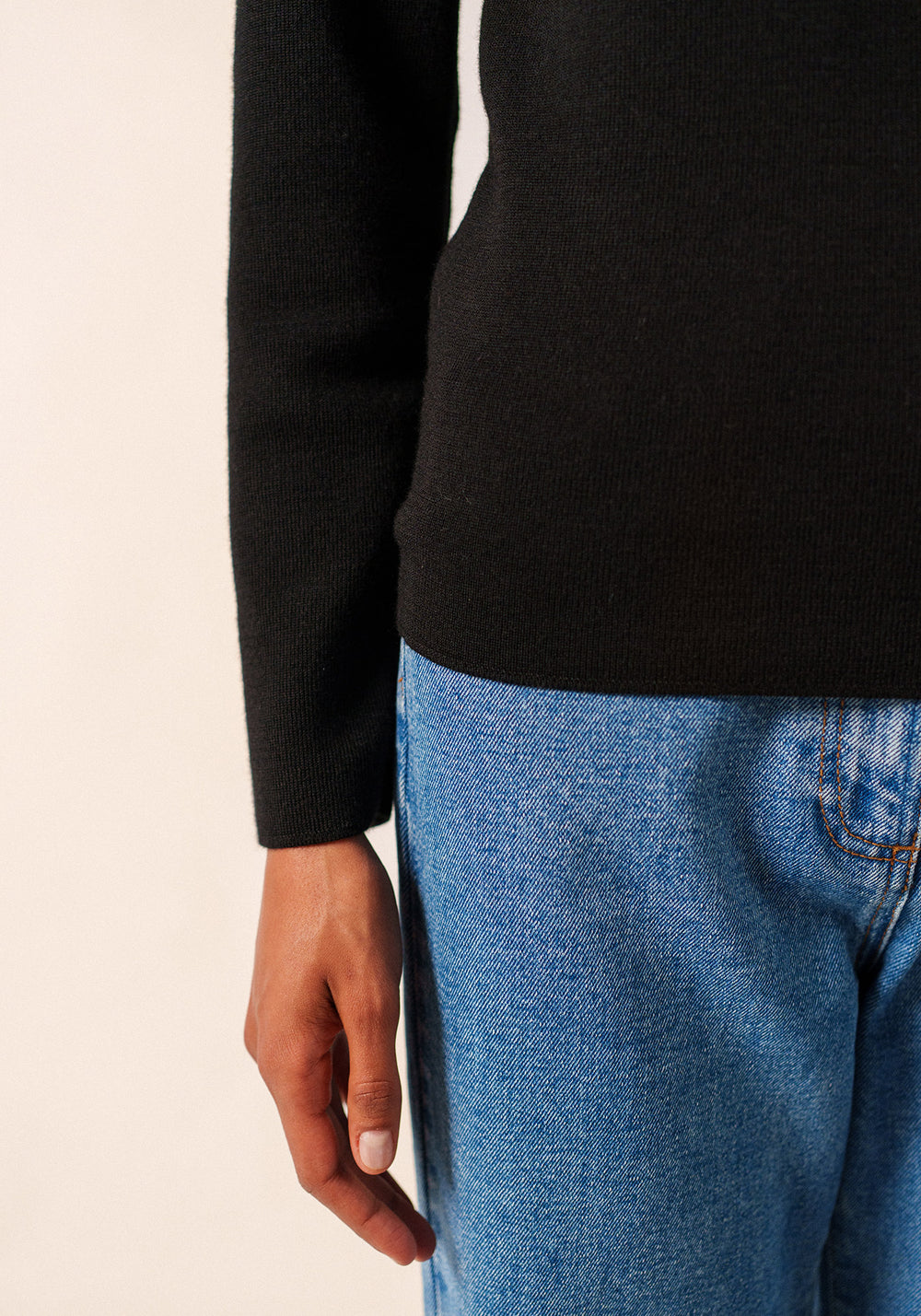
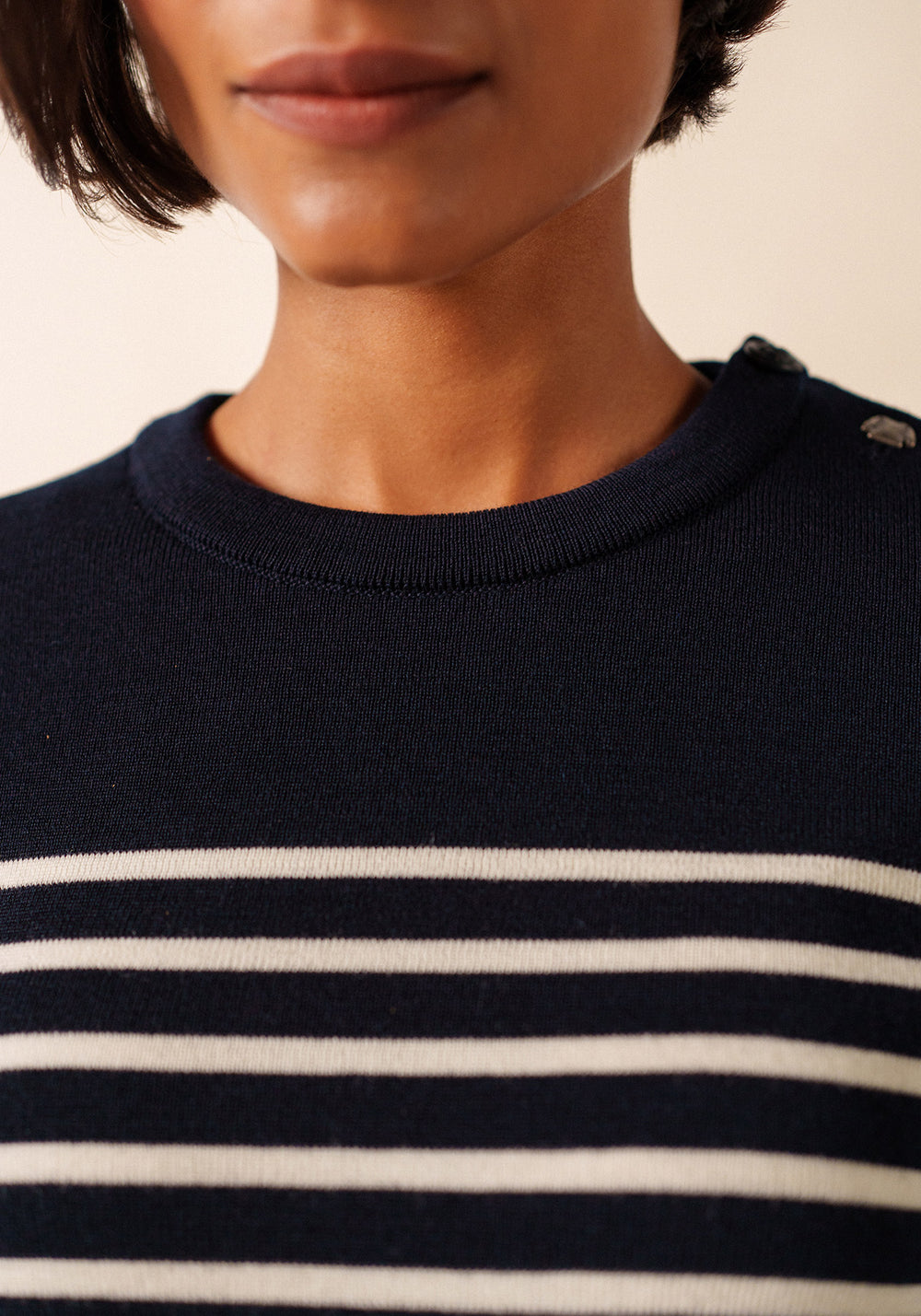
The seamstresses create the hems at the edge of the sleeves and the bottom of the sailor jumper, assemble the panels with very fine seams, and attach the collars of the women’s jumpers to the necklines using a rare expertise: linking (remaillage), which is a signature speciality of the SAINT JAMES brand.
Finally, after knitting and before final assembly, the women's jumpers arrive in the hands of the menders—artisans who detect the slightest flaw and refine each garment like a unique piece. Their craftsmanship is only taught within the SAINT JAMES workshops during an in-house training period lasting nearly two years.
Two weeks are necessary for the French manufacturing of a SAINT JAMES sailor jumper for women: discover the entire collection from the Saint-James workshops.
SAINT JAMES women's jumpers: between authenticity and creativity
Saint James sailor jumpers for women are the result of ancient and rare expertise. If they have successfully adapted to every era without losing their authenticity, it is also thanks to the creativity of the design team, still based in Normandy, at the heart of the brand's historical birthplace.
Twice a year, new collections are launched: a Spring/Summer collection and an Autumn/Winter collection. The designers carry out extensive research into natural materials and potential blends, yarns, assemblies, and new knitting techniques, as well as current trends in terms of colours and cuts.
They produce sketches and then develop a technical file for each new model of women's jumper. This file contains a technical drawing, plans for the panels to be knitted and assembled, the colours and materials used, all manufacturing instructions, and the different measurements for each size.
A prototype of this new women’s jumper model is then made and worn internally by the SAINT JAMES team to check the fit and drape before being launched into production.
Pleasant to wear while being warm and of high quality, these women's jumpers embody a casual-chic spirit—a perfect blend of elegance and comfort. The brand's maritime style is exported internationally; from Japan to the United States, SAINT JAMES jumpers are an emblem of both fashion and the French art de vivre inspired by the sea.
What is the history of the SAINT JAMES sailor jumper for women?
If SAINT JAMES sailor jumpers for women are so hard-wearing, it is because they originally had a utilitarian function. In 1889, when Léon Legallais, mayor of the commune of Saint-James in Manche, launched the production of the first sailor jumpers within his spinning mill, they were work clothes intended for fishermen.
Those known as the Terre-neuvas—sailors who left every year for long months to fish for cod off the coast of Canada—needed a warm garment capable of protecting them from freezing temperatures and shielding them from rain and sea spray, without hindering their movements during manoeuvres on board the boats.
This is how the sailor jumper was born. At the time, it was called a chandail, a name derived from the activity of Norman and Breton fishermen who, when they weren't fishing in the North Atlantic, crossed the English Channel to sell garlic in the south of England.
While they announced their presence by shouting "Marchand d'ail!" (Garlic merchant!), the British heard "...chand'ail", which gave rise to the word chandail. The chandail, or sailor jumper, was then knitted from the wool of so-called "salt-marsh" sheep, raised in the Bay of Mont Saint-Michel.
Over the years and decades, the sailor jumper lost its purely utilitarian function to serve the world of fashion, without ever denying its maritime heritage or losing its ability to protect against the cold and damp.
It no longer just dresses sailors, but all women and men who value wearing a high-quality, warm garment that is as elegant as it is durable and comfortable.